
Are you tired of relying on store-bought granola bars that are often high in sugar and preservatives? Making your own protein-packed granola bars at home is easier than you think, and it’s a great way to ensure you’re getting exactly what you need from your snack. With this recipe, you can customize the ingredients to suit your dietary needs and preferences, adding in your favorite nuts, seeds, or dried fruits while keeping the sugar content low.
By following our easy recipe, you’ll be able to create healthy, protein-rich granola bars that are perfect for snacking on the go. We’ll show you how to achieve the ideal texture without relying on artificial preservatives or excessive sugar. By the end of this article, you’ll have the knowledge and confidence to make your own protein-packed granola bars from scratch, tailored to your exact needs.
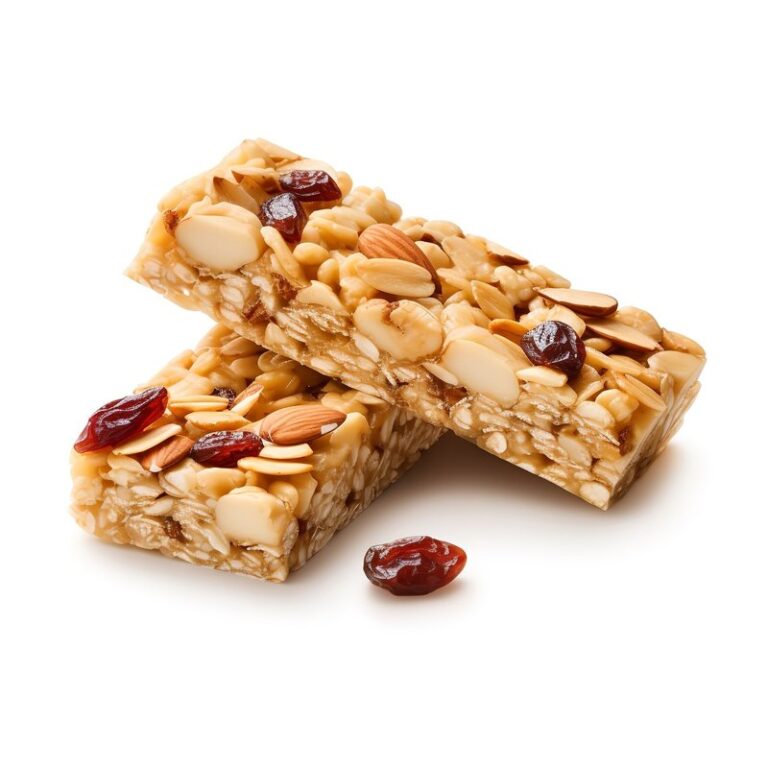
Understanding the Basics of Granola Bars
Let’s start by breaking down what makes a great granola bar, from ingredients to texture and nutritional value, so you can create your best bars yet. This foundation is key to crafting delicious and healthy treats that meet your needs.
What are Granola Bars?
Granola bars are a convenient and portable snack or meal replacement option that has gained immense popularity worldwide. They’re essentially a mixture of rolled oats, nuts, seeds, dried fruits, and sometimes even chocolate chips, bound together with honey, syrup, or other sweeteners. The ingredients may vary depending on the recipe and brand, but the core idea remains the same – to create a nutrient-rich energy bar that can be easily consumed on-the-go.
What’s driven their popularity is the increasing demand for healthy snacking options. Many people lead busy lifestyles, requiring quick and easy meal solutions. Granola bars fit perfectly into this scenario as they’re lightweight, compact, and packed with essential nutrients like fiber, protein, and healthy fats. This combination makes them an attractive option for fitness enthusiasts, athletes, and health-conscious individuals looking to supplement their diet.
In reality, many store-bought granola bars contain excessive sugar, artificial ingredients, and preservatives, which may offset the benefits of these energy bars. By opting for a homemade protein granola bar recipe like the one we’ll be discussing later, you can control the ingredients, avoid unwanted additives, and create a customized snack that suits your dietary needs and preferences.
Benefits of Making Your Own Granola Bars at Home
Making your own protein granola bars at home offers several benefits. One of the most significant advantages is cost-effectiveness. By buying individual ingredients in bulk, you can save money compared to purchasing pre-made granola bars. For example, a 2-pound bag of rolled oats typically costs between $5 and $7. This amount can make around 20-25 granola bars, depending on the recipe. In contrast, a single pack of commercial granola bars usually contains only 6-8 bars.
Another benefit is customization options. When making your own granola bars, you can choose from various protein sources, such as whey, casein, or plant-based options like pea or rice protein. You can also adjust the level of sweetness to suit your taste preferences and add in nuts, seeds, or dried fruits for added texture and flavor.
By controlling the ingredients used, you can ensure that your homemade granola bars meet your dietary needs and restrictions. This is particularly important for individuals with specific allergies or sensitivities. For instance, if you’re gluten-intolerant, you can use gluten-free oats and other suitable ingredients to create a safe and enjoyable snack.
Common Issues with Store-Bought Granola Bars
Commercial granola bars often contain added preservatives to extend shelf life. These chemicals can be detrimental to overall health and may cause digestive issues in some individuals. A typical store-bought granola bar contains around 10-15 grams of sugar, contributing to excessive sugar intake.
Furthermore, many commercial granola bars lack essential nutrients and protein content, relying on filler ingredients like wheat flour or oats. This limited nutritional value can make them seem healthy but still leave you feeling unsatisfied due to the empty calories. Consider the typical ingredients list: you’ll likely see added flavorings, colorants, or artificial sweeteners.
To put this into perspective, a single store-bought granola bar might contain more sugar than an entire serving of fresh fruit. A small minority of commercial granola bars offer decent protein content, but they’re often heavily processed and contain ingredients that can be detrimental to health in excess.
When shopping for granola bars, always check the ingredient list and nutrition label carefully. Be wary of products with excessive sugar or artificial additives, opting instead for homemade or low-sugar alternatives when possible.
Ingredients and Their Roles
To make these delicious homemade protein granola bars, it’s essential to understand how each ingredient contributes to their texture, flavor, and nutritional value. Let’s break down the key components of our recipe.
Essential Proteins for Your Granola Bar Recipe
Protein sources like nuts and seeds are popular additions to homemade granola bars due to their high protein content and versatility. Almonds, cashews, and pumpkin seeds are all good choices, providing approximately 5-6 grams of protein per ounce. Consider using a mix of these to balance flavor and nutritional value.
When it comes to nuts specifically, be mindful of portion sizes as they can add a significant amount of calories to your bars. For example, a single ounce of almonds contains around 161 calories. To mitigate this, use them in moderation or combine with other protein sources like seeds.
Protein powders are another option for adding protein to your homemade granola bars. Whey and casein protein powder work well due to their neutral flavor profiles and ability to hold mixtures together. However, be aware that excessive liquid can make the mixture too wet, so start with a small amount and adjust as needed.
Incorporating these protein sources into your recipe will help support muscle growth and repair.
Sweeteners: Choosing the Right Ones
When choosing sweeteners for your homemade protein granola bar recipe, it’s essential to consider not only their flavor impact but also their nutritional content. Natural sweeteners like honey, maple syrup, and coconut sugar offer a distinct taste and can add moisture to the bars. However, they are typically higher in calories and may increase the glycemic index of the final product.
Artificial sweeteners, on the other hand, provide a sugar-free alternative but can leave a bitter or aftertaste in some recipes. Stevia and erythritol are popular options for those with dietary restrictions, but be mindful that they may not contribute to the binding properties of the bars like natural sweeteners do.
To balance flavor and nutrition, consider combining a natural sweetener with a smaller amount of an artificial sweetener. For example, using 75% honey and 25% stevia can create a sweet and satisfying taste without significantly impacting the bar’s nutritional profile. Experimenting with different sweetener ratios will help you find the perfect combination for your homemade protein granola bars.
Nuts and Seeds for Added Crunch and Nutrition
When choosing nuts and seeds to add crunch and nutrition to your homemade protein granola bars, consider a variety of options. Almonds and walnuts are popular choices for their rich flavor and satisfying texture, while pumpkin seeds provide a nutty flavor and boost of magnesium.
Other options include chia seeds, which absorb liquid and create a gel-like texture, and flaxseeds, which add omega-3 fatty acids and fiber. You can also use sunflower seeds or hemp seeds for added crunch and nutrition. Consider combining different types to achieve a balance of flavors and textures.
Some nuts are more prone to oil separation than others, such as pecans and hazelnuts, so be aware of this when mixing them into your granola bars. To avoid clumping, mix dry ingredients separately before adding the wet ingredients. Use a ratio of 1/4 cup chopped nuts or seeds per 2 cups rolled oats for a balanced texture.
Basic Granola Bar Recipe Framework
To make a homemade protein granola bar recipe, you’ll first need to understand the basic framework of a granola bar mix that combines rolled oats, nuts, and protein powder. This foundation is crucial for achieving your desired texture and flavor balance.
Preparing the Base Ingredients
Cooking grains like oats and rice requires some planning. Oats typically take around 20-25 minutes to cook on the stovetop, but instant oats can be ready in as little as 5 minutes. To prepare them, simply add 1 cup of oats to a saucepan with 2 cups of water or milk, bring to a boil, and then reduce heat. Stir occasionally until the liquid is absorbed.
For rice, you’ll need to adjust your ratio of water to rice. A general rule of thumb is to use a 2:1 ratio, so for every cup of uncooked rice, use 2 cups of water. Bring the mixture to a boil, then reduce heat and cover the pan with a lid. The cooking time will depend on the type of rice you’re using – white rice typically takes around 15-20 minutes, while brown rice can take up to 40 minutes.
Nuts and seeds also need to be prepared before adding them to your granola bars. Almonds and walnuts usually require a dry roast in a 350°F oven for 10-15 minutes, or until fragrant and lightly browned. Sunflower seeds can be toasted in the same way, while pumpkin seeds may benefit from a little oil and seasoning before roasting. Simply spread them on a baking sheet and roast until crispy.
Binding Agents for Holding the Bars Together
When it comes to binding agents for holding the bars together, there are several options to choose from. Nut butters like peanut butter and almond butter work well due to their high fat content, which helps bind ingredients together. However, they can also make the bars taste nutty or overpowering if used in excess.
Honey is another popular choice, offering a touch of sweetness while contributing to texture. But keep in mind that using too much honey can result in a sticky mess. Egg whites are often overlooked but provide an excellent protein boost and help strengthen the bars’ structure. They also introduce a neutral flavor profile, which pairs well with other ingredients.
The type of binding agent you select will significantly impact your granola bar’s texture and consistency. If you prefer a chewier bar, choose nut butter or honey as they add natural sweetness and moisture. For a crisper result, egg whites are the way to go. Ultimately, it comes down to personal preference and what ingredients you have on hand. Experiment with different combinations to find your ideal balance of flavor and texture.
Adding Flavorings and Customizations
When it comes to adding flavorings and customizations, you can get creative with a variety of ingredients. For example, vanilla extract pairs well with nuts like almonds or walnuts, while cinnamon complements fruit like cranberries or raisins. Experiment with different spice combinations to find the perfect blend for your taste buds.
Consider incorporating seeds such as chia, flax, or hemp for added nutrition and texture. Coconut flakes can add a sweet and creamy element, but be mindful of their high calorie content. If you’re looking for dairy-free options, try using nut butters like peanut butter or almond butter to enhance the flavor.
Some popular customizations include adding cocoa powder for a chocolatey twist or using espresso powder to give your granola bars a mocha flavor. You can also swap out sugar with natural sweeteners like honey, maple syrup, or stevia. When making substitutions, keep in mind that each ingredient will affect the overall balance of flavors and textures.
Advanced Recipe Enhancements
To take your homemade protein granola bars to the next level, we’ll explore some advanced recipe enhancements that add extra flavor and nutrition.
These tweaks include creative combinations of spices, nuts, and seeds that will give your granola bars a unique twist.
Incorporating Fresh Fruits for Extra Moisture
When incorporating fresh fruits into your homemade protein granola bars, you can significantly enhance their moisture content and flavor. Fresh or dried fruits like cranberries, apricots, or raisins add natural sweetness and chewiness to the bars. Frozen berries such as blueberries or raspberries are also a great option, especially during peak season when they’re at their sweetest.
When using fresh or frozen fruits, be mindful of their texture and liquid content. You may need to adjust the ratio of grains to fruit in your recipe to avoid a too-wet consistency. A good starting point is to use about 1/4 cup of chopped fresh fruit per 2 cups of granola mixture. This will add just enough moisture without compromising the bars’ structure.
Some popular combinations include mixing dried cranberries with orange zest or using frozen berries with a hint of vanilla extract. Experimenting with different fruits and flavor pairings can help you create unique and delicious variations of your homemade protein granola bars.
Nutritional Boosters: Superfoods in Granola Bars
Chia seeds are a popular addition to granola bars due to their impressive nutritional profile. They’re rich in omega-3 fatty acids, fiber, and protein, making them an excellent choice for those looking to boost the nutritional benefits of their homemade granola bars. To incorporate chia seeds into your recipe, start by mixing 1-2 tablespoons of chia seeds with water or a non-dairy milk alternative before adding them to the wet ingredients.
Another superfood option is flaxseeds, which are also high in omega-3s and fiber. When using ground flaxseed, be aware that it can make the mixture slightly more dense due to its gel-like properties when combined with liquid. Hemp hearts are a versatile alternative, providing all nine essential amino acids and a nutty flavor. Use 1/4 cup of hemp hearts in place of some of the rolled oats for added nutrition.
When choosing superfoods like chia seeds, flaxseeds, or hemp hearts, consider your dietary needs and preferences. For example, if you’re looking to increase omega-3 intake, choose chia seeds or flaxseeds. If you prefer a nutty flavor, opt for hemp hearts. Experiment with different combinations to find the perfect balance of taste and nutrition for your homemade granola bars.
Specialty Options: Gluten-Free, Vegan, etc.
To accommodate dietary restrictions and preferences, you can modify the protein granola bar recipe with specific ingredients. For gluten-free options, substitute wheat flour with rice flour, almond flour, or coconut flour. These alternatives have different absorption properties, so adjust the liquid content accordingly to achieve a suitable consistency.
When adopting veganism, replace honey with maple syrup or another plant-based sweetener. Ensure that your protein powder and nut butter choices are free from animal-derived products. You may also need to swap out eggs for flaxseed or chia seeds as binding agents.
For low-carb diets, reduce the amount of rolled oats or omit them altogether in favor of more nut-based ingredients. Some options include chopped nuts, seeds, or coconut flakes. Be mindful that these alternatives often have different flavor profiles and textures, so adjust your sweetener choice and other ingredients to maintain balance.
If you’re making multiple variations, consider preparing separate batches to avoid cross-contamination with gluten-containing ingredients. This attention to detail will help you achieve a delicious, custom-made protein granola bar that fits your specific needs.
Tips for Achieving the Perfect Texture
Achieving the perfect texture in your homemade protein granola bars can be a challenge, but following these simple tips will help you get it just right. Proper ingredient ratio and mixing technique are key to avoiding an unpleasantly crunchy or chewy result.
Understanding Granola Bar Texture Variations
When it comes to achieving the perfect texture for your homemade protein granola bars, understanding how different ingredients and cooking methods affect the final product is crucial. You can achieve a range of textures by varying the types of nuts and seeds used. For example, almonds provide a crunchier texture than walnuts, while chia seeds add a softer, more gel-like consistency.
The ratio of sugar to protein also plays a significant role in determining the bar’s texture. Using too much sugar can make the bars overly soft and sticky, whereas high-protein ingredients like peanut butter or nut butters help bind the mixture together, creating a firmer texture. Additionally, the cooking method can impact texture – baking the mixture at a higher temperature can produce a crunchier exterior, while a lower temperature yields a chewier center.
By experimenting with different ingredient combinations and cooking methods, you can achieve a range of textures that suit your preferences. If you prefer a denser bar, try adding more protein-rich ingredients like hemp seeds or using less sugar. Conversely, if you want a lighter texture, increase the amount of sugar and reduce the protein content. Remember that achieving the perfect texture is a matter of trial and error, so be prepared to make adjustments accordingly.
Common Issues: Crunch vs. Chewiness, etc.
Achieving the perfect texture in homemade protein granola bars can be a challenge. One common issue is over- or under-mixing, leading to either crunchiness or chewiness. To address this, it’s essential to mix wet and dry ingredients separately before combining them. This helps prevent over-processing, which can make your granola bars too hard.
Crunchy texture often results from using too much protein powder or nuts, while insufficient mixing can cause the ingredients not to bind properly. A small adjustment in ingredient ratios can make a significant difference. For instance, adding an extra tablespoon of nut butter can help balance out crunchiness.
Other common texture issues include graininess and stickiness. Graininess occurs when oats or other grains are not properly broken down during mixing. To fix this, use a higher ratio of liquid ingredients to dry ones. Stickiness, on the other hand, usually arises from excessive moisture in the mixture. Be mindful of using too much honey or maple syrup, as these liquids can make your granola bars clump together instead of holding their shape.
Best Practices for Storing Homemade Granola Bars
To maintain freshness and nutritional value, store homemade granola bars properly. A cool, dry place such as a pantry or cupboard is ideal, but you can also keep them in an airtight container at room temperature. If you live in a humid climate, consider storing the granola bars in the refrigerator to prevent moisture from seeping in and making them stale.
Keep the granola bars away from direct sunlight, which can cause the ingredients to degrade more quickly. When storing multiple layers of granola bars, place a sheet of parchment paper or wax paper between each layer to prevent them from sticking together. This will make it easier to remove individual bars as needed without compromising their texture.
For longer-term storage, consider dividing the batch into smaller portions and freezing them in an airtight container or freezer bag. Frozen granola bars typically last for 2-3 months. When you’re ready to eat one, simply thaw it at room temperature or microwave it briefly until softened.
Putting It All Together: Your Perfect Granola Bar Recipe
Now that you’ve crafted your custom granola bar mixture, it’s time to bind everything together into a delicious and healthy snack that suits your taste. Simply assemble all the ingredients according to your preferred ratio and texture.
Sample Recipes for Beginners
To get started making homemade protein granola bars, try these simple recipes. Begin with a basic recipe and experiment from there to find the combination you enjoy most. One example is a no-bake peanut butter banana protein bar: mix 2 tablespoons of peanut butter, 1 ripe mashed banana, 1 scoop of vanilla protein powder, and 1/4 cup of rolled oats in a bowl until smooth. Press the mixture into a lined pan and refrigerate for at least an hour before cutting into bars.
Another beginner-friendly option is a honey almond protein bar: combine 2 tablespoons of honey, 1 tablespoon of almond butter, 1 scoop of vanilla protein powder, and 1/4 cup of chopped almonds in a bowl. Mix until well combined and press the mixture into a lined pan. Refrigerate for at least an hour before cutting into bars.
Remember to adjust ingredient ratios based on your personal taste preferences. For example, if you prefer a stronger peanut butter flavor, increase the amount of peanut butter in the no-bake recipe.
Advanced Customization Ideas
If you’re looking to take your protein granola bar recipe to the next level, consider adding nuts like walnuts, almonds, or pecans for a boost of healthy fats and crunchy texture. For an extra dose of fiber, try incorporating seeds such as chia, flax, or hemp. You can also experiment with different types of milk, like almond, soy, or coconut milk, to create unique flavor profiles.
To cater to specific dietary requirements, substitute sugar with natural sweeteners like honey, maple syrup, or stevia. If you’re gluten-intolerant, replace traditional oats with gluten-free alternatives made from rice, corn, or quinoa. Consider adding a scoop of your favorite protein powder to increase the bar’s nutritional content.
When working with spices and flavorings, remember that a little goes a long way. Start with small amounts and adjust to taste to avoid overpowering the other ingredients. Don’t be afraid to get creative and combine unexpected flavors – for example, pairing cinnamon with nutmeg or ginger with coconut flakes can result in truly unique and delicious granola bars.
Frequently Asked Questions
Can I Make Granola Bars Ahead of Time and Freeze Them?
Yes, you can make granola bars ahead of time and freeze them for up to two months. Simply prepare the base ingredients as instructed, press the mixture into a lined baking dish, and place it in the freezer until frozen solid. Once frozen, cut the granola bars according to your desired size and store them in an airtight container or freezer bag.
How Do I Prevent My Granola Bars from Becoming Too Crunchy or Crumbly?
Crunchiness or crumbliness can occur due to overcooking the base ingredients or using too much binding agent. To avoid this, make sure to cook the grains and nuts according to their specific requirements, and adjust the amount of binding agent based on your preference for texture.
Can I Use Different Types of Protein Powder in My Granola Bar Recipe?
Yes, you can use various types of protein powder, such as whey, casein, or plant-based options like pea or rice. However, keep in mind that different protein powders may affect the flavor and nutritional content of your granola bars.
What if I Don’t Have a Binding Agent on Hand? Can I Make Granola Bars without One?
While binding agents are essential for holding the bars together, you can still make granola bars without one by using a higher ratio of oats or other grains to protein sources. However, this may affect the texture and structure of your final product.
How Do I Know if My Homemade Granola Bars Are Safe to Eat and Fresh?
To ensure your homemade granola bars are safe to eat and fresh, check for visible signs of spoilage like mold, sliminess, or an off smell. If you’re unsure, it’s always best to err on the side of caution and discard the bars to avoid any potential health risks.

