
Plastic waste is suffocating our oceans, threatening the very foundation of marine ecosystems. The sheer volume of plastic debris in our waters is staggering: millions of tons of plastic have entered the ocean since the 1950s, with microplastics now found in every corner of the globe. Marine animals are choking on discarded bags and six-pack rings, while coral reefs struggle to survive amidst a sea of pollutants. But the impact doesn’t stop there – ingesting plastic has been linked to human health problems, from respiratory issues to cancer. In this article, we’ll explore the shocking facts about plastic in our oceans, its devastating effects on marine life and human health, and most importantly, what you can do to help combat ocean pollution.
The Problem is Real: Understanding the Scope of Ocean Pollution
Ocean pollution isn’t just a distant problem, it’s happening right now, in our oceans, and we need to understand its true extent. We’ll break down the statistics that reveal the shocking reality of plastic waste in our marine ecosystems.
What is Marine Debris and Why Does it Matter?
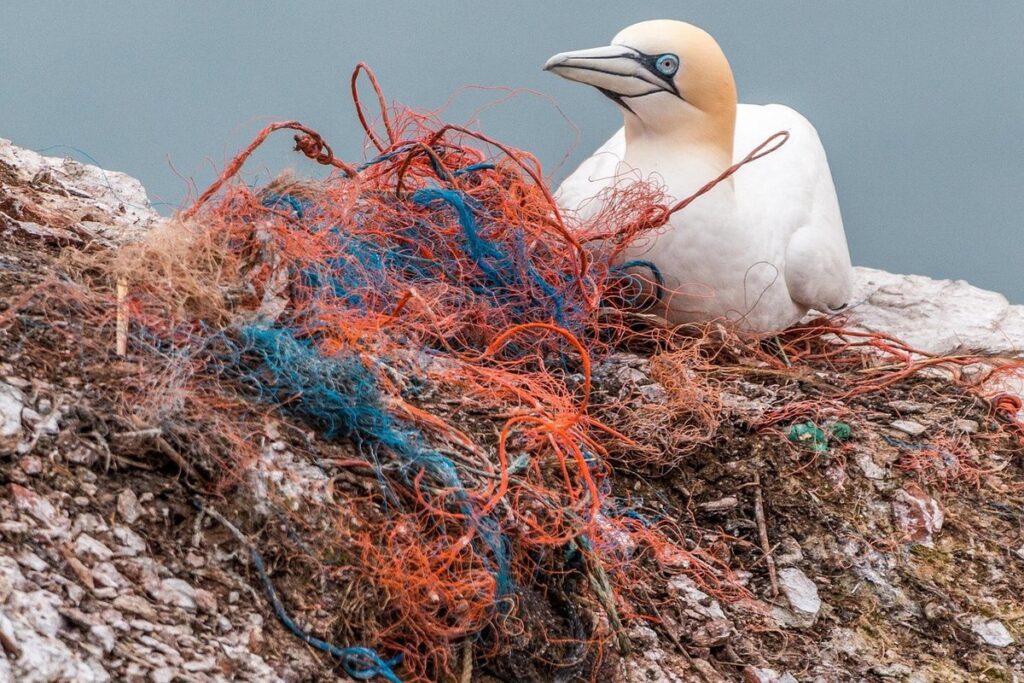
Marine debris refers to any type of human-made waste that ends up in our oceans. This can range from abandoned fishing gear and plastic bags to microbeads and cigarette butts. The majority of marine debris is plastic, which can come from a variety of sources, including litter, improper waste disposal, and even intentional dumping.
One key reason why marine debris matters is its impact on marine life. When animals ingest plastic, it can block their digestive tracts or release toxic chemicals. For example, sea turtles have been known to mistake plastic bags for jellyfish, which are a natural food source for them. Once ingested, the plastic can cause internal damage and even lead to death.
Marine debris also affects human health indirectly by contaminating the food chain. When marine animals consume plastic, the toxins can accumulate in their bodies and eventually be passed on to humans through consumption of seafood or other ocean-derived products. This is a concerning issue because we don’t yet fully understand the long-term effects of consuming plastics on our health.
In addition to these ecological and human health implications, marine debris also has economic consequences, such as damage to fishing gear and boats, which can lead to financial losses for industries that rely on the ocean’s resources.
Sources of Plastic Pollution in the Ocean
Plastic pollution in the ocean comes from a variety of sources. Land-based activities, such as litter and waste management issues, contribute significantly to marine debris. Improperly disposed of trash, including plastic bags, bottles, and other items, can easily make their way into waterways and eventually the ocean. In addition, industrial processes like mining, construction, and manufacturing release large amounts of microplastics and other pollutants that can contaminate soil, air, and water.
A significant portion of marine debris is generated by human activities on land. For example, agricultural runoff from fertilizers and pesticides contributes to the formation of plastic particles that can enter the ocean through storm drains or irrigation systems. Furthermore, urbanization and population growth have led to an increase in plastic waste, which often ends up in waterways due to inadequate waste management infrastructure.
The majority of large-scale industrial processes rely on plastics as packaging materials or raw materials. This has resulted in a massive release of microplastics into the environment.
The Impact on Marine Life: How Plastic Affects Our Ecosystems
As plastic makes its way into our oceans, it’s causing irreparable harm to marine life, from entanglement and suffocation to ingestion and habitat destruction. Plastic pollution is having a devastating impact on our ecosystem.
Ingestion and Entanglement: Physical Harm to Marine Animals
Plastic ingestion and entanglement cause severe physical harm to marine animals. When plastic debris is ingested, it can block digestive tracts, leading to malnutrition and starvation. This can be particularly devastating for large animals like sea turtles, which may eat up to 4 pounds of seaweed or jellyfish per week, mistaking plastic bags or six-pack rings for food.
In extreme cases, the plastic can even cause suffocation by blocking the animal’s airways. For example, a study found that over 90% of seabirds and 50% of sea turtles had ingested plastic debris. Entanglement in plastic waste is also a significant threat. Animals may become trapped in abandoned fishing nets or six-pack rings, leading to drowning or exhaustion.
The severity of these impacts can be seen in the many marine animals that die from plastic ingestion each year. In 2019, a study estimated that at least 600 species are affected by plastic pollution, with many more expected to be impacted as plastic debris continues to accumulate in our oceans. To mitigate this harm, it’s essential for individuals and governments to work together to reduce plastic waste and implement effective recycling programs.
Chemical Contamination: Toxic Effects on Marine Organisms
Chemicals from plastics can leach into the water through a process called hydrolysis, where the plastic’s molecular bonds break down and release toxic chemicals. These chemicals can then be absorbed by marine organisms, leading to bioaccumulation – the accumulation of toxins within an organism over time.
Bioaccumulation can have severe consequences for marine life. For example, studies have shown that microplastics in the ocean can contain high levels of PCBs (polychlorinated biphenyls), which are known carcinogens and endocrine disruptors. As these chemicals build up in the bodies of marine organisms, they can cause a range of problems, including reproductive issues, developmental delays, and even death.
Biomagnification is another concern. This occurs when toxins accumulate in larger organisms as smaller prey are consumed. In other words, if a small fish eats a microplastic containing PCBs, those toxins will be stored in the fish’s body. When a larger predator – like a shark or a whale – eats that fish, it will ingest the accumulated toxins along with its meal.
To put this risk into perspective: some researchers estimate that 90% of marine mammals may have ingested microplastics at some point in their lives.
The Human Health Connection: Plastic Pollution’s Impact on Humans
Plastic pollution is not just harming marine life, but also having a profound impact on human health. From toxins in the air we breathe to chemicals in our food and water, the effects are far-reaching.
Ingesting Microplastics: A Growing Concern for Human Health
Research suggests that humans are ingesting microplastics through the food they eat and the water they drink. A study published in the journal Environmental Science & Technology found that nearly 80% of tap water samples from around the world contained plastic fibers, with an average of 10 particles per liter. The World Health Organization (WHO) has also acknowledged the potential risks associated with microplastic consumption.
One major concern is the presence of chemicals like bisphenol A (BPA) and polychlorinated biphenyls (PCBs), which have been linked to various health problems, including cancer and reproductive issues. Microplastics can act as vectors for these toxins, allowing them to enter the human body through ingestion.
Some experts warn that the long-term effects of microplastic consumption are still unknown, but the evidence suggests a growing concern for human health. The WHO recommends further research on the topic to better understand the risks and develop effective mitigation strategies. In the meantime, individuals can take steps to reduce their exposure by using filters certified to remove microplastics from drinking water and choosing foods with lower levels of plastic contamination.
Economic Consequences of Ocean Pollution
Ocean pollution imposes significant economic costs on communities and industries worldwide. Cleanup efforts are a substantial expense, with some estimates suggesting that removing marine debris from coastlines can cost up to $1 million per mile. Furthermore, the presence of plastic waste in oceans can deter tourists, resulting in lost revenue for local economies.
For instance, a study conducted on the Great Pacific Garbage Patch estimated that if it were cleaned up, the cost would be around $100 billion. However, this number pales in comparison to the long-term economic benefits that could be gained from preserving marine ecosystems and promoting sustainable tourism practices.
Damage to industries such as fishing and shipping is also a significant concern. Plastic pollution can harm fish stocks, affecting the livelihoods of people who depend on these industries for their income. In addition, plastic debris can cause damage to vessels and equipment, leading to increased maintenance costs and reduced efficiency.
Solutions and Prevention Strategies: What You Can Do to Help
Now that you know the alarming truth about plastic in our oceans, it’s time to explore what you can do to help mitigate this issue and make a positive impact. We’ll look at practical steps towards creating change.
Reduce Your Plastic Use: Simple Changes for a Big Impact
Reducing plastic use requires a combination of awareness and intentional changes to daily habits. A significant portion of ocean pollution comes from single-use plastics, so identifying and replacing these items is crucial. Start by examining your personal use of disposable bags, water bottles, straws, and cutlery. Consider switching to reusable alternatives made from materials like cotton, stainless steel, or bamboo.
When shopping, choose products with minimal packaging or those that use biodegradable materials. Opt for glass containers over plastic for storing food and household items. Many cities now offer refill stations for cleaning supplies, laundry detergent, and personal care products – take advantage of these services to reduce waste. If you’re unable to find a local option, consider purchasing in bulk and decanting into smaller containers.
Making these simple changes can have a substantial impact when combined with the efforts of others. Consider implementing a “zero-waste” challenge for yourself or with friends to track progress and stay motivated. Remember that every small action counts, and collective change is more effective than individual actions alone.
Supporting Organizations Working to Combat Ocean Pollution
Several organizations are working to combat ocean pollution, and there are ways readers can support their efforts. One notable example is the Ocean Conservancy, a non-profit organization dedicated to protecting the ocean and its wildlife through science-based advocacy. They have initiatives such as Trash Free Seas, which aims to reduce marine debris by addressing the root causes of plastic waste.
Another organization making a difference is the World Wildlife Fund (WWF), which has established the Global Programme on Marine Plastic Pollution. This program focuses on reducing plastic pollution in oceans through policy and practice changes. The WWF also collaborates with governments, businesses, and communities to develop effective solutions.
Supporters can get involved by donating to these organizations or participating in their campaigns. For instance, the Ocean Conservancy’s Trash Free Seas initiative encourages individuals to take a “Trash-Free Seas Pledge,” which involves committing to reduce plastic use in daily life. This includes simple actions like carrying reusable bags and water bottles, as well as more significant changes such as switching to products with minimal packaging.
The Role of Governments and Policies in Addressing Ocean Pollution
Governments have a crucial role in mitigating ocean pollution, which is why their policies and regulations play a vital part in addressing this global issue. Effective governance can significantly impact the success of efforts to reduce plastic waste in our oceans.
Existing Laws and Regulations: Are They Enough?
Existing laws and regulations regarding ocean pollution are often inadequate to address the scope of the problem. Many countries have established marine protected areas and implemented regulations on plastic waste disposal, but these measures typically focus on surface pollution rather than addressing the root causes of ocean plastic. For instance, the U.S.’s Marine Debris Act aims to reduce marine debris through education, research, and international cooperation. However, critics argue that this legislation is too narrow in its scope and fails to address the sheer volume of plastic waste entering the oceans.
Similarly, the European Union’s Single-Use Plastics Directive bans certain single-use plastics but does not effectively tackle microplastics or fishing gear pollution. The lack of enforceable standards and inadequate penalties for non-compliance further erode the effectiveness of these regulations. As a result, many environmental groups advocate for more comprehensive policies that address plastic production, consumption, and waste management at their source.
Proposed Solutions and Future Directions for Policy Change
Extended producer responsibility (EPR) is a proposed solution that holds manufacturers accountable for the waste generated by their products. This can be achieved through deposit-refund schemes, where consumers return packaging materials to receive a refund, or by incorporating recyclable materials into product design. Circular economy initiatives, which prioritize the reuse and recycling of materials, also show promise in reducing plastic pollution.
Implementing EPR policies can incentivize companies to adopt more sustainable practices, such as designing products with recyclability in mind or using biodegradable materials. For instance, some countries have implemented deposit-refund schemes for single-use plastics like water bottles and soda cans, resulting in significant decreases in litter and waste.
Other proposed solutions include implementing taxes on single-use plastics, establishing plastic-free zones, and promoting education campaigns to raise awareness about the issue. Governments can also work with industry leaders to develop new technologies and materials that reduce plastic pollution. Ultimately, a comprehensive approach that combines policy changes, public awareness campaigns, and technological innovation is necessary to effectively address ocean plastic pollution.
The Future of Ocean Conservation: A Call to Action
Now that we’ve explored the alarming truth about plastic in our oceans, it’s time to consider what we can do to protect marine ecosystems for future generations. What steps will you take to make a difference?
Individual Actions vs. Systemic Changes: What’s Most Effective?
While individual actions are crucial for creating a collective impact on ocean conservation, systemic changes are often more effective and sustainable. For instance, implementing extended producer responsibility (EPR) policies can significantly reduce plastic waste by holding manufacturers accountable for the disposal of their products. In contrast, individual actions like using reusable bags or water bottles have limited scalability and may not lead to widespread change.
In 2019, the European Union implemented EPR regulations on single-use plastics, resulting in a significant reduction in plastic bag usage and litter. Similarly, some cities have banned single-use plastics altogether, citing notable decreases in waste management costs and improved environmental outcomes. Systemic changes can also drive industry-wide innovation, as companies are incentivized to develop more sustainable packaging solutions.
To promote systemic change, individuals can support organizations advocating for policy reform and engage with their elected representatives on this issue. By combining individual actions with a focus on policy change, we can create a powerful movement that drives meaningful, long-term progress towards reducing plastic pollution in our oceans.
Collaborative Efforts: Governments, Businesses, and Individuals Unite
A unified approach to tackling ocean pollution requires collaboration among governments, businesses, and individuals. Governments can establish and enforce policies that regulate plastic production, waste management, and marine conservation. For instance, some countries have implemented extended producer responsibility (EPR) laws, which hold manufacturers accountable for the waste generated by their products.
Businesses can play a crucial role in reducing plastic pollution by adopting sustainable practices and incorporating environmentally friendly materials into their products. Companies like Patagonia and REI have made significant strides in reducing their use of single-use plastics and promoting recyclable packaging. Individuals can also contribute by making conscious choices about the products they buy and the companies they support.
Effective collaboration between these stakeholders is essential to creating meaningful change. Governments can provide the regulatory framework, businesses can drive innovation and implementation, and individuals can demand action through their purchasing power. By working together, we can create a ripple effect that inspires broader systemic changes and ultimately reduces plastic pollution in our oceans.
Frequently Asked Questions
Can I Still Use Plastic Products If I Recycle Properly?
Yes. While recycling is essential, it’s not enough to offset the harm caused by plastic pollution. Even when recycled, plastics can still contribute to ocean pollution through litter, microplastics, or other pathways.
How Long Does It Take for Plastic to Decompose in the Ocean?
Plastic does not decompose; instead, it breaks down into smaller fragments called microplastics over thousands of years. These microplastics can persist in the environment and be ingested by marine animals, causing harm.
What If I Live in an Area with No Access to Recycling Facilities? Can I Still Make a Difference?
Yes, you can still make a difference even without access to recycling facilities. Consider reducing your plastic use, participating in community cleanups, or supporting organizations working to combat ocean pollution.
Is It True That Some Plastics Are Biodegradable and Safe for the Ocean?
No, biodegradable plastics are not safe for the ocean. They may break down faster than traditional plastics, but they can still leach chemicals into the water and harm marine life. Look for alternatives made from natural materials or those that are fully compostable.
How Can I Support Organizations Working to Combat Ocean Pollution If I’m on a Limited Budget?
Supporting organizations doesn’t require a large budget. You can donate what you can, participate in fundraising events, or spread awareness about the issue through social media. Every action counts, and collective efforts can lead to significant positive change.

