
Marine plastic pollution has become one of the most pressing environmental concerns of our time, with alarming statistics revealing the devastating impact on ecosystems and human health. Every year, millions of tons of plastic waste enter our oceans, harming marine life and contaminating the food chain. The effects are far-reaching, from entangled sea turtles to plastic-laced seafood making its way onto our plates. But what’s causing this problem, and how can we stop it? In this article, we’ll explore the causes of marine plastic pollution, including single-use plastics, microbeads, and littering. We’ll also examine the effects on marine ecosystems and human health, as well as discuss actionable solutions to combat this growing issue. By the end of this article, you’ll know how to make a real difference in reducing your contribution to marine plastic pollution.
The Scope and Statistics of Marine Plastic Pollution
Marine plastic pollution is a staggering issue that affects not just our oceans, but also our health and the planet as a whole. Let’s take a closer look at some alarming statistics and facts about its scope.
Causes and Sources of Marine Plastic Pollution
Marine plastic pollution is a complex issue with multiple causes and sources. Human activities such as littering, improper waste disposal, and lack of recycling infrastructure contribute significantly to the problem. Industrial waste from manufacturing processes, particularly those involved in producing single-use plastics, also ends up in oceans.
A significant portion of marine plastic pollution originates from land-based activities, including agricultural runoff, construction sites, and sewage systems. These sources release microplastics into waterways, which are then carried out to sea. In addition, storm drains and sewage overflows can transport large amounts of waste directly into the ocean.
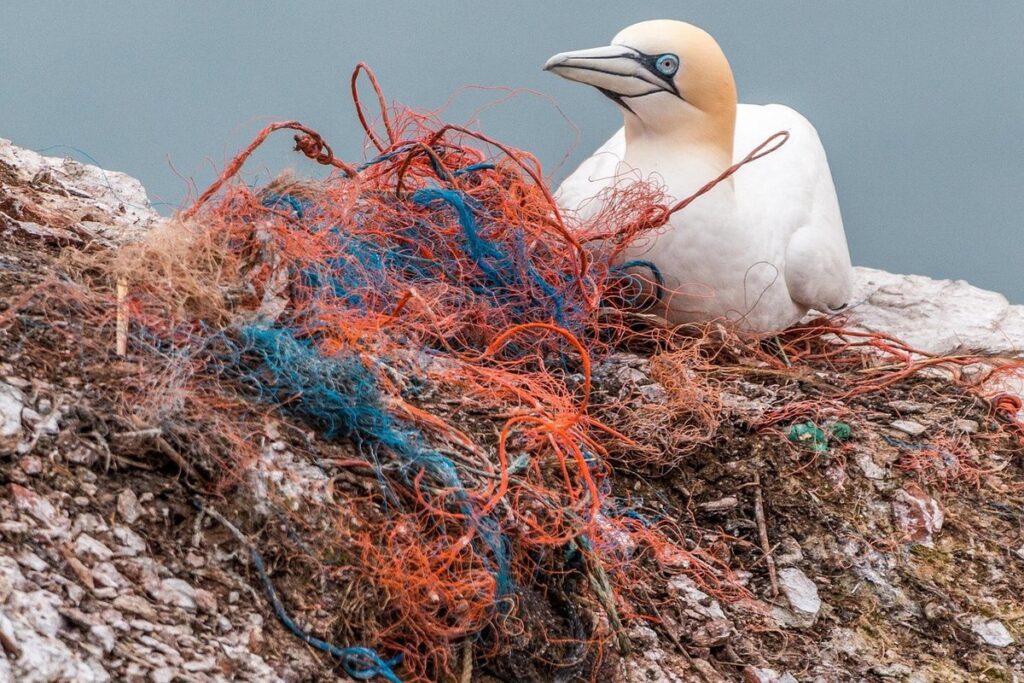
The main culprits behind marine plastic pollution include single-use plastics like bags, straws, and water bottles. Fishing gear, including abandoned nets and lines, also contributes to the problem. Furthermore, the breakdown of larger plastic items, such as microbeads in cosmetics and synthetic fibers from clothing, results in millions of tiny pieces entering the ocean each year.
To mitigate marine plastic pollution, it’s essential to address these sources through a combination of individual actions and policy changes. Governments can implement extended producer responsibility policies, which hold manufacturers accountable for waste generated by their products. Individuals can make conscious choices about their consumption habits and support companies that prioritize sustainability.
The Alarming Statistics: Volume and Impact on Ecosystems
Marine plastic pollution has reached alarming levels, with staggering statistics highlighting the devastating impact on ecosystems. An estimated 8 million tons of plastic waste enter the world’s oceans every year, with many of these items breaking down into microplastics that are ingested by marine life. The consequences are dire: over 700 species have been affected by marine debris, and many more are expected to follow.
Entanglement and suffocation rates are also on the rise, with sea turtles, whales, and seabirds among those most commonly entangled in plastic debris. In fact, it’s estimated that over 100,000 marine animals die each year from entanglement or suffocation caused by plastic pollution. The impact on marine life is just as concerning: studies have shown that ingestion of microplastics can lead to blockages and nutrient deficiencies, while larger plastic items can cause physical harm and obstruction.
The cumulative effect of these statistics is a stark reminder of the urgent need for action. By understanding the sheer scale of the problem, we can begin to grasp the complexity of solutions required to mitigate its impact.
Types of Marine Debris and Their Effects
Marine plastic pollution comes in many forms, from tiny microbeads to massive fishing nets, each causing unique environmental problems. Here we’ll break down some of the most common types and their devastating effects on marine ecosystems.
Microplastics: The Invisible Pollutant
Microplastics are a pervasive and insidious form of marine pollution. They’re not just small pieces of plastic, but rather tiny particles that can come from various sources, including microbeads in personal care products, synthetic fibers from clothing, and even the breakdown of larger plastics. These minuscule pollutants can travel far beyond our shores, contaminating waterways and harming ecosystems worldwide.
One of the most alarming effects of microplastics is their ingestion by marine life. Tiny fish and shellfish mistake these particles for food, which leads to blockages in their digestive tracts and even death. This “bioaccumulation” process allows toxins from plastic pollutants to build up in organisms over time, ultimately affecting human health when we consume seafood.
Research suggests that microplastics have been found in most types of seafood, including oysters, mussels, and even tap water. To mitigate this issue, individuals can make a few simple changes: switch to physical exfoliants instead of those containing microbeads, opt for clothing made from natural fibers, and support organizations working to clean up our oceans. By understanding the problem and taking action, we can help reduce the devastating impact of microplastics on marine ecosystems.
Macroplastic Pollution: From Bags to Bottles
Macroplastics are a significant contributor to marine pollution, and they come in many forms. Plastic bags, for example, often break apart into smaller pieces called microplastics, but can also persist as large items that entangle or suffocate marine life. These massive debris items can be hundreds of pounds heavy and up to several feet long.
Bottles, straws, and other disposable items are another common type of macroplastic pollution. They often end up in the ocean through littering or improper waste disposal. Once in the water, they pose a threat to marine life through entanglement, suffocation, and ingestion. For instance, sea turtles have been known to mistake plastic bags for jellyfish and eat them.
To combat this issue, individuals can make conscious choices when it comes to single-use plastics. For example, opting for reusable bags, straws, and water bottles can significantly reduce the amount of macroplastic waste entering our oceans. Additionally, recycling programs that sort and process large items like plastic bottles can also help mitigate this problem. By understanding the types of macroplastics contributing to marine pollution, we can work towards reducing their presence in our oceans.
Human Activities Contributing to Marine Plastic Pollution
Human activities are a significant contributor to marine plastic pollution, and we’ll explore some of the most common culprits that harm our oceans. This includes everyday actions that might surprise you.
Single-Use Plastics: A Major Contributor to Waste
Single-use plastics have become an integral part of modern convenience culture. From disposable bags and water bottles to straws and cutlery, these items are designed for a single use and then discarded. The production and disposal of single-use plastics contribute significantly to marine plastic pollution.
The convenience offered by single-use plastics is short-lived, but their impact on the environment can be long-lasting. For example, plastic bags can take hundreds of years to decompose, during which time they can entangle and suffocate marine life or be ingested by animals. Plastic water bottles are often not recycled and end up in oceans, where they contribute to the formation of massive garbage patches.
The statistics on single-use plastics are alarming: it’s estimated that over 8 million tons of plastic waste enter the world’s oceans every year. To put this into perspective, if we continue at this rate, there will be more plastic than fish in the ocean by 2050. By recognizing the role of single-use plastics in marine pollution, individuals can make a difference by choosing reusable alternatives and supporting policies that reduce plastic production.
Overfishing and Bycatch: Unintended Consequences
Overfishing and bycatch not only deplete fish populations but also contribute significantly to marine plastic pollution. Discarded fishing gear, known as “ghost gear,” can persist for years, entangling and killing marine life. According to the United Nations, an estimated 640,000 tons of ghost gear enter the ocean annually.
When fishing vessels catch non-target species, such as turtles or sharks, they are often released back into the water, but this process is not always successful. Many of these animals die shortly after release due to injuries sustained during capture. This bycatch contributes to marine plastic pollution when the discarded gear and dead animals break down into smaller pieces.
A key example of ghost gear’s impact can be seen in the Great Pacific Garbage Patch, where abandoned fishing nets make up a significant portion of the debris. To mitigate this issue, some countries have implemented measures such as marking fishing gear with unique identifiers to aid in retrieval and preventing the use of certain types of gear that are prone to abandonment.
Fishing vessels could also adopt more selective fishing practices, reducing bycatch and its associated marine plastic pollution. This includes using equipment like turtle excluder devices, which allow turtles to escape while keeping fish on board.
The Effects of Marine Plastic Pollution on Human Health
Exposure to microplastics has been linked to various health problems, including increased cancer risk and changes to reproductive systems, highlighting a pressing concern for human well-being.
Ingestion and Bioaccumulation: A Growing Concern
Microplastics, which are tiny plastic particles less than five millimeters in size, have been found to be ingested by humans through seafood consumption. Research has shown that microplastic ingestion can lead to a range of health problems, including toxicity and disease. A study published in the journal Environmental Science & Technology found that people who eat more seafood contaminated with microplastics are at risk of developing oxidative stress, which can contribute to chronic diseases such as cancer and cardiovascular disease.
Another concern is bioaccumulation, where microplastics accumulate in the body over time. This can happen when microplastics are ingested through food or water and are not eliminated by the digestive system. As a result, they can build up in tissues and organs, potentially leading to long-term health effects. For example, a study on mice found that exposure to microplastic particles caused inflammation and oxidative stress in the liver.
To put this into perspective, consider that people who eat fish regularly are likely to ingest microplastics through their seafood. In fact, research suggests that some types of fish may contain higher levels of microplastics than others. To minimize your exposure to microplastic pollution, it’s essential to choose sustainable seafood options and be mindful of the foods you consume.
Economic Impacts: Losses in Tourism, Fishing, and Coastal Development
Marine plastic pollution has far-reaching economic implications that affect various industries and communities. One significant consequence is the loss of tourism revenue. Plastic waste on beaches and in oceans can deter tourists, leading to a decline in bookings and revenue for local businesses. For example, the 2018 beach cleanups in Bali, Indonesia, highlighted the issue, with thousands of kilograms of trash collected from popular tourist spots.
Fishing industries also suffer due to marine plastic pollution. Fishing gear and nets often get entangled with plastic debris, causing damage and loss of valuable fishing equipment. Moreover, plastic debris is ingested by fish and other marine animals, contaminating the food chain and affecting human health. In some cases, fishing crews abandon their gear in favor of more profitable fishing areas, leading to overfishing and further depleting already strained resources.
Coastal development is also impacted as governments and developers face pressure to address plastic pollution before investing in new projects or infrastructure. For instance, the city of Surfers Paradise in Australia had to revise its coastal management plan after receiving public backlash over its failure to address marine pollution. This shift in priorities reflects growing awareness about the economic benefits of addressing marine plastic pollution proactively.
Solutions to Combat Marine Plastic Pollution
Now that we’ve explored the devastating impact of marine plastic pollution, let’s look at some practical solutions to help reduce its effects on our oceans and wildlife. Here are effective ways to combat this growing problem.
Extended Producer Responsibility (EPR) Policies
Extended Producer Responsibility (EPR) policies aim to hold manufacturers accountable for waste generated from their products. This approach can significantly reduce marine plastic pollution by making companies responsible for collecting and recycling packaging materials, among other things. In the EU, countries like Germany and France have implemented EPR policies with varying degrees of success.
For instance, in Germany’s “Dual System,” manufacturers must pay into a fund that covers waste collection and recycling costs. This system has led to high recycling rates, but its effectiveness relies on strict regulations and enforcement. The French approach is more nuanced, allowing companies to choose between joining the existing dual system or creating their own take-back programs.
One key aspect of EPR policies is setting clear guidelines for product design and labeling. Manufacturers must ensure that packaging materials are recyclable, reusable, or biodegradable. This can be achieved through the use of bioplastics, designed to decompose naturally in marine environments.
To implement EPR effectively, governments should set realistic targets and timelines for companies to adopt sustainable practices. They also need to establish robust monitoring systems to track progress and ensure compliance.
Beach Cleanups and Community Engagement
Beach cleanups and community engagement play a crucial role in raising awareness about marine plastic pollution and promoting individual action. By organizing regular beach cleanups, communities can not only collect trash but also educate participants about the impact of their actions on marine ecosystems. Many organizations, such as Surfrider Foundation and Ocean Conservancy, provide resources and guidance for hosting successful events.
These events often involve local businesses, schools, and government agencies working together to coordinate efforts and promote participation. For instance, the International Coastal Cleanup has been mobilizing volunteers in over 100 countries since 1986. To make beach cleanups more effective, it’s essential to collect data on the types of trash found, which helps identify hotspots and inform policy changes.
Community engagement also extends beyond cleanup events. Educational programs and workshops can be implemented in schools and community centers to teach people about marine pollution and its consequences. This includes hands-on activities, such as beach surveys and waste sorting exercises, that help participants understand the impact of their daily choices on marine ecosystems.
The Future of Marine Conservation and Policy
As we’ve discussed the alarming effects of marine plastic pollution, let’s look ahead to what a more sustainable future for our oceans might hold. Emerging solutions and policy shifts are already underway.
International Agreements and National Regulations
International agreements and national regulations have begun to take shape as a crucial component in the fight against marine plastic pollution. The United Nations’ Clean Seas campaign, launched in 2017, has been instrumental in raising awareness about the issue and mobilizing action from governments worldwide. The campaign’s slogan “You Film. We Act.” encourages citizens to document marine debris and report it to their respective governments.
Several countries have implemented national regulations to tackle the problem. For instance, Kenya banned single-use plastics in 2017, while Sri Lanka followed suit in 2020. These bans have led to a significant reduction in plastic waste, with Kenya reporting an estimated 75% decrease in plastic bag usage.
Additionally, the European Union has set ambitious targets to reduce marine litter by 50% by 2030 and eliminate single-use plastics by 2025. The EU’s Waste Framework Directive also encourages member states to adopt extended producer responsibility policies for plastic waste. While progress is being made, more needs to be done to harmonize international efforts and ensure that national regulations are enforced effectively.
Research and Development: Innovations in Biodegradable Materials and Waste Management
Researchers are actively exploring innovative solutions to reduce marine plastic pollution. One promising area is biodegradable materials, which can replace traditional plastics in packaging and disposable products. These alternatives, such as polylactic acid (PLA) and polyhydroxyalkanoates (PHA), break down naturally in the environment without harming marine life.
Several companies are already developing commercial-scale production of bioplastics from renewable resources like corn starch, sugarcane, or potato waste. For example, NatureWorks produces PLA, a widely used bioplastic, from cornstarch-derived feedstock. This shift towards biodegradable materials can significantly reduce plastic waste in the ocean.
Another innovation is advanced waste management systems that can efficiently collect and process marine debris. Technologies like artificial intelligence-powered trash sorting machines and robotic underwater cleanup devices are being developed to tackle the problem of plastic pollution more effectively. The city of Rotterdam, for instance, has implemented a system using AI-powered sensors to monitor and manage its coastal waste management.
Several countries have also launched initiatives focused on biodegradable materials and advanced waste management systems.
Frequently Asked Questions
What if I’m short on time or resources to participate in beach cleanups and community events?
You can still contribute by spreading awareness about marine plastic pollution through social media, sharing articles like this one, and encouraging friends and family to take action. Even small efforts can make a difference when combined with the collective efforts of others.
Can I use biodegradable plastics as an alternative to traditional plastics without contributing to marine pollution?
Biodegradable plastics are not always a clear-cut solution. While they break down faster than traditional plastics, they can still harm aquatic life and contaminate food chains if not disposed of properly. Look for products that specifically mention “marine-safe” or “ocean-friendly” biodegradables.
How do I know which organizations or initiatives are effective in combating marine plastic pollution?
Research the organization’s mission, goals, and track record of achievements. Check their transparency about funding sources, methods, and impact assessments. Look for collaborations with reputable institutions, governments, and local communities to ensure a comprehensive approach to addressing the issue.
Is it true that some biodegradable materials can actually exacerbate marine pollution by creating a “food web” of microorganisms?
Yes. Some bioplastics can stimulate microbial growth, which can lead to an increase in CO2 emissions and even contribute to ocean acidification. However, not all biodegradables are created equal, and researchers are working on developing more sustainable alternatives.
What if I’m a business owner or policymaker looking to implement Extended Producer Responsibility (EPR) policies – where do I start?
Start by researching existing EPR policies in your country or region and analyzing their effectiveness. Engage with stakeholders, including manufacturers, consumers, and waste management experts, to understand the specific challenges and opportunities for implementation. Develop a phased approach that gradually introduces new regulations and incentives to ensure a smooth transition.

