
Pollution is a pervasive issue that affects not just human health, but also ecosystems and biodiversity. Every day, we’re exposed to pollutants in our air, water, and soil, which can lead to respiratory problems, cancer, and other serious illnesses. But pollution’s impact goes far beyond individual health – it’s also devastating for the environment. From plastic waste choking oceans to industrial emissions harming wildlife habitats, pollution is a major driver of climate change and ecosystem degradation. Yet, despite its widespread effects, many people are unsure about how pollution impacts the environment and what they can do to make a difference. This article will explore the ways in which pollution affects human health, ecosystems, and biodiversity, and provide guidance on individual actions, community initiatives, and government policies that can help reduce pollution and promote sustainability. By the end of this article, you’ll have a better understanding of how to contribute to a cleaner, healthier environment.
Understanding the Causes and Effects of Pollution
Pollution is a complex issue, influenced by human activities that disrupt natural processes and have far-reaching consequences for our ecosystems. Let’s examine the key factors driving pollution’s impact on the environment.
The Role of Human Activities in Environmental Pollution
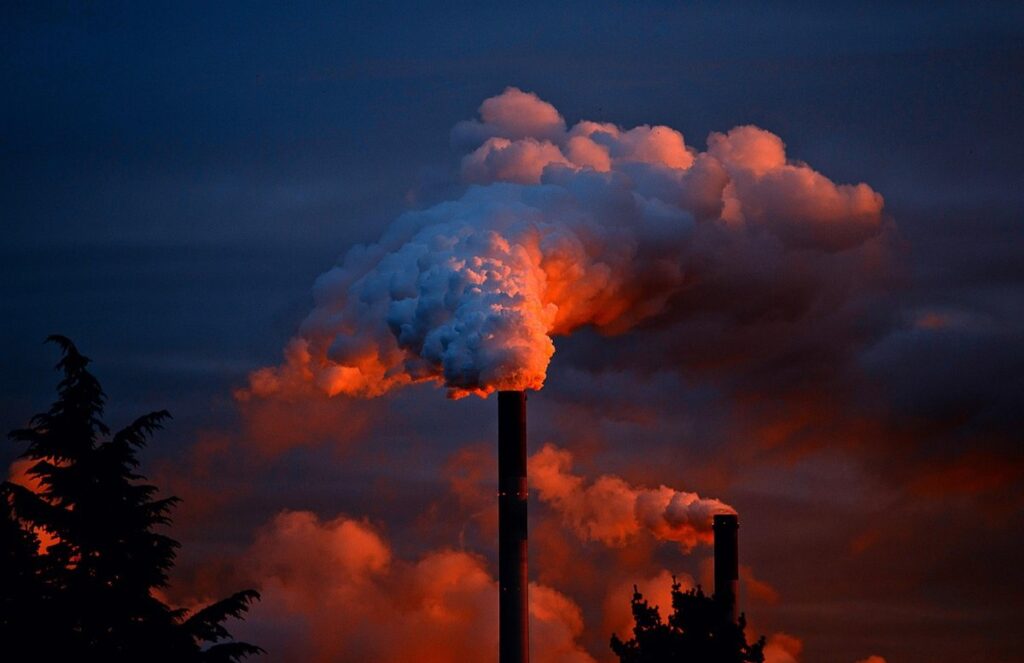
Human activities are a primary contributor to environmental pollution. Industrialization, for instance, generates significant amounts of waste and emissions. Factories release pollutants into the air and water, harming ecosystems and human health. Deforestation also plays a crucial role, as trees absorb carbon dioxide during photosynthesis and produce oxygen. When forests are cleared, this process is disrupted, leading to increased greenhouse gas levels.
Burning fossil fuels is another major source of pollution. Fossil fuel combustion releases particulate matter, nitrogen oxides, and sulfur dioxide into the atmosphere, exacerbating air quality issues. This not only affects human health but also contributes to climate change by releasing large amounts of carbon dioxide.
Examples of human activities contributing to pollution can be seen in urban areas, where industrial and automotive emissions are particularly high. To mitigate this issue, individuals can make conscious choices such as reducing their reliance on fossil fuels, using public transport or cycling, and supporting companies that adopt sustainable practices. Governments can also implement policies to regulate industrial waste and emissions.
Sources of Air Pollution
Air pollution is a pervasive problem that affects both human health and the environment. One of the primary sources of air pollutants is vehicle emissions. According to the US Environmental Protection Agency (EPA), motor vehicles account for approximately 23% of all nitrogen oxide emissions, a key contributor to smog and ground-level ozone formation. In urban areas, traffic congestion exacerbates this issue, with idling engines releasing additional pollutants.
Industrial processes also play a significant role in air pollution. Factories and power plants emit large quantities of particulate matter, sulfur dioxide, and nitrogen oxides through their operations. The combustion of fossil fuels for electricity generation is a major source of these pollutants. For example, coal-fired power plants release significant amounts of mercury and other toxic heavy metals into the atmosphere.
Agricultural practices are another contributor to air pollution. Livestock farming releases ammonia, a potent greenhouse gas, while crop burning during harvesting can emit particulate matter and volatile organic compounds. To mitigate these effects, individuals can make environmentally conscious choices when shopping for products, such as purchasing locally grown produce or supporting sustainable agriculture initiatives.
Types of Pollution: Air, Water, and Land
Air pollution chokes our cities, while water pollution threatens our oceans and lakes. Next, we’ll examine the devastating effects on land, where pollutants seep into soil and ecosystems.
The Impact of Air Pollution on Human Health and the Environment
Air pollution has a profound impact on both human health and the environment. Respiratory problems are one of the most common issues associated with air pollution. Exposure to poor air quality can trigger conditions like asthma, chronic obstructive pulmonary disease (COPD), and even lung cancer. Cardiovascular disease is also linked to air pollution, as particles in the air can cause inflammation and damage to blood vessels.
Air pollution affects ecosystems and biodiversity in several ways. It can alter the pH levels of soil and water, making it difficult for plants and animals to thrive. The release of greenhouse gases contributes to climate change, which has far-reaching consequences for ecosystems. For example, changes in temperature and precipitation patterns can disrupt delicate balances between species, leading to extinctions.
Some of the key pollutants that contribute to these issues include particulate matter (PM), ozone (O3), nitrogen dioxide (NO2), and sulfur dioxide (SO2). These pollutants can be reduced by implementing emission controls on industrial sources and vehicles. Individuals can also make a difference by using public transportation, carpooling, or driving electric or hybrid vehicles.
Water Pollution and Its Consequences
Water pollution is a pressing concern that affects both human health and the environment. Chemical contamination is one of the primary causes of water pollution, resulting from industrial activities such as textile dyeing, metal processing, and agricultural runoff. These chemicals can contaminate surface waters, posing risks to aquatic life and human consumption.
Eutrophication, another consequence of water pollution, occurs when excess nutrients from fertilizers, sewage, or other sources stimulate the growth of algae. This leads to an overabundance of oxygen-consuming organisms, causing the depletion of dissolved oxygen levels in water bodies. The subsequent death of aquatic life can have a ripple effect throughout ecosystems.
Eutrophication is often caused by agricultural runoff and wastewater discharge from urban areas. For instance, the Mississippi River’s hypoxic zone has been linked to excessive fertilizer use in the Midwest. In addition, sewage overflows during heavy rainfall events contribute significantly to eutrophication problems worldwide.
The Effects of Pollution on Ecosystems and Biodiversity
Pollution not only harms human health but also has a profound impact on ecosystems, causing irreversible damage to delicate balances in nature. We’ll take a closer look at how this affects biodiversity and the consequences that follow.
Habitat Destruction and Fragmentation
Pollution contributes significantly to habitat destruction and fragmentation, leading to a decline in biodiversity and ecosystem disruption. When pollution contaminates soil and water, it can alter the delicate balance of ecosystems, making it difficult for plants and animals to survive. For example, oil spills can smother aquatic life, while agricultural runoff can lead to algae blooms that choke off oxygen.
As habitats are destroyed or fragmented, species that depend on them begin to disappear. This is because many animals rely on specific habitats to find food, shelter, and breeding grounds. When these habitats are disrupted or destroyed, the species that inhabit them are left without a home. In fact, it’s estimated that up to 30% of threatened species can be attributed directly to habitat loss due to pollution.
To mitigate this issue, individuals can support conservation efforts by reducing their use of single-use plastics and buying sustainably sourced products. Governments can also implement policies to regulate industrial activities and protect natural habitats from pollution.
Climate Change and Its Link to Pollution
Climate change is a pressing issue directly linked to pollution. One of the primary contributors to climate change is greenhouse gas emissions from human activities. Pollution plays a significant role in exacerbating these emissions. The burning of fossil fuels for energy releases carbon dioxide and other pollutants into the atmosphere, accelerating global warming.
Industrial processes, such as cement production and steel manufacturing, also emit large amounts of greenhouse gases due to the energy required for these processes. Transportation is another major source of pollution, with vehicles releasing nitrogen oxides, particulate matter, and volatile organic compounds that contribute to climate change.
As a result, rising temperatures lead to more frequent natural disasters like hurricanes, wildfires, and droughts. Climate change also disrupts ecosystems, causing shifts in weather patterns, altering the distribution of plants and animals, and leading to extinction.
To combat this issue, transitioning to renewable energy sources, such as solar or wind power, can significantly reduce greenhouse gas emissions. Individuals can contribute by making eco-friendly lifestyle choices, like using public transport or carpooling, reducing meat consumption, and recycling. Governments and businesses must also implement policies to limit pollution and invest in clean technologies.
Strategies for Reducing Pollution and Promoting Sustainability
Reducing pollution and promoting sustainability requires a multi-faceted approach, from implementing green technologies to changing individual habits. We’ll explore practical strategies that can make a significant difference in protecting our planet’s future.
Individual Actions and Community Initiatives
Individual actions can significantly contribute to reducing pollution and promoting sustainability. One simple yet effective step is reducing energy consumption by turning off lights, electronics, and appliances when not in use. This can be achieved by adopting a habit of switching off devices as soon as they’re finished being used.
In addition to individual actions, community initiatives play a crucial role in promoting sustainability. Local governments and organizations can implement policies and programs that encourage recycling, composting, and reducing waste. For example, some cities have implemented curbside composting programs, allowing residents to easily recycle food waste.
Community-led initiatives such as clean-up events and tree planting projects can also make a significant impact. These events not only raise awareness about pollution but also provide an opportunity for individuals to come together and take collective action. Furthermore, community gardens and urban agriculture projects can help reduce carbon footprints by promoting local food production and reducing transportation emissions.
For instance, the city of Barcelona has implemented a “Superblocks” program, where streets are redesigned to prioritize pedestrian traffic and green spaces, reducing pollution and improving air quality.
Government Policies and Regulations
Government policies and regulations play a crucial role in reducing pollution and promoting environmental protection. In many countries, governments have implemented laws and policies to control emissions, waste management, and conservation efforts. For instance, the Clean Air Act in the United States sets national standards for air quality, while the European Union’s Emissions Trading System (ETS) allows companies to buy and sell permits to emit greenhouse gases.
In addition to these federal regulations, many cities have implemented their own initiatives to reduce pollution. London’s congestion charge, for example, has reduced traffic emissions in the city center by 20%. Similarly, some countries have introduced taxes on plastic bags, carbon emissions, or other pollutants to discourage their use.
Effective government policies also involve collaboration with industries and communities. For instance, companies may be required to adopt sustainable practices, such as using renewable energy sources or implementing recycling programs. Governments can also provide incentives for individuals and businesses to adopt environmentally friendly habits. By combining regulations with education and incentives, governments can create a culture of sustainability that benefits both the environment and society.
Case Studies: Successful Pollution Reduction Efforts
Real-world examples of successful pollution reduction efforts offer valuable lessons and inspiration for individuals, communities, and organizations working to mitigate environmental harm. We’ll examine a few notable case studies that demonstrate what works.
Examples from Around the World
From cities like Copenhagen to nations like Costa Rica, there are numerous examples of successful efforts to reduce pollution and protect the environment. In Copenhagen, for instance, the city’s ambitious goal is to become carbon neutral by 2025. To achieve this, Copenhagen has implemented a range of innovative solutions, including district heating systems that provide over 99% of the city’s heat, as well as large-scale wind farms and solar panels.
In Costa Rica, the government has taken a proactive approach to protecting its natural resources. With over 25% of the country designated as national parks and wildlife refuges, Costa Rica is a leader in conservation efforts. The government has also implemented policies to promote sustainable agriculture, reducing deforestation and protecting biodiversity.
Another notable example can be seen in the city of Medellín, Colombia, which was once one of the most polluted cities in Latin America. After a major cleanup effort, Medellín implemented a range of initiatives aimed at promoting sustainability, including a comprehensive recycling program and a network of bike lanes and public transportation systems.
These examples highlight the importance of integrated approaches to pollution reduction, where government policies are combined with community engagement and individual actions. In each case, the focus has been on finding solutions that balance economic development with environmental protection. By studying these successes, we can learn valuable lessons about what works – and what doesn’t – in efforts to reduce pollution and protect our planet’s natural resources.
Conclusion: Taking Action Against Pollution
Now that you’ve learned about the devastating impact of pollution on our environment, it’s time to think about what actions you can take to make a positive change. We’ll explore ways to get started making a difference today.
Personal Responsibility and Collective Action
As we conclude our exploration of the devastating impact of pollution on the environment, it’s essential to acknowledge that addressing this issue requires a collective effort. While individual actions are crucial, they must be complemented by community-wide initiatives and government policies that promote sustainability.
Personal responsibility plays a vital role in reducing pollution. Every small action counts, from using public transport or carpooling to reduce air pollution, to properly disposing of waste and recycling materials. Making conscious choices about the products we use and buy can also have a significant impact. For instance, choosing products with minimal packaging or those that are made from sustainable materials can help minimize waste and pollution.
However, personal responsibility alone is insufficient to tackle the scale and complexity of environmental pollution. Collective action is necessary to drive meaningful change. This includes community-led initiatives such as clean-up campaigns, tree-planting programs, and education efforts to raise awareness about pollution’s impact.
Government policies and regulations also play a critical role in reducing pollution. Implementing stricter emissions standards for vehicles, enforcing waste management laws, and promoting renewable energy sources can help mitigate the effects of pollution. Furthermore, governments must work with industries to establish sustainable practices and hold corporations accountable for their environmental footprint.
Ultimately, addressing pollution requires a multi-faceted approach that involves individual actions, community initiatives, and government policies working in tandem. By acknowledging our personal responsibility and taking collective action, we can begin to reverse the devastating impact of pollution on the environment.
Frequently Asked Questions
What if I live in an area with limited public transportation options? How can I still reduce my carbon footprint?
You don’t need to rely on public transportation to make a difference. Consider carpooling or using ride-sharing services, adjusting your work schedule to avoid rush hour, or even starting a community bike-share program. Every small change counts, and these alternatives can significantly reduce emissions.
How do I know if the products I’m buying are contributing to pollution?
Look for certifications like “eco-friendly” or “sustainable,” but don’t rely solely on labels. Research the company’s practices, read reviews, and check their environmental policies. You can also opt for products with minimal packaging, buy in bulk, and choose items made from recycled materials.
Can I really make a difference as an individual, or is it just too late?
Every small action counts, and collective efforts can lead to significant change. Individual actions like reducing energy consumption, using public transportation, or adopting sustainable practices may seem insignificant on their own, but when combined with the efforts of others, they can create a substantial impact.
What if I’m not sure how to implement sustainability measures in my community? Where do I start?
Begin by identifying key areas for improvement and building a team of like-minded individuals. Research successful local initiatives and policies that have made a positive impact. Collaborate with local businesses, government officials, or environmental organizations to create a comprehensive plan and allocate resources effectively.
Can pollution reduction efforts conflict with economic growth? How do I balance these competing interests?
While it’s true that some sustainable practices may require upfront investments, they can ultimately lead to long-term cost savings and increased revenue through reduced waste and energy consumption. Governments and businesses must weigh the short-term costs against the long-term benefits of sustainability initiatives, prioritizing eco-friendly policies that promote economic growth while protecting the environment.

