
Transforming your outdoor space into a serene oasis is a dream shared by many, and one way to achieve this is by incorporating the timeless beauty of Japanese rock garden ideas. These tranquil spaces have been a staple of Japanese design for centuries, and it’s easy to see why: a well-planned rock garden can be a peaceful retreat from the stresses of daily life. You may be wondering how to get started with designing your own Japanese rock garden, but with the right planning and maintenance, it’s easier than you think. In this article, we’ll cover the essential elements of a Japanese rock garden, from planning and design to maintenance tips, so you can create your own serene haven. By the end of this article, you’ll be able to plan and maintain your own beautiful Japanese rock garden, perfect for a relaxing escape.
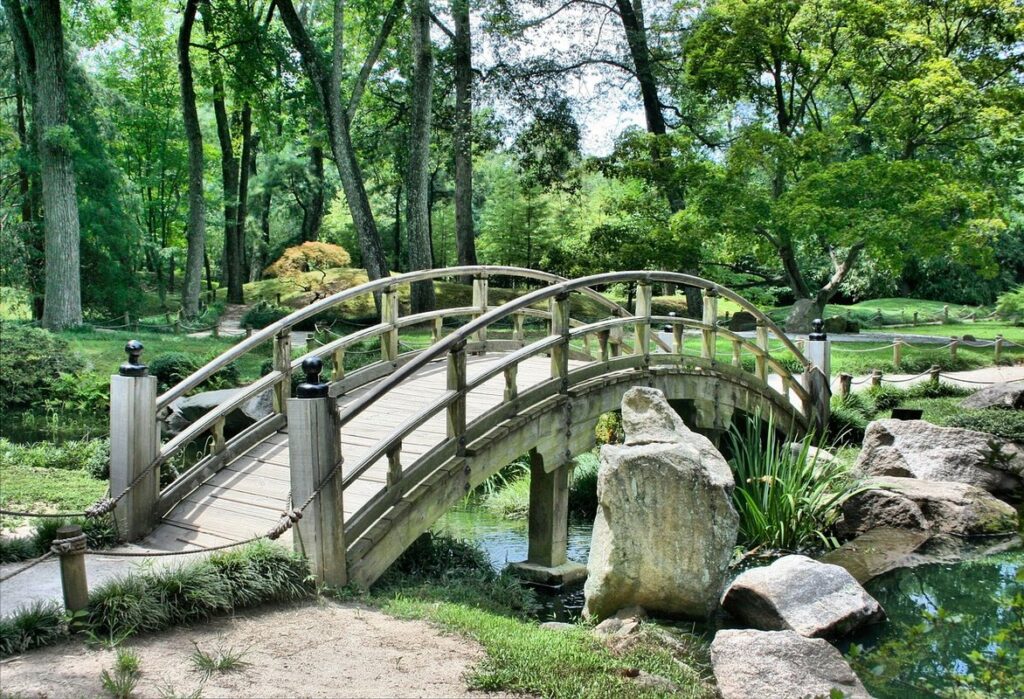
Planning Your Japanese Rock Garden
Now that you have a sense of the serene beauty a Japanese rock garden can bring to your outdoor space, it’s time to plan the perfect design for your own yard. This section will guide you through the key steps to creating a harmonious and balanced space.
Understanding the Concept of a Zen Garden
A Zen garden is a fundamental concept in Japanese culture, deeply rooted in the principles of harmony with nature and the pursuit of inner peace. This type of garden is designed to create a serene atmosphere, where the boundaries between nature and human-made elements are blurred. The focus is not on grandeur or ornamentation, but rather on simplicity, elegance, and the subtle balance between elements.
In a Zen garden, rocks and gravel are carefully arranged to create a sense of rhythm and movement, often incorporating natural elements such as water features, moss, and trees. The rocks themselves are not just decorative, but also symbolic, representing the natural world and the cycles of life and death. The gravel, often raked in a specific pattern, represents the journey of the mind towards enlightenment.
To create a Zen garden in your own outdoor space, consider the importance of negative space – the empty areas between elements. These voids are just as essential as the filled spaces, creating a sense of depth and visual interest. A small, carefully raked gravel area can be just as effective as a larger, more elaborate design, making this style accessible to even the smallest of spaces.
Choosing the Perfect Location for Your Rock Garden
When selecting a location for your rock garden, several key factors come into play. Sunlight is a crucial consideration, as most Japanese rock gardens require at least partial sunlight to prevent moss and algae growth. However, be mindful of direct sunlight, which can cause the rocks and gravel to become scorching hot. Ideally, choose a spot that receives gentle morning sunlight or dappled shade.
Drainage is another essential factor. Japanese rock gardens often feature water features, such as small streams or ponds, which require adequate drainage to prevent waterlogging. Ensure that the location you choose has good drainage to prevent water from accumulating in the garden.
Accessibility is also a vital consideration. You’ll want to be able to easily walk around the garden and maintain it without straining your back. Choose a location that is level and has a clear path for foot traffic. Avoid areas with steep slopes or uneven terrain, as these can be hazardous and difficult to maintain. By considering these factors, you can create a peaceful and serene Japanese rock garden that brings balance and harmony to your outdoor space.
Selecting Rocks and Gravel for Your Garden
When selecting rocks and gravel for your Japanese rock garden, you’ll want to consider a variety of textures, colors, and uses. One of the most important elements in a Japanese rock garden is the arrangement of rocks, which should be carefully chosen to create balance and harmony. For this, you’ll want to look for rocks with different textures, such as smooth, rough, and rounded, to create visual interest. Gravel, on the other hand, is used to fill in gaps between rocks and create a smooth, even surface.
There are several types of rocks commonly used in Japanese rock gardens, including andesite, basalt, and granite. Andesite, for example, has a rough texture and is often used for larger rocks, while basalt is more smooth and is often used for smaller rocks. Granite, meanwhile, is often used for its unique, speckled appearance. When choosing gravel, consider using different colors and textures to add depth and interest to your garden. A mix of dark and light-colored gravel, for example, can create a beautiful contrast that draws the eye to specific areas of the garden.
Designing Your Japanese Rock Garden
To create a serene and peaceful oasis, you’ll need to carefully select the perfect combination of stones, plants, and water features for your Japanese rock garden. This section will guide you through the design process.
Incorporating Symbolic Elements in Your Design
When designing your Japanese rock garden, it’s essential to consider the symbolic elements that will bring depth and meaning to your outdoor space. In traditional Japanese gardens, water features are often used to symbolize the flow of life and the cyclical nature of time. A small pond or babbling brook can create a soothing atmosphere and remind you of the importance of calmness and clarity.
Stepping stones, also known as toro, are another common element in Japanese rock gardens. They typically lead to a serene spot, such as a pagoda or a bonsai tree, and symbolize the journey through life. The number of stones and their arrangement can convey different messages, such as the importance of perseverance or the need for balance.
Bonsai trees, which are carefully trained to thrive in containers, represent the harmony between nature and human intervention. They can symbolize longevity, wisdom, and patience. When choosing a bonsai tree for your rock garden, consider its species, shape, and size to ensure it complements your overall design.
Creating a Balanced Composition
When arranging the various elements of your rock garden, it’s essential to create a balanced and harmonious composition. This means striking a balance between empty space and visual interest, allowing the eye to move freely through the garden. To achieve this, start by placing larger rocks or boulders at the base of the garden, creating a foundation for the rest of the design.
Next, add smaller rocks and pebbles, working your way up to the surface. This will create a sense of layering and depth, drawing the eye upward. Consider the placement of plants and flowers as well, using them to soften the harsh lines of the rocks and create areas of color and texture.
Remember to leave some areas of the garden empty, allowing the eye to rest and creating a sense of calm. A general rule of thumb is to allocate about 60-70% of the garden to rocks and gravel, and 30-40% to plants and other features. By following this guideline, you can create a balanced composition that promotes serenity and contemplation in your outdoor space.
Incorporating Seasonal Interest with Plants and Flowers
When designing a Japanese rock garden, it’s essential to incorporate plants and flowers that provide seasonal interest. This means selecting species that thrive during different times of the year, creating a dynamic and ever-changing landscape. For example, in spring, you can introduce flowering cherry blossoms or azaleas, which bloom for a short period but create a dramatic impact.
Summer brings warmth and the perfect time to plant heat-tolerant species like hydrangeas, hostas, or Japanese anemones. These plants will provide a lush, verdant atmosphere and attract pollinators. As summer gives way to autumn, consider introducing plants with vibrant fall foliage, such as maples, oaks, or birches. Their changing colors will add a warm, golden glow to your rock garden.
For winter, opt for plants with interesting textures, like succulents or evergreen shrubs. These will provide structure and interest even in the cold, darkest months. When selecting plants, remember to choose species that are native to your region and require minimal maintenance. This will ensure your rock garden remains beautiful and low-maintenance throughout the year.
Building and Maintaining Your Japanese Rock Garden
Creating a serene oasis requires more than just selecting the right rocks and plants, so let’s discuss the essential steps to building and maintaining your Japanese rock garden.
Preparing the Site and Laying the Foundation
Excavating the site for your Japanese rock garden requires careful planning to ensure a stable and harmonious environment for the rocks and gravel. Begin by marking out the area where the garden will sit, taking care to leave enough space for the design to breathe. Next, use a shovel to dig a shallow trench around the perimeter, about 6-8 inches deep. This will create a barrier to prevent weeds from encroaching on the garden.
Grading the site is crucial to creating a smooth, even surface. Use a rake to level the soil, working from the highest point to the lowest. This will also help to prevent water from accumulating in low-lying areas, which can lead to erosion and damage to the rocks. Installing a drainage system, such as a French drain, can also help to alleviate water issues and ensure the stability of the garden.
When excavating and grading, keep in mind the importance of drainage in a Japanese rock garden. Aim to create a gentle slope that allows water to flow freely, rather than pooling in one area. A smooth, even surface will also help to create a sense of calm and serenity, essential to the Zen aesthetic of the garden.
Installing the Rock and Gravel Features
When installing the rock and gravel features in your Japanese rock garden, it’s essential to start by preparing the base layer. Begin by laying down a 2-3 inch layer of compacted gravel, which will serve as the foundation for your rock arrangement. Use a plate compactor or a hand tamper to ensure the gravel is evenly spread and firmly in place. This will prevent settling and shifting over time.
Next, add the decorative gravel or pea gravel on top, using a rake to spread it evenly. Compact the top layer again to prevent settling. To finish the gravel surface, use a broom or a specialized rock rake to create a smooth, even texture. Avoid using a leaf blower or other machinery that can disturb the gravel.
Tips for achieving a seamless finish include using a combination of large and small rocks, and varying the depth of the gravel layers. This will create a visually appealing and dynamic arrangement. Additionally, consider using a geotextile fabric under the gravel to prevent weeds and stabilize the soil.
Ongoing Maintenance and Care
To maintain the serenity and harmony of your Japanese rock garden, regular care is essential. Start by pruning plants seasonally to encourage healthy growth and prevent overgrowth. For example, prune conifers in late winter or early spring, while deciduous shrubs can be pruned in late winter or early spring before new growth begins. Remove any dead or dying branches to prevent the spread of disease and pests.
Regularly clean the gravel by raking it gently to remove any debris or dirt that may have accumulated. This not only keeps the gravel looking its best but also helps to prevent weeds from growing. Check the gravel frequently, especially after heavy rainfall or snowmelt, to catch any issues before they become major problems.
Monitor your rock garden for pests and diseases, and take action promptly if you notice any issues. For example, aphids and whiteflies can be controlled with insecticidal soap, while fungal diseases can be treated with fungicides. Regularly inspect your garden for signs of pests or diseases, such as holes in leaves or unusual growth patterns.
Adding Finishing Touches to Your Japanese Rock Garden
Once you’ve selected and placed the main rocks in your garden, it’s time to think about the finishing touches that will bring your design together in harmony with nature.
Incorporating Lighting and Water Features
To create a sense of ambiance and tranquility in your Japanese rock garden, consider incorporating lighting and water features. Soft, warm lighting can highlight the texture and beauty of the rocks, while also creating a sense of depth and dimension. Solar-powered lights or lanterns are popular options, as they are energy-efficient and can be easily placed around the garden.
Water features, such as small fountains or bubbling brooks, can add a soothing and calming element to the space. A small pond or water basin can also be used to create a sense of reflection and serenity. When designing your water feature, consider the sound and visual impact you want to create. For example, a gentle trickle of water can be more calming than a loud fountain.
Some key considerations when incorporating lighting and water features include:
- Energy efficiency: Choose solar-powered or low-voltage options to minimize your environmental impact.
- Scale: Balance the size of your lighting and water features with the size of your garden.
- Placement: Position lighting and water features thoughtfully to create visual interest and ambiance.
- Maintenance: Regularly clean and maintain your lighting and water features to ensure they remain functional and visually appealing.
Adding Decorative Elements and Accents
When it comes to adding decorative elements and accents to your Japanese rock garden, the possibilities are endless. Start by considering the overall aesthetic you want to achieve. For a traditional Japanese rock garden, lanterns are a timeless choice, providing soft, warm light after dark. Look for lanterns with a simple, understated design that won’t compete with the beauty of the rocks and gravel.
Other decorative elements, such as sculptures and garden ornaments, can add a touch of personality to your rock garden. For example, a beautifully crafted bronze or ceramic sculpture can create a sense of visual interest and break up the repetition of rocks and gravel. When choosing ornaments, opt for pieces that reflect the natural beauty of the garden, such as wind chimes or small water features.
Some popular decorative elements to consider include:
- Handmade ceramic or stone lanterns
- Bronze or copper sculptures of natural forms, such as leaves or birds
- Wind chimes or small bells to create a soothing sound
- Small water features, such as a babbling brook or a small fountain
Creating a Sense of Depth and Dimension
To create a sense of depth and dimension in your Japanese rock garden, consider using perspective to guide the viewer’s eye through the space. One way to achieve this is by creating a visual pathway using strategically placed rocks or gravel. For example, you can arrange a series of small stones leading the eye to a larger boulder or a focal point in the garden. This technique creates a sense of journey and invites the viewer to explore the space.
Texture also plays a crucial role in creating depth and dimension. Incorporate a variety of textures, such as smooth river rocks, rough-hewn granite, and weathered wood, to add visual interest and depth to the garden. Consider using a combination of matte and glossy finishes to create contrast and visual tension.
Color is another essential element in creating a sense of depth and dimension. Use a palette of muted earth tones, such as greens, browns, and grays, to create a sense of harmony and balance. Consider adding pops of color through strategically placed plants or decorative accents to draw the eye to specific areas of the garden.
Frequently Asked Questions
How Do I Decide Which Type of Rocks and Gravel to Use for My Specific Climate?
The type of rocks and gravel you choose will depend on your climate and the amount of foot traffic your garden will receive. For example, if you live in a region with high humidity, you may want to use rocks and gravel that are resistant to moss and algae growth. Consider using rocks with a rough texture to prevent slipping and falling, especially on slopes or in areas with heavy foot traffic.
Can I Use Existing Plants in My Yard for My Japanese Rock Garden, or Do I Need to Buy New Ones?
Yes, you can use existing plants in your yard for your Japanese rock garden, but consider the size and shape of the plants, as well as their growth habits. Make sure they fit with the design and balance of your garden. Also, consider pruning or shaping the plants to fit your design, and be mindful of their maintenance needs.
What If I Want to Incorporate a Water Feature, But I Have Limited Space and Budget?
Yes, you can still incorporate a water feature into your Japanese rock garden, even with limited space and budget. Consider using a small, shallow pond or a birdbath as a water feature. You can also use a small water fountain or a misting system to create a sense of water without taking up too much space.
How Do I Balance the Maintenance Needs of My Plants and the Gravel in My Japanese Rock Garden?
To balance the maintenance needs of your plants and gravel, consider using plants that require minimal maintenance and can thrive in the gravel environment. For example, succulents and sedums are great options for Japanese rock gardens because they are low-maintenance and can tolerate dry conditions. Regularly raking the gravel and pruning the plants will also help maintain a balanced and harmonious composition.
Can I Mix Different Types of Gravel and Rocks in My Japanese Rock Garden, or Should I Stick to One Type?
Yes, you can mix different types of gravel and rocks in your Japanese rock garden to create visual interest and depth. Just be sure to choose materials that are complementary in texture, color, and size. Mixing different materials can also help to create a sense of movement and energy in your garden.

