
The UK’s stunning coastline is a haven for walkers and nature lovers, with a wealth of scenic trails that showcase its breathtaking beauty. From the rugged cliffs of Scotland to the golden sands of Wales, the country’s coastline offers a diverse range of landscapes and experiences. Whether you’re a seasoned hiker or just looking for a leisurely stroll, the UK’s coastal walks have something for everyone. The South West Coast Path, one of the most famous long-distance walks in the UK, stretches over 630 miles from Somerset to Dorset, while the Causeway Coastal Path in Northern Ireland winds its way along the Antrim Coast. In this article, we’ll explore some of the best coastal walks in the UK, highlighting the top trails and routes that are a must-visit for any outdoor enthusiast. By the end of this guide, you’ll be equipped with the knowledge to plan your next coastal adventure and make the most of the UK’s incredible coastal scenery.
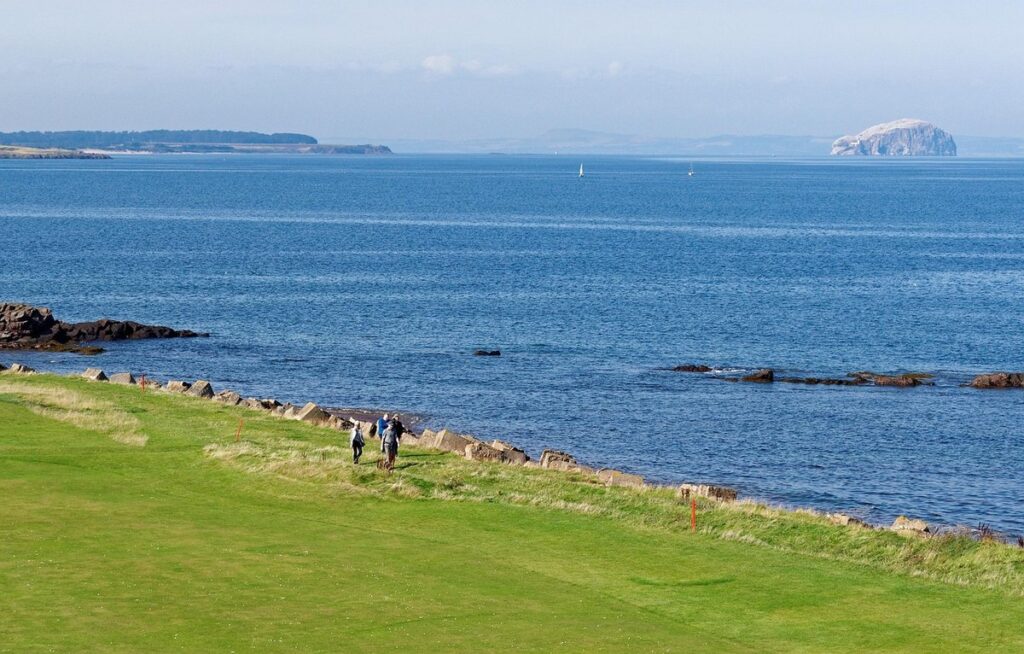
The Best Coastal Walks in England
From the white cliffs of Dover to the rugged coastline of Cornwall, England’s coastline boasts some of the most stunning and accessible walks in the country. Here are some of our top picks for a scenic stroll.
1. South West Coast Path, Devon and Cornwall
The South West Coast Path is one of the UK’s most iconic and extensive coastal walks, spanning over 630 miles from Minehead in Somerset to Poole in Dorset. This well-trodden path takes you through the picturesque counties of Devon and Cornwall, showcasing the region’s rugged coastline, hidden coves, and picturesque villages. As you walk, you’ll have the opportunity to spot an array of seabirds, including gulls, guillemots, and even puffins.
One of the standout features of the South West Coast Path is its diverse landscape. You’ll navigate through towering cliffs, sandy beaches, and tranquil estuaries, each with its own unique character. Be sure to take a detour to explore the stunning Lundy Island, a haven for wildlife enthusiasts and nature lovers. Another highlight is the breathtaking views from the iconic Land’s End, the southwesternmost tip of England.
Practical tips for tackling the South West Coast Path include allowing at least two weeks to complete the journey, breaking it down into manageable sections, and being prepared for unpredictable weather. With its stunning scenery, rich history, and diverse wildlife, the South West Coast Path is an unforgettable experience for walkers of all levels.
2. Cleveland Way, North York Moors and Coast
The Cleveland Way is a 109-mile National Trail that spans the North York Moors and the stunning coastline of North Yorkshire. This iconic walk offers breathtaking views of the Yorkshire coastline, with towering cliffs, hidden coves, and picturesque villages. The trail takes you through a diverse range of landscapes, from the heather-covered moors to the scenic valleys and woodlands.
One of the most scenic sections of the Cleveland Way is the stretch from Filey to Scarborough, which offers stunning views of the Yorkshire coastline. This section is approximately 12 miles long and takes you through some of the most beautiful coastal scenery in the country. As you walk, keep an eye out for the iconic Filey Brigg, a scenic headland with breathtaking views of the sea.
For walkers, the Cleveland Way offers a range of challenges and rewards. The terrain is varied, with some steep ascents and descents, but the scenery is well worth the effort. With its rich history and cultural heritage, the Cleveland Way is a must-do for anyone looking to explore the best of England’s coastline.
3. Northumberland Coast Path, Northumberland National Park
The Northumberland Coast Path is a 103-kilometer route that spans the stunning coastline of Northumberland National Park. Established in 2006, this path has become a favorite among hikers and walkers seeking to explore the region’s unique landscapes and rich history. The path begins in the town of Cresswell and stretches northwards to the Scottish border, passing through picturesque villages, sandy beaches, and rugged cliffs.
To navigate the Northumberland Coast Path, it’s essential to plan ahead. The path is generally well-marked, but some sections can be challenging to follow, especially in areas with high winds and rough terrain. Bring a map, compass, and GPS device to help you stay on track. Additionally, be mindful of tide times, as some sections of the path may be inaccessible during high tide.
The path offers breathtaking views of the North Sea, as well as opportunities to spot wildlife such as seals, dolphins, and puffins. Be sure to take breaks to enjoy the scenery and rest at one of the many picturesque villages along the way. With its unique blend of natural beauty and rich history, the Northumberland Coast Path is a must-visit for any walker or hiker seeking to explore the best of England’s coastline.
Discovering Scotland’s Stunning Coastlines
Scotland’s rugged coastline offers some of the most breathtaking scenery, from the iconic Old Man of Hoy to the windswept shores of the Orkney Islands. Get ready to explore the country’s hidden gems.
1. West Highland Way, Glasgow to Fort William
The West Highland Way is a 96-mile trail that stretches from Glasgow to Fort William, but it’s often misunderstood as a coastal walk. While it’s not strictly a coastal route, it does pass through some of Scotland’s most dramatic landscapes, including the shores of Loch Lomond and Loch Etive. As you make your way north, the scenery shifts from rolling hills to rugged mountains, with the iconic Glencoe and the Three Sisters of Bidean nam Bian making appearances along the way.
Walkers often stop at popular spots like Inverarnan and Bridge of Orchy, where they can refuel and take in the views. The West Highland Way is also a great opportunity to spot wildlife, including red deer, golden eagles, and even the occasional otter. With its stunning scenery and rich history, the West Highland Way is a must-do for any hiker or nature lover. If you’re planning to tackle this trail, be sure to book accommodations in advance, especially during peak season. With some careful planning, you can enjoy the best of Scotland’s scenic shores on this iconic route.
2. Cape Wrath Coastal Path, Scottish Highlands
The Cape Wrath Coastal Path is a 29-mile route that stretches from Duncansby Head in the east to Cape Wrath in the west, making it the most northerly point in the UK. The path traverses rugged terrain, including heather-covered moors, rocky headlands, and sandy beaches. One of the main challenges of this path is its exposed nature, with walkers facing strong winds, rain, and potential mist. However, the breathtaking views of the Atlantic Ocean and surrounding landscape make it a truly unforgettable experience. The path is generally considered challenging, with some steep ascents and descents. The terrain is also rough in places, with uneven paths and rocky outcrops. It’s essential to be well-prepared and equipped with sturdy footwear, waterproof clothing, and a map and compass. The path is relatively remote, and walkers should be self-sufficient and aware of the potential for poor mobile phone signal. To make the most of the experience, walkers should also be prepared for changing weather conditions and have a good level of physical fitness.
3. The Kintyre Way, Kintyre Peninsula
The Kintyre Way, a 100km trail that spans the length of the Kintyre Peninsula in western Scotland, is a must-do for any coastal walking enthusiast. The route, which takes around 6-8 days to complete, has a rich history dating back to the 19th century when it was used as a military road. Today, walkers can follow in the footsteps of those who traveled this route, taking in the stunning coastal scenery and picturesque villages along the way.
As you make your way along the Kintyre Way, be sure to stop at the iconic Mull of Kintyre, a rugged headland with breathtaking views of the Atlantic Ocean. You’ll also pass through the charming fishing village of Campbeltown, with its historic harbor and bustling town center. Other must-see attractions include the picturesque beaches of Westport, the ancient monument of the Kilmory Knap Chapel, and the stunning views from the top of the Beinn Ghuilean hill.
Walkers can choose from a range of accommodation options along the route, from cozy B&Bs to self-catering cottages. Be sure to book ahead, especially during peak season. The Kintyre Way is a truly unique and unforgettable walking experience, with its rich history, stunning scenery, and warm Scottish welcome.
Wales’ Breathtaking Coastal Walks
From the rugged Pembrokeshire Coast to the stunning Anglesey coastline, Wales offers a diverse array of breathtaking coastal walks that are a must-explore for any outdoor enthusiast. Whether you’re a seasoned hiker or a casual stroller.
1. Offa’s Dyke Path, Welsh Marches
The Offa’s Dyke Path is a 177-mile trail that meanders through the Welsh Marches, a historic region that once formed the border between Wales and England. As one of the most famous Roman earthworks in the world, Offa’s Dyke offers a unique blend of history and natural beauty. The path follows the course of the ancient dyke, a 8th-century earthwork constructed by King Offa of Mercia to mark the border between his kingdom and the Welsh kingdom of Powys. Today, walkers can follow the dyke’s serpentine path through rolling hills, woodlands, and picturesque villages.
The path offers a diverse range of landscapes, from the Severn Valley to the Clwydian Range, and passes through several picturesque towns and villages, including Chirk and Prestatyn. Along the way, walkers can enjoy stunning views of the Welsh countryside, spot a variety of wildlife, and explore the region’s rich history and heritage. With its mix of history, scenery, and cultural interest, the Offa’s Dyke Path is a must-do for any walker exploring the Welsh Marches.
2. Anglesey Coastal Path, Isle of Anglesey
The Anglesey Coastal Path, located on the Isle of Anglesey, is a 125-mile (201 km) trail that takes you through a diverse range of landscapes. The path’s unique geology is shaped by the island’s volcanic history, resulting in a mix of rugged cliffs, sandy beaches, and rocky shores. You’ll have the opportunity to see a variety of wildlife, including seals, dolphins, and seabirds, particularly during the spring and summer months.
One of the highlights of the Anglesey Coastal Path is the chance to spot the iconic Puffin, a seabird that nests on the island’s rocky outcrops. Keep an eye out for the rare Red Kite, which can be seen soaring overhead. As you walk, you’ll also notice the patchwork of farmland and coastal heath, which provides a haven for a range of plant species, including the rare and endangered Anglesey poppy.
When planning your walk, consider the best time to spot wildlife. The spring months (March to May) are ideal for seeing seabirds, while the summer months (June to August) are the best time to spot seals and dolphins. Be sure to bring binoculars to get a closer look at the island’s marine life.
3. Llyn Coastal Path, Llyn Peninsula
The Llyn Coastal Path is a 92km trail that winds its way through the stunning Llyn Peninsula in northwest Wales. As you walk, you’ll be treated to breathtaking views of the Irish Sea, the Snowdonia mountains, and the picturesque villages that dot the coastline. The path takes you through a variety of landscapes, from rugged cliffs and sandy beaches to rolling hills and wooded valleys. Along the way, you’ll have opportunities to spot seabirds, dolphins, and even seals.
One of the highlights of the Llyn Coastal Path is the chance to experience the unique culture of the Llyn Peninsula. You’ll pass through the villages of Abersoch and Aberdaron, where you can sample local seafood, visit ancient churches, and explore the region’s rich history. Be sure to try some of the local Welsh cuisine, including fresh fish, lamb, and traditional Welsh cakes. The path also takes you through the beautiful Porth Iago beach, a secluded cove with crystal-clear waters and a picturesque village pub.
Northern Ireland’s Coastal Treasures
The rugged coastline of Northern Ireland is home to some of the UK’s most breathtaking scenery, where towering cliffs meet sparkling sea. Let’s discover its hidden gems.
1. Causeway Coastal Path, County Antrim
The Causeway Coastal Path in County Antrim, Northern Ireland, is a 32-mile route that showcases the region’s breathtaking natural beauty and iconic landmarks. One of the path’s most striking features is the stunning coastline itself, with towering cliffs, hidden coves, and secluded beaches. The path also passes through the famous Carrick-a-Rede Rope Bridge, which connects the mainland to a tiny island and offers heart-stopping views of the Atlantic Ocean.
As you walk, keep an eye out for the unique geology of the area, including the distinctive basalt columns of the Giant’s Causeway. This natural wonder, a UNESCO World Heritage Site, is a must-see for any visitor to the area. The path also passes through the picturesque villages of Ballintoy and Ballycastle, where you can refuel with local seafood and hospitality.
To make the most of your walk, be sure to check the tide times and plan your route accordingly. The path can be challenging in places, with steep inclines and uneven terrain, so wear sturdy hiking boots and bring plenty of water and snacks. With its stunning scenery and iconic landmarks, the Causeway Coastal Path is a must-do for any coastal walker in Northern Ireland.
2. Slieve Donard Way, Mourne Mountains and Coast
The Slieve Donard Way is a 32km trail that winds its way through the stunning Mourne Mountains and along the coast of County Down. The route offers breathtaking views of the Irish Sea and the surrounding landscape, with the majestic Slieve Donard mountain towering above. However, this walk is not for the faint of heart – the terrain is challenging, with steep ascents and descents, and the trail can be slippery and uneven in places.
One of the highlights of the Slieve Donard Way is the opportunity to see the famous Mourne Wall, a 35km long stone wall that was built in the early 20th century to enclose the mountain grazing land. The wall is a testament to the region’s rich history and is a must-see for walkers. The route also passes through the beautiful Rostrevor Forest, where walkers can enjoy the tranquil surroundings and spot a variety of wildlife.
If you’re planning to tackle the Slieve Donard Way, be sure to wear sturdy hiking boots and bring plenty of water and snacks. The trail can be completed in around 8-10 hours, depending on your pace and the amount of time you spend taking in the views. It’s also worth noting that the trail can be muddy and slippery in places, so be sure to check the weather forecast and trail conditions before you set out.
3. Mourne Coastal Path, County Down
The Mourne Coastal Path in County Down, Northern Ireland, offers a unique walking experience amidst the rugged landscape of the Mourne Mountains. The path’s geology is characterized by ancient granite and basalt rock formations, which have been shaped by millions of years of erosion. Hikers can expect to traverse narrow coastal routes, ascend steep hills, and descend into secluded coves.
As you walk, keep an eye out for the region’s rich geological history, evident in the distinctive rock formations and exposed strata. Local legends also abound, with tales of mythical creatures said to inhabit the area. One of the most famous stories is that of the Mermaid of the Mournes, a mythical creature said to lure sailors to their doom.
In terms of practical advice, the Mourne Coastal Path can be challenging due to its rugged terrain and unpredictable weather. Be sure to check the weather forecast before embarking on your walk and to pack accordingly. Additionally, consider bringing a map and compass or GPS device to ensure you stay on track. With its stunning natural beauty and rich cultural heritage, the Mourne Coastal Path is a must-do for any coastal walker.
Tips and Essentials for Your Coastal Walk
Before you head out on your coastal walk, make sure you’re prepared with the right gear and knowledge to stay safe and comfortable. Pack these essentials to ensure a stress-free stroll.
1. Planning and Preparation: Essential Gear and Safety Considerations
When embarking on a coastal walk in the UK, preparation is key. You’ll want to pack essential gear to ensure a safe and enjoyable experience. Start with a comfortable pair of hiking boots or shoes, suitable for walking on uneven terrain and potentially wet surfaces. Don’t forget to bring waterproof clothing, a breathable jacket, and warm layers for cooler weather. A map, compass, and GPS device or smartphone with a GPS app will help you navigate the route.
Safety considerations are equally important. Always check the tide times and weather forecast before setting out. Be aware of any warning signs or notices along the route, and take heed of local advice. When walking near the coast, be mindful of your surroundings and watch out for potential hazards such as cliffs, steep drop-offs, and strong currents. Bring a first-aid kit and know basic first-aid techniques. Finally, let someone know your planned route and expected return time, and consider carrying a personal locator beacon (PLB) or satellite phone if you’ll be walking in remote areas.
2. Accommodation and Food: Options for Walkers and Local Recommendations
When planning your coastal walk, finding the right accommodation and knowing where to refuel are crucial considerations. You’ll want to opt for places that offer a warm welcome, clean facilities, and convenient access to your walk’s starting or finishing points.
For walkers, B&Bs and guesthouses often provide the best value, with many situated in charming coastal villages or towns. These smaller establishments usually offer a more personal touch and a hearty breakfast to set you off on your day. In some areas, you might also find purpose-built walker-friendly accommodations, which cater specifically to the needs of hikers and offer amenities like drying rooms and secure storage for your gear.
When it comes to local cuisine, you’re in for a treat. Fresh seafood is a staple of many coastal towns, and you can enjoy it in a variety of settings, from beachside cafes to Michelin-starred restaurants. Some popular options for walkers include traditional fish and chips shops, which often serve up mouth-watering portions at affordable prices. For a more leisurely experience, try a local pub or cafe, where you can enjoy a warm meal and take in the views of the sea.
3. Accessibility and Inclusivity: Making Coastal Walks Accessible to All
Coastal walks in the UK can be enjoyed by people of all abilities, but it’s essential to consider accessibility features and inclusivity initiatives to ensure that everyone can participate. Many coastal paths have improved their accessibility over the years, but there’s still room for improvement.
Some notable initiatives include the ‘Dogs on Leads’ policy on the South West Coast Path, which allows assistance dogs to accompany walkers, and the ‘Accessible Walks’ guide on the National Trust website, which highlights routes suitable for people with mobility impairments.
For walkers with disabilities, it’s crucial to plan ahead and research accessible routes. Look for paths with gentle gradients, wide surfaces, and minimal obstacles. The Ramblers’ ‘Accessible Walks’ program is an excellent resource, offering guided walks and itineraries specifically designed for walkers with mobility impairments.
When exploring coastal walks, consider the following:
- Check the path’s surface and gradient before setting out
- Bring a companion if possible, and let them know your accessibility needs
- Don’t be afraid to ask for assistance or advice from local authorities or walking groups
- Be mindful of tide times and weather conditions, which can affect path accessibility
By being prepared and aware of accessibility features, walkers with disabilities can enjoy the UK’s stunning coastal scenery with confidence.
Frequently Asked Questions
Can I do a coastal walk in the UK with a mobility issue?
Yes, many coastal walks in the UK are accessible to walkers with disabilities, thanks to initiatives like the Disability Discrimination Act and the inclusion of accessibility features in trail design. For example, some sections of the South West Coast Path have wheelchair-accessible paths and viewpoints. Always check the trail’s accessibility features and plan ahead to ensure a smooth and enjoyable experience.
How long do coastal walks in the UK typically take, and what’s a realistic daily distance?
The length of a coastal walk in the UK can vary greatly, from short day walks to multi-day treks. A realistic daily distance is around 15-20 miles (24-32 km), but this can be adjusted to suit your fitness level and schedule. Consider breaking up longer walks into shorter sections with accommodation and food stops in between.
What if I’m on a tight budget, and I want to do a coastal walk in the UK without spending too much?
You can still enjoy a coastal walk in the UK on a budget. Consider camping or staying in budget-friendly accommodation, cooking your own meals, and using public transportation to get to and from the trailhead. Many coastal walks also offer free or low-cost parking and facilities, so be sure to research and plan ahead to make the most of your trip.
Can I bring my dog on a coastal walk in the UK, and what are the rules?
Yes, many coastal walks in the UK allow dogs, but it’s essential to check the trail’s dog policy and any local restrictions before bringing your furry friend along. Some trails may require you to keep your dog on a lead, while others may have specific rules about dog waste disposal or access to certain areas. Always clean up after your dog and follow local guidelines to ensure a safe and enjoyable experience for both you and other trail users.
How can I know if a coastal walk in the UK is suitable for my skill level and experience?
Check the trail’s difficulty rating and description, and consider consulting with local walking groups or experts for advice. Many coastal walks also offer guided tours or self-guided routes with varying levels of difficulty, so be sure to choose a route that suits your experience and fitness level. Don’t be afraid to ask for help or advice along the way – many walkers and locals are happy to share their knowledge and expertise.

