
Most people associate a pleasant aroma with a clean and healthy living space. But did you know that many conventional air fresheners can actually compromise indoor air quality? Chemicals in these products can release toxic fumes, exacerbating respiratory issues and even triggering allergic reactions. This is especially concerning for households with young children or pets, where exposure to pollutants can have long-term health consequences. In this article, we’ll explore the risks associated with traditional air fresheners and provide you with practical tips on how to create and choose non-toxic alternatives that promote healthier indoor air quality. By learning more about these safer options, you’ll be able to breathe easier in your home and enjoy a fresher, cleaner living space without the health risks.
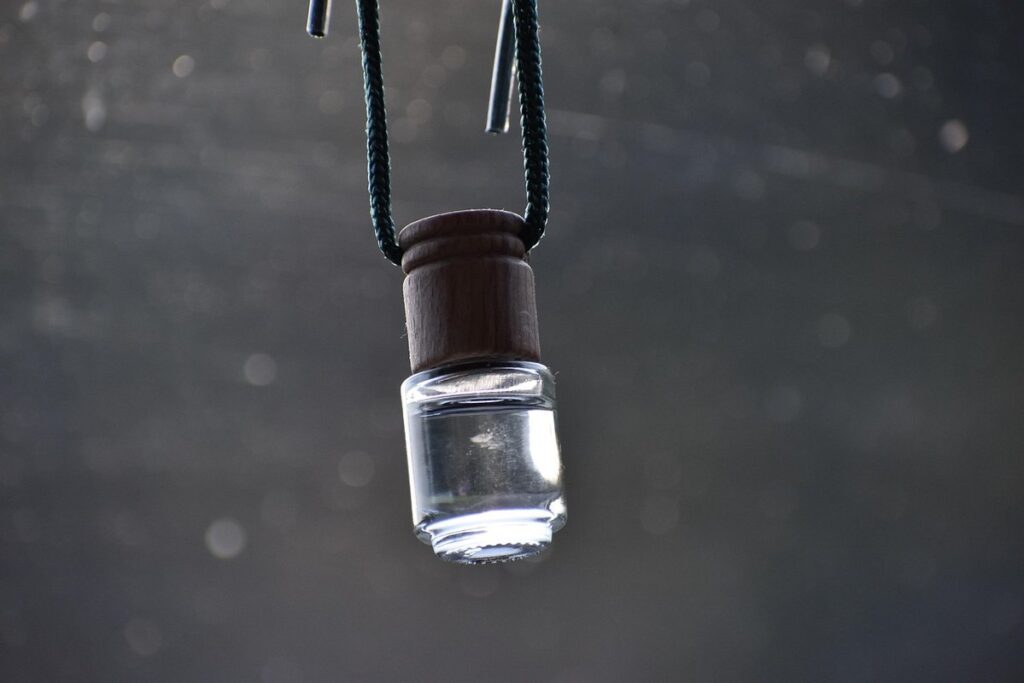
Benefits and Importance of Non-Toxic Air Fresheners
Now that we’ve explored the options for non-toxic air fresheners, let’s look at why it matters to choose a safer alternative for your home.
Understanding the Risks of Traditional Air Fresheners
Traditional air fresheners often contain a cocktail of chemicals that can have serious health implications. These products typically emit volatile organic compounds (VOCs), which are known to exacerbate respiratory issues like asthma and contribute to the development of other breathing problems. When sprayed or diffused, these VOCs release into the air, where they can be inhaled by occupants.
The most hazardous chemical emissions from traditional air fresheners include phthalates, acetone, and limonene. Phthalates have been linked to reproductive issues, including birth defects and fertility problems. Acetone, a common solvent, can cause dizziness, headaches, and nausea. Limonene, often used in fragrances, has been shown to cause skin irritation and allergies.
Prolonged exposure to these chemicals can lead to long-term effects like cancer, neurological damage, and hormone disruption. Children, pregnant women, and people with compromised immune systems are particularly vulnerable to the adverse health impacts of traditional air fresheners. To minimize risks, consider opting for non-toxic alternatives or using essential oils in a well-ventilated area.
The Impact of Indoor Air Quality on Health
Poor indoor air quality can have far-reaching consequences for our overall well-being. For individuals with asthma, exposure to pollutants like particulate matter, nitrogen dioxide, and volatile organic compounds (VOCs) can trigger attacks and exacerbate symptoms. This is because these particles can lodge deep in the lungs, causing inflammation and constriction of airways.
Allergies are another area where indoor air quality plays a critical role. Many common household products, such as cleaning sprays, paint, and adhesives, contain allergens like fragrances, dyes, and formaldehyde. When these chemicals off-gas into the air, they can trigger allergic reactions in sensitive individuals.
Cognitive function is also impacted by indoor air quality. Research suggests that exposure to certain pollutants, particularly VOCs, can impair memory, attention, and processing speed. This is because these chemicals can affect neurotransmitters like acetylcholine, which are essential for healthy brain function. To minimize risks, it’s essential to use non-toxic air fresheners in the home, opting for products that rely on natural fragrances or essential oils instead of synthetic perfumes.
Identifying Non-Toxic Ingredients in Home Air Fresheners
When choosing non-toxic home air fresheners, it’s essential to read labels carefully and identify potentially hazardous ingredients that can harm your health and indoor environment. Let’s take a closer look at common culprits to avoid.
Natural Fragrance Options for Non-Toxic Air Fresheners
When it comes to creating non-toxic air fresheners, one of the most critical components is fragrance. Conventional air fresheners often rely on synthetic fragrances, which can release harsh chemicals into the air. Fortunately, there are several natural sources of fragrance that can be used in their place.
Essential oils are a popular choice for adding a pleasant scent to home air fresheners. These highly concentrated plant extracts come with a unique set of benefits and considerations. For example, some essential oils like tea tree oil have antimicrobial properties that can help eliminate odors at the source. However, others like lavender oil may not be as effective against strong smells.
Other natural fragrance options include absolutes and CO2 extracts. These products are made from the entire plant material, giving them a richer, more complex scent than essential oils. They’re often used in high-end perfumery and can add depth to homemade air fresheners.
When selecting a natural fragrance source, make sure to choose one that’s suitable for your specific needs. Consider the type of odor you’re trying to eliminate and the scent profile you prefer.
Common Non-Toxic Ingredients Used in Home Air Fresheners
When it comes to creating non-toxic home air fresheners, you’ll often find plant-based ingredients used as alternatives to harsh chemicals. One common example is essential oils, which are extracted from plants and can provide a pleasant scent while being free of toxins. Some popular essential oils for air freshening include lavender, lemon, and eucalyptus.
Mineral-based ingredients, such as baking soda and activated charcoal, also make effective non-toxic additives to home air fresheners. Baking soda, in particular, is known for its odor-neutralizing properties and can be used to absorb and eliminate unpleasant smells. When using essential oils or mineral-based ingredients, it’s essential to use them in moderation, as excessive amounts can still cause sensitivities or allergic reactions.
Some plant-based ingredients commonly used in non-toxic home air fresheners include rose petals, orange blossoms, and chamomile flowers. These ingredients not only provide a pleasant scent but also offer potential benefits such as reducing stress and promoting relaxation. When choosing plant-based ingredients, opt for those that are certified organic or sustainably sourced to ensure they meet your standards for non-toxicity.
DIY Non-Toxic Home Air Freshener Recipes
Now that you know the basics of non-toxic air fresheners, let’s dive into some easy and effective recipes to make your own at home. We’ll cover three simple recipes using natural ingredients like essential oils and baking soda.
Essential Oil-Based Air Fresheners for Small Spaces
To create essential oil-based air fresheners for small spaces using containers or spray bottles, you’ll need a few basic materials. For container-based air fresheners, use small glass jars with lids, such as mini mason jars or tiny apothecary containers. Add 10-15 drops of your preferred essential oil to the jar and top it off with water. Stir gently before sealing the lid.
For spray bottle air fresheners, combine 1/4 cup distilled water with 10-20 drops of essential oil in a small bowl. Then slowly pour this mixture into an empty spray bottle while stirring. Make sure to label your containers or bottles for easy identification later.
When using essential oils for air freshening, keep in mind that some oils can be overpowering. Consider blending two or more oils to create a unique scent profile that suits your space. For example, combining lavender with lemon can produce a refreshing and calming aroma.
Potpourri and Simmering Spices as Natural Air Fresheners
To create a potpourri blend, start by selecting a variety of dried flowers, herbs, and spices. Choose items like rose petals, lavender buds, cinnamon sticks, and orange peel for their pleasant aromas. You can also add other ingredients like citrus slices, eucalyptus leaves, or pinecones to create unique scents. Simply combine 2-3 tablespoons of your chosen ingredients in a small bowl.
For simmering spice recipes, focus on aromatic spices and herbs that release fragrance when heated. Try combining cinnamon sticks with cloves and star anise for a warm, autumnal scent. For a lighter option, mix lemon slices with eucalyptus leaves and a few sprigs of rosemary. Place the ingredients in a saucepan filled with water and bring to a simmer on low heat.
Keep in mind that potpourri blends can dry out over time, losing their potency. To revive them, simply rehydrate by sprinkling with a small amount of water or essential oil. For simmering spice recipes, replace the ingredients every few days to maintain freshness and prevent scorching. Experiment with different combinations to find your preferred fragrances and enjoy natural, non-toxic air fresheners in your home.
Store-Bought Options for Non-Toxic Home Air Fresheners
If you prefer store-bought options, look for non-toxic air fresheners that are free from harsh chemicals and artificial fragrances, such as essential oil-based sprays. These can be a convenient alternative to DIY solutions.
Brand Reviews: Top Picks for Non-Toxic Air Fresheners
Some popular non-toxic air freshener brands are Seventh Generation, Ecover, and Better Life. Seventh Generation offers a range of plant-based formulas with natural fragrances like lavender and eucalyptus. Their products are biodegradable and free from phthalates, artificial fragrances, and dyes.
Ecover’s air fresheners are also made with natural ingredients and are free from phosphates, chlorine, and other harsh chemicals. They offer a range of scents, including citrus and rosemary, and their products are certified by the European Eco-Label program.
Better Life offers non-toxic air fresheners in unique fragrances like vanilla and lemon. Their products are made with natural essential oils and are biodegradable. When choosing a brand, consider the key ingredients listed on the label and look for certifications like EPA Safer Choice or Leaping Bunny.
It’s also worth noting that some popular brands may have non-toxic options within their product lines, but still use harsh chemicals in other products. Be sure to check the ingredient list carefully before making a purchase.
Eco-Friendly Packaging and Sustainable Practices in Non-Toxic Air Fresheners
Some non-toxic air freshener brands are shifting towards eco-friendly packaging options to reduce their environmental footprint. For instance, a few companies have started using recycled materials for their containers and labels. This is a commendable move as traditional packaging often contributes to plastic waste and pollution.
In addition to sustainable packaging, some brands are also adopting minimalistic designs that minimize excess material usage. For example, a brand may use a compact size or a refillable container to reduce packaging waste. Some companies are even exploring biodegradable materials like plant-based plastics or mushroom-based packaging.
It’s worth noting that these eco-friendly initiatives might slightly increase the cost of non-toxic air fresheners. However, many consumers are willing to pay a premium for products that align with their values and promote sustainability. If you’re looking to support brands that prioritize environmental responsibility, check out their websites or social media channels for information on sustainable practices. Look for certifications like FSC (Forest Stewardship Council) or Biodegradable Products Institute (BPI), which indicate that the brand is committed to environmentally friendly production processes.
Maintenance and Troubleshooting for Non-Toxic Home Air Fresheners
Over time, non-toxic home air fresheners can lose their potency or develop unpleasant odors, but don’t worry, a little maintenance and troubleshooting can fix these issues. Regular upkeep is key to keeping your air freshener performing well.
Tips for Effective Use of Non-Toxic Air Fresheners
To get the most out of non-toxic air fresheners, it’s essential to use them correctly. The frequency of use depends on personal preference and the size of the space being treated. Typically, a light spray or one disc is sufficient for small areas like bathrooms or closets. However, larger rooms may require multiple applications.
When placing your non-toxic air freshener, consider the airflow in the room. For optimal performance, position the product near an air vent to allow the fragrance to circulate throughout the space. Avoid placing it directly on furniture or carpets, as the oils can transfer and potentially damage these surfaces.
It’s also crucial not to overdo it – excessive use can lead to a buildup of chemicals in the air, defeating the purpose of using non-toxic products. Most air fresheners have a recommended usage cycle, typically 1-2 weeks for disc-based products and 3-5 days for sprays. Be sure to follow these guidelines and adjust as needed based on your specific needs and preferences.
Common Issues with Non-Toxic Air Fresheners and How to Resolve Them
When using non-toxic air fresheners, some common issues may arise. One of these is reduced fragrance potency over time. This can be due to natural wax hardening or essential oils evaporating quickly. To resolve this, try adding a few drops of jojoba oil or sweet almond oil to the mix. These carrier oils help to preserve the fragrance and keep it smelling fresh for longer.
Another issue is uneven distribution of scent. Non-toxic air fresheners may not release fragrances evenly due to their natural ingredients. This can be mitigated by placing them in areas with moderate airflow, such as corners or behind furniture. Avoid blocking airflow with curtains or rugs, as this will only exacerbate the problem.
If you notice your non-toxic air freshener is leaving residue on surfaces, it’s likely because of excess wax or oil buildup. Clean the area gently with a damp cloth and consider reducing the amount of fragrance used in your recipe. By being mindful of these common issues and taking proactive steps to address them, you can ensure that your non-toxic home air fresheners continue to provide a pleasant atmosphere without compromising indoor air quality.
Conclusion: Creating a Healthier Home Environment with Non-Toxic Air Fresheners
Now that you’ve learned how to identify and avoid non-toxic air freshener hazards, let’s summarize your takeaways on creating a healthier home environment. Reviewing key strategies will help solidify your new habits.
Recap of Key Takeaways
To create a healthier home environment, it’s essential to consider the role of non-toxic air fresheners. Throughout this article, we’ve explored the risks associated with traditional air fresheners and discussed alternatives that prioritize indoor air quality.
The main takeaways from our discussion are clear: avoid air fresheners containing phthalates, artificial fragrances, and VOCs, which can exacerbate respiratory issues and contribute to cancer risk. Instead, opt for plant-based or natural essential oil-based products that release a pleasant scent without compromising health.
When selecting non-toxic air fresheners, check the ingredient labels carefully. Look for products labeled as “phthalate-free” or “natural,” and opt for those with short, recognizable lists of ingredients. Consider making your own air freshener using baking soda, essential oils, and a muslin bag – a simple and cost-effective solution.
In addition to choosing non-toxic air fresheners, we recommend regularly opening windows to allow for proper ventilation, reducing the reliance on artificial fragrances altogether. By making these small changes, you can significantly improve your home’s indoor air quality and create a healthier environment for yourself and your loved ones.
Encouragement to Continue Exploring Natural Solutions for a Healthier Home
As you continue on your journey to create a healthier home environment, remember that the process of eliminating toxic air fresheners is just as important as the final destination. It’s not about making drastic changes overnight, but rather about taking small, intentional steps towards a more sustainable and non-toxic space.
For instance, consider replacing one air freshener at a time with a natural alternative. This might involve switching from chemical-based sprays to essential oil diffusers or moving from plug-ins to open containers of potpourri. By doing so, you’ll not only be reducing your exposure to harsh chemicals but also creating a more inviting and fragrant atmosphere in the process.
When introducing new non-toxic air fresheners, pay attention to how your body reacts to the change. Some people may experience sensitivities or allergies to certain natural ingredients, so it’s essential to monitor your symptoms and adjust accordingly. Furthermore, be mindful of the types of plants you bring into your home, as some can release fragrances that may trigger allergic reactions or worsen respiratory issues. By being aware of these potential factors, you’ll be better equipped to create a safe and healthy environment for yourself and your loved ones.
Frequently Asked Questions
How long do non-toxic air fresheners typically last?
Non-toxic air fresheners can vary in lifespan depending on several factors such as fragrance strength, usage frequency, and placement. Generally, essential oil-based air fresheners can last anywhere from a few days to several weeks when used in small spaces.
Can I mix different essential oils for a unique scent or will it overpower the space?
You can definitely experiment with blending different essential oils to create unique scents. However, be cautious not to overdo it as certain combinations may clash or overpower the space. Start by mixing small amounts and assessing how the fragrance develops before adjusting.
What if I live in an area with high humidity? Will non-toxic air fresheners still work effectively?
Yes, non-toxic air fresheners can still be effective in humid environments. However, consider using a more robust essential oil or a fragrance with natural humectant properties (such as aloe vera or rosewater) to help balance the moisture levels and enhance the scent.
Can I use non-toxic air fresheners near pets or in areas where food is prepared?
While non-toxic air fresheners are generally safe, it’s still essential to exercise caution when using them around pets or in areas where food is prepared. Opt for pet-safe essential oils (like lavender or chamomile) and avoid using air fresheners in kitchens or areas with open food preparation.
How can I ensure the quality of store-bought non-toxic air fresheners, especially if they come from unknown brands?
When shopping for store-bought non-toxic air fresheners, always check the ingredient label and look for certifications like eco-friendly packaging or natural fragrance endorsements. Research the brand online to see their reputation and commitment to non-toxic ingredients and sustainable practices.

