Many people are looking for ways to simplify their laundry routine while reducing their environmental footprint, but traditional detergents often contain harsh chemicals that can irritate skin and harm aquatic ecosystems. By making a natural clothes detergent recipe at home using eco-friendly ingredients, you can minimize chemical exposure and create a more sustainable cleaning solution. This homemade approach not only saves money in the long run but also allows for customization to suit your family’s specific needs. In this article, we’ll explore how to create a simple yet effective natural laundry detergent using common household items and essential oils. You’ll learn step-by-step instructions and valuable tips to ensure a successful transition to homemade detergents, ultimately reducing your reliance on commercial products and promoting a healthier cleaning practice for you and the environment.
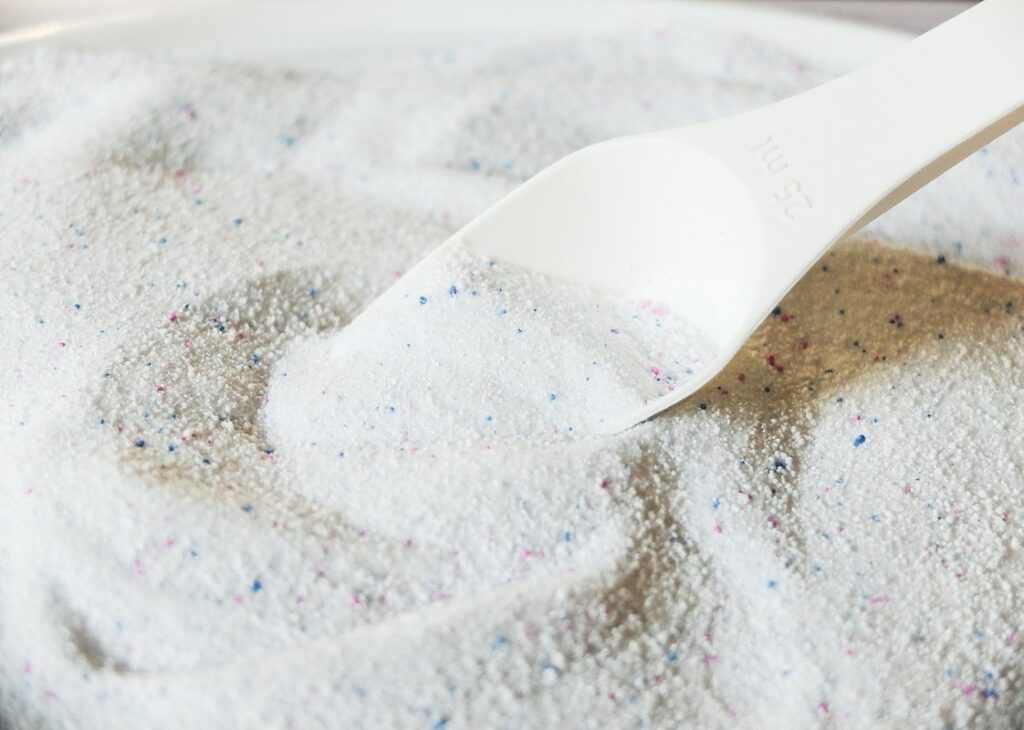
Benefits of Switching to a Homemade Detergent
Making the switch to homemade detergent can have numerous benefits, including cost savings and a reduced environmental impact. You’ll see why it’s worth ditching commercial detergents for good in this section.
Reducing Chemical Exposure
Commercial detergents often contain a cocktail of harsh chemicals that can wreak havoc on skin and the environment. Sodium lauryl sulfate (SLS) and sodium laureth sulfate (SLES), commonly used surfactants, have been linked to skin irritation, allergic reactions, and respiratory problems. These chemicals can also pollute waterways and harm aquatic life when not disposed of properly.
In contrast, homemade detergents typically rely on gentle, plant-based ingredients that are gentler on skin and the environment. For instance, washing soda and borax are natural mineral cleaners that effectively remove dirt and stains without compromising skin health. Essential oils like lavender and tea tree oil can also be used for their antibacterial properties.
When making your own detergent, it’s essential to choose fragrance-free or naturally scented ingredients to minimize exposure to synthetic fragrances and dyes. Opting for a homemade detergent not only reduces chemical exposure but also allows you to control the ingredients and their quantities. This level of transparency is particularly beneficial for individuals with sensitive skin or allergies. By making this simple switch, you can create a safer and more sustainable cleaning routine for your family’s clothes.
Cost-Effectiveness
Making your own detergent can be a cost-effective alternative to commercial brands. When you purchase store-bought detergents, you’re not only paying for the cleaning agent itself but also for marketing and packaging costs. In contrast, making your own detergent allows you to use common household ingredients like washing soda, borax, and soap flakes, which are generally inexpensive.
A 2-pound bag of washing soda can last you up to a year, depending on how frequently you do laundry. Similarly, a box of borax can provide dozens of loads. With commercial detergents, it’s not uncommon for the cost to add up quickly due to frequent purchases and limited shelf life. For example, a single bottle of liquid detergent can range from $5 to $10, whereas making your own detergent with similar quantities of ingredients would only set you back about $1.
To give you a better idea of the long-term savings, consider that using store-bought detergents for an average household of four can cost upwards of $500 per year. By switching to homemade detergent, you can reduce this expense significantly and allocate your budget towards other essential household items.
Environmental Benefits
Making the switch to a homemade detergent recipe not only benefits your family’s health but also the environment. One of the most significant advantages is the reduction in packaging waste. Store-bought detergents come in bulky plastic containers, which are often discarded after use and contribute to landfills. In contrast, homemade detergent can be made in small batches using glass or reusable containers, minimizing waste.
Another eco-friendly aspect of homemade detergent production is the elimination of unnecessary chemicals and preservatives found in commercial products. These additives not only harm the environment but also contaminate waterways and soil. By avoiding these harsh chemicals, you’re promoting a more sustainable cleaning practice. To further reduce your environmental footprint, consider repurposing old bottles or containers for your homemade detergent ingredients.
When making your own detergent, it’s essential to use eco-friendly ingredients like soap nuts, washing soda, and borax. These natural alternatives are biodegradable and non-toxic, making them a better choice for the environment. By choosing sustainable ingredients and reducing packaging waste, you’re taking a significant step towards creating a more environmentally conscious cleaning routine.
Choosing the Right Ingredients
When it comes to creating a natural clothes detergent recipe, selecting the right ingredients is crucial. We’ll guide you through choosing the best washing agents for your homemade laundry soap.
Natural Surfactants
Soap nuts, washing soda, and borax are essential components of a homemade detergent recipe. They serve as natural surfactants, responsible for cleaning clothes effectively without compromising their quality.
Soap nuts, also known as Sapindus mukorossi, contain saponins that create a rich lather when exposed to water. These natural soap molecules effectively remove dirt and stains from fabric without leaving behind any residue. To use soap nuts in your detergent recipe, simply add 2-3 shells per load of laundry.
Washing soda, on the other hand, is a naturally occurring mineral that helps to balance pH levels in wash water. It also acts as an optical brightener, making whites appear whiter and brighter. Use one cup of washing soda for every large load of laundry.
Borax, a natural mineral borate, works as a softening agent and helps to remove static cling from clothes. Mix 1/2 cup of borax with your wash cycle to see its benefits. When combining these natural surfactants in your homemade detergent recipe, make sure to follow the correct proportions to achieve optimal cleaning results.
Essential Oils for Fresh Scent
When selecting essential oils for a fresh scent in your natural clothes detergent, consider citrus-based options like lemon, lime, and grapefruit. These oils are known for their uplifting and cleansing properties, making them ideal for laundry use. You can add a few drops of each oil to the detergent mixture for a balanced fragrance.
Other popular choices include lavender and tea tree essential oils, which have a calming effect and provide antimicrobial benefits. However, be cautious not to overdo it with these stronger scents, as they can overpower the other ingredients and leave a soapy residue on clothes.
To avoid any potential skin irritation or allergic reactions, choose high-quality, pure essential oils that are specifically designed for use in laundry products. Typically, 10-20 drops of essential oil per batch is sufficient to achieve a pleasant fragrance without overwhelming the senses. Consider your personal preferences and adjust accordingly – some people may find stronger scents more appealing than others.
Optional Ingredients for Enhanced Performance
You can enhance your natural clothes detergent’s performance by incorporating optional ingredients. Baking soda is a popular additive that acts as a pH balancer and odor eliminator. It helps to neutralize alkaline properties in water, reducing the risk of fabric damage. When using baking soda, be sure to start with a small amount (about 1 tablespoon per load) and adjust according to your washing machine’s capacity and sensitivity.
Epsom salt is another optional ingredient that can improve moisturizing properties and soften fabrics. Rich in magnesium sulfate, Epsom salt helps to reduce static cling and soften water. Use about 1/2 cup of Epsom salt per load for optimal results. Note that excessive use can leave a residue on clothes.
Some other optional additives you may consider include essential oils for fragrance, washing soda for heavy-duty cleaning, or glycerin for added moisturizing properties. However, be cautious when introducing new ingredients and test them in small batches before committing to larger quantities. This ensures compatibility with your detergent recipe and avoids any potential skin irritation or allergic reactions.
Preparing Your Homemade Detergent
Now that you’ve mixed your natural detergent ingredients, it’s time to prepare them for use by transferring and portioning out the perfect amount. This will make loading up your washing machine a breeze.
Measuring and Mixing Ingredients
To ensure a smooth and consistent blend, it’s essential to measure and mix the ingredients accurately. Start by pouring the liquid ingredients – water and washing soda solution – into a large mixing bowl. Use a measuring cup to add the exact amount of each ingredient, as specified in the recipe. For example, if you’re making 2 gallons of detergent, use 1 cup of washing soda solution.
Next, slowly pour in the dry ingredients – soap flakes or grated soap – while gently stirring with a wooden spoon or spatula. Use a gentle touch to avoid creating air pockets that can lead to uneven mixing. You should aim for a uniform consistency, free from clumps and lumps.
When adding the essential oil (optional), use a small measuring cup to add the specified amount directly to the mixture. This helps prevent any separation of oils during the mixing process. Be cautious not to over-mix, as this can cause the detergent to become too sudsy or develop an unpleasant texture. Stop stirring once all ingredients are fully incorporated and the mixture reaches the desired consistency.
Heating and Agitating the Mixture
Heating and agitating the mixture is a crucial step in preparing your homemade detergent. When you heat the ingredients together, the dissolved solids begin to break down, releasing their active components into the solution. This process enhances the detergent’s effectiveness by ensuring that all the ingredients are fully incorporated and working together.
As the mixture cools, some of these dissolved particles may start to precipitate out, reducing the detergent’s cleaning power. To prevent this, it’s essential to agitate the mixture thoroughly during the heating process. A gentle stirring motion with a silicone spatula or wooden spoon can be effective in dispersing the ingredients evenly.
Typically, you’ll want to heat the mixture to around 180-190°F (82-88°C) for about 10-15 minutes. This will help ensure that all the ingredients are fully dissolved and the detergent is ready for use. However, be cautious not to overheat the mixture, as this can cause the soap to degrade and lose its effectiveness.
Cooling and Storage
After mixing your homemade detergent, it’s essential to cool it before filling containers. This step is crucial for several reasons: it prevents lumps from forming and makes the mixture easier to pour into bottles. If you don’t give the mixture time to cool, the heat can cause the ingredients to separate or become too thick, leading to uneven consistency in your final product.
When cooling the mixture, you can let it sit at room temperature for about an hour or speed up the process by placing the bowl over a larger container filled with ice. Either way, make sure to stir the mixture occasionally to prevent any ingredients from settling to the bottom.
Once cooled, fill your clean and dry containers to within 1 inch of the top. Leave some space at the top for expansion, as homemade detergent can release gas when it’s exposed to air or during use. When storing the finished detergent, keep it in a cool, dark place to maintain its effectiveness and shelf life.
Tips for a Successful Homemade Detergent Experience
To ensure your homemade detergent is effective, consider these essential tips for achieving optimal results and minimizing potential issues. Effective use of ingredients will make all the difference in cleaning power.
Overcoming Common Issues
Residue buildup can be a significant issue when making homemade detergent, particularly if you’re using soap nuts or other natural ingredients. To avoid this problem, it’s essential to use the right ratio of detergent to water and to ensure proper rinsing. If residue does form, try adding a 1/4 cup of white vinegar to the wash cycle – the acidity helps break down and dissolve any residue.
Another common issue is reduced cleaning power, often due to using too little or too much of an ingredient. A general rule of thumb is to start with the minimum recommended amount for each ingredient and adjust as needed based on how your clothes feel after washing. Some people also find that adding 1/2 cup of baking soda can help boost cleaning power without leaving residue.
If you’re experiencing persistent problems, consider trying a different natural detergent base or adjusting your recipe’s pH level by incorporating ingredients like citric acid or lemon juice. These adjustments can greatly impact the performance and stability of your homemade detergent.
Customizing Your Recipe
You can tailor the natural detergent recipe to suit your specific needs by making adjustments based on your washing machine type and water hardness. For example, if you have a high-efficiency (HE) washing machine, you may want to use less liquid in the recipe or substitute some ingredients with gentler alternatives. Conversely, if you’re using an older top-loading machine, you can experiment with adding more liquid or increasing the concentration of certain ingredients.
Hard water requires a detergent that can effectively dissolve and remove soap residue. In this case, consider adding a water-softening agent like washing soda to your recipe or using distilled water for mixing. On the other hand, if you live in an area with soft water, you may be able to get away with reducing the amount of washing soda used.
When it comes to personal preferences, think about any sensitivities or allergies family members might have. You can adjust the scent by adding a few drops of essential oil or omitting it altogether. Additionally, if you prefer a milder detergent, consider reducing the number of soap bars used in the recipe.
Troubleshooting Common Mistakes
When making homemade detergent, it’s common to encounter issues that can affect the final product’s quality and performance. One frequent mistake is using too little liquid castile soap, resulting in a powder that fails to lather properly or leaves residue on clothes. To avoid this, ensure you’re following the correct ratio of castile soap to washing soda in your recipe. If you’ve already made the detergent and it’s not working as expected, try adding a small amount (about 1-2 tablespoons) of liquid castile soap to the powder and mixing well.
Another common error is overheating the mixture during the cooling process. This can cause the washing soda to degrade, making the detergent ineffective. To prevent this, allow the mixture to cool slowly over several hours or even overnight before transferring it to an airtight container. Finally, be mindful of the storage conditions for your homemade detergent. Keep it in a cool, dry place, away from direct sunlight and moisture. This will help maintain its potency and ensure it continues to clean effectively. By being aware of these potential pitfalls and taking steps to correct them, you can enjoy the benefits of making your own natural clothes detergent with confidence.
Advanced Recipes for Specific Needs
For those who need a custom detergent solution, we’ll share three advanced recipes tailored to specific household needs, from sensitive skin to high-efficiency washers. Each recipe offers a unique twist on our natural detergent formula.
High-Efficiency Washing Machines
For high-efficiency washing machines, you’ll want to adapt the natural detergent recipe to address their unique needs. These machines use a combination of water and energy to clean clothes, which can be challenging for soap-based detergents. In high-efficiency washers, less is more – using too much detergent can leave residue on clothes.
To create an effective natural detergent for these machines, reduce the recipe’s liquid content by about 25%. This will help prevent excessive sudsing and ensure the detergent dissolves properly in cold water. Keep in mind that some high-efficiency washers have built-in dispensers; if yours doesn’t, you can add a small amount of white vinegar to the rinse cycle to help remove any remaining residue.
When selecting ingredients for this adapted recipe, focus on gentle, low-sudsing alternatives like washing soda or soap nuts. These will help minimize the risk of over-sudsing and ensure your clothes come out clean without residue buildup. Some examples of suitable alternatives include 1 cup of washing soda or 1/2 cup of soap nuts for every load.
Sensitive Skin or Allergies
If you have sensitive skin or allergies, making adjustments to the basic natural clothes detergent recipe is crucial. Omitting common allergens and irritants such as fragrances, dyes, and preservatives can help alleviate concerns. Consider substituting olive oil for coconut oil, as it’s gentler on skin. Additionally, reduce or omit the amount of washing soda, which can sometimes cause irritation.
If you’re concerned about latex allergies, switch to guar gum, which serves a similar thickening function without the potential for allergic reactions. For sensitive skin types, opting for distilled water instead of tap water may also be beneficial, as it’s often softer and less prone to causing skin irritation.
Some individuals may need to avoid certain herbs or essential oils due to allergies. If you’re using an herbal-based detergent recipe, omit or replace ingredients like chamomile or calendula if they trigger allergic reactions. Be cautious when introducing new ingredients, and monitor your skin for any adverse responses after use.
Conclusion: Embracing a More Sustainable Laundry Routine
Now that you’ve made the switch to natural clothes detergent, let’s focus on the next step towards a more sustainable laundry routine.
Recap of Benefits and Tips
By choosing to make your own natural clothes detergent, you’ll be able to avoid harsh chemicals found in commercial products. You can also customize the recipe to suit your family’s specific needs and preferences. One of the most significant advantages is cost savings: with a single batch costing only around $1, you’ll save a substantial amount on laundry expenses over time.
Another key benefit is the flexibility to use essential oils for fragrance, which allows you to avoid artificial scents altogether. This is especially important for households with sensitive skin or allergies. The guide also emphasizes the importance of precise measurements and proper mixing techniques to ensure optimal cleaning performance.
When implementing these recipes into your routine, be mindful of the temperature settings on your washing machine, as high temperatures can affect the effectiveness of some natural ingredients. It’s essential to store your homemade detergent in airtight containers to preserve its potency. By following the steps outlined in this guide and making a few adjustments based on your household needs, you’ll be well on your way to creating an effective and eco-friendly laundry solution that fits your lifestyle and preferences.
Encouragement to Experiment and Adapt
As you refine your natural clothes detergent recipe and begin to make the switch from commercial detergents, remember that a sustainable laundry routine is not about achieving perfection but about progress. Don’t be discouraged if one recipe doesn’t quite work for you; it’s normal for recipes to evolve as you experiment with different ingredients.
Try substituting alternative oils or essential oils in small batches to see how they affect the scent and cleaning power of your detergent. You may find that a particular oil combination works wonders on your family’s sensitive skin, while another struggles to remove tough stains. Be willing to adjust quantities, ratios, and even swap out ingredients entirely if needed.
Keep in mind that every household has unique laundry needs – from hard water to fabric types. What works for one person might not work for you, so don’t be afraid to try new combinations or revisit previous experiments with fresh eyes. Your patience and flexibility will pay off as you continue to refine your recipe, making it a personalized fit for your sustainable laundry routine.
Frequently Asked Questions
Can I use this natural detergent recipe in cold water?
Yes. While heating the mixture helps dissolve the ingredients and enhances effectiveness, you can still use it in cold water. However, keep in mind that some natural surfactants might not work as well without heat.
How do I know if my homemade detergent is causing skin irritation or allergies?
Pay attention to any unusual reactions after using your homemade detergent, such as itching, redness, or rashes. If you experience any issues, try switching back to a commercial detergent or consulting with a healthcare professional for advice.
Can I customize this recipe to work in hard water areas?
Yes. For areas with hard water, consider adding more washing soda (sodium carbonate) to your mixture, as it helps neutralize mineral deposits and improve cleaning power.
How often should I re-make my homemade detergent, and how long will it last before it loses its effectiveness?
The shelf life of your homemade detergent depends on storage conditions and usage. Typically, you’ll need to remake the detergent every 1-3 months, or sooner if you notice a decrease in cleaning power.
Can I add this homemade detergent recipe to my washing machine’s fabric softener dispenser?
No. The natural surfactants in your homemade detergent can interfere with the fabric softener’s effectiveness and potentially cause residue buildup. Instead, use it as a standalone detergent in the main wash compartment.