
Making clothes detergent at home is not only cost-effective but also allows you to control the ingredients that go into it, reducing exposure to harsh chemicals found in commercial brands. Many people are turning to homemade laundry detergent as a way to save money and create a safer environment for their families. However, making effective homemade detergent can be a bit tricky, requiring the right balance of active ingredients and measurements.
If you’re interested in making your own clothes detergent but don’t know where to start, this guide will walk you through the process from scratch. We’ll cover the essential ingredients, ratios, and tips for creating a high-quality homemade laundry detergent that’s gentle on clothes and kind to the environment. By the end of this article, you’ll be able to create your own clothes detergent at home, saving money and reducing harsh chemicals in the process.
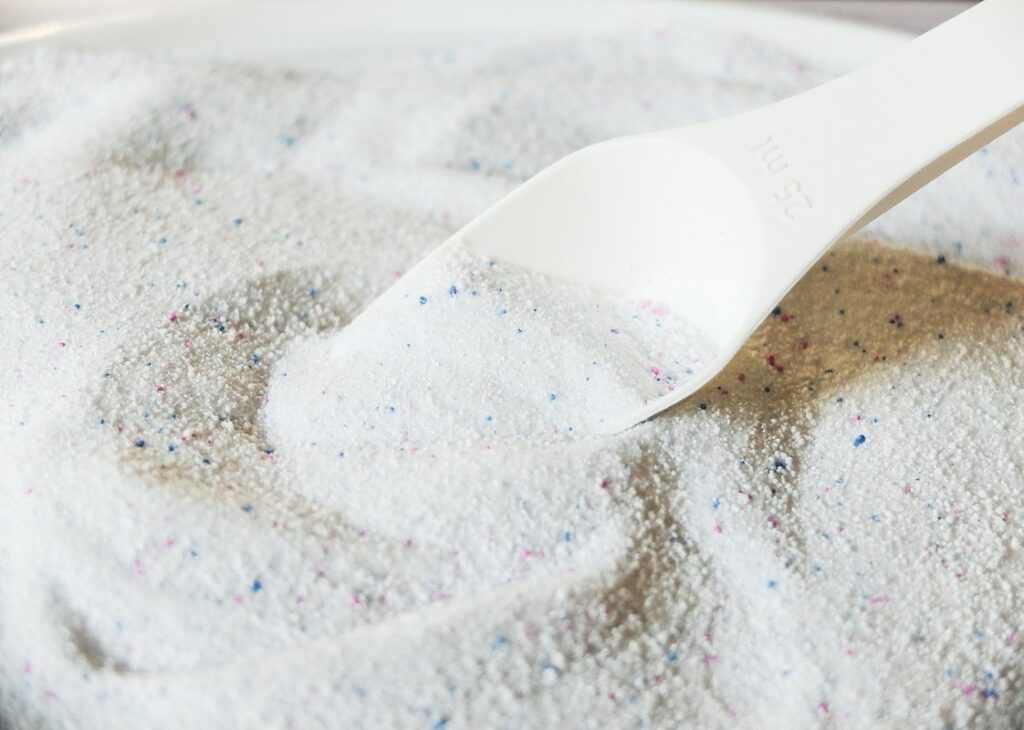
Understanding the Need for Homemade Laundry Detergent
Making the switch to homemade laundry detergent can be a game-changer for your wallet and the environment, but have you ever wondered why it’s worth making? Let’s explore the benefits of ditching commercial detergents.
Benefits of Switching to Homemade Detergent
Making your own clothes detergent offers several benefits over commercial options. One of the most significant advantages is cost savings. A batch of homemade laundry detergent can last for months, with some recipes yielding up to 50 loads per batch. This translates to a substantial reduction in expenses, especially for large families or households with high laundry demands.
Another benefit of making your own detergent is reduced exposure to harsh chemicals. Many commercial detergents contain artificial fragrances, dyes, and preservatives that can irritate skin and trigger allergies. Homemade detergents, on the other hand, allow you to control the ingredients and opt for natural alternatives like essential oils and soap bars.
Customization is also a significant advantage of making your own detergent. You can tailor the recipe to suit your family’s specific needs, such as using gentle ingredients for sensitive skin or creating a fragrance-free option for newborns. This level of control enables you to create a detergent that works effectively while aligning with your personal values and preferences.
Common Issues with Store-Bought Detergents
Store-bought laundry detergents often contain harsh chemicals and artificial fragrances that can cause skin irritation and allergic reactions. Many people experience redness, itching, and dryness after using these products. This is especially concerning for individuals with sensitive skin or those who wear contact lenses.
The environmental impact of commercial detergents should also be a concern. These products are typically packaged in non-biodegradable plastic containers and can contaminate waterways if not disposed of properly. Furthermore, some detergents contain phosphates that contribute to eutrophication, leading to excessive algae growth and oxygen depletion in water bodies.
Moreover, many store-bought detergents are often ineffective at removing stubborn stains or odors from clothing. This can lead to repeated washing cycles, wasting energy and potentially damaging garments. Some popular detergent brands even contain optical brighteners that whiten clothes but can also cause eye irritation and other health issues. By understanding the limitations and drawbacks of commercial laundry detergents, you may be more inclined to explore homemade alternatives for a safer, more eco-friendly cleaning option.
Gathering Essential Ingredients
Now that you have your recipe, it’s time to gather the essential ingredients for making homemade clothes detergent. This includes washing soda, borax, and other key components that are crucial to its success.
Choosing the Right Washing Soda
Washing soda is a crucial ingredient in homemade detergent, as it helps to soften water and remove mineral deposits from fabrics. When selecting a washing soda brand or type, look for products labeled as “sodium carbonate” or “washing soda” on the packaging. Avoid using baking soda, as it has different chemical properties that can affect the performance of your homemade detergent.
Some popular brands of washing soda include Arm & Hammer and OxiClean. However, these commercial products may contain added fragrances or dyes that you don’t need in your homemade detergent. Consider purchasing pure washing soda from a health food store or online retailer to avoid any unwanted additives.
When shopping for washing soda, check the packaging for moisture-absorbing agents like silica gel. These can help maintain the product’s potency and prevent clumping over time. If you’re buying in bulk, consider storing the washing soda in an airtight container to preserve its effectiveness and keep it fresh for future use.
Selecting an Eco-Friendly Soap
When making your own clothes detergent, selecting an eco-friendly soap is crucial. Traditional laundry detergents often contain harsh chemicals and palm oil-derived ingredients, which can harm aquatic ecosystems and contribute to deforestation. Eco-friendly soaps, on the other hand, are biodegradable and free from such harmful substances.
When choosing a soap for your homemade laundry detergent, opt for one that’s certified by organizations like the Leaping Bunny Program or the Environmental Working Group (EWG). These certifications ensure the product meets rigorous standards for environmental sustainability. Look for soaps made with natural ingredients like coconut oil, olive oil, and essential oils. Some popular eco-friendly soap options include Dr. Bronner’s Castile Soap, Kirk’s Natural Soap, and Seventh Generation Soap.
When selecting a soap, also consider its pH level and whether it’s designed specifically for laundry use. Avoid using soap bars or liquid soaps meant for personal hygiene, as they may contain additional ingredients that aren’t suitable for washing clothes. By choosing an eco-friendly soap, you’ll not only reduce your environmental impact but also create a more sustainable homemade laundry detergent.
Other Necessary Ingredients
Borax and baking soda are two essential ingredients for making effective homemade detergent. Borax acts as a water softener, preventing mineral buildup on clothes and in washers. Use one cup of borax per load to achieve optimal results. Baking soda is a natural pH balancer that helps remove odors and stains. Add 1/2 cup to 1 cup of baking soda per load depending on the type of soil your clothes are exposed to.
If you choose to add essential oils, make sure to use high-quality, fragrance-grade oils specifically designed for use in laundry detergent. These oils can provide a pleasant scent while also having antimicrobial properties. However, some essential oils may not be suitable for use in washing machines due to their potential to cause damage or discoloration.
When selecting essential oils, consider the type of fabrics you wash most frequently and choose oils that are gentle on those materials. For example, if you primarily wash cotton clothes, opt for oils like lavender or tea tree oil. Always follow the manufacturer’s instructions for using essential oils in laundry detergent.
The Process of Making Homemade Detergent
To make homemade detergent, you’ll need to understand the process of combining ingredients and mixing them into a useable form. This involves calculating quantities, measuring accurately, and stirring effectively.
Mixing the Dry Ingredients
Combine the dry ingredients in a large bowl, following the recipe’s specified proportions. To ensure accuracy, it’s essential to use measuring cups and spoons for each component. A digital kitchen scale can also be helpful for precise measurements, especially when working with smaller quantities.
To mix the dry ingredients effectively, start by pouring each component into the bowl separately. This prevents any one ingredient from dominating the others and makes it easier to distribute them evenly. Next, use a spoon or whisk to gently combine the ingredients in a circular motion. Be cautious not to compact the powder too much, as this can lead to clumping issues during the subsequent mixing process.
A few dry ingredients, such as washing soda and borax, tend to be quite powdery and can become airborne when mixed vigorously. To minimize dust and mess, consider wearing a face mask or working near an open window with good ventilation. Once you’ve achieved a uniform blend, set the mixture aside for later use in the recipe. This dry ingredient combination will form the foundation of your homemade detergent’s cleaning power.
Creating the Liquid Base
Start by mixing 2 cups of water with 1 cup of washing soda in a large saucepan. This mixture will create the liquid base for your detergent. You’ll want to stir until the washing soda is fully dissolved, which should take about 5-7 minutes.
Next, add 1/4 cup of glycerin and 1 tablespoon of borax to the mixture. Stir until both ingredients are fully incorporated. Glycerin helps create a smooth texture and prevents soap scum buildup, while borax acts as an antifungal agent and helps soften water.
Continue heating the mixture over medium heat, stirring frequently, until it reaches 120°F to 140°F. This will help dissolve any remaining washing soda and ensure your liquid base is fully dissolved. Remove from heat and let cool slightly before transferring the mixture to a clean glass bottle or container for storage. Be sure to label the bottle with its contents and date prepared.
Blending the Final Product
Blending the final product is a crucial step in creating effective homemade clothes detergent. This process involves combining the dry and liquid components together to ensure uniform distribution of ingredients. To do this effectively, start by pouring the liquid mixture into a separate container or directly into the blending vessel.
Next, add the dry components, such as washing soda, borax, and soap flakes, to the blender or mixing bowl in small increments. Blend each portion on low speed until fully incorporated before adding more. This gradual process prevents lumps from forming and ensures thorough mixing.
The goal is to achieve a smooth, consistent texture that’s free of clumps. If you notice any remaining lumps or unevenness after blending, stop the machine and scrape down the sides with a spatula. Repeat the blending process until all ingredients are fully integrated. The final product should resemble a coarse powder or granules that can be easily measured out for washing. Proper mixing helps prevent clogged dispensers and ensures your homemade detergent works effectively in the wash cycle.
Tips and Tricks for Optimizing Your Homemade Detergent
Now that you’ve successfully made your own homemade detergent, let’s talk about fine-tuning the process to get even better results. We’ll share some expert tips and tricks for maximizing efficiency and effectiveness.
Adjusting the Recipe for Different Water Types
When using a water softener or living in an area with very hard water, you may need to adjust the recipe’s salt content. For every 1 cup of salt, reduce it by half a teaspoon for soft water and increase it by another 2 teaspoons for extremely hard water.
Water type also plays a role in the recipe’s success. If you live in an area with high iron levels or have well water that contains minerals, these can affect the detergent’s performance. To combat this, consider adding an extra 1/4 cup of washing soda to help remove mineral deposits and improve rinseability.
For areas with low pH levels, such as those using rainwater or acidic well water, a small increase in borax (about 1 tablespoon) may be necessary to balance the mixture’s pH. However, this should be done cautiously, as excessive borax can leave residue on clothes. Always test a small batch before making large quantities to ensure the adjusted recipe works effectively for your specific water conditions.
Customizing Scents and Colors
When it comes to customizing scents and colors in your homemade detergent, you have several options. One popular approach is to add essential oils for fragrance. However, be mindful of usage rates: typically a few drops per pound of detergent are sufficient to avoid overpowering the scent.
If you prefer dyes over fragrances, consider using natural alternatives like plant-based colorants or oxides. For example, spirulina can create a lovely blue hue. When working with colors, remember that even small amounts can cause dye bleeding during washing. To minimize this risk, add dyes after the detergent has cooled and set.
For a more subtle approach, you can use fragrance oils specifically designed for laundry detergents. These oils are formulated to withstand high water temperatures and repeated washing cycles. Always follow the manufacturer’s guidelines for usage rates to ensure safe and effective results. If you’re using a combination of fragrances or dyes, start with small batches to test their interaction before scaling up production.
Troubleshooting Common Issues
Residue buildup can be a common issue when using homemade detergent. This is often due to the use of low-quality washing soda or borax, which can leave behind a residue on clothes and affect their texture. To avoid this, make sure to source high-quality washing soda and borax from reputable suppliers.
Another potential problem is inconsistent cleaning power. This might be caused by an imbalance in the detergent’s pH levels, which can be influenced by the ratio of washing soda to borax used. A general rule of thumb is to use 1 cup of washing soda for every 2 cups of borax. However, this can vary depending on water hardness and laundry load size.
To troubleshoot these issues, start by checking your detergent’s pH levels using pH test strips. If the levels are too high or too low, adjust the ratio of washing soda to borax accordingly. Additionally, try adding a small amount of vinegar to the wash cycle to help balance out the pH levels and remove any existing residue buildup. This should help improve the cleaning power and overall performance of your homemade detergent.
Comparing Homemade Detergent with Commercial Options
Now that you’ve made your homemade detergent, let’s compare it to commercial options on cost, effectiveness, and environmental impact in this crucial analysis. We’ll weigh the pros and cons of each option carefully.
Cost Comparison
When making your own clothes detergent, one of the most significant benefits is the cost savings. To put this into perspective, let’s compare the costs of a batch of homemade detergent versus a popular commercial brand.
A typical recipe for homemade laundry detergent yields about 50 loads of clothing. Using average prices for ingredients like washing soda and soap, the total cost comes out to approximately $5-$7 per load. In contrast, commercial brands like Tide or Gain can range from $0.25 to over $1 per load, depending on the size of the bottle.
For a household doing 3 loads of laundry per week, that translates to a savings of around $20-$30 per month with homemade detergent. Over the course of a year, this adds up to approximately $240-$360 in savings. By making your own clothes detergent, you can enjoy significant cost savings while still getting clean, fresh-smelling clothes.
Environmental Impact Assessment
When making homemade detergent, you’re not only saving money and avoiding harsh chemicals, but also significantly reducing your environmental impact. Commercial detergents come with a hefty price tag: they contribute to air pollution through their manufacturing process, which is often fueled by non-renewable energy sources.
A single container of commercial laundry detergent can produce up to 11 pounds of carbon dioxide emissions during its production and transportation stages. In contrast, homemade detergent recipes rely on natural ingredients like washing soda, borax, and soap, which are readily biodegradable. Furthermore, many commercial detergents contain microplastics, which harm aquatic life when washed down the drain.
To minimize environmental impact even further, consider sourcing your ingredients locally or using eco-friendly packaging options for any purchased items. Additionally, reduce water waste by making sure to use the correct dosage of detergent and avoiding over-dosing. The amount of detergent you need will depend on your washing machine’s capacity, as well as the type and size of clothes being washed.
Performance Evaluation
When evaluating the performance of homemade detergent compared to commercial options, several factors come into play. One key advantage of homemade detergent is its cost-effectiveness. Without the need for marketing and packaging expenses, homemade detergent can be made at a fraction of the cost of commercial brands. However, this doesn’t necessarily translate to superior cleaning power.
In some cases, homemade detergent may outperform commercial options in terms of stain removal and gentleness on fabrics. This is often due to the ability to customize ingredients and avoid harsh additives commonly found in commercial detergents. For instance, a DIY detergent made with washing soda and borax can be highly effective at removing tough stains without leaving residue.
On the other hand, commercial detergents have undergone rigorous testing and are formulated to address specific laundry challenges. They may offer better performance in high-temperature washes or against particularly stubborn stains. Additionally, many commercial brands have built-in fabric softening agents, which can be a significant advantage for those who prioritize soft, static-free clothes.
Frequently Asked Questions
We’ve received many questions from readers interested in making their own clothes detergent, and we’re happy to address some of the most common concerns. Below, you’ll find answers to frequently asked questions about DIY laundry detergent.
Common Misconceptions About Homemade Detergent
One concern many people have about making their own clothes detergent is that it will leave behind a residue on clothing. However, when done correctly, homemade detergent can be just as effective at removing dirt and stains as commercial alternatives. This misconception likely stems from the fact that some recipes include high concentrations of soap or use low-quality ingredients.
In reality, reputable recipes typically involve using a balanced mixture of washing soda, borax, and soap flakes, which work together to create a gentle yet potent cleaning agent. To minimize any potential residue buildup, it’s essential to follow a well-tested recipe and pay attention to the amounts used. Some people also worry about fabric damage from homemade detergent, but most ingredients are designed to be gentle on fabrics.
To alleviate these concerns, start by testing your homemade detergent on an old towel or a small load of laundry before washing larger items. This will give you a sense of how it performs and whether any adjustments need to be made. If you do encounter issues with residue buildup or fabric damage, consider revisiting the recipe or experimenting with different ratios of ingredients.
Safety Precautions and Handling
When working with ingredients to make your own clothes detergent, it’s essential to follow proper safety precautions and handling procedures. Start by reading through the ingredient list carefully and taking note of any potential allergens or irritants. Wear protective gloves when mixing and measuring ingredients, and consider working in a well-ventilated area to avoid inhaling powders or fragrances.
Proper storage is also crucial. Keep each ingredient in its original container, tightly sealed, and label them clearly with their contents and the date they were opened. Store these containers in a designated area away from children and pets, ideally on a high shelf or in a locked cabinet.
When mixing detergent ingredients, avoid inhaling fumes from borax or washing soda by working with the mixture in short intervals and allowing it to aerate between batches. If you experience any skin irritation or allergic reactions while handling ingredients, discontinue use immediately and wash your hands thoroughly.
Frequently Asked Questions
Can I Use Homemade Detergent in High-Efficiency Washing Machines?
Yes, homemade detergent can be used in high-efficiency washing machines. However, it’s essential to ensure the recipe doesn’t contain any ingredients that might clog or damage the machine’s filters. Typically, a well-balanced homemade detergent should work fine in HE washers, but double-check your recipe and manufacturer guidelines before use.
How Do I Store My Homemade Detergent to Maintain Its Effectiveness?
Store homemade detergent in an airtight container, keeping it away from moisture and direct sunlight. This will help preserve the ingredients’ effectiveness and prevent any spoilage or contamination. It’s also a good idea to label the container with the date you made it and any relevant storage instructions.
Can I Make Homemade Detergent Without Washing Soda?
While washing soda is an essential component of many homemade detergent recipes, there are some alternatives available for those who can’t find or prefer not to use it. You can try using borax as a substitute in small quantities (about 1-2 tablespoons per load), but be aware that this may affect the detergent’s overall performance and effectiveness.
What If I Have Hard Water at Home? How Do I Adjust My Homemade Detergent Recipe?
For areas with hard water, it’s often necessary to modify your homemade detergent recipe to compensate for the increased mineral content. You can add extra washing soda or use a product specifically designed to combat hard water issues. Some people also find success by adding an extra rinse aid or using a water softener in conjunction with their homemade detergent.
Is It Possible to Make Homemade Detergent for Specific Fabrics, Like Wool or Delicates?
Yes, you can make customized homemade detergents for specific fabrics or delicate items. For instance, wool care typically requires a gentle detergent that won’t felt the fibers. You might need to adjust the recipe by using milder ingredients and avoiding any harsh chemicals. Research the specific needs of your fabric type and tailor your recipe accordingly to ensure effective cleaning without damage.
