
Mud is often seen as a messy and dirty substance, something to be avoided in the name of cleanliness. But for children, playing with mud can have a multitude of benefits that go far beyond just getting dirty. Mud play has been shown to improve physical development by allowing kids to engage in tactile exploration and sensory experiences, but it also has emotional and academic advantages. By providing opportunities for creative expression and problem-solving, mud play can help children develop important skills like critical thinking and self-regulation. But before you let your little ones get stuck in the muck, it’s essential to know how to ensure safe hygiene practices are in place. In this article, we’ll explore expert ideas on incorporating mud play into your child’s daily routine while maintaining cleanliness and promoting overall development.
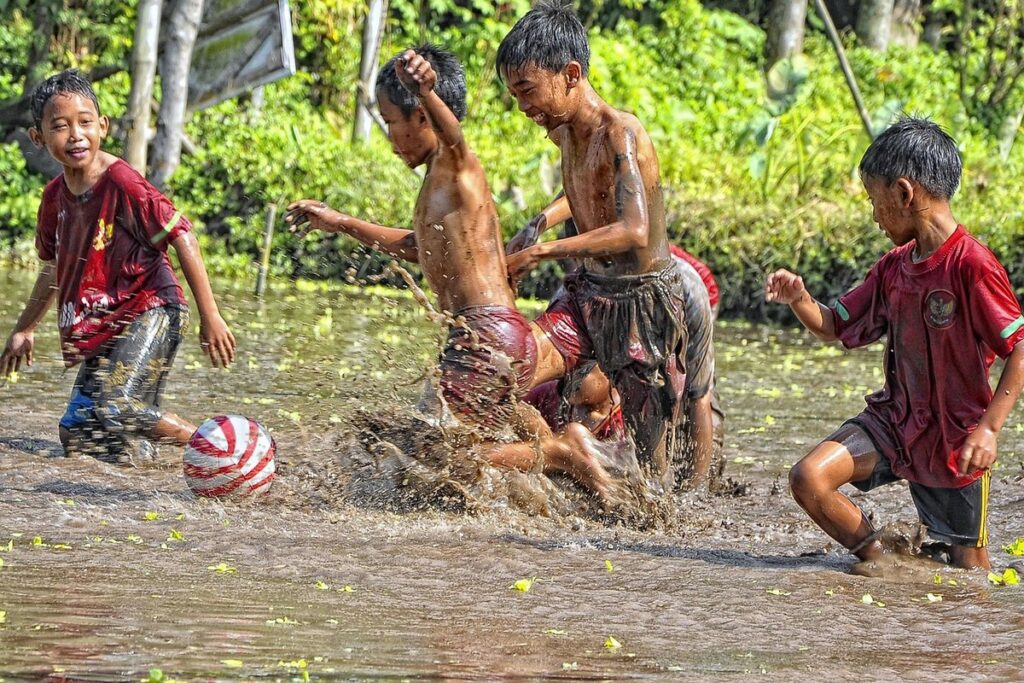
Understanding the Benefits of Mud Play
Mud play isn’t just a fun activity for kids, it also offers numerous benefits that can enhance their physical and emotional development. Let’s explore how engaging in mud play can be incredibly beneficial.
Physical Health Benefits of Mud Play
Engaging in mud play can be a great way to get exercise and physical activity, especially for children. Mud play helps improve gross motor skills by allowing kids to run, jump, and move around in a safe environment. This type of unstructured play also encourages children to use their imagination and creativity while engaging in physical activity.
Mud play can also help improve balance and coordination in children. When playing in mud, kids must adapt to changing terrain and navigate through obstacles, which helps develop their sense of spatial awareness and depth perception. For example, a child might need to climb over or under a muddy log, or carefully step from one patch of solid ground to another.
To maximize the physical benefits of mud play, try creating a variety of terrain features in your backyard or play area. This could include small hills, mounds, or trenches made from mud. You can also incorporate natural elements like logs, rocks, and plants into the space to create obstacles and challenges for kids to overcome.
Emotional and Social Benefits of Mud Play
Mud play can have a profound impact on children’s emotional and social development. For one, it provides an outlet for stress and anxiety relief. Children who engage in mud play tend to exhibit lower cortisol levels and improved mood regulation. This is likely due to the calming effects of sensory exploration, which allows children to focus on the present moment without external distractions.
Mud play also fosters creativity and imagination in children. By manipulating mud, kids are encouraged to think outside the box and explore new possibilities. They can build structures, create art, or simply experiment with texture and consistency. This unstructured freedom of expression helps develop problem-solving skills and confidence.
Furthermore, mud play promotes social interaction among children. When kids engage in a shared activity like mud play, they’re more likely to collaborate, communicate, and cooperate. It’s not uncommon for children to work together on large-scale mud projects or share their creations with peers. By facilitating social bonding through shared experience, mud play helps build empathy and understanding among children.
Academic Benefits of Mud Play
Engaging in mud play can have a profound impact on a child’s cognitive development. It allows them to explore and experiment with different textures, temperatures, and consistencies, which can enhance their sense of tactile awareness. This sensory exploration is essential for developing fine motor skills, hand-eye coordination, and spatial awareness.
Mud play also presents opportunities for children to develop problem-solving skills. When working with mud, kids often encounter obstacles like dryness, stickiness, or crumbling. They must think critically about how to address these issues, whether by adding water, using tools, or experimenting with different materials. This process encourages creativity, perseverance, and resourcefulness.
Furthermore, mud play can be an effective way to build cognitive skills related to measurement, proportion, and cause-and-effect relationships. Children learn through trial and error as they experiment with mixing, molding, and manipulating the muddy substance. By engaging in these activities, kids develop a deeper understanding of how different materials interact with each other, fostering a more nuanced understanding of the physical world.
Preparing for Safe Mud Play Experiences
Before you and your little ones dive into the mud, it’s essential to prepare a safe environment that’s free from hazards. This means clearing any sharp objects and slippery surfaces nearby.
Choosing the Right Location for Mud Play
When selecting a location for mud play, consider accessibility as a top priority. Choose an area with minimal obstacles, such as rocks, roots, or other hazards that could trip children up. A flat, open space is ideal, but even slightly inclined areas can work if they’re well-maintained.
Safety features are also crucial. Avoid areas near water sources or storm drains to prevent accidental slips or mud flowing into nearby waterways. Also, select a location with minimal vehicular traffic and proximity to emergency services in case of an accident. For environmental considerations, look for spots with soil that’s free from contaminants like heavy metals, pesticides, or other pollutants.
Some questions to ask when scouting out potential locations include: What kind of terrain does the area have? Are there any nearby water sources or wildlife habitats? How will mud play activities impact local ecosystems or neighboring properties? Answering these questions can help ensure a safe and enjoyable experience for all.
Ensuring Proper Hygiene and Safety Measures
When engaging with mud play, it’s essential to establish proper hygiene practices to prevent the spread of illnesses. This begins with washing hands before eating, as mud and dirt can harbor bacteria and viruses. Encourage children to scrub their hands thoroughly with soap and water for at least 20 seconds.
All equipment, including buckets, shovels, and other tools, should be cleaned regularly with soap and warm water. Pay particular attention to any crevices or corners where dirt may accumulate. This helps prevent the transfer of bacteria from one child’s hands to another or from the mud to their faces.
Provide access to clean drinking water for rinsing off after playtime. You can also set up a designated area with towels and soap for kids to wash off excess mud before heading back inside. Consider designating a specific time each day for handwashing, making it a habit for your little ones to adopt. By prioritizing hygiene practices, you’ll help create a safer environment for everyone involved in the mud play experience.
Supervising Mud Play Activities
Adult supervision is crucial during mud play activities to ensure children’s safety and well-being. Without proper guidance, kids may inadvertently harm themselves or others with slippery floors, sharp objects, or excessive mess. A designated adult can monitor the situation, intervene if needed, and provide reassurance when children get anxious about getting dirty.
To create a safe environment, set up clear boundaries and expectations before playtime begins. Designate a mud-free zone for adults to keep their belongings clean and dry. Assign a specific area for mud play to prevent spills from spreading throughout the space. Also, consider laying down protective tarps or old sheets to make cleanup easier.
During play, encourage children to wash their hands frequently and cover cuts or scrapes with bandages. If a child gets hurt, have a first-aid kit nearby and know how to treat minor injuries. By establishing these guidelines and being present during playtime, you can help create a fun and safe mud play experience for the kids in your care.
Creative Ideas for Incorporating Mud Play into Your Life
Get creative with mud play by trying these fun and engaging ideas that will bring out your inner child and connect you with nature. From mud sculptures to sensory bins, the possibilities are endless!
DIY Mud Kitchen or Sensory Table
Creating a DIY mud kitchen or sensory table is an excellent way to encourage children’s imagination and exploration of natural materials. Start by selecting a sturdy table or countertop, ideally made from wood or recycled plastic, that can withstand messy play. Next, gather a variety of natural materials like pinecones, sticks, rocks, and leaves to create a textured backdrop for your mud kitchen.
Consider adding a small sink or a designated muddy area with a waterproof surface to contain the mess. You can also repurpose an old planter or a wooden crate as a mini-garden or storage container. For added sensory experience, incorporate different textures like sandpaper, burlap, or woven baskets. When choosing materials, keep in mind that children will often use them for pretend play, so opt for items with varied shapes and sizes.
To make it even more engaging, consider adding some props like mini-pots, pans, utensils, or a toy food set. This setup can encourage imaginative play, like running a mud restaurant or café. Be sure to supervise your child during this process to ensure their safety and provide guidance on how to handle the materials.
Outdoor Mud Play Activities
When venturing outdoors for mud play activities, consider setting up a muddy obstacle course. This can be as simple as creating a series of small mud pits and having children navigate through them, or as elaborate as designing an entire course with hills, tunnels, and other features. For example, you could create a “muddy river” by digging a shallow trench filled with water and mud, then having kids crawl through it.
Another fun activity is making mud pies. Provide various materials like leaves, sticks, and rocks for children to use as decorations. You can also set up a few mud-themed exploration stations on a nature walk, such as a “mud sensory bin” where kids can dig in and explore different textures or a “mud printing station” where they can create patterns with their feet.
Remember to choose areas safe from water runoff and away from sensitive ecosystems. A small minority of children may have specific sensitivities or allergies that require special considerations, so be sure to take these into account when planning your activities.
Indoor Mud Play Ideas for Rainy Days
Create an indoor mud kitchen using a large tub or container filled with water and mud-making materials like sand, silt, and clay. Add some plastic utensils, cups, and plates for kids to experiment with mixing, measuring, and pouring. You can also include a small sink or basin nearby for easy cleanup.
Fill sensory bins with a mix of mud, beads, rice, or sand for a tactile experience. Use different shapes and textures to keep things interesting, like adding rocks, shells, or small toys. Cover the surface underneath the bin with a plastic tablecloth or old sheets to protect against stains.
Messy art projects are perfect for indoor mud play on rainy days. Set up a space where kids can create using mud as paint or texture. Try making handprint art, finger painting, or even making miniature mud sculptures. Use paper, cardboard, or fabric as canvases and encourage creativity by exploring different techniques and patterns.
Managing Messes and Cleaning Up After Mud Play
The inevitable mess that comes with mud play can be overwhelming, but don’t worry, we’ve got some practical tips to help you clean up. From tackling muddy floors to washing off sticky kids, we’ll show you how.
Tips for Minimizing Messes During Mud Play
To minimize messes during mud play, it’s essential to prepare a designated space beforehand. Lay down large tarps or plastic sheets on the ground to contain the mud and make cleanup easier. You can also use splash mats or old blankets to create a safe and clean area for kids to get messy.
Another effective strategy is to set up a “mud station” with a basin or bucket filled with water, which allows children to rinse their hands and toys as they play. This simple step significantly reduces the amount of mud that ends up on floors and surfaces elsewhere. Additionally, consider designating a specific area for mud play and containing it with barriers or dividers.
By taking these steps, you can enjoy the benefits of mud play without the frustration of extensive cleanup. Remember to have plenty of water and soap available for handwashing, and encourage children to clean up as they go along to maintain a tidy environment.
Cleaning and Disinfecting Equipment
Mud-stained tools and toys require gentle yet thorough cleaning to prevent bacterial growth. After mud play, remove any loose dirt from equipment using a soft brush or cloth. Then, mix warm water with mild soap or detergent, and use a soft sponge or cloth to wipe down the surface. Rinse thoroughly with clean water, and let air-dry.
For disinfecting, use a solution of 1 part white vinegar to 9 parts water on non-porous surfaces like plastic or metal tools. Allow the solution to sit for 5-10 minutes before rinsing and drying as usual. For porous materials like wood toys, mix equal parts water and baking soda to create a paste, then scrub gently with a soft-bristled brush.
After cleaning and disinfecting, store equipment in well-ventilated areas or dry storage containers to prevent moisture buildup. Regularly cleaning and disinfecting equipment will help prevent the spread of germs and keep your mud play space hygienic. Be sure to wash hands thoroughly before handling clean equipment, especially after interacting with the muddy environment.
FAQs About Mud Play
We’ve got some of your most frequently asked questions about mud play right here, and we’re excited to tackle them together. From muddy messes to muddy memories, let’s get started on answering your burning questions!
Addressing Common Concerns about Safety and Hygiene
Many parents worry about mud play being unhygienic, but a well-supervised environment can minimize risks. Mud is not inherently dirty – it’s often just rich soil that’s been disturbed by rain or watering. In fact, playing with dirt can help kids develop healthy relationships with nature and germs.
To ensure safe and clean mud play, designate an area for mud exploration, such as a mud pit or tray filled with potting soil. This helps contain messes and allows parents to supervise closely. For kids who insist on digging in the backyard, encourage them to use a designated spot away from water sources and pet areas.
Regular handwashing is essential after playtime, but avoid overemphasizing cleanliness to the point of discouraging exploration. Kids need exposure to germs to build immunity, and an excessive focus on hygiene can be counterproductive. If you do notice skin irritation or redness, rinse affected areas with soap and water. For particularly sensitive skin, consider using a barrier cream before playtime.
Encouraging Continued Exploration and Learning
Encouraging children to continue exploring and learning through mud play activities is key to fostering a lifelong love for nature and creativity. One way to do this is by setting up a designated mud area or “mud station” with various materials like tools, molds, and containers that allow kids to experiment with different techniques.
You can also encourage exploration by asking open-ended questions, such as “What happens when you mix mud with water?” or “How can you use a stick to create patterns in the mud?” This helps children develop their critical thinking skills and observe the effects of their actions.
To take it further, try incorporating themes or challenges into your mud play activities. For example, you could have a “mud sculpting competition” where kids have to create specific shapes using only certain materials. Alternatively, set up an “obstacle course” that requires kids to navigate through muddy terrain while carrying small loads.
The possibilities are endless, and the most important thing is to let children take the lead in their creative process. By doing so, you’ll be encouraging a sense of curiosity, creativity, and resilience that will benefit them far beyond the mud pit.
Frequently Asked Questions
Can I Use Mud Play with Special Needs Children?
Yes, mud play can be beneficial for children with special needs as it allows for sensory integration and exploration of different textures and environments. However, it’s essential to adapt activities according to individual needs and abilities. For example, providing a quiet space or using assistive devices to facilitate participation.
What if I Live in an Area with High Levels of Air Pollution?
High levels of air pollution may not be suitable for outdoor mud play. Consider alternative options like indoor mud kitchens or sensory tables that allow children to engage in similar activities while minimizing exposure to pollutants. You can also choose locations with cleaner air or explore local park rules regarding muddy play.
How Do I Balance Free-Play and Structured Activities?
Strike a balance by offering both free-play and structured activities, allowing children to decide when they want to engage in more organized play. This approach will help prevent over-stimulation while still providing opportunities for exploration and creativity.
Can Mud Play Be Used as a Therapeutic Tool for Adults?
Yes, mud play can be used therapeutically for adults, particularly those experiencing stress or anxiety. Engage in activities that promote relaxation and mindfulness, such as gardening or sculpting with clay, which share similarities with mud play. This can help reduce symptoms of burnout and increase feelings of well-being.
How Do I Incorporate Mud Play into a Regular Curriculum?
To incorporate mud play into a regular curriculum, plan specific lessons around themes like nature, art, or science, where mud play activities naturally fit in. Involve teachers and staff in planning these events to ensure they align with educational goals while maximizing fun and engagement for students.

