
Lantern walks are a beloved community tradition where people gather to celebrate diversity, foster social connections, and promote cultural exchange. You may have participated in one or organized it for your neighborhood, but have you ever wondered about its rich history and significance? Lantern walks have their roots in ancient festivals that welcomed the return of light after long winter nights, symbolizing hope and renewal. Today, these events bring people together from diverse backgrounds, showcasing vibrant lanterns, music, and food. If you’re planning to host a successful community event like this, understanding its history, cultural context, and logistical requirements is essential. This article will explore the planning tips and ideas for hosting a memorable lantern walk that celebrates diversity and promotes social connections in your community. By the end of this piece, you’ll be equipped with the knowledge to create an inclusive and enjoyable experience for all attendees.
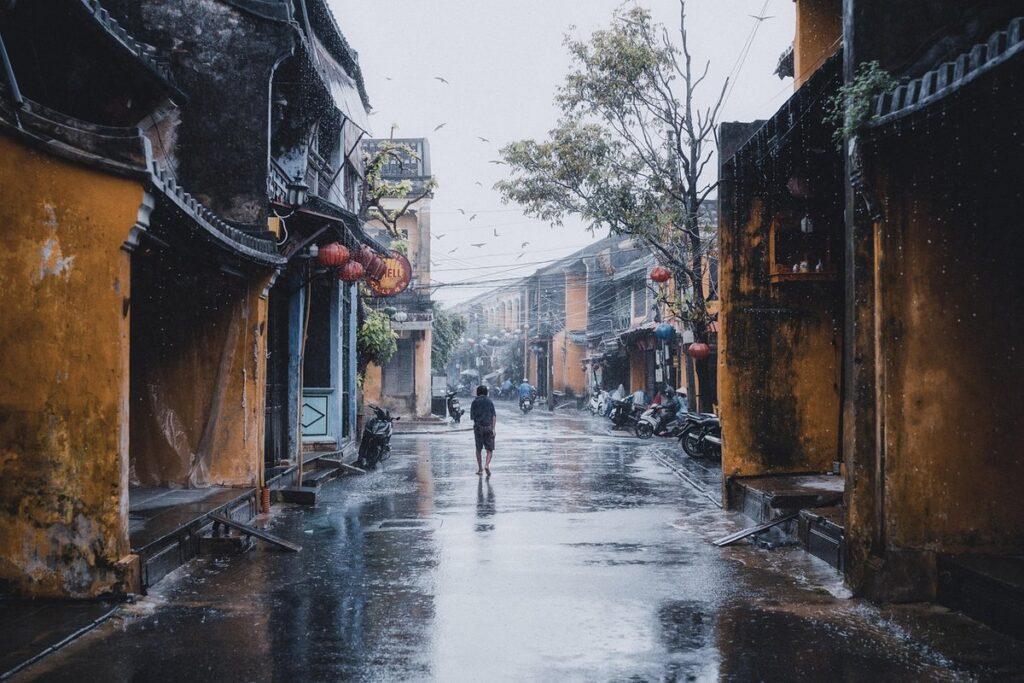
What is a Lantern Walk?
A lantern walk is a unique and enchanting experience where participants carry candles or lanterns to create a mesmerizing display of light. Let’s take a closer look at what makes these events so special.
History and Origins of Lantern Walks
Lantern walks have their roots in various cultures and traditions around the world. In Japan, for example, lanterns are used to honor ancestors during Obon festivals, while in China, they’re a key part of the Dragon Boat Festival celebrations. Similarly, in India, diyas – small clay lamps – are lit to welcome the goddess Lakshmi during Diwali.
These early lantern walks were often tied to specific events or rituals, such as harvest celebrations or seasonal transitions. As urbanization increased and people began moving away from rural areas, these events evolved into more general community gatherings. In the 19th century, lantern parades became a popular form of entertainment in Europe, particularly in England.
Today, lantern walks continue to blend cultural heritage with modern creativity. Organizers often incorporate local themes, music, and art to create a unique experience for participants and spectators alike. When planning your own lantern walk event, consider reaching out to local cultural organizations or community groups to see if they can provide insight into traditional practices or help source authentic materials.
Types of Lantern Walks: A Global Perspective
Lantern walks have become a beloved tradition globally, with diverse communities adapting and incorporating their unique cultural practices. In Japan, for instance, lantern walks are often linked to Buddhist ceremonies, where participants carry floating lanterns on rivers or lakes to honor the dead. This poignant ritual is known as “Chrysanthemum Floating.”
In India, Diwali celebrations often feature lantern walks through cities and villages, symbolizing the triumph of light over darkness. Participants carry intricately designed diyas (earthen lamps) and candles, creating a kaleidoscope of colors and lights.
In Europe, especially in Germany and Austria, Heidelberg Lantern Festivals are held annually, where participants create elaborate lanterns from paper and wood. These vibrant displays illuminate streets and parks, attracting thousands of spectators.
Meanwhile, in China, the Qixi Festival lantern walk is a centuries-old tradition that celebrates the legend of the Weaving Maiden and the Cowherd. Beautifully crafted lanterns adorn streets and gardens, while dragon dances and music performances add to the festive atmosphere.
Each of these examples showcases how lantern walks are woven into the fabric of local cultures worldwide. By embracing these unique traditions, event organizers can create a truly immersive experience that resonates with participants from diverse backgrounds.
Planning a Lantern Walk Event
Before you start planning your lantern walk event, let’s talk about the essential steps to take to ensure everything goes smoothly and safely. This includes deciding on a date and venue that will set the perfect ambiance for your magical evening.
Choosing the Right Location
When choosing a location for your lantern walk event, accessibility is paramount. Select a venue with clear pathways and minimal obstacles to ensure participants of all ages and abilities can safely navigate the route. Consider venues with gentle slopes or ramps instead of steep stairs, as this will not only make it easier for attendees but also create a more inclusive atmosphere.
Safety is another crucial factor to consider when selecting a location. Opt for areas that are well-lit, especially if you plan to walk through dark streets or wooded paths. Avoid locations prone to strong winds, heavy rainfall, or other inclement weather conditions that could compromise the safety of participants and their lanterns.
Finally, pay attention to ambiance. Choose a location with an aesthetic that complements your event’s theme and tone. A picturesque park or scenic waterfront can add depth and meaning to your lantern walk, while a bustling city street may provide a more dynamic backdrop for your event. Consider factors like noise levels, nearby attractions, and available amenities when selecting the perfect location for your lantern walk.
Themes and Decorations: Setting the Mood
When selecting a theme for your lantern walk event, consider what message you want to convey. A festive atmosphere can be created with traditional or cultural themes, while a more solemn ambiance might suit a memorial or charity-focused event. Think about the time of year and how it relates to your chosen theme – for example, a winter-themed event could incorporate snowflakes, pinecones, or evergreen branches.
Decorations play a crucial role in setting the mood. Use lanterns, twinkling lights, or candles to create pools of warm light amidst the darkness. Consider incorporating natural elements like branches, flowers, or leaves into your decor for an organic look. You can also use projection mapping or light installations to add an extra layer of magic to your event.
To tie everything together, think about a cohesive color scheme and stick to it. This will help create visual interest and draw attention to the lanterns. Avoid over-accessorizing – less is often more when it comes to creating a peaceful atmosphere. Keep in mind that the lanterns themselves should be the focal point, so balance your decorations accordingly.
Creating Lanterns for Your Walk
To create a magical lantern walk experience, you’ll want to craft unique and personalized lanterns that reflect your theme or style. Let’s explore how to make beautiful paper lanterns at home.
Materials and Craftsmanship: Making Beautiful Lanterns
When crafting beautiful lanterns for your walk, it’s essential to focus on materials and craftsmanship. Traditionally, lantern-making involves working with paper, silk, or translucent fabrics to create a soft, ethereal glow. You can use rice paper, for example, to create delicate, hand-painted designs that filter the light from within. Alternatively, try using tissue paper or tracing paper to achieve a softer, more subtle effect.
In terms of construction, consider using a bamboo or wooden frame as the base of your lantern. This will provide a sturdy foundation while allowing the beauty of the materials to take center stage. You can also experiment with different shapes and sizes to create unique and interesting silhouettes. For added durability, try coating your lanterns with a clear varnish or sealant.
A few key tips when working with delicate materials are to handle them gently and avoid exposing them to direct sunlight or extreme temperatures. By paying attention to these details, you can create beautiful, long-lasting lanterns that will add magic to your walk.
DIY vs. Store-Bought: Pros and Cons of Each Option
When it comes to creating lanterns for your walk, you have two primary options: making them yourself or purchasing them from a store. Each approach has its advantages and disadvantages.
Making your own lanterns allows for a high degree of creativity and customization. You can choose materials that fit your theme, such as natural fibers for an earthy look or colored glass for a more vibrant effect. This personal touch also makes the experience more enjoyable and engaging. However, DIY lantern-making requires time and effort, which may not be feasible for large-scale events.
On the other hand, store-bought lanterns offer convenience and speed. They come in various designs, shapes, and sizes, making it easy to choose ones that fit your theme. Additionally, purchasing lanterns can save you money and labor costs, especially if you’re hosting a big event. However, mass-produced lanterns may lack the unique charm of handmade ones.
Consider your resources, time constraints, and the number of participants when deciding between DIY and store-bought lanterns.
Safety Precautions for Lantern Walks
When participating in a lantern walk, it’s crucial to take necessary precautions to ensure your safety and the safety of others around you. This includes being mindful of your surroundings and following basic guidelines for navigating festive crowds.
Lighting Up the Night: Proper Use of Lanterns
When handling lanterns for a walk, safety should be top priority. Make sure to inspect each lantern before use, checking for any damage or wear on the fuel container, wick, and body of the lantern. If you notice any cracks or breaks, it’s best to discard the lantern altogether.
Fuel is another critical consideration. Always follow the manufacturer’s instructions for the type and amount of fuel to use. Typically, a small amount of fuel will suffice, as excess can be hazardous. For most lanterns, white gas or kerosene are suitable options, but always check the specific recommendations for your model.
When lighting a lantern, make sure it’s placed on a stable surface away from flammable materials. Keep a fire extinguisher nearby and have a plan in place for emergency situations. When extinguishing a lantern, never use water, as this can cause damage or create a hazardous situation. Instead, carefully snuff out the flame by covering the opening with your hand or by using a snuffer.
Emergency Planning and Response
When planning a lantern walk event, it’s essential to have emergency plans and procedures in place. A well-rehearsed emergency plan can save lives and minimize damage. Identify potential hazards such as uneven terrain, slippery paths, or nearby water sources that could pose risks during the walk.
Assign specific roles for trained personnel, including first aid responders and communication coordinators. Make sure they’re aware of the event layout, lantern placement, and any other relevant details. A designated meeting spot should be established in case of emergencies.
In case of an emergency, have a clear system for alerting attendees and staff. This can include using sirens, loudspeakers, or text message alerts. Keep a list of emergency contact numbers handy, including local authorities and medical services.
Prepare for common scenarios such as inclement weather, power outages, or accidents involving lanterns. Have a plan for evacuating the area if necessary, and make sure attendees are aware of exit routes. Regularly review and update emergency plans to ensure they’re effective and up-to-date.
Cultural Significance and Community Building
Lantern walks have been a cherished tradition for centuries, not just for their beauty but also for the sense of community they bring. In this next part, we’ll explore how lantern walks contribute to local culture and foster connections among participants.
The Role of Lantern Walks in Fostering Community Spirit
Lantern walks have a unique ability to bring people together, fostering a sense of community and social connection. This is because lantern walks often involve collective experiences, such as walking together in unison or creating a shared visual spectacle. As participants hold hands, carry candles, or walk with their families, they create opportunities for conversation and interaction that might not otherwise occur.
In many cultures, lantern walks are also seen as a way to honor traditions and heritage. By celebrating cultural diversity through lantern walks, communities can promote cross-cultural understanding and appreciation. This is often achieved by incorporating traditional music, food, or art into the event, which helps participants connect with one another on a deeper level.
To maximize the community-building potential of a lantern walk, consider incorporating activities that encourage social interaction, such as group games or contests, before or after the main event. This can help create a sense of shared purpose and camaraderie among participants, making the experience even more magical and memorable. By prioritizing these communal elements, you can transform your lantern walk into a true celebration of community spirit.
Celebrating Cultural Diversity through Lantern Walks
Lantern walks offer a unique opportunity for communities to come together and celebrate their cultural heritage. By incorporating diverse traditions and backgrounds into the event, organizers can create an inclusive atmosphere that honors the richness of local culture. For instance, you could decorate lanterns with symbols or patterns specific to different cultures, such as Japanese kanji characters or Indian henna designs. This not only adds visual interest but also provides a way for participants to engage with and appreciate diverse cultural practices.
To celebrate cultural diversity through lantern walks, consider the following ideas:
- Invite guest artists from various backgrounds to create unique lanterns that reflect their heritage.
- Encourage attendees to wear traditional clothing or accessories that represent their cultural identity.
- Play music or recite poetry that is meaningful to different cultures and communities.
- Set up stations or exhibits showcasing the history and significance of specific lantern-making techniques or traditions.
By embracing and celebrating diverse cultural traditions, lantern walks can become a powerful tool for community building and cross-cultural understanding.
Conclusion: Keeping the Tradition Alive
As we come full circle, let’s reflect on how to keep the magic of lantern walks alive for generations to come, ensuring their enchantment endures.
Tips for Organizing a Successful Lantern Walk Event
To make a lantern walk event truly special and memorable for participants, consider these essential tips. Begin by clearly defining the event’s purpose and scope to ensure everyone involved is on the same page. This will also help you create a cohesive theme and atmosphere.
When choosing a location, look for areas with historical or cultural significance that align with your event’s theme. A picturesque park or a charming waterfront can add to the ambiance of the lantern walk. Be mindful of accessibility and safety concerns, ensuring that the route is well-lit and free from hazards.
Another crucial aspect is promoting your event effectively. Utilize social media platforms to create buzz around the lantern walk, sharing engaging content and updates regularly. Consider partnering with local businesses or community groups to amplify your reach.
To enhance the overall experience, incorporate interactive elements such as live music, storytelling sessions, or art installations that complement the lanterns. This will not only captivate the audience but also encourage social interaction and community engagement.
When it comes to logistics, plan for sufficient lighting, restrooms, and refreshments. Have a clear emergency response plan in place, including first aid services and a communication system. Make sure to brief volunteers on their roles and responsibilities beforehand.
Lastly, don’t forget to take plenty of photos and videos during the event to capture its essence. This will not only serve as a keepsake for participants but also provide valuable content for future marketing efforts. By following these tips, you’ll be well on your way to hosting an enchanting lantern walk event that leaves a lasting impression on all who attend.
Frequently Asked Questions
How Can I Make Lantern Walks More Accessible for People with Disabilities?
Yes, it’s essential to ensure that lantern walks are inclusive and accessible to all participants. This can be achieved by choosing venues with wheelchair ramps or flat surfaces, providing accommodations such as Braille signs or audio descriptions for visually impaired attendees, and having a plan in place for emergency situations.
What If I Run Out of Time to Prepare for My Lantern Walk Event? Can I Still Make It Happen?
Yes. While thorough planning is ideal, it’s not impossible to host a successful lantern walk with limited time. Focus on the essential elements: choosing a safe venue, ensuring proper lighting and safety precautions, and promoting the event effectively.
How Do I Handle Inclement Weather During a Lantern Walk?
If rain or extreme weather conditions are forecasted, consider moving the event indoors or having a backup plan in place. Communicate with attendees about any changes through social media or email notifications to minimize disappointment.
Can I Use Solar-Powered Lanterns for My Event? Are They Reliable Enough?
Yes, solar-powered lanterns can be an excellent option for environmentally conscious and budget-friendly events. However, ensure that they are properly charged beforehand and have a backup power source in case of overcast weather or low sunlight conditions.
What If Some Participants Prefer Not to Carry Their Own Lanterns? Can I Provide Alternative Solutions?
Yes, consider offering alternative solutions such as battery-powered lanterns or having designated volunteers to carry extra lanterns. This way, you can accommodate participants who may not be able to carry their own lights while maintaining the event’s safety and overall aesthetic.

