
You’ve got an old pallet lying around or a bunch of mismatched planters collecting dust in your garage. Instead of tossing them, why not give them new life? Upcycling and repurposing everyday items is not only eco-friendly but also budget-friendly – a win-win for any DIY enthusiast! With a little creativity, you can transform those old pallets into unique wooden planters or turn mason jars into charming mini planters. In this comprehensive guide to DIY planter ideas, we’ll show you how to breathe new life into everyday items and create personalized planters that add a touch of personality to your home decor. From upcycling and repurposing to building from scratch, our guide covers it all – so whether you’re a seasoned DIY pro or just starting out, you’ll find inspiration and practical tips to help you get creative with your DIY planter projects.
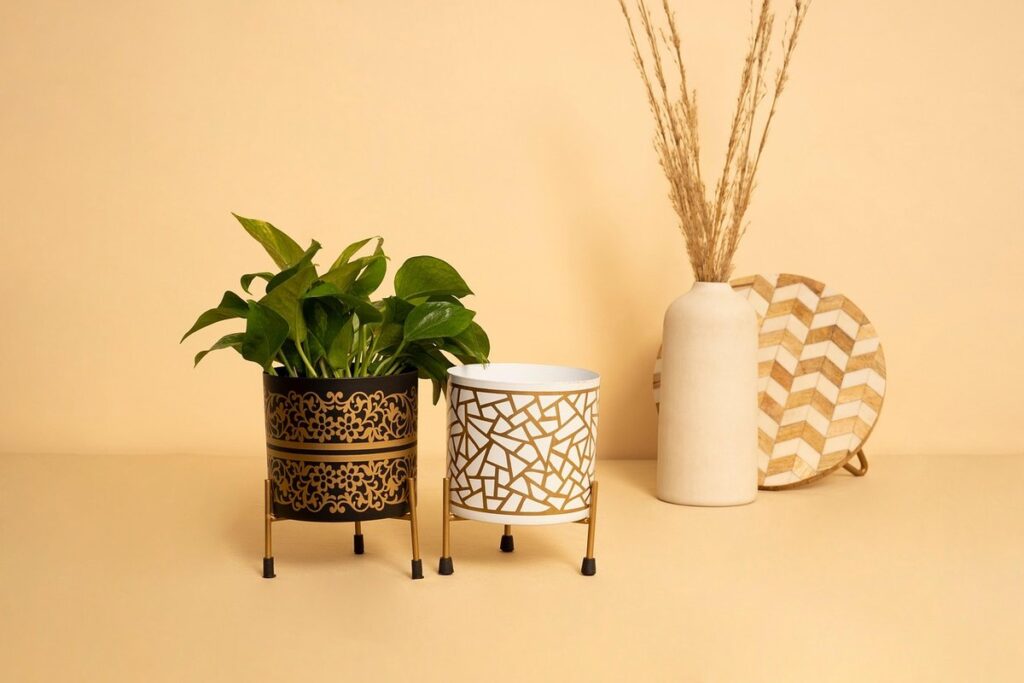
Creative Reuse of Everyday Items
Get creative and breathe new life into old items by turning them into unique planters that add personality to your home decor without breaking the bank. Old mason jars, plastic bottles, and cardboard tubes can become one-of-a-kind planters with a little imagination.
Upcycled Container Planters
When repurposing containers for planters, think beyond the usual ceramic pots and terra cotta vases. Upcycled container planters offer a unique and sustainable way to bring life to old bottles, jars, and other household items. Look for containers with interesting shapes or textures that will add visual interest to your space.
For example, use old metal colanders as hanging planters, attaching them to a wooden board or a metal rod. This creates a beautiful display of plants while making the most of the container’s built-in holes for drainage. Alternatively, clean and reuse glass bottles with wide mouths, filling them with a mix of potting soil and decorative stones for added visual appeal.
Some other items to consider upcycling include:
- Old tin cans (e.g., from vegetables or coffee)
- Plastic containers (like yogurt cups or large tubs)
- Wooden crates or boxes
- Vintage suitcases or trunks
When choosing a container, ensure it has drainage holes and is clean and dry before adding soil and plants. This will prevent waterlogged soil and root rot. By repurposing old containers in this way, you can create one-of-a-kind planters that add personality to your home decor while reducing waste.
Using Old Shoes as Planters
To turn old shoes into planters, start by selecting shoes with sturdy soles and breathable materials. Clean the shoes thoroughly with soap and water to remove dirt and debris. Next, drill drainage holes in the sole to prevent waterlogged soil. This will help keep your plants’ roots healthy.
Choose a small herb or succulent that doesn’t require deep roots. Fill the shoe with a well-draining potting mix, leaving about an inch at the top for watering. Plant your selected herb or succulent, and add a layer of decorative rocks or small pebbles on top to prevent washing away.
For added visual appeal, paint or decorate the shoes before adding plants. You can use vibrant colors or subtle patterns to match your home decor. To minimize maintenance, group shoes with similar materials together for easier cleaning.
Consider using old boots, sandals, or sneakers to add a unique touch to your garden or indoor space. Just remember to adjust the plant size according to the shoe’s capacity and drainage holes. This DIY project is an excellent way to breathe new life into discarded items and create one-of-a-kind planters that showcase your personality.
Transforming Wooden Crates into Planters
To transform wooden crates into planters, start by selecting crates with sturdy bottoms and flat tops. Scrub them clean to remove any dirt or debris. You can then paint or stain the crates to match your home’s decor, but for a more rustic look, leave them untreated.
For added drainage, drill holes in the bottom of each crate. This will help prevent waterlogged soil and root rot. Next, line the inside of each crate with a layer of landscape fabric or burlap to contain the potting mix and make cleanup easier.
If you’re using large crates, consider adding a wooden or plastic tray underneath for stability. Fill the crate with your chosen plants, leaving enough space between them for proper growth. Finally, add any finishing touches, such as decorative twine or a small plaque, to give your upcycled planters a unique personality.
Mason Jar Planter Ideas
Transform your home decor with a touch of rustic charm by repurposing mason jars as planters, perfect for adding a personal touch to any room.
Add some greenery to your space and make it feel cozy with these creative and easy-to-make mason jar planter ideas.
Decorating Mason Jars with Paint and Stickers
When decorating mason jars with paint and stickers, you can add a personal touch to make them unique and visually appealing. Start by choosing a design concept that fits your style, such as a monogram, floral pattern, or geometric shape. Use acrylic paint specifically designed for glassware, as it adheres well and dries quickly.
For a more intricate look, use small stickers in various shapes and sizes to create a collage effect. Apply the stickers first, then use a small brush to add details with paint. Be sure to seal your design with a clear coat of varnish or polyurethane to protect the paint from fading.
To give your mason jar planter an extra pop of color, consider using metallic paint or markers in shades like gold, silver, or copper. These can be applied over the top of other designs for added depth and visual interest. Remember that it’s okay to experiment and try different techniques – it’s all part of the creative process! With a little patience and creativity, you can transform plain mason jars into beautiful and one-of-a-kind planters that add personality to any room.
Creating a Vertical Garden Using Mason Jars
To build a space-saving vertical garden using stacked mason jars, start by preparing the jars. Clean and dry them thoroughly to prevent any bacteria from growing on the plants. Next, drill drainage holes in the bottom of each jar to ensure excess water doesn’t accumulate.
Arrange the jars in a sturdy base or a wooden planter box, spaced evenly apart for optimal growth. Fill each jar with potting soil, leaving about an inch at the top for watering. Plant your chosen herbs, succulents, or flowers in each jar, making sure not to overfill them.
For added stability and support, wrap twine or wire around the jars to hold them together. Hang your vertical garden near a sunny window or outside on a wall, adjusting as needed to ensure it’s level. Watering is crucial – check the soil moisture daily and water only when necessary.
A small cluster of three to five mason jar planters can add visual interest to a narrow balcony or kitchen nook, while larger installations can create a dramatic focal point in living rooms or entryways.
Adding a Personal Touch with Twine or Ribbon
To add a personal touch to your mason jar planters, consider using twine or ribbon as an embellishment. Twine can be wrapped around the neck of the jar, creating a rustic and earthy look that’s perfect for a garden or outdoor space. You can also use twine to create a hanger or loop, making it easy to hang your planter on a wall or from a hook.
Another option is to use ribbon in a variety of colors and patterns to match your home decor. Simply tie the ribbon around the neck of the jar or use it as a trim along the edges of the glass. This adds a pop of color and can help blend the planter with its surroundings. For a more whimsical touch, try using a combination of twine and ribbon together.
Some popular types of twine for crafting include burlap twine and jute twine, both of which have a natural, textured look that works well with mason jars. When choosing a color or pattern for your ribbon, consider the overall aesthetic you want to achieve in your space.
Wooden Planter Box Ideas
If you’re looking for a unique and rustic touch, wooden planter boxes can be a great addition to your home decor, offering plenty of design possibilities. From simple to elaborate designs, we’ll explore some inspiring ideas.
Building a Simple Wooden Planter Box
To build a simple wooden planter box, start by gathering the necessary materials: 2″ x 6″ lumber for the frame, 1″ x 6″ lumber for the bottom and shelves (if desired), wood screws, weather-resistant wood glue, and a drill press or impact driver. Cut four pieces of 2″ x 6″ lumber to the desired length for the sides and two pieces for the top and bottom.
Assemble the frame using wood screws, making sure it’s square and level. Attach the 1″ x 6″ lumber to the inside of the frame for the shelves, if using. Sand the entire box to smooth out any rough edges or splinters. If desired, add a coat of waterproof sealant to protect the wood from moisture.
For a more rustic look, consider using reclaimed or weathered wood. You can also add decorative trim or finishing touches, such as a lattice top or a decorative border, to give your planter box some personality. When choosing plants for your new planter box, select varieties that thrive in containers and have similar growing requirements to ensure they receive the right amount of sunlight, water, and nutrients.
Creating a Garden Bench with Built-In Planters
A garden bench with built-in planters offers a unique opportunity to combine seating and greenery in one design. To create such a feature, you’ll need to consider both the functional aspects of the bench and the needs of the plants. Start by selecting a location that receives sufficient sunlight for the chosen plant species. Choose a spot near the house or under a shaded area if your selected plants require partial shade.
When designing the planter section, think about the type of plants you want to feature. Some plants thrive in deeper soil and may need more extensive containers, while others prefer shallow planters with good drainage. You can also consider using a self-watering system or incorporating built-in irrigation for easier maintenance.
To ensure stability and safety, make sure the bench is securely anchored to the ground. This will prevent it from tipping over under weight. Consider adding a backrest and armrests to enhance comfort while seated. When selecting plants, choose species that are low-maintenance and can tolerate varying weather conditions.
Adding Decorative Trim and Finishing Touches
To enhance wooden planter boxes with decorative trim and finishing techniques, consider adding a rustic touch with a distressed wood finish. Use sandpaper to distress the edges of the wood, then stain or paint it to match your desired aesthetic. You can also add a decorative metal strip along the edges or corners for a more polished look.
For a more subtle approach, try using a wood filler to fill in any gaps or cracks between the boards. This will not only create a seamless appearance but also protect the wood from rot and insect damage. Use a putty knife to apply the filler, then sand it down once dry.
When choosing decorative trim, consider the style of your home and the surrounding decor. For example, if you’re going for a modern look, opt for sleek metal or minimalist wooden trim. If you prefer a more traditional aesthetic, choose ornate wood carvings or intricate metalwork.
Recycled Material Planter Ideas
Get creative and give old materials new life by turning them into planters, from plastic bottle planters to pallet garden ideas that add a personal touch to your home decor.
Using Old Tires as Planters
Repurposing old tires into planters is a creative way to give new life to discarded materials. This approach is particularly suitable for large plants or trees that require more space and drainage. When choosing old tires, select ones with a diameter of at least 24 inches to ensure they can accommodate the root system.
To convert a tire into a planter, you’ll need some basic tools like a drill, wire brush, and gloves. Clean the tire thoroughly by scrubbing off any debris or grime. Drill drainage holes in the bottom to prevent waterlogged soil. Next, add a layer of gravel or broken pottery for improved drainage.
For added stability, place the tire on a sturdy base or weigh it down with rocks. You can also attach a trellis or stake around the tire to provide support for climbing plants. When selecting plants, choose species that thrive in containers and have deep root systems, such as trees like olives or citrus, or large shrubs like hydrangeas.
Keep in mind that tires may be heavy when filled with soil, so consider anchoring them securely to prevent toppling over. With proper care, old tire planters can add a unique touch to your home decor while promoting sustainability and reducing waste.
Creating a Living Wall Using an Old Door
To create a living wall using an old door, you’ll need to start by assessing its condition and determining what modifications it needs. If the door is sturdy enough, you can leave it as is and attach planters directly to it. However, if it’s damaged or warped, consider replacing the sections that are beyond repair.
Begin by measuring your door to determine how many planters you’ll need and where they should be placed for optimal space utilization. You can use a level to ensure everything stays even. Choose planters with built-in irrigation systems to make maintenance easier.
Attach planters using screws or nails, making sure they’re securely fastened to the door. If desired, add a trellis or other decorative element to provide support for climbing plants. For a more rustic look, consider leaving some space between planters and adding a few decorative stones or pebbles.
To ensure your living wall thrives, choose plants that are suitable for high-traffic areas and can tolerate varying light conditions. Watering will be essential, especially during hot weather. Regularly inspect the door’s surface for any damage caused by moisture accumulation and make adjustments as needed.
Upcycled Metal Drum Planters
To create upcycled metal drum planters, start by selecting a sturdy metal drum with a rust-resistant coating. Clean and dry the drum thoroughly to ensure it’s free of debris and moisture. Next, add a layer of protective sealant or paint to prevent further corrosion and enhance the planter’s aesthetic appeal.
When choosing plants for your metal drum planter, consider species that thrive in well-draining conditions, such as succulents or herbs. Avoid plants with deep roots, like trees or shrubs, as they may damage the drum over time.
For added stability, place a layer of small rocks or broken pottery at the bottom of the drum before adding soil and plants. This will help prevent water from accumulating in the planter and reduce the risk of root rot.
You can also customize your metal drum planters by attaching a trellis or obelisk for climbing plants to grow on, or by incorporating decorative elements like moss or small pebbles into the design. With proper care, upcycled metal drum planters can become unique and long-lasting additions to your home decor, perfect for indoor or outdoor spaces.
DIY Planter Box Plans
To create a beautiful and functional planter box, you’ll need some basic woodworking skills and materials, which we’ll outline below to help you get started. Let’s take a closer look at the plans for building a stunning planter box.
Simple Wooden Planter Box Plans
Building a simple wooden planter box is an excellent DIY project for beginners. The plans involve basic woodworking techniques and minimal materials, making it accessible to those with limited experience. To start, you’ll need 2 x 6 lumber for the frame, 1 x 6 lumber for the bottom, and some wood screws.
You can use a variety of woods, such as cedar or pine, depending on your preference and budget. Cut the 2 x 6 lumber into four pieces for the sides and two pieces for the back and front. Assemble the frame using wood screws, making sure to secure it tightly.
The bottom of the planter box is typically made from 1 x 6 lumber, which you can attach to the inside of the frame using nails or screws. This will provide a flat surface for your plants’ roots. You’ll also need to drill some drainage holes in the bottom to prevent waterlogged soil.
To add an extra layer of protection against rot and insects, apply a waterproof sealant to the wood before assembling it. Follow the manufacturer’s instructions for application and drying times. With these simple plans, you can create a beautiful wooden planter box that adds charm to your home decor and provides a healthy environment for your plants.
Advanced Planter Box Designs with Storage
Advanced planter box designs often take it a step further by incorporating storage compartments within the planter boxes. This feature is particularly useful for gardeners who want to keep their gardening tools and supplies organized while also having a beautiful display of plants. A common design includes a sliding drawer or hinged compartment that can be accessed from the side or front of the planter box.
Some examples of advanced planter box designs with storage include:
- A planter box with a built-in trellis system, where the trellis is hidden within a sliding drawer for easy access to gardening tools.
- A vertical planter box with multiple levels, each level featuring its own storage compartment and separate drainage system.
- A large wooden planter box with a central storage compartment that can be used to store potting soil, fertilizer, or other gardening supplies.
When designing your own advanced planter box with storage, consider the type of plants you will be using and the amount of space needed for their roots. Also, think about the accessibility of the storage compartments and how they will fit into the overall aesthetic of your garden or indoor space. By incorporating thoughtful storage solutions, you can create a functional and beautiful DIY planter box that elevates your home decor.
Tips for Customizing Your Own Planter Box Design
When building a planter box, you have the freedom to customize it according to your needs and preferences. Consider the space where the planter will be placed: if it’s for a small balcony or patio, choose a compact design that won’t overwhelm the area. On the other hand, if you’re looking to add a statement piece to your garden, opt for a larger planter box with more elaborate details.
Think about the style of your home and incorporate elements that match its aesthetic. For example, if you have a rustic house, choose a planter box made from reclaimed wood or add decorative metal accents. Alternatively, if your home has a modern look, use sleek materials like aluminum or glass to create a contrasting yet harmonious appearance.
You can also get creative with the design by adding unique features such as built-in irrigation systems, storage compartments, or even a trellis for climbing plants. These features not only enhance functionality but also add visual interest to your planter box. Remember to balance form and function when making these modifications.
Planting Ideas and Tips
To bring your DIY planter project to life, we’ll share essential tips on selecting the right plants and arranging them beautifully within their containers. From leafy greens to colorful blooms, learn how to create a stunning display.
Choosing the Right Plants for Your DIY Planters
When selecting plants for your DIY planters, it’s essential to consider both their growth habits and aesthetic appeal. Different plants thrive in varying levels of sunlight, moisture, and temperature, so choose varieties that match your planter’s conditions.
For example, succulents and cacti are perfect for indoor spaces with limited natural light, while ferns and peace lilies prefer brighter spots. If you’re using a self-watering planter or have trouble remembering to water, opt for plants like snake plants or spider plants that can survive neglect.
Consider the mature size of your chosen plants as well. Some varieties, like English ivy or wisteria, can become quite large and may require pruning or training. Other options, such as herbs or microgreens, remain compact and are ideal for smaller spaces.
When selecting plants for visual interest, think about textures, colors, and shapes. Combine smooth-leaved plants like coleus with fuzzy-leaved ones like echeveria for a visually appealing contrast. Incorporate flowering plants like begonias or geraniums to add pops of color to your display.
Essential Care Instructions for DIY Planters
When it comes to caring for plants in your DIY planters, understanding their specific needs is crucial. Different types of plants require varying levels of watering, fertilization, and pruning. For example, succulents and cacti need infrequent but thorough watering, as overwatering can lead to root rot. On the other hand, flowering plants like impatiens and begonias prefer moist soil and regular watering.
Fertilizing is another key aspect of plant care. Feed your plants with a balanced fertilizer during the growing season (spring-fall) to promote healthy growth. However, avoid overfertilizing, as this can damage the roots and harm the plant. For specific types of plants, consider using acidic or alkaline fertilizers.
Pruning is essential for maintaining plant shape and promoting healthy growth. Prune back overgrown branches, remove dead or dying leaves, and trim flowers to encourage blooming. The frequency and technique of pruning depend on the type of plant; consult a gardening expert or research specific guidelines for your plant species. Keep in mind that plants may require more frequent watering after pruning, so monitor their needs closely.
To ensure optimal care, check the soil moisture by sticking your finger into the soil up to the first knuckle. Water only when the top inch of soil feels dry.
Seasonal Decorating Ideas Using Your DIY Planters
Seasonal decorating is a great way to give your DIY planters a fresh new look without breaking the bank. For spring and summer, you can add some colorful ribbons or twine around the planter neck, or tie a small bouquet of flowers to the handle. Pinecones, acorns, or other natural elements can also be used to create a rustic, outdoorsy feel.
For fall, consider adding some dried leaves, corn husks, or artificial pumpkins to your planters. You can also use a combination of evergreen branches and pinecones to create a warm, inviting atmosphere.
In the winter, try using festive ribbons, garlands, or ornaments to add a touch of holiday cheer to your DIY planters. You can also incorporate some natural elements like holly, eucalyptus, or cedar into your decor.
Some popular seasonal decorating ideas include:
- Creating a monochromatic look with plants and decorations in the same color family
- Mixing textures by combining smooth plants with rough, textured decorations
- Using a unifying theme, such as coastal-inspired shells or vintage-inspired lace, to tie together all of your DIY planters
Frequently Asked Questions
What If I Don’t Have the Right Tools for Upcycling Containers?
Yes, you can still upcycle containers without specialized tools; look for creative alternatives like using household items or borrowing from friends. Consider repurposing materials that require minimal equipment, such as mason jars or wooden crates.
Can I Use My DIY Planters Year-Round in Different Weather Conditions?
Yes, with proper maintenance and protection, your DIY planters can withstand various weather conditions. Apply a waterproof sealant to protect wood and metal components, and ensure good drainage to prevent waterlogged soil during rainy seasons.
How Do I Prevent Pests from Damaging My Upcycled Planters?
To prevent pests from damaging your upcycled planters, use natural deterrents like neem oil or diatomaceous earth around the planter’s base. Regularly inspect your plants for signs of infestation and take prompt action if you notice any issues.
Can I Mix Different Types of Materials in My DIY Planters?
While it’s possible to combine different materials, ensure they’re compatible and suitable for each other. For instance, pairing wood with metal can create a beautiful contrast, but be mindful of potential rust or rot damage when combining organic and inorganic materials.
What If I Want to Create a Vertical Garden Using Mason Jars on a Large Scale?
When creating a large-scale vertical garden using mason jars, consider the structural integrity of your support system. Use sturdy brackets or a wooden frame to hold the weight of multiple layers, ensuring stability and preventing collapse under heavy plant loads.

