
Choosing the perfect leaves for your fall decorations is an art that requires attention to detail. You want to select leaves that are vibrant in color, yet still retain their delicate texture and shape. But once you’ve gathered the most beautiful leaves, how do you preserve them for year-round enjoyment? The process of preserving leaves can be a bit tricky, but with the right techniques, you can create stunning fall decorations that will add a touch of autumn charm to any room. In this article, we’ll explore expert tips and ideas on choosing the perfect leaves, as well as methods for preserving them so they remain fresh-looking all year long. By the end of this guide, you’ll have the skills to create beautiful fall decorations with leaves that will be the envy of your friends and family.
Choosing the Perfect Leaves for Your Decor
When selecting leaves for your fall decor, consider their size, shape, and color to create a cohesive look that complements your space’s style. Choose from a variety of textures and patterns to add depth and interest.
Selecting Real vs. Artificial Leaves
When it comes to selecting leaves for your fall decorations, you have two main options: real leaves and artificial ones. Real leaves can add a warm, organic touch to your decor, but they require more maintenance than artificial leaves. They can wilt or turn brown if not properly cared for, and may need to be replaced frequently.
On the other hand, artificial leaves are durable and long-lasting, making them a great option for high-traffic areas or outdoor spaces where real leaves might not survive. However, artificial leaves can lack the natural texture and color of real ones, which some people find less aesthetically pleasing.
In terms of cost, real leaves are often free or low-cost, as they can be collected from your yard or nearby parks. Artificial leaves, on the other hand, can range in price depending on quality and quantity.
If you do choose to use real leaves, consider using a sealant or preservative to extend their lifespan. This can help prevent them from drying out or becoming discolored over time.
Popular Types of Leaves Used in Fall Decorations
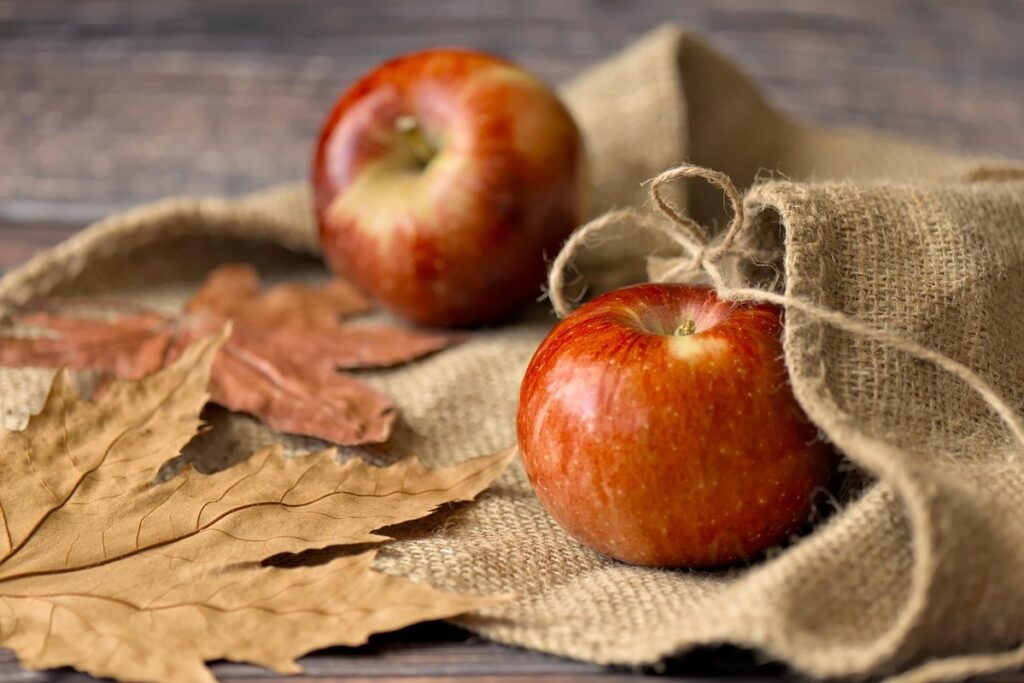
Maple leaves are a popular choice for fall decorations due to their vibrant red and orange hues. Their lobed shape adds visual interest and can be used in various arrangements, from simple bouquets to elaborate centerpieces. Oak leaves, with their deep brown color and pointed tips, provide a more rustic and earthy feel. They pair well with burlap, twine, and other natural elements.
Birch leaves are often overlooked but offer a delicate, lacy texture that adds a whimsical touch to fall decor. Their pale yellow color can also serve as a nice contrast to the richer tones of maple and oak leaves. Consider combining birch leaves with some greenery like ferns or eucalyptus for a fresh look.
When choosing between these types of leaves, consider the overall aesthetic you want to achieve in your fall decor. If you’re aiming for a bold, statement-making arrangement, maple leaves may be the way to go. For a more subtle, natural look, oak or birch leaves might be a better fit.
Tips for Preparing Real Leaves for Decorating
When collecting real leaves for fall decorations, it’s essential to clean them thoroughly to prevent mold and mildew. Start by gently blowing off loose dirt with a soft-bristled brush or a small, dry paintbrush. Next, mix one part white vinegar with two parts water in a spray bottle and mist the leaves lightly. This solution helps remove any remaining debris and kills bacteria that can cause damage.
To dry real leaves for decoration, spread them out on paper towels or a clean cloth to air-dry. Avoid placing them directly under direct sunlight or heat sources, as this can cause fading or discoloration. You can also speed up the drying process by using a fan on a low setting. Once the leaves are completely dry, handle them carefully to prevent bruising or tearing.
To preserve real leaves for longer use, consider pressing or ironing them between sheets of paper or parchment. This technique helps flatten the leaves and prevents further decay. For added protection, coat the dried leaves with a clear varnish or sealant to shield against moisture and fading. Regularly inspect your preserved leaves for signs of damage or discoloration and replace them as needed to maintain their appearance.
Creating Leaf-Themed Centerpieces and Arrangements
To add a touch of autumn charm to your home, create stunning centerpieces and arrangements using real or artificial leaves in various colors and textures. These beautiful creations can be made in minutes with just a few simple materials.
DIY Leaf Wreaths and Garlands
To create beautiful leaf wreaths and garlands, start by gathering a variety of leaves in different shapes and sizes. Real leaves like maple, oak, and birch work well for this project, but artificial options can also provide a similar look with less maintenance.
When working with real leaves, choose ones that are fresh and pliable to ensure they hold their shape when arranged. For wreaths, select leaves with sturdy stems, as these will provide the framework for your design. Artificial leaves, on the other hand, come in a range of shapes and sizes, making it easy to create uniform designs.
Begin by creating a base for your wreath using floral wire or a hot glue gun. Start attaching leaves to the base, working in a circular pattern to achieve a balanced look. To add depth, incorporate smaller leaves around the edges and larger ones towards the center.
For garlands, simply thread artificial leaves onto twine or ribbon, or use real leaves tied together with floral wire. Consider layering different leaf shapes and sizes for added visual interest. This will create a lush, full effect when draped along a mantel or staircase.
How to Make a Stunning Fall Leaf Vase Filler
To create a stunning fall leaf vase filler, start by selecting leaves of varying sizes and shapes. You’ll want to include some larger leaves to provide depth, as well as smaller ones for added texture. Gently place the largest leaves at the bottom of the vase, overlapping them slightly to create a full base.
Next, add a layer of medium-sized leaves, arranging them in a loose, organic pattern. This will help fill out the space and create visual interest. Finally, sprinkle smaller leaves throughout the arrangement, tucking them into any gaps or crevices for a more natural look.
To secure the leaves in place, you can use floral wire or a hot glue gun to attach them to the vase’s interior walls or each other. Alternatively, you can simply arrange the leaves as desired and let them stand on their own – many will naturally settle into place over time.
For added depth, consider adding some dried seed pods, pinecones, or small branches to your leaf arrangement. These elements will not only add texture but also provide a natural, earthy fragrance to your vase filler. By following these simple steps and experimenting with different combinations of leaves and decorative elements, you can create a truly stunning fall leaf vase filler that adds warmth and personality to any room.
Tips for Mixing Leaves with Other Decorative Elements
When combining leaves with other seasonal decorations, consider the natural colors and textures of each element to create a cohesive look. For example, pairing warm-toned pumpkins with deep red or burgundy leaves creates a rich autumnal palette.
To add visual interest, balance large, statement pieces like pumpkins with smaller details like candles or ribbons. This will prevent the arrangement from feeling too heavy or overwhelming. You can also use leaves to create a backdrop for other decorations by arranging them in a loose, organic pattern.
Use ribbons and twine to tie together different elements within the arrangement. For instance, you can wrap a ribbon around a vase filled with leaves, or use twine to hang candles from branches. Be mindful of the scale and texture of each element to avoid creating a cluttered look.
When mixing leaves with other decorations, remember that less is often more. A simple, understated approach can be just as effective as a bold, show-stopping one. By keeping your color palette and textures in harmony, you can create a visually appealing centerpiece or arrangement that celebrates the beauty of fall.
Using Leaves in Outdoor Fall Decorations
Let leaves be the star of your outdoor fall decor by learning how to create beautiful and easy arrangements that add a pop of color to your yard. We’ll share our top tips for using leaves in creative ways.
Creating a Beautiful Leaf-Themed Porch or Patio Display
To create a stunning outdoor display using fall leaves, start by selecting a mix of leaf colors, shapes, and textures to add visual interest. Fill planters, urns, and other containers with a combination of real or artificial leaves, depending on your preference and the desired look. Consider incorporating seasonal flowers like mums or asters into the design for added color.
When arranging leaves in containers, think about creating layers or heights by placing smaller items behind larger ones. This will add depth to the display without overwhelming the space. You can also experiment with different leaf orientations – some face-up, others face-down – to create a sense of movement and energy.
Incorporate natural elements like pinecones, acorns, or branches into your design to bring warmth and coziness to the space. Finally, don’t be afraid to get creative and try out new arrangements until you find one that perfectly captures the essence of fall in your outdoor display. A mix of leaf colors and textures can create a visually appealing display.
Making a Statement with Large-Scale Leaf Installations
Large-scale leaf installations can add a dramatic touch to outdoor spaces during the fall season. To create such an installation, start by selecting leaves of varying sizes and shapes to achieve visual interest. You’ll need a sturdy structure or framework to support the weight of the leaves, which can be made from wire mesh, wooden latticework, or even repurposed fencing.
Secure the leaves to the framework using floral wire, hot glue, or a strong adhesive, depending on the type and weight of the leaves. To ensure longevity, apply a waterproof coating or sealant to protect the installation from moisture and wind damage. For added realism, you can mix real leaves with artificial ones or use a combination of leaf shapes and sizes to create a textured look.
Consider incorporating LED lights or string lights within the framework to illuminate the leaves at night, creating an enchanting ambiance for evening gatherings or Halloween parties. With proper care and maintenance, large-scale leaf installations can last throughout the fall season and even beyond, providing a unique and striking focal point for outdoor spaces. Regularly inspect the installation to ensure that the leaves remain securely attached and adjust as needed.
How to Use Leaves in Outdoor Lighting Displays
To incorporate fall leaves into outdoor lighting displays, consider using string lights wrapped around leaf-covered branches or placed among fallen leaves on a porch floor. You can also hang lanterns with a leaf pattern or attach them to a leaf-shaped frame. For a more subtle effect, place candles in mercury glass holders surrounded by a vase of preserved leaves or a few strategically arranged real leaves.
When using string lights, experiment with different lighting patterns and spacings to create a natural, whimsical ambiance. Hang lanterns at varying heights to add visual interest to your display. To avoid over-accessorizing, focus on one statement piece – such as a large leaf-covered wreath or a beautifully lit fall-themed sculpture – and balance it with simpler elements.
For a cohesive look, select lighting fixtures that complement the color palette of your leaves. For example, warm-toned metal lanterns work well with rich red and orange leaves, while mercury glass holders suit cooler-toned leaves like shades of purple and blue. By combining these ideas, you can create a unique outdoor lighting display that showcases the beauty of fall leaves in a captivating way.
Integrating Leaves into Your Home’s Interior Design
When it comes to fall decor, leaves offer a multitude of creative possibilities for adding warmth and coziness to your home’s interior. Let’s explore how to seamlessly integrate this natural element into your space.
Ideas for Using Fall Leaves in Vases and Containers
To showcase the natural beauty of fall leaves indoors, choose vases and containers that complement their vibrant colors and textures. Consider using clear glass or mercury glass vases to allow the leaves’ intricate details to shine through. Alternatively, opt for wooden or woven containers that bring a rustic touch to your decor. When selecting vases, consider the size and shape of the leaves – larger leaves like oak or maple can be showcased in a statement piece, while smaller leaves like ferns or birch work well in more delicate vessels.
For a cohesive look, choose vases and containers with similar shapes and materials. This will create a sense of visual flow throughout your space. You can also mix and match different shapes and sizes to add depth and interest to your display. To prevent the leaves from getting soggy or damaged, use a small amount of floral foam or paper shreds at the base of the vase. Finally, don’t be afraid to experiment with different arrangements – layering smaller leaves around a larger centerpiece can create a stunning focal point in any room.
Creating a Cozy Fall Atmosphere with Leaf-Themed Accents
To create a cozy fall atmosphere with leaf-themed accents, start by incorporating autumnal patterns on throw pillows and blankets. Choose fabrics featuring vibrant reds, oranges, and yellows to evoke the feeling of fallen leaves. Consider adding a few statement pieces, like a wall art or tapestry, that showcase large, detailed illustrations of leaves.
You can also repurpose vintage maps or prints featuring fall foliage as a unique alternative to traditional artwork. Hang them above a console table or use them as a headboard to create a sense of depth and visual interest. Another idea is to add leaf-shaped decorative accents, such as metal wall hooks or wooden coat racks, to your entryway or living room.
When mixing these leaf-themed accents with other seasonal decorations, remember that less is often more. A few well-placed pieces can make a bigger impact than over-accessorizing. Experiment with different textures and colors to find a balance that feels cozy and inviting to you.
Tips for Mixing Leaves with Other Seasonal Decorations Indoors
When combining fall leaves with other seasonal decorations indoors, consider their textures and colors to create a visually appealing arrangement. Pair smooth, matte leaves with natural textures like burlap or linen, while glossy leaves can be paired with metallic accents for added depth.
To create a cohesive look, group similar elements together, such as placing multiple vases with fall leaves near each other on a console table. Mixing different shapes and sizes of pumpkins, gourds, and other seasonal items can also add visual interest to your arrangement.
Incorporate candles or lanterns in autumnal scents like pumpkin spice or apple cinnamon to enhance the warm atmosphere. You can place them amidst the leaves or use them as a base for your leaf-filled vases.
Consider the height and scale of your arrangements, placing taller items towards the back and shorter ones towards the front. Don’t be afraid to experiment with different combinations – you might find that a particular pairing creates a unique and inviting atmosphere in your home.
Preserving Fall Leaves for Year-Round Enjoyment
You’re eager to keep the beauty of fall alive long after the seasons change, and we’ve got a few secrets up our sleeve on how to preserve those gorgeous leaves for year-round enjoyment. From drying to pressing, we’ll share some easy techniques to make it happen.
Methods for Pressing and Drying Fall Leaves
To press and dry fall leaves effectively, start by collecting fresh leaves with minimal damage. Gently place them between sheets of paper towels or blotting paper to prevent moisture transfer. Weigh down the leaves with a heavy book or a press specifically designed for leaf preservation.
A typical pressing time is 2-4 weeks, depending on the thickness and moisture content of the leaves. Check on them periodically to flip the leaves and ensure even drying. For faster results, use desiccant packets or silica gel in your press. Be cautious not to over-dry, as this can cause fading or brittleness.
To prevent discoloration, avoid direct sunlight exposure during pressing. Instead, place the leaf press in a shaded area or under indirect lighting. Some leaves may develop discolored patches due to high moisture content; these areas will typically fade once the drying process is complete.
Keep your pressed leaves away from heat sources and direct light after they’re dry to maintain their color and texture. Properly stored, preserved leaves can last for several years without significant degradation.
Ideas for Displaying Preserved Leaves in Your Home
When it comes to showcasing preserved fall leaves indoors, you have a variety of creative options. Consider framing individual leaves as delicate works of art, using acid-free mats and frames to protect them for years to come. Alternatively, use a strong adhesive or decoupage medium to mount the leaves onto a piece of wood, cardboard, or even an old book page.
Another idea is to arrange preserved leaves in decorative containers, such as mercury glass vases or apothecary jars, for a beautiful and whimsical display. You can also group several small leaves together on a wooden dowel or a wire stem, creating a striking mobile that adds visual interest to any room.
For a more rustic look, try arranging preserved leaves in a vintage window frame or a distressed wooden box. This creates a charming focal point that adds warmth and coziness to your home’s interior.
Frequently Asked Questions (FAQs) About Fall Decorations with Leaves
When selecting fall decorations featuring leaves, many people have questions about what works best. What type of leaves are suitable for decorating? Generally, any leaf that is sturdy and doesn’t wilt quickly can be used. Consider oak, maple, or birch leaves for their vibrant colors and sturdy texture. Avoid using leaves with a high moisture content, like those from the willow tree, as they’ll likely turn brown within days.
What’s the best way to preserve leaves for decoration? A simple approach is air-drying. Gather the desired leaves and tie them in small bunches. Hang these bunches upside down in a warm, dry space until completely dry. Another option is pressing leaves between sheets of paper or a flower press. This method helps maintain leaf color and shape.
How long do preserved leaves typically last? Their lifespan depends on storage conditions. Store dried or pressed leaves away from direct sunlight and moisture to prolong their life. With proper care, they can remain vibrant for several months to a year.
Frequently Asked Questions
Can I use fall leaves in my outdoor decorations even if they’re exposed to heavy rain or snow?
Yes, artificial leaves can withstand harsh weather conditions, but real leaves may require additional protection, such as applying a waterproof coating or using a clear sealant to preserve them.
How do I prevent the leaves from turning brown or wilted when used in indoor arrangements?
To maintain the color and texture of real leaves, keep them away from direct sunlight, heat sources, and drafts. You can also mist them with water occasionally to keep them hydrated and fresh-looking.
What if I want to create a large-scale leaf installation for my outdoor space but don’t have enough natural foliage?
You can supplement your design with artificial leaves or use a combination of real and fake leaves to achieve the desired effect. Just ensure that you secure the installation properly to withstand wind and weather conditions.
Can I mix different types of leaves, such as maple and oak, in the same arrangement for added visual interest?
Mixing different leaf shapes and sizes can create a unique and visually appealing design. Simply balance the arrangement by considering the scale, texture, and color of each leaf type to achieve harmony.

