
Making natural laundry detergent is easier than you think, and it’s a game-changer for anyone looking to reduce their exposure to harsh chemicals in cleaning products. Conventionally made detergents contain artificial fragrances, dyes, and preservatives that can irritate skin and harm the environment. By switching to a homemade solution, you can significantly cut down on these toxins while also saving money long-term. A simple recipe typically involves combining washing soda, borax, and a natural soap or detergent base with some hot water to create a concentrated formula. This article will walk you through two easy recipes for making natural laundry detergent at home, using common ingredients that are gentle on clothes and the planet.
Understanding the Benefits of Natural Laundry Detergent
Making the switch to natural laundry detergent is a great first step towards reducing your environmental impact, and understanding its benefits is key to making it work for you effectively.
Why Switch to Natural Laundry Detergent
Many individuals are making the switch to natural laundry detergent due to growing environmental concerns and health benefits. One key reason is the reduction of harsh chemicals and toxins released into waterways through commercial detergents. These chemicals can harm aquatic life, contaminate drinking water sources, and contribute to pollution.
Another significant concern is the impact on human health. Store-bought detergents often contain fragrances, dyes, and other additives that can trigger allergies or sensitivities in some people. Natural laundry detergent alternatives, by contrast, use plant-based ingredients that are gentler on skin and the environment.
Moreover, making natural laundry detergent at home allows individuals to control exactly what goes into their cleaning products. This is particularly important for households with young children, pets, or family members with compromised immune systems. By choosing natural ingredients, you can minimize exposure to potential irritants and create a healthier indoor environment.
Common Issues with Store-Bought Detergents
Store-bought detergents often contain harsh chemicals like sodium lauryl sulfate (SLS), which can cause skin irritation and allergic reactions. These chemicals can also contribute to environmental pollution, contaminating waterways and harming aquatic life. Moreover, commercial detergents frequently rely on artificial fragrances, dyes, and preservatives that release volatile organic compounds (VOCs) into the air.
Some people may be more sensitive than others to these harsh chemicals, leading to skin problems or respiratory issues. Additionally, prolonged use of conventional detergents can strip clothing of its natural oils, making fabrics prone to pilling, fading, or discoloration.
Another drawback is the environmental impact of commercial laundry detergents. Manufacturing processes for traditional detergents often involve significant amounts of water and energy consumption, contributing to greenhouse gas emissions and water pollution. The packaging for these products also contributes to waste and can end up in landfills or oceans.
Gathering Essential Ingredients
To make natural laundry detergent at home, you’ll first need to gather some essential ingredients that will form the foundation of your custom blend. These key components include washing soda, borax, and a natural soap base.
Overview of Natural Laundry Detergent Ingredients
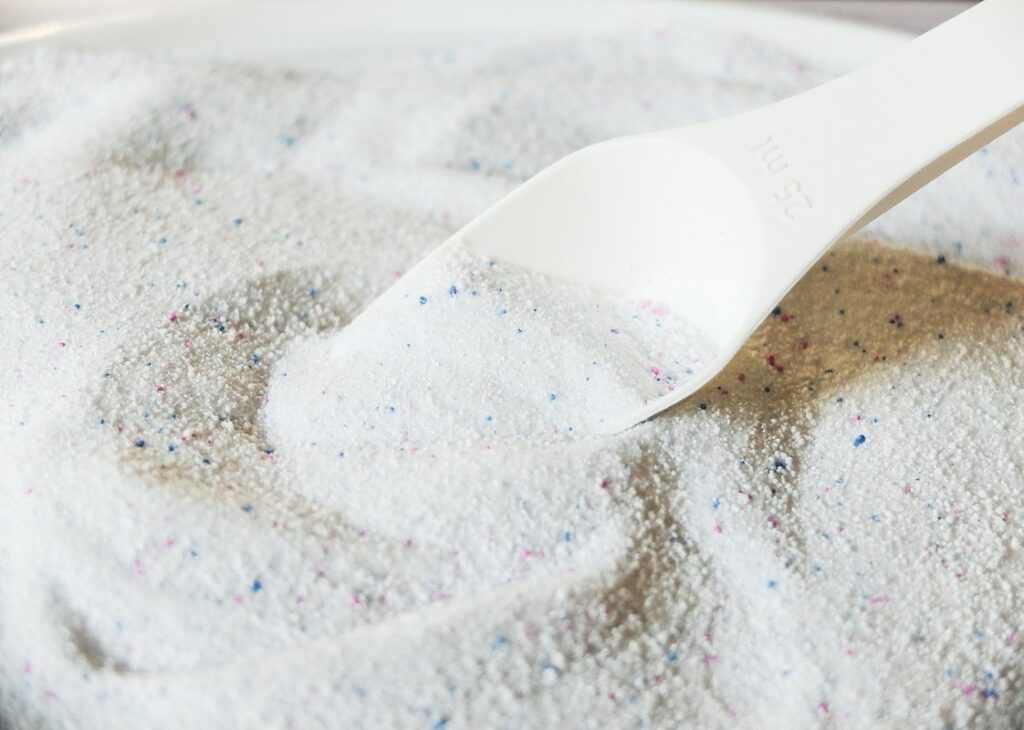
To make natural laundry detergent at home, you’ll need a few essential ingredients. The most critical ones are washing soda, borax, and soap flakes. Washing soda is a naturally occurring mineral compound that acts as a water softener and helps remove dirt from clothes. Borax, another mineral-based ingredient, works as an abrasive to help break down and remove tough stains.
You’ll also need soap flakes, which can be made from natural soap or purchased in bulk. These flakes are the primary cleaning agents in your detergent, responsible for removing grease and grime from fabrics. Other optional ingredients include essential oils for fragrance and baking soda for extra odor control.
When choosing these ingredients, look for brands that use natural or organic processes whenever possible. For example, Seventh Generation or Ecover soap flakes can be good options. Keep in mind that using washing soda and borax can be harsh on skin, so wear gloves when handling them, especially if you have sensitive skin. A general rule of thumb is to mix 1 cup of washing soda with 1 cup of borax for every 2 cups of soap flakes.
Optional Additives for Customization
You can customize the natural laundry detergent recipe by adding various ingredients to suit your preferences and needs. One popular option is essential oils, which not only provide a pleasant scent but also have antimicrobial properties. Some common essential oils used for their cleaning abilities include tea tree oil and lavender oil.
Baking soda is another ingredient you can add to create a more gentle or abrasive detergent. It’s particularly useful for removing tough stains and odors from clothing. When using baking soda, be sure to mix it well with the other ingredients, as it can leave a residue on your clothes if not fully incorporated.
Other optional additives include washing soda, which helps to soften water and reduce mineral buildup in clothes; oxygen bleach, such as OxiClean, for its stain-fighting abilities; and natural colorants like turmeric or indigo powder, which can add a touch of color to your detergent.
Measuring and Mixing the Ingredients
Now that you have all the necessary ingredients, it’s time to measure and mix them together correctly. This ensures your natural laundry detergent turns out just right every time.
Accurate Measurement Techniques
When measuring ingredients for natural laundry detergent, accuracy is crucial to ensure the mixture works effectively. You can use either cups or digital scales for measurement. For dry ingredients like washing soda and borax, it’s best to use a digital scale for precise measurements. This is because these powders can be difficult to level off with a cup, and small variations in weight can affect the final product.
To measure liquids accurately, use a measuring cup specifically designed for liquids. Avoid using cups that have been used for dry ingredients, as residue can affect the measurement. If you don’t have a digital scale or liquid measuring cups, make sure to level off dry ingredients with a straight edge or knife, and use the heaping spoonful method for liquids.
To ensure accuracy, it’s essential to zero out your digital scales before taking measurements. For each ingredient, note its weight on the scale and record it in your recipe book. This will help you track variations in batches and make adjustments as needed. Remember that small measurement errors can impact the detergent’s performance, so take your time when measuring ingredients carefully.
Mixing the Detergent Base
In a large mixing bowl, combine 2 cups of washing soda, 1 cup of borax, and 1 bar of soap flakes. The key is to mix these ingredients together thoroughly until they’re evenly distributed and there are no visible clumps. Start by adding the washing soda and borax to the bowl, followed by the soap flakes.
Use a large spoon or mixing paddle to break up any lumps in the washing soda and borax mixture. As you mix, pay attention to the texture of the ingredients changing from separate powders to a uniform mixture with a slightly crumbly consistency.
Continue to mix until the soap flakes are fully incorporated into the powder mixture. This may take a few minutes, depending on your mixing speed and the size of the bowl. Be patient and thorough – a well-mixed detergent base is essential for even sudsing and effective cleaning power in your homemade laundry detergent.
Creating the Natural Laundry Detergent Formula
Now that you have your ingredients, it’s time to mix them together to create a natural laundry detergent formula that effectively cleans clothes. This is where things get fun and hands-on!
Basic Recipe for Natural Laundry Detergent
To make a basic natural laundry detergent, you’ll need 1 cup of washing soda, 1 cup of borax, and 1 bar of soap (such as Fels-Naptha or Zote). Grate the bar of soap to release its active ingredients. In a large bowl, mix together 2 cups of hot water with 1/2 cup of washing soda until dissolved. Add in 1/2 cup of borax and stir until the mixture is smooth.
Next, add the grated soap to the bowl and stir until it’s fully incorporated into the mixture. The resulting consistency should be a thick paste. Transfer the detergent mixture to an airtight container for storage. To use, simply measure out one tablespoon of detergent per load of laundry.
Note that this recipe makes approximately 2 pounds of natural laundry detergent, which is equivalent to about 40 loads of laundry. You can customize this recipe by adding essential oils or other additives to create unique fragrances and benefits. However, be sure to follow the instructions carefully and start with small batches to ensure the desired consistency and effectiveness.
Customizing the Recipe with Additives
Customizing the recipe for natural laundry detergent allows you to tailor it to your specific needs and preferences. Consider adding a fabric softener substitute like white vinegar or washing soda if you live in an area with hard water, as these can help soften clothes without leaving residue.
For high-efficiency (HE) washers, you may want to use a higher concentration of detergent base, typically 20-25% of the total recipe. If you have sensitive skin or allergies, omit any essential oils and opt for fragrance-free alternatives like baking soda or oxygen bleach.
Some people prefer their natural laundry detergent to be more concentrated than others. You can easily adjust the water ratio in your recipe to achieve the desired consistency. For example, if you want a thicker paste, use less water; conversely, add more water for a thinner solution.
To further customize your recipe, consider adding one or two of the following ingredients:
• 1/2 cup washing soda (sodium carbonate) for extra stain-fighting power
• 1/4 cup borax (sodium tetraborate) to help soften water and reduce static cling
• 10-15 drops of your preferred essential oil for a fresh scent
Using and Maintaining the Natural Laundry Detergent
Now that you’ve made your natural laundry detergent, it’s essential to use it correctly and maintain its effectiveness over time. Proper usage and maintenance will ensure great results for your clothes.
Tips for Effective Use
When using natural laundry detergent for the first time, it’s essential to understand the correct dosage guidelines. A general rule of thumb is to use 1-2 tablespoons per load, depending on the soil level and fabric type. However, this can vary significantly based on personal preference and washing machine efficiency.
For heavily soiled clothes or bulkier items like towels, you may need to increase the dose accordingly. Conversely, for lightly soiled garments, you might be able to get away with using half a tablespoon per load. Keep in mind that natural detergents tend to work more slowly than commercial alternatives, but they often produce superior results.
To optimize performance, it’s also crucial to maintain good washing machine hygiene. Regularly run hot water cycles through your machine without clothes or detergent to clear out any buildup and prevent the growth of bacteria. This simple step can significantly enhance the effectiveness of your natural laundry detergent.
As a rough estimate, you may need to replenish your homemade detergent more frequently than commercial brands due to its lower concentration levels. However, this is often offset by the significant cost savings over time.
Troubleshooting Common Issues
Residue buildup is a common issue when using natural laundry detergent. This problem often arises from an imbalance of water hardness and surfactant levels in the recipe. To address it, try reducing the amount of washing soda or increasing the ratio of soap to washing soda. Another solution is to add a small amount of white vinegar to your wash cycle – this will help break down any residue.
Inadequate cleaning power can be caused by an insufficient concentration of active ingredients or incorrect water temperature. Check that you’re using the recommended amount of detergent and adjusting it according to the size of the load. Ensure that you’re washing clothes at the correct temperature for the type of soil they contain – typically, hot water is needed for heavily soiled items.
Here are a few troubleshooting steps:
- Check your recipe’s surfactant levels: If they’re too low, increase them to improve cleaning power.
- Balance water hardness and soap levels in your recipe.
- Monitor water temperature: Use hot water for heavily soiled clothes and cold or warm water for lighter loads.
- Consider adding a small amount of washing soda to the wash cycle to help with tough stains.
Comparing Natural and Commercial Laundry Detergents
Let’s take a closer look at how natural laundry detergent stacks up against its commercial counterpart when it comes to effectiveness and environmental impact. We’ll weigh the pros and cons of each option.
Environmental Impact Comparison
Natural laundry detergent tends to have a lower environmental impact than its commercial counterpart. When comparing natural and commercial detergents, it’s essential to consider water usage. Commercial detergents require more water for production, as they need to be transported from factories to stores, and the packaging is often made of non-biodegradable materials. In contrast, making laundry detergent at home typically uses less water, especially if you’re using a cold wash cycle.
Commercial detergents also have higher energy consumption due to the manufacturing process. Many commercial detergents rely on fossil fuels for production, transportation, and packaging. This contributes significantly to greenhouse gas emissions and air pollution. In contrast, natural laundry detergent ingredients like washing soda and soap flakes are often readily available in most homes or can be sourced locally.
To put this into perspective, consider the carbon footprint of a typical commercial detergent. According to various studies, producing and transporting one load of commercial detergent generates around 10-15 kg of CO2 emissions. By making your own natural laundry detergent at home, you can significantly reduce these emissions and create a more sustainable household routine.
Some eco-friendly practices to keep in mind when using homemade natural detergent include line-drying clothes instead of using an electric dryer and washing full loads to minimize the number of wash cycles required.
Cost Comparison for Long-Term Use
When making natural laundry detergent at home, one of the primary concerns is the long-term cost savings. A 2-ounce bottle of commercial detergent can cost anywhere from $1 to $5, depending on the brand and quality. In contrast, a batch of homemade natural laundry detergent typically yields around 10 pounds of product, which is equivalent to about 200 loads of laundry.
To put this into perspective, let’s assume you use an average of 2 loads per day. With commercial detergent, your annual cost would be approximately $730 to $1,825. In contrast, the same 200 loads can be achieved with a batch of homemade natural laundry detergent for around $10 to $20 in ingredients.
The cost-effectiveness of making natural laundry detergent at home is largely due to the economies of scale. By purchasing ingredients in bulk and making large batches, you can significantly reduce your costs over time. Additionally, many natural ingredients like washing soda and borax are inexpensive and have a long shelf life, further reducing waste and expenses.
Frequently Asked Questions
Can I Use Natural Laundry Detergent with High-Efficiency Washing Machines?
Yes, natural laundry detergent can be used in high-efficiency washing machines. In fact, the ingredients used to make natural laundry detergent are often designed to work well in these types of machines. Simply follow the same measuring instructions and dosage guidelines provided for regular washing machines.
How Do I Know if My Homemade Laundry Detergent is Working Effectively?
Check your clothes for cleanliness and look for any signs of residue buildup or discoloration. If you notice any issues, adjust the recipe or add some extra ingredients to improve performance. Keep in mind that homemade laundry detergent may not produce as many suds as commercial products, but it should still clean effectively.
Can I Make Natural Laundry Detergent with Alternative Ingredients?
Yes, there are several alternative ingredients you can use to make natural laundry detergent. For example, you could try using castile soap instead of soap flakes or adding some eucalyptus oil for a fresh scent. Experiment with different combinations to find what works best for your needs and preferences.
How Long Does Homemade Laundry Detergent Typically Last?
The shelf life of homemade laundry detergent depends on several factors, including the ingredients used and storage conditions. Generally, you can expect homemade laundry detergent to last anywhere from 6 months to a year or more when stored in an airtight container in a cool, dry place.
Can I Make Natural Laundry Detergent for Specific Fabric Types?
Yes, you can customize natural laundry detergent recipes to suit specific fabric types. For example, if you have wool or silk clothes, you may want to use a milder detergent with fewer additives. Similarly, if you have heavily soiled workout clothes, you might prefer a more concentrated formula. Experiment with different ratios and ingredients to find what works best for your unique laundry needs.

