
Making the switch to natural, eco-friendly laundry detergent is easier than you think. Harsh chemicals in commercial detergents can leave residue on clothing, harm skin and health, and contribute to environmental pollution. The good news is that creating your own non-toxic laundry detergent at home is simple and cost-effective. By using just a few basic ingredients like washing soda, baking soda, and castile soap, you can make a batch of gentle yet effective detergent that’s free from artificial fragrances, dyes, and preservatives. This article will show you how to create your own natural laundry detergent using easy-to-find ingredients and provide tips on how to save money while living sustainably. By the end of this guide, you’ll know exactly what goes into making a non-toxic laundry detergent and be able to make your own at home.
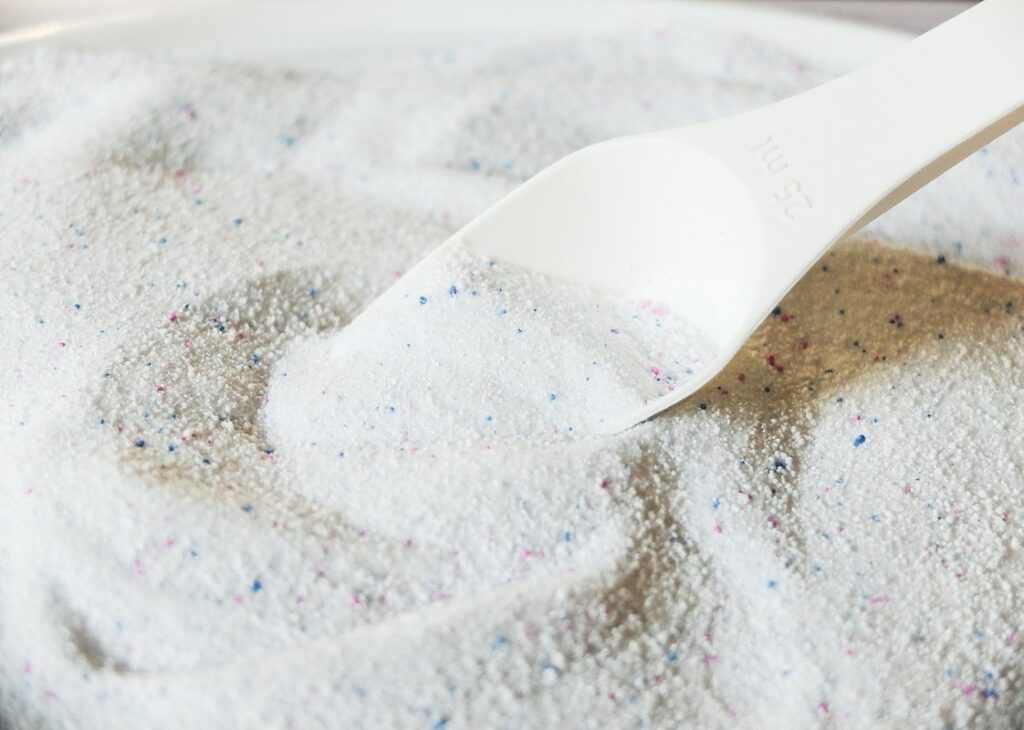
Benefits of Making Your Own Laundry Detergent
By making your own laundry detergent, you’ll not only save money but also reduce exposure to harsh chemicals and artificial fragrances in commercial detergents. Here are just a few of the many benefits that await.
Reduces Exposure to Harsh Chemicals
When you switch to making your own laundry detergent at home, one of the most significant benefits is reducing exposure to harsh chemicals. Commercial laundry detergents are notorious for containing a cocktail of synthetic ingredients that can cause skin irritation and respiratory problems.
For instance, many commercial detergents contain optical brighteners like 1,4-dichlorobenzene, which have been linked to hormone disruption and cancer concerns. Others include fragrances that can trigger allergic reactions or exacerbate existing conditions like asthma. Even worse, these chemicals can contaminate our waterways when washed down the drain.
Using homemade laundry detergent made from natural ingredients eliminates this risk. By choosing soap nuts or washing soda as your primary cleaning agents, you can create a gentle yet effective cleaner that’s free from harsh chemicals. This is especially important for households with young children, pets, or individuals with sensitive skin who are more vulnerable to chemical exposure.
To make the switch even smoother, consider opting for essential oils like lavender or tea tree oil for their fragrance instead of synthetic fragrances found in commercial detergents.
Cost-Effective Solution
Making your own laundry detergent at home can be a cost-effective solution for several reasons. For one, you’ll no longer have to purchase commercial detergents regularly. The average household spends around $100-$150 per year on laundry detergent alone. By making your own, you can save up to 50% of this amount annually. Additionally, store-bought detergents often come in single-use packaging that contributes to waste and pollution.
When you make your own detergent, you can choose the quantities of ingredients according to your needs, reducing excess purchases and packaging waste. You’ll also be able to reuse containers for storage, further minimizing waste. To give you a better idea, consider this: if you use 1 cup of baking soda per load, which costs around $0.50, and do 3 loads of laundry per week, that’s approximately $6 per month in savings.
By switching to homemade detergent, you can allocate the saved funds towards more natural ingredients or explore other eco-friendly options for your household.
Choosing the Right Ingredients
When making homemade non-toxic laundry detergent, selecting the right ingredients is crucial for effective cleaning and gentle skin care. You’ll want to choose natural alternatives that won’t irritate your skin or harm the environment.
Natural Soap Nuts or Washing Soda
When it comes to creating a natural and non-toxic laundry detergent, selecting the right base ingredients is crucial. Two popular options for homemade detergents are natural soap nuts and washing soda. Soap nuts, also known as soap berries, are a gentle and effective alternative to traditional detergents. They work by releasing saponins, a natural soap-like substance that effectively cleans clothes without leaving any residue.
Washing soda, on the other hand, is a natural mineral-based cleaner that can help soften water and remove tough stains. It’s often used in combination with soap nuts or other ingredients to create a well-rounded detergent. When choosing between these two options, consider your washing machine type: if you have an HE washer, washing soda may be a better choice due to its ability to neutralize pH levels.
For those new to making their own laundry detergent, it’s essential to note that both soap nuts and washing soda are readily available online or at local health food stores. You can also opt for a pre-mixed blend specifically designed for homemade detergents. Regardless of which option you choose, be sure to follow the recommended usage rates and mixing instructions to ensure optimal performance and prevent any potential issues with your washing machine.
Essential Oils for Fresh Scent
When using essential oils for a fresh scent in homemade laundry detergent, it’s essential to choose oils that are not only fragrant but also non-irritating and skin-safe. Look for oils like lavender, tea tree, and lemon, which have antimicrobial properties and are gentle on fabrics. However, always use them in moderation – too much can leave a strong scent or even cause skin irritation.
Some popular essential oil blends for laundry include:
- 10 drops of lavender and 5 drops of tea tree
- 15 drops of lemon and 5 drops of eucalyptus
When selecting an essential oil, make sure to check the label for any warnings or cautions. Some oils can be phototoxic, so it’s crucial to use them only in well-ventilated areas and avoid applying the detergent directly on skin.
You can also experiment with different scents by combining various essential oils. For instance, a 5-drop mixture of rosemary and eucalyptus creates a refreshing and invigorating fragrance. Remember that the scent will mellow out after washing, so you may want to adjust the amount accordingly. Always use high-quality, pure essential oils that are free from additives and artificial fragrances.
DIY Laundry Detergent Recipes
If you’re excited to start making your own laundry detergent, we’ve got three simple recipes for you to try, each with its own unique benefits and advantages. From gentle to powerful, these DIY options cater to various household needs.
Simple Recipe Using Baking Soda and Washing Soda
When it comes to making a simple homemade laundry detergent using baking soda and washing soda, the key is to create a gentle yet effective cleaning agent. Start by mixing 1 cup of washing soda with 1 cup of baking soda. This combination provides a good balance of alkalinity and abrasion, allowing for efficient removal of dirt and stains.
To add some extra cleaning power, you can also include 1/2 cup of borax in the mixture. However, note that borax is not necessary if you’re using washing soda, as it already has deodorizing properties. If you choose to omit borax, simply reduce the amount of washing soda by 1/4 cup.
To make the detergent more user-friendly, store it in an airtight container and mix only what you need for each load. This will prevent clumping and make measuring easier. For each wash cycle, use about 2 tablespoons of the baking soda-washing soda mixture. You can adjust this amount based on your personal preference and the soil level of your laundry.
Advanced Recipe with Soap Nuts and Essential Oils
For an advanced recipe with soap nuts and essential oils, you’ll need 1 cup of soap nuts, 2 cups of hot water to rehydrate them, and 20 drops of lavender essential oil. The soap nuts act as a natural detergent booster, increasing the cleaning power without the use of harsh chemicals.
To make this recipe, first soak the soap nuts in hot water for at least 4 hours or overnight. Then, blend the rehydrated soap nuts with an additional 2 cups of hot water until you get a smooth liquid. Strain the mixture through a cheesecloth or a fine-mesh sieve into a bowl.
In a separate container, mix 1 tablespoon of baking soda and 10 drops of lemon essential oil (optional). Combine this mixture with the soap nut liquid to create your advanced detergent blend. For high-efficiency washers, you’ll need to adjust the ratio to ensure proper cleaning power.
This recipe offers several benefits: the soap nuts provide a natural alternative to traditional detergents, while the essential oils add a fresh scent without any harsh chemicals. By following this advanced recipe, you can enjoy the added convenience of using a pre-measured detergent packet or single-use capsules made from natural ingredients.
Tips for Making the Switch to Homemade Laundry Detergent
Now that you’ve made the switch to homemade laundry detergent, here are some practical tips to help you troubleshoot common issues and ensure a smooth transition. You’ll find them especially helpful if this is your first time making the switch.
Measuring and Mixing the Perfect Blend
Accurate measurements and proper mixing techniques are crucial when making homemade laundry detergent. The ratios of ingredients can significantly impact the effectiveness and consistency of the final product. For example, if you add too little washing soda, the detergent may not effectively remove tough stains. On the other hand, excessive amounts can leave residue on clothing.
To ensure accuracy, use a digital kitchen scale to measure dry ingredients like washing soda and baking soda. This will help prevent errors due to variations in scooping techniques. When mixing wet ingredients like water and essential oils, use a measuring cup with clear markings to avoid over-pouring.
A general rule of thumb is to mix the dry ingredients separately from the wet ingredients until you’re ready to combine them. This prevents clumping and makes the mixture easier to dissolve in hot water. For most recipes, it’s best to start with small batches – about 1-2 cups at a time – and gradually increase as needed.
When mixing, avoid over-mixing, which can create excess foam or affect the detergent’s performance. Instead, gently stir until the ingredients are fully incorporated, then let the mixture sit for a few minutes before transferring it to an airtight container.
Overcoming Common Challenges
Sudsing can be a problem when using homemade laundry detergent, especially if you’re new to making your own cleaning products. To minimize sudsing, try reducing the amount of washing soda or soap nuts in your recipe. You can also experiment with different essential oils that have natural suds-reducing properties, such as lavender or tea tree oil.
Some users may notice residue on their clothes after washing with homemade detergent. This is often due to an imbalance in the recipe’s pH levels. Try adding a small amount of white vinegar to your wash cycle to help balance out the pH and reduce residue.
Another common challenge is achieving effective cleaning in cold water. If you’re using a recipe that relies heavily on washing soda, try switching to soap nuts instead. Soap nuts are naturally more effective at dissolving dirt and stains in cold water. Additionally, make sure to use enough detergent – too little can lead to poor cleaning results.
To troubleshoot these issues, keep the following tips in mind: check your recipe for any necessary adjustments; experiment with different ingredients or ratios; and pay attention to the pH levels of your detergent.
Environmental Impact of Commercial Laundry Detergents
Commercial laundry detergents have a significant impact on our environment, and it’s essential to understand how they affect our waterways and ecosystems.
From pollution to wildlife harm, we’ll examine the not-so-hidden costs of relying on these chemical-based cleaning products.
Water Pollution and Chemical Runoff
Commercial laundry detergents can have devastating effects on our waterways. When these harsh chemicals are washed down drains, they can contaminate nearby rivers and lakes, posing a significant threat to aquatic life. The consequences of chemical runoff extend beyond just the immediate environment; these pollutants also seep into underground water sources, compromising public health.
The main culprits behind this pollution are phosphates, nitrates, and other synthetic additives that promote foam and facilitate washing. These chemicals can cause algae blooms in waterways, depleting oxygen levels and asphyxiating fish populations. Even more alarming is the presence of microplastics, which have been found in significant quantities in many water samples.
To mitigate this issue, consider using eco-friendly laundry detergents or making your own non-toxic detergent at home. When shopping for commercial options, look for products labeled as “phosphate-free” and choose those with minimal packaging to reduce waste. By taking these small steps, you can significantly contribute to a cleaner environment and help protect our waterways from the ravages of chemical pollution.
Sustainable Alternatives for a Greener Future
By making the switch to homemade laundry detergent, you’re not only reducing exposure to harsh chemicals in your own home, but also contributing to a more sustainable future. Many commercial laundry detergents rely on non-renewable resources and contribute to water pollution through chemical runoff.
When choosing a laundry detergent, consider the environmental impact of each ingredient. For example, some detergents use phosphates, which can cause algae blooms in waterways, or optical brighteners, which can contaminate soil and groundwater. In contrast, homemade laundry detergent recipes often rely on natural ingredients like washing soda, borax, and soap nuts.
To further reduce waste and live sustainably, consider these eco-friendly alternatives: opt for biodegradable packaging, buy in bulk to minimize transportation emissions, and repurpose old containers for your DIY detergent mixtures. You can also explore zero-waste stores or online marketplaces that specialize in sustainable products. By making conscious choices about the products you use, you’ll be one step closer to creating a greener future for yourself and your community.
Frequently Asked Questions
We’ve received many questions from readers interested in making their own non-toxic laundry detergent, so here are some answers to get you started. If you have any further queries, feel free to ask.
Can I Use This Detergent with High-Efficiency Washers?
When it comes to high-efficiency (HE) washers, some people worry about using homemade laundry detergent. The good news is that many HE washers are designed to work with low-sudsing detergents, which is exactly what you get with a DIY recipe.
However, if your washer has specific requirements for soap levels or sudsing agents, it’s essential to check the user manual first. Some newer models might have stricter guidelines than older ones. You can usually find this information in the manual’s section on detergent usage.
In general, most homemade laundry detergents use washing soda as a base ingredient, which is gentle on HE washers’ systems. As long as you’re using a well-balanced recipe that avoids over-sudsing agents like glycerin or coconut oil, your DIY detergent should work just fine with an HE washer.
If you do encounter issues with excessive sudsing or poor cleaning performance, it’s possible that the issue lies not with the detergent itself but with the washing machine settings. Try adjusting the water temperature, cycle type, or rinse aid usage to see if that resolves the problem.
Some common misconceptions about using homemade laundry detergent in HE washers include concerns over insufficient cleaning power and excessive sudsing. However, many users have successfully made the switch and enjoy the benefits of a non-toxic, cost-effective solution for their laundry needs.
In fact, some popular DIY recipes specifically cater to HE washers’ requirements by incorporating ingredients like baking soda, washing soda, or soap nuts. These formulas are designed to be gentle on equipment while still providing effective cleaning results. When choosing a recipe, pay attention to the recommended usage rates and any specific guidelines for HE washer compatibility.
Frequently Asked Questions
Can I Make This Detergent in Large Quantities and Store It for Later?
Yes, you can make large batches of homemade laundry detergent and store it in airtight containers for up to six months. Just be sure to label the containers with the date and ingredients used, so you can easily track how long it’s been stored.
Will This Detergent Work as Well in Hard Water as It Does in Soft Water?
Yes, the recipes provided are designed to work well in a variety of water conditions. However, if you live in an area with extremely hard water, you may need to adjust the recipe slightly by adding more washing soda or using a different type of soap nut that’s specifically designed for use in hard water.
How Do I Know If My Homemade Detergent Is Working Effectively?
To determine if your homemade detergent is working effectively, pay attention to how clean your clothes are after washing. You can also check the labels on your store-bought laundry products for comparison. Additionally, consider keeping a “before and after” log of your laundry cycle results to track any changes over time.
Can I Use This Detergent with Color-Treated Hair or Skin Sensitivities?
When using homemade detergent, it’s always a good idea to do a patch test on an inconspicuous area first. However, since this recipe doesn’t contain any harsh chemicals or dyes, it’s likely safe for most people with color-treated hair or skin sensitivities. If you’re still unsure, consider doing a small load of laundry before switching completely.
How Do I Dispose of Leftover Soap Nuts and Washing Soda?
To minimize waste, consider reusing leftover soap nuts in potpourri or as a natural insect repellent. You can also compost the washing soda at the end of its shelf life. When disposing of both ingredients, be sure to follow local regulations for responsible disposal.

