Making your own laundry detergent at home can be a game-changer for those looking to reduce their exposure to harsh chemicals in commercial detergents. Many commercial detergents contain artificial fragrances, dyes, and preservatives that can irritate skin and cause allergic reactions. This is especially concerning for families with young children or pets who are more susceptible to chemical sensitivities. By switching to a natural laundry detergent recipe, you can save money in the long run while avoiding these potential health hazards. In this article, we’ll explore a simple and effective recipe for making your own natural laundry detergent at home, reducing exposure to harsh chemicals and saving you money on your household expenses.
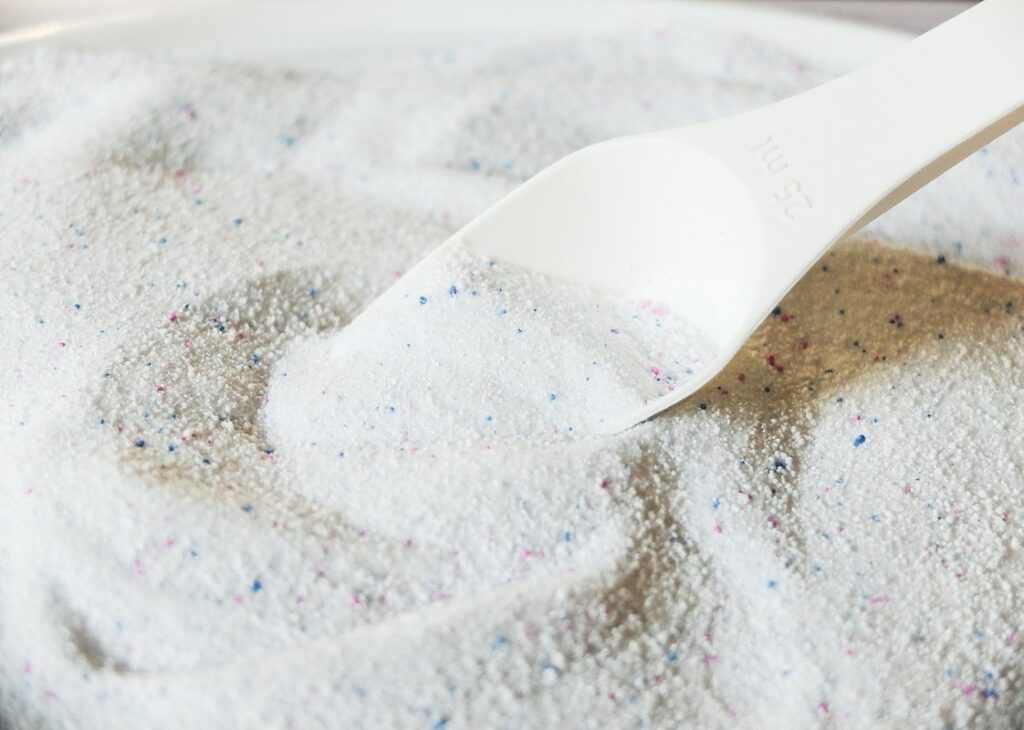
Benefits of Switching to Natural Laundry Detergent
Making the switch to natural laundry detergent can have a significant impact on your health and the environment, reducing exposure to harsh chemicals. By switching, you’ll experience numerous benefits for yourself and the planet.
Reduces Exposure to Harsh Chemicals
Commercial laundry detergents often contain harsh chemicals like sodium lauryl sulfate (SLS), which can cause skin irritation and respiratory problems. These chemicals can also contaminate soil and waterways when washed down the drain, contributing to environmental pollution. Some commercial detergents even contain phosphates, known to contribute to algae growth in water bodies.
When you switch to natural laundry detergent, you’re not only reducing exposure to these harsh chemicals but also creating a healthier environment. Natural alternatives like soap nuts or plant-based surfactants are gentler on skin and the environment. These ingredients are biodegradable, making them safer for ecosystems.
One simple way to avoid harsh chemicals is to read labels carefully. Look out for certifications like EPA Safer Choice or Leaping Bunny Program, which ensure products meet rigorous standards for environmental sustainability and human health safety. You can also opt for fragrance-free detergents, as fragrances often contain additional chemicals that might be detrimental.
Remember that not all natural laundry detergents are created equal. Some may still contain hidden ingredients or chemical byproducts. Always check the ingredient list and opt for transparent brands to ensure you’re making a genuinely safer choice.
Saves Money in the Long Run
Making your own natural laundry detergent at home is often perceived as a more expensive option upfront, but it can actually save you money in the long run. This is because commercial detergents are typically overpriced and contain fillers that don’t provide additional cleaning power.
When using a homemade natural laundry detergent recipe, you avoid these unnecessary additives and create a concentrated formula from scratch. This means less product is required for each load, which can lead to significant cost savings. For example, if your homemade detergent costs $0.25 per load (a rough estimate based on typical ingredient prices), switching from commercial detergent at around $1.50 per load could translate to annual savings of over 70%.
Additionally, making your own natural laundry detergent allows you to scale production according to your needs and household size. You can easily double or triple recipes without incurring additional costs, making it a more flexible option for larger families or households with high laundry demands. By calculating the cost per load using your specific recipe ingredients and quantities, you can gain a clear understanding of how much money this approach will save you over time.
Basic Ingredients for Natural Laundry Detergent
Let’s start with the essential ingredients you’ll need to make a batch of natural laundry detergent, which will be revealed below. These basic components are easy to find and won’t break the bank.
Common Ingredients Used in Recipes
Washing soda and borax are two of the most common ingredients used in natural laundry detergent recipes. These minerals have been used for centuries to clean clothes and remove tough stains. Washing soda, also known as sodium carbonate, is a natural alkaline substance that helps to balance pH levels in water and break down dirt and grime. Borax, or sodium tetraborate, has antibacterial properties and helps to soften water.
Soap nuts are another popular ingredient used in natural laundry detergent recipes. These small, brown seeds are the fruit of the sapindus mukorossi tree and contain a natural soap-like substance called saponin. When added to water, saponin creates a gentle cleaning agent that is free from harsh chemicals and dyes.
When shopping for washing soda or borax, be sure to choose a product that is 100% pure and free of additives. You can often find these ingredients in the laundry aisle or at health food stores. When using soap nuts, make sure to rinse them thoroughly before adding them to your recipe.
Why These Ingredients Work Together
The combination of washing soda, borax, and soap flakes may seem unusual at first, but each ingredient plays a crucial role in creating an effective cleaning agent. Washing soda acts as a water softener, removing mineral deposits that can leave residue on clothing and affect the detergent’s performance. Borax, meanwhile, is a natural disinfectant that helps kill bacteria and odors, while also providing a gentle abrasive action to remove dirt.
The soap flakes serve as the primary cleaning agent, breaking down and emulsifying oils and soils in the wash water. When combined with washing soda and borax, they create a powerful yet gentle cleaning solution. The key is the ratio of each ingredient: too little washing soda can lead to poor performance, while too much can leave a residue on clothes.
When using this recipe, it’s essential to maintain the correct balance of ingredients to avoid any adverse effects. A general rule of thumb is to use 1 cup of washing soda and borax for every 2 cups of soap flakes. This will provide an effective cleaning solution that also minimizes environmental impact. By understanding how these ingredients work together, you can create a natural laundry detergent that effectively cleans clothes while being gentle on the environment.
The Science Behind Natural Laundry Detergent
Natural laundry detergent has been gaining popularity, and it’s time to understand what makes it work so effectively. Let’s take a closer look at how the ingredients in our recipe interact with dirt and stains.
Surfactants and Emulsifiers
Surfactants and emulsifiers are two key components of natural laundry detergent that play crucial roles in cleaning clothes. Surfactants, short for surface-active agents, reduce the surface tension between water and dirt, allowing it to penetrate and lift away stains more easily. This is especially important when washing delicate or woolen items, which can be prone to pilling or felting if exposed to too much water.
Emulsifiers, on the other hand, help to mix oils with water, enabling them to remove grease-based stains like food spills or motor oil. A combination of both surfactants and emulsifiers ensures that your natural laundry detergent effectively tackles a range of soil types. Look for ingredients like soapbark extract, yucca saponaria, or coconut-derived cleansers, which naturally possess surfactant properties.
When selecting surfactants and emulsifiers for your homemade recipe, choose products with high concentrations (typically above 20%) to ensure effective cleaning power. Some common natural options include castile soap, washing soda, and borax. Consider the specific needs of your laundry routine – for example, if you frequently wash heavily soiled clothes, you may require a higher concentration of surfactants.
pH Balance and Stain Removal
Maintaining a pH balance is crucial when creating natural laundry detergent. If the pH level of the detergent is too high or too low, it can leave clothes feeling stiff and rough. Moreover, an imbalanced pH can significantly impair stain removal. Enzymes, which are essential for breaking down protein-based stains like blood and grass, function optimally within a narrow pH range (around 7-10). If the pH is too far off from this optimal range, enzymes become less effective or even inactive.
When creating your homemade natural laundry detergent recipe, it’s essential to use ingredients that maintain a stable pH. Washing soda and borax are both alkaline, but they have a low pH level that helps maintain a balance in the detergent. On the other hand, baking soda is acidic, so using too much of it can throw off the pH balance.
To achieve optimal stain removal, ensure your natural laundry detergent has a balanced pH. A good rule of thumb is to use 1 cup of washing soda and 1 cup of borax for every 2 cups of washing powder or soap flakes. Adjust this ratio as needed based on the type of ingredients you’re using and the desired pH level of your final product.
Making Your Own Natural Laundry Detergent at Home
Making natural laundry detergent is easier than you think, and it starts with understanding the ingredients that make up a effective formula. We’ll walk through the essential components of a homemade recipe.
Basic Recipe for Beginners
Start by gathering the following basic ingredients: washing soda, borax, and a natural soap base like castile soap. You’ll also need some hot water, a large bowl, and a measuring cup. The typical ratio for this recipe is 1 cup of washing soda to 1 cup of borax to 2 cups of soap base.
For a small batch, use about half of these quantities. Combine the washing soda and borax in one bowl, then slowly add the hot water while stirring with a spoon until it forms a paste. In another bowl, mix the natural soap base with enough hot water to create a liquid solution. Once both components are ready, gradually pour the soap mixture into the washing soda-borax paste.
Stir well after each addition and be prepared for the mixture to thicken as you combine them. The resulting detergent should have a thick consistency similar to that of commercial products. Transfer it to an airtight container, such as a plastic bucket or glass jar with a lid. This basic recipe is easy to scale up or down depending on your laundry needs and can be customized by adding essential oils for fragrance.
Customizing Your Recipe for Different Needs
If you have sensitive skin, you can reduce the amount of essential oils in your natural laundry detergent recipe or omit them altogether. Some people find that tea tree oil, commonly used for its antimicrobial properties, can irritate their skin. In this case, you might substitute it with a smaller amount of lavender oil.
To adapt your recipe for high-efficiency washing machines, you’ll want to use a higher concentration of soap. This is because HE washers rely on the detergent’s built-in boosters and surfactants to clean clothes effectively. You can increase the ratio of washing soda to borax or add more liquid castile soap.
For heavily soiled loads, such as those with grease stains, you may want to add a 1/4 cup of white vinegar directly to the wash cycle. This will help loosen and remove tough dirt. Be cautious not to overdo it, however, as excessive vinegar can leave clothes smelling sour or affect their texture.
When customizing your recipe, remember that small changes can have significant effects on how well the detergent works and its overall impact on clothing and skin health.
Troubleshooting Common Issues with Natural Laundry Detergent
Don’t worry if you’re experiencing some bumps along the way, we’ll address common issues that can arise when using natural laundry detergent, like residue buildup and poor rinsing.
Insufficient Cleaning Power
Some natural laundry detergents may not have sufficient cleaning power due to an imbalance of surfactants and enzymes. Surfactants reduce surface tension between water and oil, allowing for better soil removal. Enzymes break down protein-based stains like blood and sweat. A ratio that’s too high in one or the other can lead to ineffective cleaning. For example, a detergent with too much enzyme may leave residue on clothes.
To address this issue, you can adjust the surfactant-to-enzyme ratio in your recipe. Try increasing the amount of surfactants like castile soap or adding more enzymes from sources like protease or amylase. Be cautious not to overdo it, as excessive amounts can lead to skin irritation and environmental concerns.
It’s also essential to consider the type of washing machine you’re using. High-efficiency (HE) machines require specialized detergents that produce fewer suds. If your natural detergent is too sudsy for an HE machine, it may not clean effectively. In this case, look for a different enzyme blend or adjust the recipe to suit your machine’s needs.
Additionally, hard water can significantly impact cleaning power. If you live in an area with hard water, consider adding a water softener or using a detergent booster specifically designed for hard water conditions.
Skin Irritation or Allergic Reactions
Skin irritation or allergic reactions can occur when using natural laundry detergent ingredients, especially for individuals with sensitive skin. Some common culprits include essential oils like lavender and tea tree oil, which are often used for their antibacterial properties but can cause skin irritation in high concentrations. The soap-making process itself can also be a source of irritation if not done correctly, as excess sodium or lye residue can remain on clothing.
If you experience skin irritation after using natural laundry detergent, try switching to a fragrance-free option or reducing the amount of essential oils used in the recipe. You can also consider substituting alternative ingredients like baking soda or washing soda, which are gentler and less likely to cause reactions.
Some individuals may be allergic to certain plant-based ingredients, such as coconut oil or olive oil. If you suspect an allergy, start by testing a small load of laundry on a single item before switching entirely to the new detergent. Be aware that some natural ingredients can also exacerbate existing skin conditions like eczema or psoriasis. Always follow proper safety precautions and use protective gear when handling essential oils and other potentially irritating substances.
Advanced Techniques for Natural Laundry Detergent Enthusiasts
For those who have mastered the basics of natural laundry detergent, we’ll explore more advanced techniques to customize and refine your homemade formula. This includes adjusting ratios and adding extra ingredients for specialized cleaning needs.
Using Essential Oils for Fresh Scent
When using essential oils for a fresh scent in your natural laundry detergent recipe, it’s best to start with a small amount and adjust to taste. This is because some oils can be overpowering and may not provide the desired result in large quantities. For example, lavender oil has a strong floral scent that can dominate other fragrances, so use it sparingly.
Typically, you’ll want to add 10-20 drops of essential oil per pound of detergent powder. You can mix and match different oils to create unique scents, such as combining citrus oils like lemon or grapefruit for a bright and uplifting aroma. Some popular choices include tea tree oil, eucalyptus oil, and geranium oil.
To incorporate essential oils into your recipe, simply add the drops directly to the detergent mixture during preparation. Be sure to store your finished detergent in an airtight container to maintain fragrance potency. Essential oils can also help mask any lingering odors from the natural ingredients used in your recipe, such as washing soda or borax.
Experimenting with Different Ingredients and Ratios
Experimenting with Different Ingredients and Ratios is where the real fun begins. You can start by swapping out one ingredient at a time to see how it affects the overall performance of your detergent. For example, try substituting washing soda for baking soda or vice versa. Alternatively, you can adjust the ratio of ingredients to create a custom blend that suits your needs.
If you’re using an essential oil for fragrance, experiment with different scents and concentrations to find one you prefer. Some oils, like lavender and tea tree oil, have natural antimicrobial properties, while others, like peppermint and lemon, are great for boosting the detergent’s cleaning power.
Another approach is to introduce new ingredients altogether. For instance, adding a small amount of borax can enhance stain-fighting capabilities, but be cautious not to overdo it as it can make your detergent too harsh on fabrics. Similarly, introducing natural enzymes like protease or amylase can help break down protein-based stains.
Keep records of your experiments, noting the changes you made and how they affected the outcome. This will help you refine your recipe over time and create a customized blend that works best for your specific laundry needs.
Conclusion and Final Thoughts
Making the switch to homemade natural laundry detergent is a great first step towards reducing your environmental footprint. One of the most significant benefits of this recipe is its cost-effectiveness – once you’ve stocked up on the ingredients, you’ll be saving money with each load. Additionally, by avoiding harsh chemicals found in commercial detergents, you’re also protecting your family’s health and well-being.
To get the best results from this recipe, remember to store it in an airtight container to maintain its effectiveness. You can also customize the scent and texture to suit your preferences by adjusting the amount of essential oils or adding a bit more washing soda. With a little patience and practice, you’ll find that homemade natural laundry detergent is not only gentler on clothes but also just as effective at tackling tough stains.
Frequently Asked Questions
Can I use natural laundry detergent in a high-efficiency washing machine?
Yes, you can use natural laundry detergent in a high-efficiency (HE) washing machine. The basic recipe and ingredients outlined in this article are compatible with HE machines, but keep in mind that some natural detergents may not produce as much sudsing foam as commercial products.
How do I know if my clothes are truly clean when using natural laundry detergent?
To ensure your clothes are clean when using natural laundry detergent, look for signs like the absence of visible stains and dirt, a fresh scent, and a soft texture. You can also check the pH balance of your detergent by testing it with pH paper or strips to ensure it’s within the optimal range.
What if I have sensitive skin and experience irritation from natural laundry detergent ingredients?
If you have sensitive skin and experience irritation from natural laundry detergent ingredients, try customizing your recipe by reducing or omitting potential irritants like washing soda or borax. You can also consider using fragrance-free essential oils or opting for a pre-made natural detergent specifically designed for sensitive skin.
Can I add natural fabric softener to my laundry load?
Yes, you can add natural fabric softeners like white vinegar, baking soda, or wool dryer balls to your laundry load for improved softness and reduced static cling. Just be sure to follow the recommended usage amounts and guidelines for each product to avoid overloading or affecting the pH balance of your detergent.
How long does it take to notice a difference in skin health after switching to natural laundry detergent?
The time it takes to notice a difference in skin health after switching to natural laundry detergent can vary depending on individual factors like sensitivity, allergies, and personal care habits. Some people may notice improvements within a few weeks, while others might need several months to a year or more to experience noticeable benefits.