Good simple living is often misunderstood as a life of extreme deprivation, but in reality, it’s about stripping away the unnecessary to reveal what truly brings joy and fulfillment. You may be feeling overwhelmed by the demands of modern life, struggling to keep up with the pace and find meaning in your daily routine. By embracing good simple living, you can break free from the cycle of stress and burnout, and discover a more authentic way of living that aligns with your values and priorities.
In this comprehensive guide, we’ll explore the benefits of simple living and provide practical strategies to help you reduce stress, increase productivity, and improve relationships. We’ll look at how simplifying your life can have a profound impact on your mental and physical health, as well as your sense of purpose and fulfillment. By the end of this article, you’ll be equipped with the tools and insights needed to start living a more intentional, simplified life that truly reflects who you are.
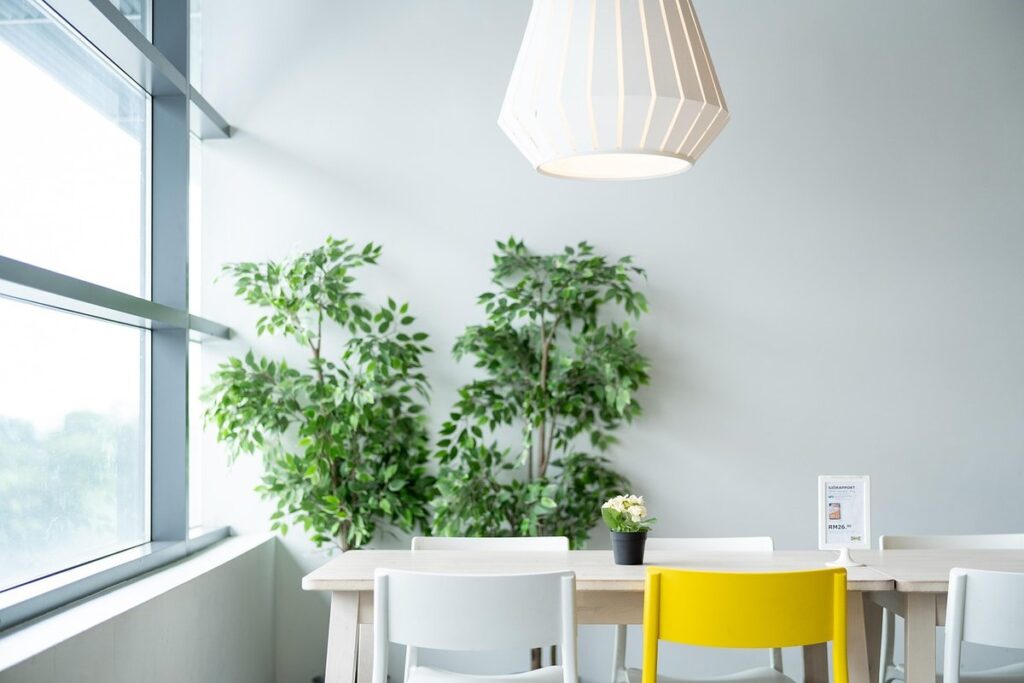
Defining Simple Living
Simple living is more than just a lifestyle, it’s a mindset shift that requires defining what truly adds value to your life. We’ll explore the essential elements of simple living in this next part of our holistic approach.
Understanding the Benefits of Simplicity
Simple living offers a multitude of benefits for both individuals and society. One of the most significant advantages is reduced stress levels. By paring down possessions, commitments, and distractions, you create space to breathe and think clearly. This clarity can help you tackle tasks with greater ease and efficiency, leading to increased productivity.
Moreover, simplicity fosters deeper connections with others. When you’re not burdened by the need for material possessions or status symbols, you’re free to invest in meaningful relationships. This might mean hosting more dinner parties at home, engaging in community service projects, or simply being present in conversations with loved ones. By doing so, you build stronger bonds and a greater sense of belonging.
Simple living also has a positive impact on society as a whole. By consuming fewer resources and producing less waste, we can reduce our ecological footprint and contribute to a more sustainable future. This, in turn, benefits not only the environment but also future generations who will inherit the world we create today.
Debunking Common Misconceptions about Simple Living
Many people assume that simple living is an extreme or radical approach to lifestyle. They imagine a life of minimalism, where every possession has been discarded and every convenience sacrificed. However, this misconception couldn’t be further from the truth.
In reality, good simple living is not about depriving yourself of everything you need or want, but rather about being intentional with your choices. It’s about stripping away unnecessary clutter, both physical and mental, to create space for what truly brings you joy and fulfillment.
Another common myth is that simple living is too expensive or unaffordable. This might be true for those who feel pressured to keep up with the latest trends or consumerist norms. But for most people, adopting a simpler lifestyle can actually save money by reducing waste, energy consumption, and unnecessary expenses. Consider the average American household spends over $1,000 per year on unused or unopened items alone – that’s an easy area to cut back on. By being mindful of your spending habits and making conscious choices, you can enjoy the benefits of simple living without breaking the bank.
Assessing Your Current Lifestyle
To start embracing good simple living, you’ll need to take a hard look at your current habits and see where they align – or misalign – with your goals. Take stock of your daily routines and identify areas for simplification.
Identifying Areas for Simplification
Start by observing your daily habits and rituals. Pay attention to how you spend your time, energy, and resources. Ask yourself: what activities bring me joy and fulfillment? Which ones feel obligatory or draining? Be honest about areas where you’re holding on too tightly – whether it’s a cluttered closet, a packed schedule, or a subscription service that no longer serves you.
Take note of the tasks that consume your time but yield little satisfaction. Are there repetitive chores, tedious errands, or unnecessary meetings that could be streamlined? Consider implementing a “one touch rule” for paperwork and administrative tasks: handle each piece once and deal with it immediately.
Review your spending habits as well. Are there subscriptions, memberships, or purchases that don’t align with your values or priorities? Be ruthless – cancel what no longer serves you and allocate those resources towards more meaningful pursuits.
Recognizing the Role of Consumerism in Simple Living
Consumerism’s insidious influence can undermine even the most well-intentioned simple living endeavors. When we’re constantly bombarded with messages promoting new products and experiences, it’s easy to get caught up in a cycle of consumption. This isn’t just about the environmental impact – although the staggering amount of waste generated by our throwaway culture is a stark reminder of our unsustainable habits.
Consider how you interact with your possessions: do you feel a sense of attachment or duty to use them until they’re worn out, or do you find yourself regularly replacing items that are still in good condition? The latter behavior is a hallmark of consumerist thinking. It’s not just about the material things themselves, but also the relationships we form with them – and how those relationships contribute to our overall sense of well-being.
To break free from this cycle, try implementing a “one-in-one-out” policy: for every new item that comes into your life, get rid of an old one. This can be as simple as donating gently used clothes or giving away books you’ve read and won’t re-read. By acknowledging the role consumerism plays in our lives, we can begin to make more intentional choices about what we bring into – and out of – our lives.
Building a Foundation for Simple Living
Let’s start by creating a solid foundation for simple living, which begins with setting clear intentions and identifying what truly adds value to your life. This foundation is essential for making intentional decisions that support your simple living goals.
Establishing Core Values and Goals
To cultivate a genuine simple living practice, it’s essential to establish core values and goals. Begin by reflecting on what sustainability means to you – does it involve reducing waste, conserving energy, or adopting eco-friendly habits? Make a list of the specific actions you want to take in this area, such as switching to a solar-powered home or committing to a meatless diet.
Next, consider financial independence: how do you envision managing your finances in a way that supports your simple living goals? You might aim to save a certain percentage of your income each month or pay off high-interest debt. Don’t forget about personal growth – what kind of skills or knowledge do you want to acquire to enhance your well-being and simplify your life?
To create a more concrete plan, try using the SMART (Specific, Measurable, Achievable, Relevant, Time-bound) goal framework: for instance, “I will reduce my household energy consumption by 20% within the next three months” or “I will learn basic first aid skills within the next six weeks.” By establishing clear goals and values, you’ll be better equipped to make intentional choices and cultivate a simple living practice that truly aligns with your vision.
Creating an Environment that Supports Simplicity
Creating a physical environment that supports simple living begins with decluttering. This process involves releasing items that no longer serve a purpose or bring joy. Start by letting go of duplicates and anything that can be easily replaced. For instance, if you have multiple sets of kitchen utensils, consider keeping only your favorites or the ones in the best condition. Be ruthless when deciding what to keep: if it’s been untouched for months, it’s probably safe to let it go.
Next, focus on setting boundaries around your physical space. Designate zones for different activities, like a reading nook or a workspace, and establish clear rules for those areas. For example, you might decide not to work from the couch to maintain a healthy distinction between personal and professional time. By creating these boundaries, you’ll be more intentional with how you use your space and less likely to accumulate clutter in the future.
Mindfulness also plays a critical role in cultivating an environment that supports simple living. Regularly taking stock of your surroundings and acknowledging areas for improvement can help prevent clutter buildup.
Practical Strategies for Simple Living
To simplify your life, you’ll want practical tools and tactics that help you cut through clutter, free up time, and cultivate a more mindful way of being. Effective strategies include prioritizing needs over wants and streamlining daily routines.
Decluttering and Minimalism
Sorting through cluttered spaces can be overwhelming, but a clear approach helps. Begin by designating categories for sorting: keep, donate, sell, and discard. This framework allows you to evaluate each item’s value and purpose.
When sorting belongings, prioritize items with sentimental or practical value. Be honest about whether you use or cherish an item; if not, consider letting it go. For example, a family heirloom might be difficult to part with, but keeping 20 identical coffee mugs is unnecessary. Focus on preserving meaningful objects rather than accumulating duplicates.
Purge unwanted items regularly, scheduling regular decluttering sessions every few months. This maintenance routine helps maintain your space and prevents clutter from building up again. Consider enlisting the help of a friend or family member to make the task more enjoyable and provide an objective perspective. Organizing belongings effectively also involves categorizing and assigning a designated place for each item, making it easier to find what you need when you need it.
Time Management and Productivity Tips
Effective time management and productivity are essential components of simple living. When we simplify our lives, we can focus on what truly matters, rather than getting bogged down by unnecessary tasks. To prioritize tasks, consider using the Eisenhower Matrix: divide your to-do list into urgent vs. important tasks. Tackle the most critical ones first, and delegate or defer less pressing tasks when possible.
Avoid distractions by creating a conducive work environment. Identify common time-wasters – social media, email notifications, phone calls – and eliminate them while you work. Use tools like website blockers or apps that monitor your productivity to stay on track. For instance, Freedom app can block distracting websites across all devices during set periods. You can also schedule breaks to recharge.
Maintain a healthy work-life balance by setting clear boundaries between personal and professional time. Establish a routine for checking work emails and messages, and stick to it. This ensures you’re not constantly available for work-related tasks outside office hours. By being intentional with your time, you’ll have more space for relaxation, self-care, and activities that bring joy and fulfillment to your simple life.
Overcoming Obstacles and Maintaining Momentum
Life can be unpredictable, and setbacks are inevitable, but it’s how we respond that matters. Here’s how to bounce back from obstacles and stay on track with your simple living journey.
Managing Resistance to Change
Resistance to change is a common obstacle when transitioning to simple living. Family and friends may view your new habits as extreme or unnecessary, leading them to resist your efforts. They might criticize your decluttering methods, question the value of handmade goods, or even see your simplified lifestyle as a threat to their own comfort levels.
When facing resistance, it’s essential to communicate openly with your loved ones about why simple living is important to you. Share specific benefits that resonate with them, such as reduced waste, increased free time, or improved mental clarity. Be patient and understanding; acknowledge their concerns without feeling defensive. For instance, if a family member questions the value of homemade cleaning products, share the positive impact on indoor air quality and your own health.
Maintaining momentum over time requires consistent effort and self-reflection. Regularly assess what’s working and what isn’t in your simple living practice. Identify areas where you can make adjustments to suit your evolving needs and preferences. By being flexible and open to growth, you’ll stay motivated and inspired to continue embracing good simple living principles.
Building a Support Network and Community
Connecting with others who share your values and lifestyle is essential for maintaining momentum on your simple living journey. One of the most effective ways to build a support network is by joining online forums, social media groups, or dedicated websites focused on simple living. These platforms allow you to engage with like-minded individuals, ask questions, and learn from their experiences.
Participating in local initiatives is another great way to connect with others who share your passions. Look for community gardens, repair cafes, or other events that promote sustainability and minimalism. Attend these gatherings not just to socialize but also to gain practical skills and insights that can be applied to your own life.
When joining online forums or attending local events, don’t be afraid to introduce yourself and share your story. People are often more willing to offer support when they understand the challenges you’re facing. By building relationships with others who share your values, you’ll not only gain motivation but also inspiration for continued growth on your simple living path.
Integrating Simple Living into Daily Life
As you strive for a more minimalist lifestyle, integrating simple living into daily routines becomes essential to create lasting change. This means making intentional choices about time, energy, and resources.
Creating Sustainable Habits
Creating sustainable habits is a crucial aspect of simple living. Meal planning is an effective way to reduce food waste and save time. Consider planning meals for the week ahead, making a grocery list, and shopping from local farmers or stores that sell fresh produce. You can also try meal prep on weekends or one day a week.
Regular exercise routines are essential for maintaining physical health. This doesn’t have to mean hitting the gym every day; even short walks during breaks at work or quick home workouts can make a difference. Schedule time for exercise and prioritize it, just as you would any other important appointment. Consistency is key when building habits.
Self-care practices, such as meditation or reading before bed, help manage stress and promote mental well-being. Allocate 15-30 minutes each day for self-reflection, journaling, or simply sitting quietly. Identify what works best for you and stick to it. Experiment with different routines until you find a balance that fits your lifestyle.
Celebrating Progress and Embracing Imperfection
Progress along the simple living journey is not always linear. You may take two steps forward and one step back, but every step counts. Celebrate these small victories, no matter how insignificant they may seem. A clutter-free closet or a home-cooked meal can be just as meaningful as selling your car or moving to a smaller apartment.
Imperfections are an inevitable part of this journey. You will inevitably fail to stick to your budget or forget to bring reusable bags on grocery trips. Acknowledge these setbacks and learn from them, rather than beating yourself up over mistakes. Perfection is not the goal; progress is.
To cultivate a growth mindset, try framing failures as opportunities for growth. Ask yourself what you can improve upon next time. Did you overspend at the farmer’s market? Make a plan to bring cash instead of credit cards on your next visit. This incremental approach will help you stay motivated and focused on long-term goals, rather than getting discouraged by minor setbacks. By embracing imperfections and celebrating progress, you’ll find that the simple living journey becomes more enjoyable and sustainable in the long run.
Frequently Asked Questions
How often should I re-evaluate my simple living goals and values?
Re-evaluation is essential to ensure that your goals and values remain aligned with your current lifestyle. Schedule regular check-ins, such as every 3-6 months, to assess progress, make adjustments, and refocus on what truly matters.
What if my family or friends are resistant to simple living? How can I still maintain relationships?
Resistance from loved ones is common when adopting a simpler way of life. Communicate openly with your family and friends about your goals and values, and set clear boundaries to protect your simple living choices. Consider having an open discussion to find compromises that work for everyone.
Can I adopt simple living in a small space or on a tight budget?
Simple living is not limited by physical space or financial means. Focus on cultivating mindfulness, reducing waste, and streamlining routines rather than accumulating material possessions. Explore free or low-cost resources online, borrow from libraries, and repurpose items you already own to get started.
How do I know if my minimalist lifestyle is truly sustainable?
Sustainability goes beyond decluttering and minimalism. Consider the environmental impact of your purchases, consumption patterns, and daily habits. Ask yourself: Are you buying second-hand or sustainable products? Do you prioritize repair over replacement? Reflect on your choices to ensure they align with simple living principles.
Can I still enjoy hobbies and creative pursuits while embracing a simpler lifestyle?
Simple living doesn’t mean giving up activities that bring joy and fulfillment. In fact, it can be liberating to focus on what truly matters. Reevaluate your spending habits, prioritize free or low-cost hobbies, and find ways to incorporate creativity into your daily routine. For example, write in a journal, draw, or cook simple meals with fresh ingredients.
What if I’m struggling to establish sustainable habits? Where can I find support?
Joining online forums, local initiatives, or finding like-minded individuals can be incredibly helpful. Share your goals and challenges on social media, join a book club focused on sustainability, or attend workshops that align with your values. Leverage technology to connect with others who share similar interests and support each other in achieving simple living milestones.