
As the last wisps of winter fade, the garden transforms into a vibrant tapestry of color and life, and with it, the magic of spring flowers begins to unfold. For many, the arrival of spring is a welcome respite from the dormancy of winter, and what better way to celebrate this renewal than by cultivating a garden filled with vibrant blooms? Choosing the right flowers for your garden can be a daunting task, especially for those new to gardening, but with the right guidance, you can create a stunning display of color and beauty. In this comprehensive guide, we’ll walk you through the process of selecting the perfect flowers for your spring garden, and provide expert tips on how to arrange and decorate them to create breathtaking displays that will be the envy of your friends and family. By the time you finish reading, you’ll be equipped with the knowledge to create stunning floral arrangements and decorate your home with the beauty of spring flowers.
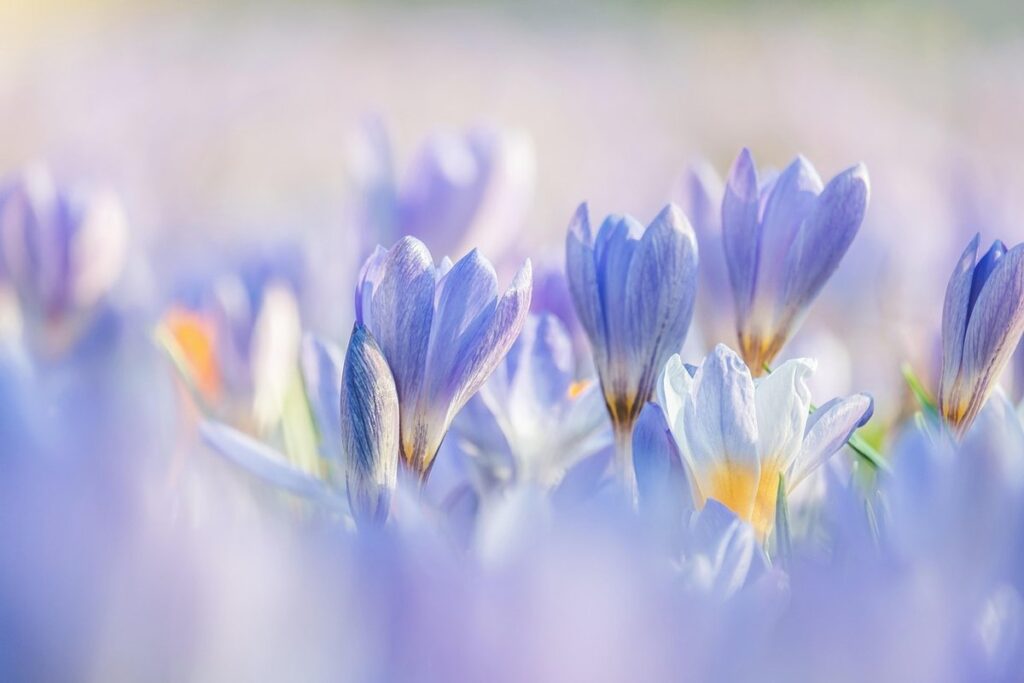
The Magic of Spring Flowers
As we welcome the warmth of spring, vibrant blooms burst forth in every color of the rainbow, bringing joy and beauty to our gardens and homes. Let’s take a closer look at the enchanting flowers that make this season so special.
Types of Spring Flowers
Perennials like tulips, daffodils, and hyacinths are some of the most popular spring flowers, returning year after year with minimal maintenance. These bulbs can be planted in the fall, and they will bloom in the spring, often for multiple weeks. Annuals, on the other hand, complete their life cycle in a single growing season and require more frequent replanting. Examples of annual spring flowers include pansies, violas, and snapdragons, which can add a burst of color to your garden.
Wildflowers are another type of spring bloom, often found growing freely in fields and meadows. These flowers are often low-maintenance and can thrive in a variety of conditions. Some popular wildflowers include crocuses, grape hyacinths, and bleeding hearts. When choosing spring flowers, consider the amount of sunlight and moisture your garden receives, as well as the hardiness zone you live in.
Some spring flowers are better suited for containers, such as geraniums and petunias, while others prefer to be planted directly in the ground. Consider the mature size of the plant and leave enough space for growth.
When Do Spring Flowers Bloom?
In most regions, the exact timing of spring flower blooms varies from year to year and even from one garden to another. However, some general guidelines can help you anticipate when your spring flowers will bloom. In temperate climates, spring flowers typically begin to bloom in late March to early April, when daytime temperatures consistently reach above 50°F (10°C). As the soil warms up, plants start to produce buds and flowers.
Factors such as temperature and daylight hours significantly affect the blooming schedule. A warm winter and early spring can trigger flowers to bloom earlier, while a cooler and wetter spring can delay the blooming process. Typically, spring flowers bloom when the soil has warmed up to at least 40°F (4°C), and daylight hours have increased to 12 hours or more. This is usually around late March to early May, depending on your location and the specific type of flower.
Some spring flowers, like tulips and daffodils, can bloom as early as February in mild climates. Others, like peonies and roses, may not bloom until late May or early June. Keep in mind that these are general guidelines, and the actual blooming time may vary depending on your specific climate and garden conditions.
Choosing the Right Flowers for Your Garden
When selecting flowers for your garden, it’s essential to consider the specific needs of your plants. Climate plays a significant role in determining which flowers will thrive in your garden. For example, if you live in a region with hot summers, choose flowers that are heat-tolerant, such as lantana or hibiscus. In contrast, if you live in a cooler climate, opt for flowers like pansies or violas that can withstand chilly temperatures.
Soil type is another critical factor to consider. If your soil is heavy clay or sandy, choose flowers that are adapted to those conditions. For instance, roses prefer well-draining soil, while irises can tolerate a range of soil types. Sunlight requirements are also crucial. Make sure to choose flowers that receive the right amount of sunlight for their needs. For example, sunflowers require full sun, while impatiens prefer partial shade.
In addition to these factors, consider the mature size of the flowers and their growth habits. This will help you avoid overcrowding your garden and ensure that your flowers have enough space to thrive. Some flowers, like daylilies, are naturally compact and can thrive in smaller spaces, while others, like peonies, can grow quite large and need more room to spread out.
Planting and Caring for Spring Flowers
As spring arrives, it’s the perfect time to plant and nurture your favorite flowers, which require careful attention to bloom beautifully. Proper planting and care will ensure your flowers thrive all season long.
Preparing the Soil for Spring Flowers
To prepare the soil for spring flowers, start by testing the pH level. You can purchase a DIY soil testing kit or send a sample to a lab for analysis. Most spring flowers prefer a slightly acidic to neutral soil pH, between 6.0 and 7.0. If your soil is too alkaline or acidic, amend it with lime or sulfur to bring it into the desired range.
Next, add organic matter to enrich the soil. Mix in 2-3 inches of compost or well-rotted manure to improve drainage, aeration, and nutrient availability. You can also use peat moss or coconut coir as alternatives. These materials will also help to retain moisture and suppress weeds.
Finally, loosen the soil to a depth of 8-10 inches to allow roots to grow freely. Use a fork or spade to gently break up any clods and aerate the soil. This will also help to prevent waterlogging and ensure that the soil drains well. By following these steps, you’ll create a fertile and well-draining soil that will support the growth and bloom of your spring flowers. For example, tulips and daffodils prefer a slightly acidic soil, while crocuses and hyacinths prefer a more neutral pH.
Planting Spring Flower Bulbs
When planting spring flower bulbs, timing is crucial. In most regions, it’s best to plant bulbs 6-8 weeks before the ground freezes, typically in late fall or early winter. This allows the bulbs to establish themselves in the soil before the cold weather sets in. Start by digging a hole that’s 2-3 times deeper than the height of the bulb, and 3-4 times wider. Place the bulb in the hole, pointed end up, and fill with soil. Plant bulbs 3-4 inches apart, depending on the variety. For example, daffodils can be planted 3-4 inches apart, while tulips and hyacinths need more space, about 6-8 inches apart. Make sure the soil is well-draining and loose to prevent waterlogged soil. Water the bulbs well after planting and keep the soil moist during the first growing season. Avoid over-fertilizing, as this can encourage weak growth. Instead, add a balanced fertilizer in the spring when the flowers are in bloom. By following these steps, you can ensure optimal results from your spring flower bulbs.
Watering and Fertilizing Spring Flowers
When watering and fertilizing spring flowers, it’s essential to strike the right balance. Overwatering can be just as detrimental as underwatering, leading to root rot and other problems. To avoid this, check the soil moisture by inserting your finger into the soil up to the knuckle. If the soil feels dry, it’s time to water.
Water in the morning, allowing the plants to dry out slightly before nightfall. This helps prevent fungal diseases that thrive in moist conditions. As for fertilizing, spring flowers typically require a balanced fertilizer with a 10-10-10 ratio of nitrogen, phosphorus, and potassium. However, some flowers like tulips and daffodils have specific requirements. For example, tulips need a higher phosphorus content to promote blooming. A general rule of thumb is to fertilize once a month during the growing season, but avoid fertilizing after blooming has finished.
To avoid underfertilizing, consider using a slow-release fertilizer that provides nutrients over an extended period. This can help ensure your spring flowers receive the necessary nutrients throughout the growing season. Keep in mind that some fertilizers can burn plant roots, so it’s crucial to follow the manufacturer’s instructions and start with a small amount.
Spring Flower Arranging and Decorating
As spring blooms burst into vibrant color, it’s the perfect time to get creative with your flower arrangements and add a pop of personality to your home decor.
Creating a Spring-Themed Arrangement
When selecting flowers for a spring-themed arrangement, consider the season’s signature blooms, such as tulips, daffodils, and hyacinths. These flowers typically bloom in shades of pink, yellow, and white, which provide a natural color palette for your arrangement. Don’t be afraid to mix and match these colors to create a visually appealing arrangement.
In addition to flowers, incorporate foliage and greenery to add depth and texture to your arrangement. Spring-themed arrangements often feature ferns, lemon leaves, or boxwood, which complement the season’s flowers. When choosing a container, select one that reflects the season’s fresh and airy feel, such as a wicker or terracotta pot.
To arrange your flowers and foliage, start by creating a base with some greenery, such as a fern or a sprig of lemon leaves. Then, add your spring flowers, working from largest to smallest. Finish the arrangement by adding any finishing touches, like a ribbon or a decorative pick. For a cohesive look, keep the arrangement simple and uncluttered, allowing each bloom to shine.
Using Spring Flowers in Home Decor
Using spring flowers in home decor is a great way to bring the beauty of the season indoors. One of the simplest and most elegant ways to do this is to create a vase arrangement with fresh flowers. Choose a mix of blooms in different colors and textures, and arrange them in a clear glass vase to let their natural beauty shine. For a more rustic look, try using a wooden vase or a mason jar.
Another idea is to make a wreath using spring flowers. You can use a wire or foam wreath form and attach the flowers using floral wire or hot glue. This is a great way to add a pop of color and fragrance to your front door or wall. You can also add some greenery, like eucalyptus or ferns, to give it a more lush look.
In addition to vases and wreaths, you can also use fresh flowers to add a touch of spring to your dining table. Create a centerpiece with a mix of flowers and greenery, and add some candles or decorative accents to finish it off. For a more subtle look, try adding a few sprigs of fresh flowers to a vase or jar, and placing it on a side table or console table.
Spring Flower Crafts and DIY Projects
Spring flowers are not only beautiful to behold, but they can also be used to create a wide range of DIY crafts and projects. One of the simplest and most fragrant ways to use spring flowers is to make potpourri. This can be done by drying the flowers and mixing them with other dried ingredients such as herbs, spices, and essential oils. You can customize the scent and appearance of your potpourri by using different types of flowers and ingredients.
Another creative way to use spring flowers is by pressing them between the pages of a book or using a flower press. This technique allows you to preserve the flowers so that you can use them in crafts and arrangements for years to come. You can also use pressed flowers to create decorative cards and gift tags.
For a more wearable craft, consider making a flower crown. This can be done using real or artificial flowers, and can be customized with different types of flowers, foliage, and decorative items. You can use a wire or floral tape to attach the flowers to a headband or a wire base, and add other decorative elements such as ribbons and flowers to complete the look.
Spring Flower Symbolism and Meaning
As spring blooms burst forth in a vibrant tapestry of color, each flower carries its own special meaning and symbolism, adding depth to the season’s beauty. Let’s explore the stories behind some of the most iconic spring flowers.
Symbolism of Popular Spring Flowers
Many spring flowers have rich symbolism and meaning, reflecting their historical and cultural significance. For instance, the daffodil is often associated with new beginnings and renewal, as it’s one of the first flowers to bloom in spring. In Greek mythology, the daffodil was linked to Apollo, the god of the sun, making it a symbol of warmth and light. Tulips, on the other hand, have a long history of being associated with love and passion. In the 17th century, tulip bulbs became a highly sought-after commodity, with some varieties selling for exorbitant prices. This passion for tulips led to the development of elaborate trade systems, showcasing their value as a symbol of love and romance.
Other popular spring flowers, like the hyacinth and crocus, are often used in spring arrangements to represent hope and renewal. The hyacinth’s sweet fragrance is said to evoke a sense of calm and peace, while the crocus’s delicate blooms symbolize the fragility and beauty of life. When choosing flowers for a spring arrangement, consider the symbolism and meaning behind each bloom to convey a specific message or sentiment.
Using Flowers to Celebrate Spring Holidays
Easter, Mother’s Day, and the Spring Equinox are just a few of the spring holidays that are celebrated with flowers. In many cultures, flowers hold significant meaning and symbolism, making them a popular choice for spring celebrations. For Easter, tulips and lilies are often used to decorate churches and homes, symbolizing faith and purity. In contrast, daffodils and hyacinths are commonly used to celebrate the arrival of spring, as they are often the first flowers to bloom after a long winter.
When it comes to Mother’s Day, carnations and roses are popular choices for bouquets and arrangements, representing love and appreciation. To incorporate flowers into your spring celebrations, consider the meanings and symbolism behind different blooms. You can also get creative with flower arrangements and decorations, using a mix of fresh flowers, greenery, and other materials to create a unique and personalized look.
Some popular ways to use flowers in spring celebrations include:
• Creating a spring-themed centerpiece for your Easter dinner table
• Making a bouquet of fresh flowers for Mother’s Day
• Incorporating dried flowers and greenery into your Spring Equinox decorations
• Using flower petals to create a beautiful and fragrant potpourri for your home
The Language of Flowers: A Guide to Flower Meanings
The language of flowers has been a long-standing tradition, where different blooms convey distinct meanings and emotions. To decipher these hidden messages, it’s essential to understand the meanings behind various flowers, colors, and arrangements. For instance, red roses symbolize love and passion, while white lilies represent purity and innocence. Tulips, on the other hand, signify perfect love, while daisies convey new beginnings.
When choosing flowers for a specific occasion, consider the colors and arrangements as well. For example, a bouquet of yellow flowers can represent friendship and happiness, while a mix of pastel-colored blooms may symbolize delicate emotions and sensitivity. In traditional flower language, a single rosebud represents a promise of love, while a bouquet of sunflowers signifies loyalty and devotion.
To incorporate the language of flowers into your spring celebrations, consider the following tips:
- Use red tulips to express love and appreciation for a friend or family member.
- Create a bouquet with a mix of pastel-colored flowers to convey delicate emotions and sensitivity.
- Give a single rosebud as a promise of love.
- Use sunflowers to express loyalty and devotion.
Spring Flower Photography Tips and Tricks
To capture the vibrant beauty of spring flowers, you’ll want to consider the right time of day, lighting, and composition for your shots. This is where the magic of photography comes in.
Capturing the Beauty of Spring Flowers
When capturing the beauty of spring flowers, it’s essential to consider the right camera settings. Start by switching to a macro or close-up lens to emphasize the intricate details of the flowers. A wide aperture (small f-stop number) will help create a shallow depth of field, separating the flower from the background and drawing the viewer’s attention to the subject.
In terms of lighting, spring flowers often thrive in soft, diffused light. Try to photograph them during the late morning or early afternoon when the sun is not too harsh. Avoid direct sunlight, which can create unflattering shadows and highlights. Instead, look for areas with dappled light or soft overcast skies.
Composition is also crucial when capturing spring flowers. Experiment with different angles and perspectives to add visual interest. Try shooting from directly above or at a 45-degree angle to emphasize the flower’s shape and texture. Consider incorporating surrounding foliage or branches to create a sense of context and place. Use the rule of thirds to balance the composition and lead the viewer’s eye through the image.
Editing and Post-processing Spring Flower Photos
When editing and post-processing spring flower photos, the goal is to enhance the beauty and detail of the blooms. A popular choice among photographers is Adobe Lightroom, which offers a range of tools for adjusting colors, exposure, and contrast. For more advanced users, Adobe Photoshop provides even greater control over image manipulation.
To bring out the vibrant colors of spring flowers, consider using the “HSL/Grayscale” panel in Lightroom to adjust the hue, saturation, and luminance of individual colors. This can help to balance warm and cool tones, creating a more natural and appealing color palette. For example, you might increase the saturation of reds and pinks to make them pop, while reducing the saturation of blues and purples to avoid overwhelming the image.
To enhance details, use the “Detail” panel in Lightroom to adjust the amount of sharpening and noise reduction. This can help to clarify the texture and pattern of petals, as well as the subtle details of stamens and sepals. Additionally, consider using the “Gradient Filter” in Photoshop to create a subtle, natural-looking gradient that blends the colors of the image, rather than a harsh, artificial-looking edge. By mastering these techniques, you can take your spring flower photos from good to great.
Sharing Your Spring Flower Photos on Social Media
When sharing your spring flower photos on social media, you have a vast array of platforms to choose from. Instagram, with its visually-driven feed, is a top choice for flower enthusiasts. Create a new album or use the “Spring Flowers” hashtag to categorize your blooms. Alternatively, share your photos on Facebook, Twitter, or Pinterest, where you can join groups or discussions centered around gardening and flowers.
To maximize your online presence, use relevant hashtags like #springflowers, #gardeninspiration, #floralphotography, and #seasonalblooms. You can also participate in social media challenges, such as the annual #springblooms challenge on Instagram. When sharing your photos, consider adding a brief description or caption to provide context and inspire engagement.
To encourage interaction, ask questions or solicit advice from your followers. For example, you might ask for suggestions on how to care for a specific type of flower or what other blooms you should feature in your garden. By engaging with your audience and sharing your passion for spring flowers, you can build a community of like-minded individuals and showcase your beautiful photos to a wider audience.
Conclusion: Celebrating Spring with Flowers
As we reach the end of our guide to the best flowers of the season, we’re reminded of the joy and beauty that spring brings. The warmer weather and longer days signal the perfect time to get outside and appreciate the vibrant colors and sweet scents of blooming flowers. To make the most of this season, consider planting a mix of annuals and perennials in your garden, such as tulips, daffodils, and hyacinths, which will provide a constant display of color from March to May. You can also incorporate a variety of flowering shrubs and trees, like cherry blossoms and apple blossoms, which not only bloom beautifully but also provide food for local wildlife. By embracing the beauty of spring flowers, you can create a stunning outdoor space that’s perfect for relaxing and enjoying the season.
Frequently Asked Questions
How Do I Know if My Spring Flowers Are Getting Enough Sunlight?
Start by observing your garden during the spring season. If your flowers are not blooming as expected, it may be due to insufficient sunlight. Check the specific sunlight requirements for your flowers and adjust their placement accordingly. Most spring flowers need at least 6 hours of direct sunlight per day.
What If I Want to Grow Spring Flowers in a Shaded Area?
While most spring flowers require full sun, there are some varieties that can thrive in partial shade. Research and choose shade-tolerant spring flowers, such as impatiens or coleus, and follow the same planting and care instructions as for sun-loving flowers.
Can I Plant Spring Bulbs in the Fall Instead of Spring?
Yes, it’s possible to plant spring bulbs in the fall, but the timing may vary depending on your location and climate. In warmer regions, plant bulbs in the fall 6-8 weeks before the first frost. In cooler regions, plant in the spring as soon as the soil can be worked.
How Do I Prevent My Spring Flowers from Being Eaten by Pests?
Use physical barriers, such as fine mesh or fine netting, to protect your flowers from pests like aphids and whiteflies. You can also use neem oil or insecticidal soap to repel pests. Keep your garden clean and remove weeds, which can attract pests.
Can I Use Artificial Flowers in Place of Real Ones for Decorating?
Yes, artificial flowers can be a great alternative to real ones, especially if you’re short on time or want to create a long-lasting arrangement. Choose high-quality artificial flowers that mimic the look and feel of real ones, and combine them with other decorative elements to create a beautiful display.

