
Pressed flowers have been a timeless and versatile medium for art and decoration. For centuries, people have used them to add a touch of elegance and serenity to their surroundings. From delicate, hand-crafted bouquets to intricate, layered collages, pressed flowers have proven to be a durable and long-lasting way to preserve beauty. But pressed flowers are more than just a pretty face – they hold a wealth of history and significance, with many cultures using them in rituals and ceremonies to celebrate life’s milestones. In this article, you’ll learn about the fascinating world of pressed flowers, including their creative uses in art, decor, and beyond. You’ll also discover how to press flowers effectively, allowing you to preserve their beauty for a long time to come. By the end of this piece, you’ll be able to create your own stunning floral arrangements that will last for years to come.
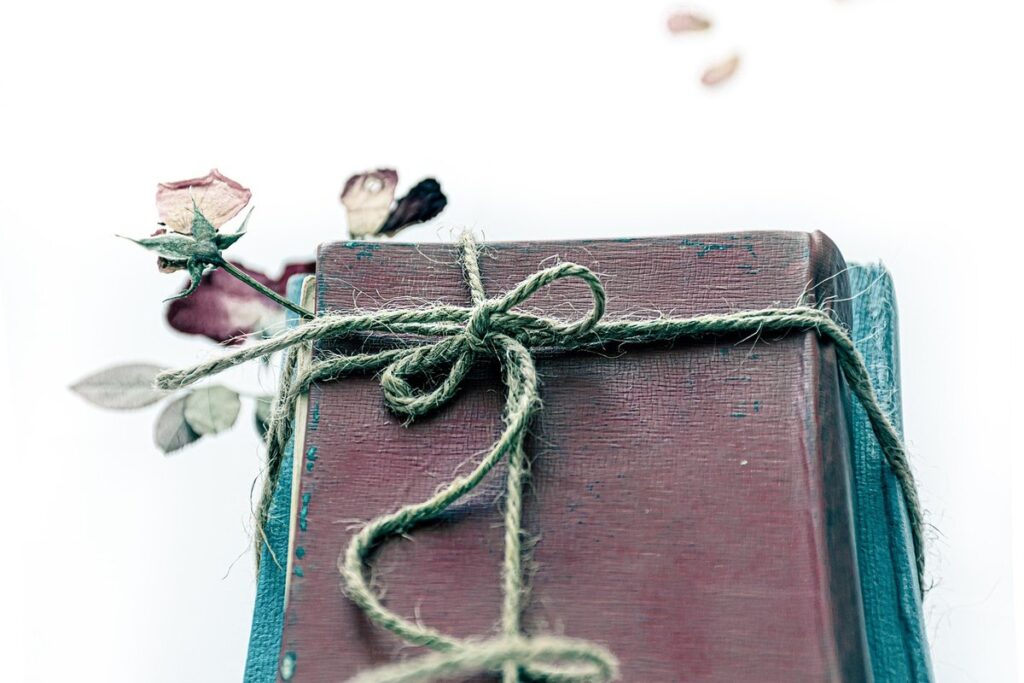
History and Significance of Pressed Flowers
Pressed flowers have been a treasured art form for centuries, with roots in ancient cultures that revered their beauty and symbolism. Let’s explore the fascinating history behind this delicate craft.
Ancient Techniques and Traditions
In ancient civilizations, pressed flowers were used for both decorative purposes and medicinal properties. The Egyptians, for instance, employed a method of pressing flowers between sheets of papyrus to create elaborate decorations for their temples. Similarly, the Chinese used pressed flowers to adorn their furniture and clothing.
The Greeks and Romans also utilized pressed flowers in various ways. They would press them between stones or use a combination of water and pressure to preserve the delicate petals. These dried flowers were then used in perfumes, potpourri, and even as offerings to their gods. The medicinal properties of certain flowers, such as lavender and rosemary, were also recognized by these ancient cultures.
Interestingly, the technique of pressing flowers was not limited to decorative purposes alone. Many ancient civilizations believed that pressed flowers possessed healing properties, particularly when used in potions or infused into oils. For example, the ancient Greeks would use pressed rose petals to treat digestive issues. This intersection of art and medicine highlights the ingenuity and resourcefulness of our ancestors, who were able to harness the beauty of nature for both aesthetic and therapeutic purposes.
In many cases, these traditional techniques are still used today, albeit with modern adaptations and refinements.
Cultural Importance in Modern Times
Pressed flowers continue to hold significant cultural importance in modern times. In many parts of the world, they remain a popular choice for traditional weddings and ceremonies. For instance, in some Asian cultures, delicate pressed flowers are often used as decorations in tea ceremonies, symbolizing elegance and refinement.
In European folklore, pressed flowers have long been associated with love and appreciation. They’re frequently used to create romantic bouquets and arrangements, particularly during Valentine’s Day and anniversaries. The practice of pressing flowers has also been adopted by some couples as a meaningful way to commemorate their special day.
Beyond weddings and ceremonies, pressed flowers are also increasingly being used in modern art forms. Artists often incorporate them into intricate designs and patterns, adding texture and depth to their work. For those interested in exploring this creative outlet, consider experimenting with different flower combinations and pressing techniques to achieve unique textures and colors.
When using pressed flowers in cultural or artistic contexts, it’s essential to preserve them properly to maintain their beauty and significance over time. This can be achieved by storing them in a cool, dry environment away from direct sunlight.
Materials and Tools Needed
Before you start creating beautiful pressed flowers, make sure you have all the necessary materials and tools on hand to ensure a successful project. Gather these essentials and let’s get started!
Choosing the Right Flowers
When selecting flowers for pressing, it’s essential to consider their petal thickness. Delicate petals are more prone to damage and may not hold their shape well after pressing. Thicker petals, on the other hand, can withstand the process better but might be less flexible. For example, roses have thick petals that work well for pressed flower art, while lavender and chamomile have thinner petals that require extra care.
Colorfastness is another crucial factor to consider. Some flowers change color or fade significantly when exposed to heat or light. If you want to preserve the original hue of your flowers, choose varieties with good colorfastness, such as marigolds, sunflowers, and zinnias. Avoid flowers like carnations, chrysanthemums, and gerbera daisies, which tend to fade quickly.
Durability is also a vital consideration when selecting flowers for pressing. Some blooms are more delicate than others and may not withstand the pressure or moisture involved in the process. For instance, orchids and peonies have fragile petals that may break easily during pressing, while daisies and baby’s breath are generally more robust.
When choosing flowers, it’s also essential to consider their natural shape and texture. Flowers with a more open shape, like lilies or poppies, can be pressed flat and used as backgrounds or borders. Tighter blooms, such as roses or carnations, work well for creating dimensional pieces.
Preparing and Pressing Equipment
To press flowers effectively, you’ll need a few essential tools and materials. Start with some absorbent paper towels or blotting sheets to gently remove excess moisture from the petals. You can also use newspaper or cardboard sheets for bulk pressing, but be aware that these may leave behind ink stains on your flower.
For heavier items like branches or thicker flowers, you’ll need something more substantial to weigh them down. Heavy books, textbooks, or even a large dictionary are great options. You can also repurpose old picture frames with heavy glass fronts as makeshift presses.
If you’re planning to press larger quantities of flowers regularly, consider investing in a specialized flower press. These usually consist of two metal plates held together by screws, allowing for precise pressure and control over the pressing process. Some flower presses even come with interchangeable sheets or inserts for different types of flowers.
When selecting a flower press, look for one made from durable materials that can withstand repeated use. You may also want to consider the size of the press and whether it’s suitable for your specific needs.
The Pressing Process
Now that we’ve discussed how to collect and prepare flowers, let’s move on to the fascinating process of preserving them through pressing. This ancient technique involves carefully extracting moisture from delicate petals.
Basic Techniques for Beginners
To begin pressing flowers, start by selecting fresh blooms with a sturdy stem. Gently remove excess foliage, leaving only the petals and a small section of stem attached to the flower head. This will prevent moisture from accumulating and promote even drying.
Next, place the prepared flowers between two sheets of blotting paper or cardboard to absorb any excess moisture. You can also use a flower press specifically designed for this purpose. Apply gentle pressure by closing the press or placing weights on top of the flowers. The weight should be evenly distributed to prevent damage to the petals.
Proper storage is crucial during the pressing process. Keep the flowers in a cool, dry place away from direct sunlight. It’s essential to check on them regularly to ensure they’re drying evenly and not developing mold. Depending on the flower type and environmental conditions, this can take anywhere from several days to a week or more.
To speed up the process, you can also use desiccants like silica gel or borax to absorb moisture from the air. However, be cautious not to overdo it, as these substances can dry out the flowers too quickly, leading to brittle petals and loss of texture.
Advanced Methods for Professional Results
When aiming for professional-grade pressed flower art, experimenting with different materials can significantly elevate the final product. Consider using specialty papers like cotton linters, watercolor paper, or even vellum to add texture and depth to your designs. These unique substrates allow for creative expression while maintaining the delicate beauty of the flowers.
Technique is also crucial in achieving professional results. Try combining traditional pressing methods with modern techniques like gel press or heat-pressing to achieve more vibrant colors and intricate details. Some artists even experiment with layering and collage-style arrangements, using pressed flowers as a base for mixed-media art pieces.
Presentation style is another aspect that sets professional-grade pressed flower art apart from amateur work. Consider displaying your pressed flowers in custom-made frames or shadow boxes to create visually stunning wall art. Alternatively, use decorative containers or vases to add an organic, whimsical touch to any room. By exploring these advanced methods and pushing the boundaries of traditional pressing techniques, you can unlock new levels of creativity and sophistication in your work.
Uses and Applications of Pressed Flowers
Pressed flowers aren’t just a beautiful addition to your home decor, but also serve as delicate embellishments for various crafts and projects. From scrapbooking to card-making, their uses are diverse and creative.
Decorative Arrangements and Crafts
Pressed flowers can be used to create stunning decorative arrangements and crafts for your home. One popular way to use them is by making wreaths. You can choose a variety of flowers in different colors and shapes, or focus on a single species like roses or lavender. Simply arrange the pressed flowers into a circular shape and attach a wire or foam base to create a beautiful and fragrant wreath for your front door.
Another creative way to use pressed flowers is by making potpourri blends. Mix dried flowers with other botanicals like leaves, berries, and spices to create a unique scent and texture combination. You can also add essential oils to enhance the fragrance. To make it more visually appealing, layer the ingredients in a decorative bowl or jar.
Pressed flowers can also be used to create intricate designs on walls, furniture, or fabric. Use a decoupage medium to attach the pressed flowers onto your chosen surface, creating a beautiful and delicate pattern. You can also use them to embellish gift boxes, cards, or other craft projects.
Artistic Expressions and Gifts
Pressed flowers can be a versatile medium for artistic expression, allowing creatives to push the boundaries of traditional art forms. In mixed media art, pressed flowers can add texture and depth when combined with paint, ink, or paper. They can also serve as intricate collaged elements, lending an organic feel to otherwise two-dimensional works. When used as standalone pieces, pressed flowers can evoke a sense of fragility and impermanence.
To create visually striking compositions, consider layering different flower types and colors. For instance, pairing delicate wildflowers with bold, brightly colored blooms can produce intriguing contrasts. You can also experiment with arranging flowers in intricate patterns or shapes to create dynamic focal points.
When using pressed flowers as gifts, consider framing them individually or grouping them together within a decorative frame. This adds an extra layer of elegance and allows the recipient to appreciate each flower’s unique beauty. Alternatively, you can incorporate pressed flowers into handmade cards, journals, or other paper crafts for a thoughtful, personalized touch.
Preservation and Longevity of Pressed Flowers
To keep your pressed flowers looking their best for years to come, it’s essential to understand how to properly preserve and maintain them. This includes storing, handling, and displaying techniques that promote longevity.
Factors Affecting Durability
Proper storage conditions are crucial for maintaining the integrity of pressed flowers. Humidity is a significant factor to consider – high humidity can cause moisture to seep into the flower’s structure, leading to mold or decay, while low humidity can cause it to dry out and become brittle. Aim for a stable environment with moderate humidity levels between 40-60%. Exposure to direct sunlight or UV radiation can also damage pressed flowers, causing them to fade, discolor, or become brittle over time.
When storing pressed flowers, keep them away from heat sources, radiators, and air conditioning vents. Avoid placing them in areas prone to temperature fluctuations or moisture accumulation, such as basements or attics. It’s best to store them in a cool, dry place with minimal light exposure. A sealed glass container or an acid-free storage box can help maintain the flower’s delicate state.
In addition to environmental conditions, the quality of pressing and handling also plays a role in determining durability. Poorly pressed flowers may not be able to withstand exposure to air or moisture as well as those that have been properly treated.
Tips for Extending Shelf Life
To maintain the beauty and longevity of pressed flowers, it’s essential to handle them with care. Keep them away from direct sunlight, which can cause fading and discoloration. Avoid exposing pressed flowers to moisture, humidity, or extreme temperatures, as this can lead to mold, mildew, or warping.
When displaying pressed flowers in a frame or arrangement, consider the following tips: place them in a dry, well-ventilated area; avoid clustering too many flowers together, as this can create humidity pockets; and ensure the backing of the frame is not touching the flowers, which can trap moisture. For long-term storage, store pressed flowers in an airtight container or bag to prevent dust accumulation and minimize exposure to air.
Regularly inspect your pressed flower art for signs of deterioration, such as brittleness, discoloration, or pest infestation. Clean them gently with a soft brush or cotton swab to remove dust and debris, but avoid using harsh chemicals or liquids that can damage the flowers. By following these simple care tips, you can enjoy your pressed flower art for years to come.
Conclusion and Inspiration
Now that you’ve mastered the art of pressing flowers, let’s talk about what to do next with your beautiful creations. We’ll explore ways to display them in a way that adds elegance to any space.
Encouraging Readers to Experiment
As you explore the delicate world of pressed flowers, it’s time to let your creativity bloom. Not only do pressing flowers offer a unique way to preserve and appreciate nature’s beauty, but they also provide an opportunity for relaxation and self-expression.
The therapeutic benefits of working with flowers are well-documented. Studies have shown that engaging in activities like flower pressing can reduce stress levels, improve mood, and even promote better sleep. By slowing down and focusing on the intricate details of each petal, you’ll find yourself lost in a meditative state, free from the pressures of everyday life.
But pressing flowers isn’t just about relaxation – it’s also an art form waiting to happen. With just a few simple tools and some patience, you can create stunning arrangements that add a touch of elegance to any room. Experiment with different colors, shapes, and textures to develop your unique style. Try pairing delicate wildflowers with lush greenery or combining bold blooms with natural elements like twigs and leaves.
As you experiment with pressing flowers, you’ll experience a sense of accomplishment with each new creation. Watch as your carefully selected petals transform into beautiful works of art. See how the gentle pressure of the press brings out subtle details that were previously hidden. These small victories may seem insignificant on their own, but they add up to a profound sense of satisfaction and pride in your handiwork.
To get started, begin by selecting a few flowers or foliage with interesting shapes and colors. Experiment with different pressing techniques and tools until you find what works best for you. Don’t be afraid to make mistakes – they often lead to new discoveries and inspiration. With time and practice, you’ll develop your own unique voice in the world of pressed flowers.
Frequently Asked Questions
Can I Press Flowers with Delicate Petals?
Yes, it’s possible to press flowers with delicate petals, but it requires extra care and attention. To achieve good results, use a gentle pressing method, such as placing the flowers between sheets of paper towels or using a specialized press with a soft touch. This will help prevent damage to the fragile petals.
How Long Does It Take for Pressed Flowers to Dry Completely?
The drying time for pressed flowers can vary depending on factors like humidity and air circulation. Generally, it takes anywhere from 2 weeks to several months for pressed flowers to dry completely. Be patient and check on them regularly to ensure they are not developing mold or discoloration.
What if My Pressed Flowers Fade or Discolor Over Time?
Yes, it’s common for pressed flowers to fade or discolor over time due to exposure to light or changes in humidity. To minimize this effect, store your pressed flowers in a dark, cool place and keep them away from direct sunlight. You can also consider using UV-filtering glass or acrylic to protect the flowers.
Can I Use Pressed Flowers in Outdoor Decorations?
While it’s possible to use pressed flowers in outdoor decorations, they may not withstand harsh weather conditions like rain, wind, or extreme temperatures. To extend their lifespan, you can apply a clear coat of varnish or sealant to protect them from moisture and UV rays.
How Do I Preserve Pressed Flowers for Long-Term Display?
To preserve pressed flowers for long-term display, store them in a dry, well-ventilated area away from direct sunlight. Consider using acid-free paper or museum-quality storage materials to prevent damage or degradation over time. Regularly inspect your stored pressed flowers for signs of mold, mildew, or insect infestation, and take action promptly if you notice any issues.

