
Fast fashion has become a ubiquitous presence in our lives, but its environmental and social consequences are staggering. Landfills are overflowing with discarded clothing, perpetuating a cycle of waste that’s as damaging as it is seemingly harmless. The numbers are daunting: over 12 million tons of clothes end up in landfills each year, with the majority being synthetic materials that can take hundreds of years to decompose. But this crisis isn’t just an environmental issue – it also raises serious concerns about labor exploitation and human rights abuses in the fashion industry. In this article, we’ll explore the devastating impact of fast fashion on our planet’s landfills and examine emerging trends and regulatory measures that aim to mitigate this crisis, equipping you with a deeper understanding of how your purchasing decisions can contribute to or alleviate this problem by the time you finish reading.
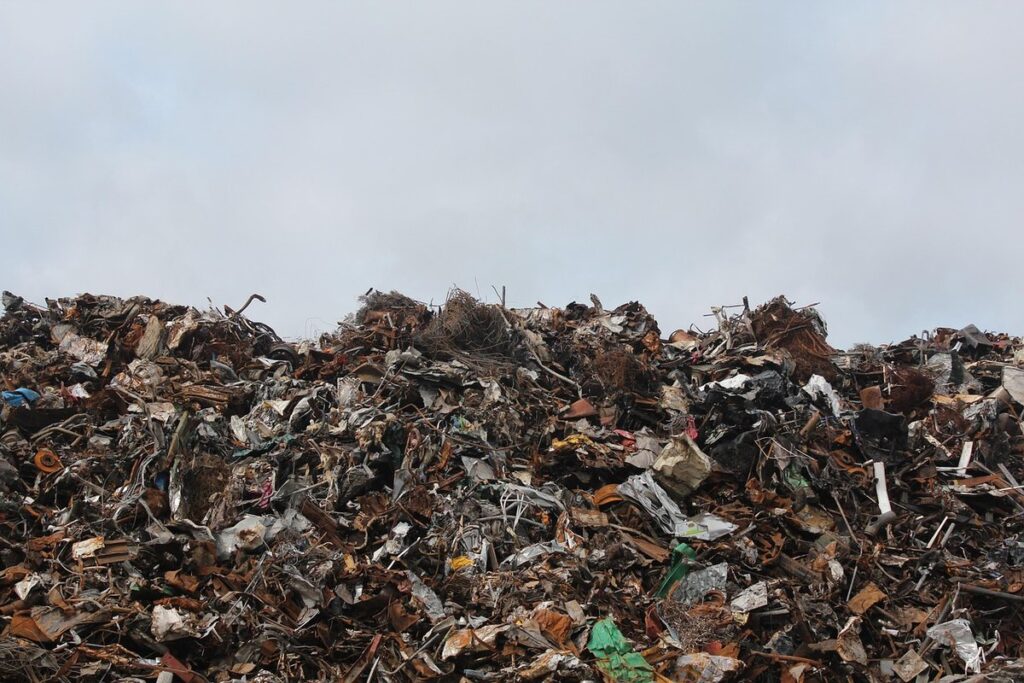
The Rise of Fast Fashion
Fast fashion has become a driving force behind the staggering amounts of landfill waste we’re seeing today. Let’s examine how this trend is contributing to our planet’s pollution problem.
Defining Fast Fashion and its Global Reach
Fast fashion is a term used to describe cheaply made clothing produced quickly and cheaply by major retailers. This business model has been popularized over the past few decades due to advancements in manufacturing technology, changes in consumer behavior, and the rise of global supply chains.
The impact of fast fashion on the environment can be seen in its staggering growth rates. Between 2000 and 2014, clothing production increased by 60%, while overall economic output only grew by 15%. The result is a massive increase in waste: it’s estimated that the average American generates about 82 pounds of textile waste per year.
Fast fashion’s global reach can be seen in its widespread adoption. By 2020, fast fashion had become a $3 trillion industry, accounting for 10% of global greenhouse gas emissions. Major retailers like H&M and Zara are responsible for large volumes of waste, with some reports suggesting that they produce over 11 million tons of textile waste annually. This has led to an explosion in landfill waste, with many cities struggling to cope with the sheer volume of discarded clothing and textiles.
The Business Model Behind Fast Fashion
Fast fashion’s business model is built on speed and low costs. To achieve these goals, retailers like Zara and H&M have implemented a “just-in-time” production system, where designs are created and manufactured quickly to meet changing consumer trends. This approach allows for rapid restocking of trendy items, which in turn encourages customers to buy more frequently.
Low costs are achieved through vertical integration – companies control every stage of the supply chain from design to manufacturing – as well as by using cheap materials and labor in countries with lax regulations. The result is a constant stream of affordable, fashionable items that fuel consumer demand for more.
E-commerce has also played a significant role in driving fast fashion’s rapid consumption cycle. Online shopping makes it easy for consumers to browse and buy trendy items at any time, often without even leaving their homes. Social media platforms like Instagram further fuel the demand for new clothes by showcasing stylish outfits and influencer endorsements.
The Human Cost: Labor Practices in Fast Fashion
Behind every cheap t-shirt and trendy pair of jeans is a story of exploitation, sweatshop labor, and worker’s rights abuses that need to be acknowledged. We’ll examine the harsh realities faced by fast fashion workers today.
Sweatshop Labor and Exploitation
Sweatshop Labor and Exploitation is a grim reality behind many fast fashion brands‘ supply chains. In 2019, an investigation by the Guardian exposed sweatshop conditions at a garment factory in Bangladesh that supplied major UK retailers, including Boohoo and Asos. Workers toiled for up to 14 hours a day, seven days a week, with minimal breaks or pay.
Case studies like this one are disturbingly common. A report by the Worker Rights Consortium found that between 2013 and 2017, over 150 garment workers died in factory fires and building collapses in Bangladesh alone. These tragedies highlight the desperate working conditions faced by many fast fashion laborers worldwide. The struggle for fair wages, safer workplaces, and better treatment is ongoing.
For consumers who want to make a difference, supporting brands with transparent supply chains and robust worker welfare policies can be an effective step towards change. Researching companies’ track records on labor rights and advocating for improved practices through social media campaigns or petitions can also bring attention to the issue.
The Role of Consumerism in Perpetuating Fast Fashion
Fast fashion’s reliance on cheap labor is closely tied to consumer demand for affordable, trendy clothing. This demand is driven by a combination of psychological and social factors, including the desire for novelty and the pressure to keep up with current styles. Social media platforms like Instagram and TikTok perpetuate this cycle by showcasing fashionable, high-end looks that are often unattainable on a budget.
The “fast fashion” business model encourages customers to buy, wear, and discard clothing quickly, which creates a high demand for new garments. This, in turn, fuels the industry’s exploitation of workers. Many consumers prioritize affordability over ethics, buying into the idea that cheap clothes are a bargain, rather than considering the human cost.
To make more informed choices, consider the following: when shopping, try to focus on timeless pieces rather than trendy items. Be mindful of your own behavior and the messages you’re receiving from social media platforms. Consider supporting brands that prioritize fair labor practices or buying second-hand clothing. By making these changes, consumers can begin to shift the industry’s dynamics, promoting more equitable and sustainable fashion practices.
Environmental Consequences: The Carbon Footprint of Fast Fashion
The environmental consequences of fast fashion are staggering, and nowhere is that more evident than in the massive carbon footprint left behind by the industry’s unsustainable practices. Let’s take a closer look at this critical issue.
Material Production and Waste Generation
Fast fashion’s reliance on massive production volumes has a devastating impact on the environment. The textile industry alone uses 98 million barrels of oil annually, contributing significantly to greenhouse gas emissions. This staggering statistic is often overlooked in the pursuit of affordable, trendy clothing.
The production process also generates an enormous amount of waste. According to the Ellen MacArthur Foundation, the average American throws away 82 pounds of textiles per year. A significant portion of this waste comes from fabric scraps and packaging materials. In fact, it’s estimated that up to 20% of global cotton production is discarded as waste during manufacturing.
The hazardous chemicals used in textile production also pose a significant environmental risk. Dyes, bleaches, and finishes can contaminate soil and waterways if not disposed of properly. For example, the dyeing process alone releases millions of gallons of chemical-laden wastewater into rivers and streams each year. As consumers, we have the power to demand change by choosing sustainable fashion options and supporting brands that prioritize environmentally friendly practices.
The Looming Threat of Microplastics in Textiles
Microplastics from synthetic fabrics have become a significant concern in recent years. When clothing made from polyester, nylon, and other synthetic materials is washed, it releases tiny plastic fibers into the water supply. Research has shown that these microplastics can contaminate freshwater ecosystems, affecting both aquatic life and human health.
Studies have found that microplastic pollution can cause physical harm to fish and other organisms, including blockages in their digestive systems and even death. Moreover, when humans consume contaminated seafood or drink water polluted with microplastics, they may ingest these plastics as well. This can lead to the accumulation of toxins in the body, potentially causing health issues.
To mitigate this issue, consumers can opt for clothing made from natural fibers like cotton, wool, and silk. These fabrics are biodegradable and don’t shed plastic fibers during washing. Additionally, some companies now produce synthetic fabrics with anti-microplastic technologies that reduce fiber shedding by up to 90%. By choosing sustainable textiles and supporting companies that prioritize environmental responsibility, consumers can help minimize their contribution to microplastic pollution.
Waste Management: How Fast Fashion Ends Up in Landfills
Fast fashion contributes significantly to landfill waste, and understanding where it ends up is crucial for making informed purchasing decisions. This section will break down the lifecycle of a fast fashion item from production to disposal in landfills.
The Anatomy of a Fast Fashion Product’s Life Cycle
From design to disposal, a fast fashion product’s life cycle is a complex web of waste generation. It begins with the initial design phase, where trends and consumer demand drive production decisions. Manufacturers often create multiple styles and colors to appeal to a wide market, resulting in excess inventory that may never be sold.
Packaging plays a significant role in waste creation, with many fast fashion brands using non-recyclable materials or over-packaging items. For example, some garments come wrapped in plastic bags, while others are encased in cardboard boxes with Styrofoam inserts. This unnecessary packaging contributes to a substantial portion of the product’s overall weight and bulk.
During production, factories often prioritize speed over sustainability, leading to excessive water and energy consumption. As products move through distribution channels, they may be damaged or discarded due to shipping mishaps or store stock rotations. Eventually, these items reach consumers, who may wear them once or twice before discarding them. The average American generates 82 pounds of textile waste per year, with most fast fashion items ending up in landfills within months of purchase.
Breaking Down Barriers: Challenges to Effective Waste Management
Inadequate recycling infrastructure is a significant barrier to effective waste management in fast fashion. Many countries lack adequate facilities for processing textile waste, making it difficult for companies to responsibly dispose of their trash. In some regions, recycling capacity is overwhelmed by the sheer volume of clothing and textiles entering landfills each year. For instance, the European Union’s textile recycling rates are estimated to be around 10%, leaving a large portion of discarded garments unrecycled.
The lack of industry standards also contributes to waste management challenges in fast fashion. There is currently no standard for garment take-back programs or guidelines for recycling textile materials. This fragmentation creates confusion among consumers and hinders the development of efficient recycling infrastructure. Regulatory hurdles further complicate matters, as inconsistent legislation across countries makes it difficult for companies to establish a unified approach to waste management. For example, the EU’s Circular Economy Package aims to increase recycling rates but faces resistance from some member states with inadequate infrastructure.
The Road to Sustainability: Emerging Trends and Solutions
As we explore the consequences of fast fashion, let’s shine a light on emerging trends and solutions that can help us create a more sustainable future for our planet. Innovative technologies and design approaches are paving the way towards a greener industry.
Closed-Loop Systems and Recycling Innovations
Companies like Patagonia and H&M are pioneering closed-loop systems by designing garments with recyclability in mind. They’re implementing garment collecting programs, encouraging customers to return old clothing for recycling or reuse. For instance, Patagonia’s Worn Wear program rewards customers with store credit for bringing in worn items. This approach not only reduces waste but also creates a new revenue stream.
Innovations in upcycling and recycling are another key component of closed-loop systems. Companies like Evrnu are developing technologies that turn used cotton clothing into recycled raw materials, which can be used to produce new fabrics. This process can reduce the energy required for traditional cotton production by up to 50%. Similarly, companies like Reformation are incorporating recycled polyester and organic cotton into their designs.
Emerging business models prioritize sustainability by promoting a “take-back” approach. This means manufacturers take responsibility for the entire lifecycle of their products, from design to end-of-life disposal or recycling. By adopting these closed-loop systems and innovations, businesses can significantly reduce textile waste and create more sustainable supply chains.
Consumer Education and Behavior Change
Raising consumer awareness about fast fashion’s environmental impact is crucial for driving behavior change. Educational campaigns can be an effective way to inform consumers about the true cost of their purchasing decisions. For instance, initiatives like “Second Life” by H&M encourage customers to recycle old clothes and receive vouchers in return. This approach not only reduces waste but also educates consumers about the value of sustainable fashion.
Marketing campaigns can also play a significant role in shifting consumer behavior. Brands like Patagonia have successfully used eco-friendly messaging to attract environmentally conscious consumers. Their “Worn Wear” campaign promotes the idea that clothing is an investment, rather than a disposable item. By highlighting the environmental and social consequences of fast fashion, these campaigns can inspire consumers to make more sustainable choices.
Sustainable design practices are also essential for reducing landfill waste. Designers like Stella McCartney have developed innovative materials and production methods that minimize waste and reduce the carbon footprint of their products. By incorporating eco-friendly materials and designing products with recyclability in mind, brands can significantly reduce their environmental impact.
The Future of Fast Fashion: What Can Be Done?
We can’t just wait for change, we need to be proactive and explore viable solutions to the unsustainable nature of fast fashion. What steps can we take to redefine the industry’s future?
Regulatory Measures to Address the Problem
Regulatory Measures to Address the Problem
Implementing regulations on waste management is a crucial step towards mitigating the negative effects of fast fashion. Governments can establish targets for recycling rates and landfill diversion, as well as impose fines or penalties on companies that fail to meet these standards. For instance, some cities have implemented “extended producer responsibility” policies, which require manufacturers to take back used products at the end of their life cycle.
Production standards are another area where regulations could make a significant impact. Governments can establish minimum guidelines for sustainable materials, labor practices, and environmental impact assessments. This could include requirements for companies to disclose the origin and processing of raw materials, as well as the conditions under which garments are manufactured. By setting clear production standards, governments can incentivize manufacturers to adopt more environmentally friendly practices.
Consumer protection laws also play a critical role in addressing the problem of fast fashion landfill waste. Governments can establish clear labeling requirements for clothing that highlights its environmental and social impact, as well as regulations around product take-back schemes and garment recycling programs. By providing consumers with accurate information about the products they purchase, governments can empower them to make more sustainable choices and reduce their contribution to landfill waste.
Industry-Wide Collaboration for Systemic Change
Collaborative efforts among fast fashion brands, suppliers, and stakeholders are gaining traction as a means to address the industry’s sustainability challenges. Initiatives like the “Fashion Pact” bring together leading companies to share best practices and set ambitious targets for reducing waste and emissions.
One notable example is Patagonia’s Worn Wear program, which encourages customers to repair and reuse their products rather than discarding them. This approach not only reduces waste but also fosters a culture of sustainability within the company’s ecosystem. Other brands like Reformation and Stella McCartney are implementing circular business models by designing garments for recyclability and using recycled materials in production.
Supply chain transparency is another crucial aspect of industry-wide collaboration. Companies like H&M and Zara have started to disclose information about their manufacturing processes, including data on greenhouse gas emissions and water usage. This openness enables stakeholders to hold brands accountable for their environmental impact and identify areas for improvement. As the fashion industry continues to evolve, these collaborative efforts will be essential in driving systemic change and reducing landfill waste.
Frequently Asked Questions
Can I recycle fast fashion items that have been worn multiple times?
Yes, many companies now offer garment collecting and recycling programs that can process previously worn clothes. However, the effectiveness of these programs depends on factors like the type of fabric, how well the item is cleaned before recycling, and whether it meets specific standards for recyclability.
What if I want to start a clothing swap or donation drive in my community – are there any resources available?
Yes, several organizations offer guidance and tools for hosting successful clothing swaps and donation drives. These can be a great way to divert waste from landfills while also promoting sustainable fashion practices within your community. Consider reaching out to local thrift stores, non-profits, or online forums for advice.
How can I know if the second-hand store or charity that accepts my donated clothes is actually using them responsibly?
When donating to a second-hand store or charity, it’s essential to research their reputation and policies regarding sustainable practices. Look for stores with transparent recycling programs, those that clearly label clothing as “recycled” or “upcycled,” and charities that prioritize environmental responsibility.
Can I make my own sustainable fashion choices work if I have a limited budget?
Yes, making sustainable fashion choices doesn’t require breaking the bank. Consider shopping at thrift stores, buying second-hand, or participating in clothing swaps to reduce waste and find affordable options while still promoting sustainability. You can also get creative with DIY projects like repurposing old clothes or learning basic sewing skills.
What if I’m unsure about how to properly care for a sustainable fashion item – will it void the warranty?
Most manufacturers of sustainable fashion items provide clear guidelines on how to care for and maintain their products. Failing to follow these instructions won’t typically void your warranty, but neglecting proper care may affect the longevity or performance of the garment.

