
As the air grows crisper and leaves begin to turn, our homes can benefit from a refreshing makeover that captures the essence of the season. Fall potpourri recipes are a great way to infuse your space with natural scents that evoke feelings of coziness and warmth, perfect for creating a welcoming ambiance. But store-bought potpourri can be expensive and often contain artificial fragrances that may not align with your personal preferences or values. By crafting your own fall potpourri recipe, you’ll have complete control over the ingredients and their scents, allowing you to tailor the blend to suit your mood and tastes. This guide will walk you through simple steps for creating a custom fall potpourri mix using dried flowers, herbs, spices, and essential oils that will fill your home with warmth and character.
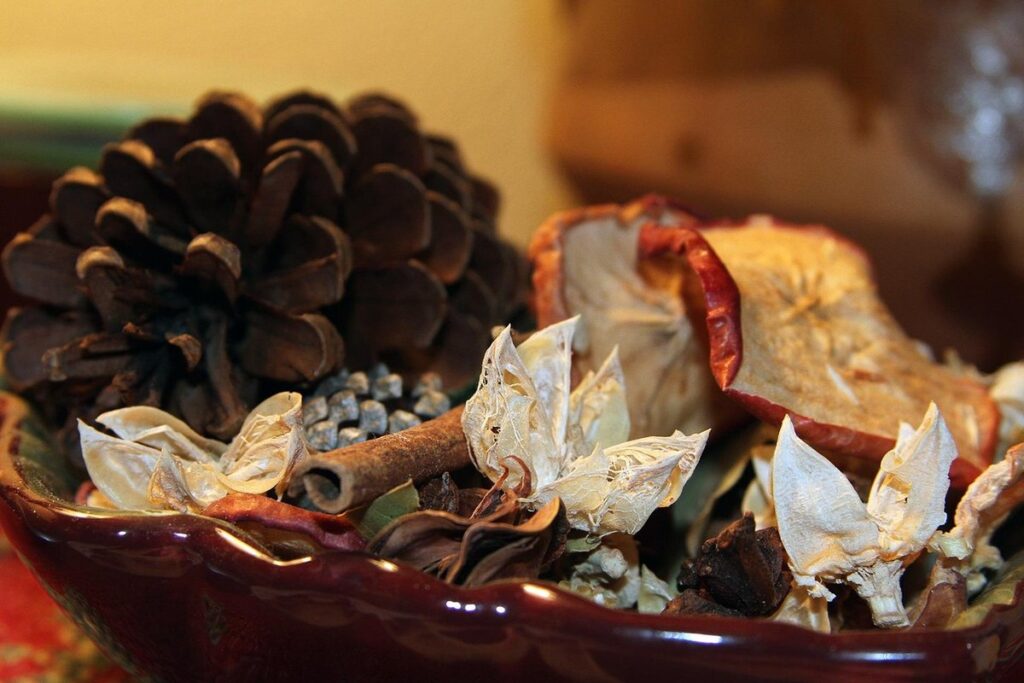
Understanding the Basics of Potpourri
To get started, let’s first explore the fundamental components that make up a classic potpourri blend, including flowers, herbs, and spices. These elements are the building blocks of your cozy fall scent.
What is Potpourri?
Potpourri has been a staple of home decor for centuries, originating from 17th-century France as a mixture of dried flowers, herbs, and spices. The word “potpourri” itself is French for “rotten pot,” which seems an unusual name for something so pleasant-smelling. However, the term actually refers to the practice of mixing various scented items together in one container. This blend of fragrances was initially used to mask unpleasant odors in homes and public spaces.
Today, potpourri continues to serve a similar purpose: creating inviting and cozy atmospheres within our living spaces. By combining a variety of scented ingredients, we can evoke the warm, comforting feelings associated with fall – think crunchy leaves, woodsmoke, and pumpkin spice. When choosing your own potpourri ingredients, consider what seasonal aromas you want to bring into your home. Dried flowers like marigold and sunflower petals are great additions, as are cinnamon sticks and cloves for their warm, spicy scent.
When creating a potpourri blend, remember that the key is balance – not too many strong scents overpowering each other, but rather a harmonious mix of fragrances working together to create a welcoming ambiance.
Benefits of Using Potpourri
Potpourri can have a profound impact on our mood and atmosphere. The combination of fragrant flowers, herbs, and spices creates a sensory experience that can uplift and calm us at the same time. When used in a home or public space, potpourri can create a cozy ambiance that invites relaxation and social interaction. For example, the warm, spicy scent of cinnamon and cloves can evoke feelings of comfort and security, while the sweetness of dried flowers like roses and lavender can promote a sense of calm.
One of the most practical benefits of using potpourri is its ability to mask unpleasant odors. Whether it’s the smell of dampness or mustiness in an old home, or the pungency of strong cleaning products, potpourri can effectively neutralize these scents and leave a pleasant aroma in their place. This is especially useful during the fall season when leaves are falling and the air may be thick with dampness.
To maximize the benefits of potpourri, consider using it in areas where you spend most of your time, such as living rooms or bedrooms. You can also experiment with different combinations of fragrances to create a scent that suits your personal taste.
Choosing the Right Ingredients for Your Fall Potpourri
When crafting your fall potpourri, selecting the perfect blend of ingredients is crucial to capturing the essence of the season. Choose from a variety of dried flowers, herbs, and spices to create a unique scent.
Seasonal Flowers and Foliage
When selecting seasonal flowers for your fall potpourri, consider the vibrant blooms of sunflowers and dahlias. These statement pieces can add a pop of color to your arrangement, evoking feelings of warmth and coziness. However, be mindful that their strong scent may overpower other ingredients.
For a more subtle approach, incorporate dried fall leaves into your potpourri. Oak, maple, and birch leaves provide an earthy fragrance that complements the spices and herbs often used in fall potpourri. You can simply dry them yourself by tying them in small bunches and hanging them upside down or use pre-dried leaves available at craft stores.
When working with seasonal flowers and foliage, remember to balance their intensity with milder ingredients. Pair sunflowers and dahlias with gentle herbs like lavender or chamomile to prevent overpowering scents. Similarly, combine dried leaves with soft spices like cinnamon or nutmeg for a harmonious blend. By thoughtfully incorporating these elements into your potpourri recipe, you can create a unique and inviting scent that captures the essence of fall.
Spices and Herbs for Warmth and Aroma
Spices like cinnamon, cloves, and nutmeg are essential for creating a warm and inviting scent in your fall potpourri. These aromatic ingredients evoke feelings of comfort and coziness, reminiscent of crackling firesides and autumnal landscapes. Cinnamon, in particular, is a classic choice for fall potpourri due to its sweet, spicy aroma that’s both soothing and invigorating.
When using spices like these, it’s essential to balance their potency with other ingredients. A general rule of thumb is to use about 1-2 tablespoons of whole spices or 1/4 teaspoon of ground spices per cup of dried flowers and foliage. This allows the spices to enhance the overall aroma without overpowering it.
Some popular spice blends for fall potpourri include combinations like cinnamon, nutmeg, and ginger, or allspice, cloves, and star anise. You can also experiment with individual spices to find the perfect balance for your recipe. For example, if you prefer a stronger scent, use more cloves; if you prefer a sweeter aroma, add more cinnamon.
Remember that the key is to create a harmonious blend of scents that evoke the warmth and coziness of fall.
Essential Oils for Depth and Complexity
When it comes to adding depth and complexity to your fall potpourri, essential oils are an excellent choice. Three popular options for autumnal scents are pumpkin spice, vanilla, and cedarwood. Pumpkin spice oil captures the warm, comforting aroma of pumpkin pie, while vanilla adds a sweet, creamy note that balances out other ingredients. Cedarwood, on the other hand, brings a woody, earthy depth to your potpourri.
You can use these oils individually or blend them together to create a unique fragrance. For example, combining pumpkin spice and vanilla creates a warm, spicy scent reminiscent of autumn leaves. Adding a few drops of cedarwood oil to this blend adds an earthy undertone that grounds the fragrance.
When selecting essential oils for your potpourri, be sure to choose high-quality oils from reputable sources. A small amount of oil can go a long way, so start with a few drops and adjust to taste. Keep in mind that different brands and types of oil may have varying strengths, so it’s better to err on the side of caution when adding more oil to your recipe.
Creating Your Fall Potpourri Recipe
Now that you have a good foundation of potpourri basics, let’s move on to crafting your very own fall potpourri recipe with a mix of seasonal scents and dried flowers.
Basic Potpourri Formula
A basic potpourri formula typically consists of a combination of dried flowers, foliage, spices, and essential oils. A general guideline is to use 2/3 dried ingredients and 1/3 essential oils. For example, you could mix together 1 cup of dried rose petals, 1/2 cup of cinnamon sticks, and 10 drops of pumpkin pie spice essential oil.
When mixing your potpourri, it’s a good idea to layer the different ingredients in a specific order. Start with the largest pieces, such as the cinnamon sticks, and work your way down to the smallest, like the dried flowers. This helps prevent the smaller items from getting lost or buried under the larger ones.
In terms of ratios, you can adjust the proportions of each ingredient based on personal preference. However, a general rule of thumb is to use more dried ingredients than essential oils, as this will help the scent last longer and be more consistent. For example, if you’re using 2 cups of dried flowers, you might use 10-15 drops of essential oil.
A good starting point for a basic potpourri formula is to combine 1 cup of dried rose petals with 1/2 cup of cinnamon sticks and 5-7 drops of pumpkin pie spice essential oil.
Customizing Your Recipe with Personal Preferences
When it comes to creating a fall potpourri recipe, one size doesn’t fit all. You may have friends who adore the scent of pumpkin spice, while you prefer the warmth of cinnamon. Tailoring your recipe to suit individual tastes and preferences is essential for crafting a truly inviting and cozy scent.
Start by assessing your personal preferences when it comes to fragrance. Do you lean towards sweet and spicy or fresh and floral? Consider the scents you associate with fall, such as apple cider or leaves crunching underfoot. Think about the types of ingredients that evoke these sensations, like dried apple slices or crushed cinnamon sticks.
To customize your recipe, focus on swapping out individual ingredients rather than reformulating the entire blend. For example, if you’re not a fan of the dominant note in a particular potpourri, try substituting it with a different spice or essential oil. You can also experiment with new combinations to create unique scents that reflect your personal style.
Some popular options for customization include swapping out spices like ginger and nutmeg for their fall counterparts, like allspice and cardamom. Alternatively, you could substitute fresh flowers with dried alternatives, such as rose petals or marigolds, to add a subtle floral note to your potpourri.
Tips for Mixing and Blending Ingredients
When combining ingredients for your fall potpourri recipe, it’s essential to consider the different textures, aromas, and colors. Start by separating your dry ingredients – such as flowers, leaves, and spices – from your liquid components – like essential oils and fragrances.
To ensure a balanced blend, follow these steps:
- Begin with a base of dried flowers or foliage, which will provide the primary scent.
- Add a moderate amount of spices and herbs to introduce warmth and depth. Consider using cinnamon sticks, cloves, or star anise for a classic fall aroma.
- Incorporate essential oils in small quantities (about 10-15% of the total recipe) to add complexity and fragrance. For example, use cedarwood oil for its woody scent or orange oil for its citrusy note.
When mixing dry ingredients, remember that some components can be quite potent – like cinnamon sticks or strong spices. Start with a small amount and adjust as needed to avoid overpowering the blend.
DIY Fall Potpourri Projects
Take your fall potpourri creations to the next level by learning how to craft unique and personalized scented blends using natural ingredients and decorative containers. Get creative with these easy DIY projects!
Potpourri in a Jar: A Simple and Adaptable Project
To create potpourri in a jar, you’ll need a clean glass jar with a lid, some absorbent material like decorative pebbles or small rocks, and your chosen fall potpourri ingredients. Fill the jar about 1/4 full with the absorbent material to help draw out moisture and prevent mold.
Next, add your dried flowers, foliage, spices, herbs, and essential oils to the jar in a way that looks visually appealing to you. Consider layering different textures and colors for added depth. For example, you might place some fluffy dried flowers at the bottom of the jar, followed by a layer of cinnamon sticks or whole cloves.
Decorate the lid with ribbons, twine, or small bows to add a touch of seasonal charm. You can also attach a gift tag or label with the ingredients and any relevant care instructions. Place the lid on the jar and tie a ribbon around it to create a beautiful presentation. This project is adaptable because you can use different jars, decorations, and ingredient combinations to suit your taste and style.
Potpourri Sachets and Bags: Convenient and Portable Options
To create potpourri sachets and bags, you’ll need small cloth bags or cotton muslin pouches. These can be found at most craft stores or online. You can also repurpose old cloth bags or use cheesecloth as a substitute.
When filling your sachets or bags, pack them tightly with your favorite fall potpourri ingredients. Consider using dried flowers like marigolds and chrysanthemums, along with cinnamon sticks and cloves for added warmth. Essential oils can be used sparingly to enhance the scent.
For longer-lasting fragrance, you can add a few drops of oil to the ingredients before sealing the bag or sachet. Be sure not to overdo it, as too much oil can cause the fabric to become stiff.
Sachets and bags are perfect for filling closets, drawers, or even small rooms with a cozy fall scent. Simply place them in the area you want to fragrance, and enjoy the inviting aroma of your homemade potpourri.
Displaying and Enjoying Your Fall Potpourri
Now that you’ve crafted your fall potpourri, let’s talk about how to beautifully display it around your home, from vases to garlands. This will enhance its inviting scent and cozy ambiance.
Ideas for Displaying Your Potpourri
When it comes to showcasing your fall potpourri, presentation matters. You can display your creation in a variety of ways to suit your home’s décor and personal style. For a rustic touch, try placing your potpourri in a distressed wood vase or a vintage metal container. Alternatively, you can use a clear glass bowl or a mercury glass vase to let the colors and textures of your ingredients shine.
Decorative baskets are another great option for displaying your potpourri. Look for wicker or rattan baskets with a natural finish to add warmth and coziness to any room. You can also consider using apothecary jars, which often have a decorative lid that can be easily removed to sniff the fragrance inside.
To add an extra layer of elegance, try pairing your potpourri with some fall-themed decorations like pinecones, dried leaves, or artificial flowers in autumnal colors. Place the arrangement on a coffee table, side table, or mantel to create a warm and inviting ambiance that’s perfect for the season. Remember, the key is to have fun and experiment with different display ideas until you find one that suits your taste and style.
How to Use Your Potpourri: Tips and Tricks
Use your fall potpourri to create a warm and inviting atmosphere in various settings. In homes, place small bowls or vases with fresh potpourri on tables, mantles, or entryways to greet guests and set the tone for cozy gatherings. You can also fill closets or drawers with potpourri to keep clothes smelling fresh and prevent musty odors.
In offices, consider using smaller, more contained potpourri sachets or bags to add a pleasant scent to individual workstations or meeting areas. This is particularly helpful in open-plan spaces where strong scents can be overwhelming. For public spaces like restaurants, hotels, or museums, use larger, more discreet containers or hidden dispensers to subtly enhance the ambiance.
When using potpourri in high-traffic areas, be mindful of its moisture content and potential for mildew. To minimize this risk, choose a recipe with a balance of absorbent ingredients, such as dried flowers and herbs, and opt for essential oils over fragrant spices or herbs. By thoughtfully placing and maintaining your fall potpourri, you can create a welcoming atmosphere that complements the changing seasons.
Troubleshooting Common Issues with Fall Potpourri
Sometimes fall potpourri doesn’t quite live up to its cozy potential, and that’s where troubleshooting comes in. Let’s tackle some common issues you might encounter when crafting your autumnal blend.
Preventing Mold and Mildew
To prevent mold and mildew growth in your potpourri, it’s essential to maintain a dry environment. This means keeping your potpourri away from direct sunlight, moisture-rich areas, and humid spaces like bathrooms or kitchens. Store your potpourri in a well-ventilated area, such as a closet or on a high shelf, to prevent moisture buildup.
When not in use, keep your potpourri in an airtight container to lock out moisture. You can also add a few drops of tea tree oil or lavender essential oil, known for their antimicrobial properties, to the mixture before storing it. This will help inhibit mold and mildew growth.
Regularly inspect your potpourri for signs of mold or mildew, such as white powdery patches or musty odors. If you notice any issues, discard the affected portion immediately and replace it with fresh ingredients. To maintain your potpourri’s fragrance and prevent spoilage, refresh the mixture every 2-3 weeks by adding new ingredients and discarding old ones.
Some essential oils can also help repel pests that might be attracted to moldy potpourri. Consider adding a few drops of peppermint or lemongrass oil to your mix for an added layer of protection.
Overpowering or Unpleasant Odors
If your potpourri emits overpowering or unpleasant odors, it may be due to an imbalance of ingredients. Check if you’ve used too many strong essential oils, such as cinnamon or cloves, which can overwhelm the senses. Conversely, a lack of fragrance might cause stale or dull scents.
Start by reducing the amount of potent oils in your recipe. Substitute some with milder options like vanilla or nutmeg. You may also want to add more floral ingredients like dried roses or marigold petals, which tend to be less overpowering than spices and herbs.
If the issue persists, consider adjusting the ratio of wet to dry ingredients. Too many damp components can create an unpleasant odor. Ensure you’ve allowed enough time for your potpourri to air-dry after mixing. If necessary, spread it out in a single layer on a baking sheet and let it sit for a few days before reassembling.
To prevent overpowering odors from the start, follow a general guideline: use 20-30% essential oils, 40-50% dried flowers and foliage, and 30-40% spices and herbs. Remember that potpourri is a matter of personal preference; adjust these proportions based on your desired scent profile.
Seasonal Variations and Maintenance
To ensure your fall potpourri stays fresh throughout the season, it’s essential to consider the changing temperatures and humidity levels that come with autumn. This affects how your potpourri absorbs moisture.
Adapting Your Recipe for Different Seasons
As the seasons change, so should your potpourri recipe. To create a unique scent for each holiday and time of year, consider swapping out ingredients based on their seasonal availability and associations. For example, during spring, incorporate fresh flowers like lilacs or tulips to capture the essence of blooming gardens. In summer, switch to warm spices like cinnamon or ginger to evoke the feeling of outdoor barbecues.
In contrast, fall potpourri often features dried flowers, leaves, and berries. Consider adding elements like pinecones, acorns, or cranberries to your recipe for a seasonal twist. For winter, focus on rich, woody scents like cedarwood or sandalwood to create a cozy atmosphere. When adjusting your recipe, remember that the key is balance – too many strong ingredients can overpower the senses.
To make adjustments easier, try creating separate recipes for each season and holiday. This way, you can simply switch between them as needed. For instance, you might have a “winter wonderland” potpourri with fir needles and cinnamon, while your summer version features citrus essential oils and rose petals. By adapting your recipe to the changing seasons, you’ll create unique scents that capture the essence of each time of year.
Tips for Maintaining Your Potpourri and Extending Its Life
To keep your fall potpourri fresh and fragrant throughout the season, it’s essential to maintain it properly. Start by checking on your potpourri regularly, ideally every 1-2 weeks. Give it a gentle stir to redistribute the ingredients and ensure that they’re not settling at the bottom of the container.
If you notice any mold or mildew developing, remove the affected areas immediately and replace them with fresh ingredients. You can also try adding a small amount of baking soda or activated charcoal to help absorb excess moisture.
To extend the life of your potpourri, consider making smaller batches that can be replenished as needed. This will prevent the mixture from becoming stale or overpowering. Additionally, store any leftover potpourri in an airtight container to preserve its fragrance and prevent drying out.
For longer-term storage, consider dividing your potpourri into smaller portions and freezing them individually. This will allow you to thaw and refresh as needed, maintaining the scent and potency of your fall potpourri throughout the season.
Frequently Asked Questions
Can I Use Store-Bought Essential Oils in My Fall Potpourri Recipe?
You can use store-bought essential oils in your fall potpourri recipe, but be aware that they may contain additives and preservatives. Consider using high-quality, pure essential oils for the best results.
How Long Does It Take for a New Potpourri to Start Smelling Pleasantly?
The time it takes for a new potpourri to start smelling pleasantly depends on the ingredients used and how well they’re blended. Generally, it can take anywhere from a few hours to a few days for the scents to mature.
What If I Don’t Have Cinnamon or Cloves in My Spice Cabinet? Can I Substitute with Something Else?
You can substitute cinnamon and cloves with other warm spices like nutmeg or ginger. However, keep in mind that these alternatives will change the flavor profile of your potpourri slightly. Experiment with different combinations to find what works best for you.
How Do I Prevent Moths from Damaging My Potpourri Sachets?
To prevent moths from damaging your potpourri sachets, store them in airtight containers or wrap them in paper bags before placing them in closets or drawers. You can also add a few moth-repelling herbs like lavender or rosemary to the sachets for extra protection.
Can I Make Potpourri with Fresh Flowers Instead of Dried Ones?
Yes, you can make potpourri with fresh flowers instead of dried ones. However, be aware that fresh flowers will wilt and lose their fragrance faster than dried ones. You may need to refresh your potpourri more frequently or use a preservative to extend its lifespan.

