
Drawing robins is a timeless pursuit that brings out the artist in everyone. Whether you’re a seasoned painter or a beginner with pencils, capturing the charm of these iconic birds on paper can be a truly rewarding experience. But have you ever stopped to consider the rich history and cultural significance behind drawings of robins? From medieval manuscripts to modern-day art collections, these birds have been a staple of artistic expression for centuries. As an artist looking to bring out the beauty in your robin drawing, understanding the techniques and symbolism involved can make all the difference. In this comprehensive guide, we’ll explore the history, cultural significance, and practical tips for drawing robins that will help you capture their essence on paper, from composition and shading to color palette and style.
Understanding Robin Bird Drawings
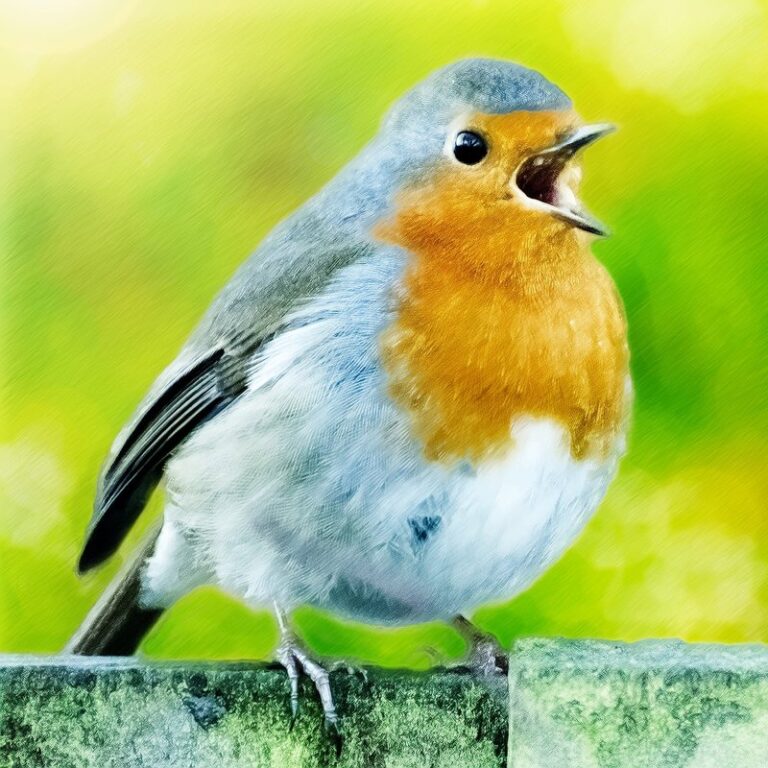
When looking at robin bird drawings, it’s essential to understand the techniques and symbolism used by artists to capture the essence of these beloved birds. Let’s examine some common characteristics found in these illustrations.
The History of Robin Bird Illustrations
Notable artists such as Audubon and Bewick helped establish the robin’s place in British art during the 18th and 19th centuries. Their detailed illustrations showcased the bird’s rich plumage and distinctive red breast, solidifying its status as a popular subject for wildlife art. The Victorian era saw a proliferation of robin illustrations in books, calendars, and other printed materials, often featuring sentimental or symbolic portrayals.
The 20th century brought a shift towards more naturalistic representations, with artists like Eric Ravilious and Edward Bawden capturing the robin’s earthy tones and rustic charm. Their work often appeared in publications such as Country Life magazine, which helped to further popularize the robin as a subject for illustration.
In recent years, digital tools have democratized access to robin illustration, allowing artists of all skill levels to create detailed and realistic drawings. This has led to a diverse range of styles and interpretations, from traditional watercolor to vibrant digital art.
Cultural Significance of Robin Bird Art
Robin bird drawings have been imbued with cultural significance across various contexts. In folk art, robins are often depicted as symbols of good luck and prosperity, reflecting their reputation as cheerful birds. For instance, traditional English woodcuts frequently feature robins amidst lush foliage, conveying a sense of idyllic rural life. Children’s literature also relies heavily on robin illustrations to convey themes of hope, renewal, and friendship.
In some cultures, the robin is associated with spirituality and mysticism. In Celtic mythology, for example, the robin was said to possess magical properties, allowing it to ward off evil spirits. Similarly, in Japanese culture, the robin’s red breast is seen as a symbol of good fortune and longevity.
When incorporating robins into your artwork or personal projects, consider the cultural connotations associated with these birds. By understanding the symbolism behind robin illustrations, you can tap into their rich history and create more nuanced, meaningful art pieces. To appreciate the full range of robin bird drawings’ cultural significance, explore traditional folk art and children’s literature for inspiration.
Types of Robin Bird Drawings
Let’s take a closer look at the different types of robin bird drawings, from realistic portraits to whimsical illustrations and everything in between. Each style offers a unique interpretation of this beloved bird.
Watercolor Illustrations of Robins
Watercolor illustrations of robins are prized for their soft, dreamy quality and delicate color gradations. To achieve these effects, artists often use transparent washes and wet-on-wet techniques. This involves adding layers of paint to the paper without waiting for each layer to dry completely.
The key to successful watercolor robin illustrations is controlling the flow of pigment. Artists can do this by choosing the right brushstrokes – smooth glazes or delicate scratchwork, depending on the effect desired. They also need to manage their palette, selecting colors that will blend harmoniously and avoiding over-saturation.
A good starting point for a watercolor robin illustration is to block in the main areas of color with bold strokes. This helps establish the bird’s overall shape and size. Next, artists can add subtler washes to suggest feather texture and pattern. For example, they might use gentle sweeps of blue or gray to indicate the subtle sheen on a robin’s breast feathers.
When working with watercolors, it’s essential to plan ahead and have a clear idea of how the final piece will look. This involves sketching out a rough composition and deciding on color palette before starting to paint.
Digital Art and Vector Graphics of Robins
Digital art and vector graphics have transformed robin bird drawing by offering unparalleled precision and versatility. With digital tools, artists can effortlessly experiment with different shapes, colors, and textures to create intricate designs. For instance, a digital artist might use vector graphics software to craft a stylized robin illustration with bold lines and bright hues.
Vector graphics also enable artists to resize their work without losing quality, making them ideal for various applications such as merchandise, web design, or even tattoo art. Additionally, the precision of digital drawing tools allows for detailed textures and patterns that would be difficult to achieve by hand. This is particularly useful when aiming for realistic depictions, but it also lends itself well to abstract or stylized interpretations.
One benefit of working with digital software is the ability to undo and redo steps quickly, reducing frustration and increasing efficiency. Furthermore, many programs offer pre-made shapes and templates that can be customized to fit your robin design, saving time on repetitive tasks like drawing individual feathers or branches. By embracing these tools, artists can unlock new possibilities for their robin bird drawings and explore innovative styles with ease.
Tips and Techniques for Drawing Robins
To get a more authentic look, try capturing the robin’s subtle expressions by studying its face, paying attention to the shape of its beak and eyes. This will help you draw a truly lifelike robin portrait.
Basic Anatomy of a Robin Bird
A robin’s anatomy is characterized by a few distinct features that make it easy to recognize. The most noticeable aspect of a robin’s body plan is its proportion. Robins have a relatively short, compact tail compared to their overall length, with some species having a shorter tail than others. Their wings are also notable for being rounded at the tip and having a subtle curve to them. When drawing a robin, it’s essential to get these proportions correct to achieve an accurate representation.
Their plumage is another defining feature of robins. They have a distinctive red or reddish-brown breast, which can vary in intensity depending on the species. The rest of their body is usually a mottled brown or gray color with white markings on the face and throat. Paying attention to these subtle variations in coloration will help you capture the unique appearance of each robin species.
When it comes to drawing the head, the beak is an essential feature to get right. Robins have a relatively long, pointed beak that’s perfectly adapted for probing into soil and extracting insects. The eyes are also worth noting, as they’re typically a bright, piercing brown. By incorporating these key features into your drawings, you’ll create more realistic and engaging depictions of robins.
Capturing Expressions in Robin Drawings
When drawing robins, capturing their expressions is crucial to bringing the bird to life. The eyes are particularly important, as they convey a significant amount of emotion and personality. To create a convincing expression, pay attention to the shape and size of the eyes relative to the head. A robin’s eyes should be relatively large compared to its head, with a slight tilt upwards at the outer corner.
The facial structure also plays a role in conveying expressions. The beak can be raised or lowered to convey different emotions, while the feathers around the face can add texture and personality. For example, a robin with a slightly ruffled crown may appear more alert or curious than one with smooth feathers. Experiment with different facial structures and expressions to find what works best for your drawing.
In terms of specific techniques, consider using subtle hints rather than overt details to suggest emotion. A soft, feathery texture around the eyes can imply a sense of gentleness, while a slight crease between the eyebrows can indicate concern or alarm. By paying attention to these small details, you can create a robin drawing that is not only visually appealing but also emotionally resonant.
Realism vs. Cartoonish Style in Robin Bird Art
As you explore the world of robin bird art, one fundamental choice stands out: should your drawings strive for realistic accuracy or opt for a more cartoonish charm? This section will guide you through the considerations.
Realistic Depictions of Robins
Realistic depictions of robins have been a staple in art history, with many notable artists capturing the bird’s essence on canvas. One notable example is John James Audubon’s “American Robin,” which showcases the bird’s intricate plumage and subtle expressions. Audubon’s attention to detail is characteristic of realistic robin drawings, where every feather, beak, and claw is meticulously rendered.
Realistic depictions also benefit from a deep understanding of anatomy. Study the robin’s body proportions, noting how its compact frame and short tail create a unique silhouette. Pay attention to the way light interacts with the bird’s feathers, creating subtle highlights and shadows.
To achieve realistic expressions in your drawings, observe the robins’ behavior in their natural habitat. Note the way they tilt their heads, cock their tails, or gaze at potential threats. These subtle cues can be used to convey a sense of alertness, curiosity, or even playfulness.
When drawing realistic robins, remember that it’s not just about accuracy – it’s also about capturing their essence and personality. Study the work of other artists, such as Archibald Thorburn and Joseph Wolf, who have all made significant contributions to the world of robin art.
The Appeal of Cartoonish Robin Illustrations
Cartoonish robins have a unique charm that has captured the hearts of artists and audiences alike. One reason for their appeal is the exaggerated features that set them apart from realistic representations. Simple designs, often characterized by bold lines and bright colors, add to the whimsy and playfulness of these illustrations.
The use of cartoonish elements can also make robins more relatable and accessible to a wider audience. By distorting proportions and emphasizing cuteness, artists can create characters that feel friendly and approachable. This is particularly evident in children’s books and animations, where cartoon robins are often depicted as endearing companions or heroes.
For artists looking to incorporate cartoonish elements into their robin illustrations, consider the following tips: use vibrant colors and bold lines to create a playful atmosphere; exaggerate facial features, such as large eyes or a tiny beak, to add cuteness; and don’t be afraid to distort proportions to create a more stylized look. By embracing the characteristics of cartoonish robins, artists can tap into their universal appeal and create illustrations that bring joy to viewers of all ages.
Common Mistakes to Avoid When Drawing Robins
When drawing robins, it’s essential to be mindful of a few common pitfalls that can detract from your artwork’s accuracy and charm. Some mistakes are more prevalent than others, so let’s address them first.
Misproportioned Bird Body Parts
When drawing robins, it’s essential to pay close attention to their body proportions. One common mistake is misproportioning the bird’s body parts, particularly the head, wings, and tail. To avoid this error, start by studying reference images of robins from various angles. Notice how the head makes up a relatively small portion of the overall body, typically around 10-15%. The wings are also proportionally smaller than you might expect, with most robin illustrations depicting them as being roughly equal in length to the tail.
To achieve accurate proportions, try using a grid system or measuring the bird’s body parts against each other. For example, if you draw the head at the correct size, use it as a reference point to measure the wings and tail. Keep in mind that robins have a distinctive shape, with a rounded head and a long, flat beak.
By paying attention to these details, you can create a more realistic and balanced drawing of a robin. Remember, accuracy is key when drawing birds, especially when it comes to proportions.
Overemphasis on Details
When creating drawings of robins, it’s easy to get caught up in adding every last detail. You might find yourself obsessing over the exact shape and texture of the bird’s feathers or the intricate patterns on its beak. While details are important for adding depth and realism to your artwork, overemphasizing them can lead to a drawing that feels cluttered and overwhelming.
A key principle in art is balance – finding harmony between different elements to create a visually appealing composition. When it comes to drawings of robins, this means striking a balance between detail and simplicity. Too much detail can distract from the overall shape and form of the bird, making it difficult for the viewer’s eye to focus.
To avoid overemphasizing details, try focusing on capturing the essential features that define the robin’s appearance. Use simple shapes and lines to block out the bird’s body, then add subtle texture and pattern where necessary. Remember, the goal is to create a drawing that accurately represents the robin, not one that showcases every tiny detail. By finding this balance, you can create drawings of robins that are both realistic and visually appealing.
Conclusion: Celebrating Robin Bird Drawings
As we come full circle on our journey through robin bird drawings, let’s take a moment to celebrate the beauty and creativity that these charming illustrations bring to life.
The Joy of Drawing Robins
Drawing robins can be a deeply rewarding experience, not just for beginners but also for experienced artists. The process of capturing their essence on paper can evoke a sense of calm and connection to nature. One reason why drawing robins is enjoyable is that they offer a wide range of creative possibilities.
Their small size means you don’t have to worry about proportion or scale, allowing you to focus on details like feathers, beak shape, and eye expression. This flexibility makes them an excellent subject for both realistic and cartoonish art styles. For instance, a watercolor illustration can showcase the robins’ delicate plumage, while a digital drawing can emphasize their bright colors.
The joy of drawing robins also lies in their ability to spark imagination. Since they’re often depicted as friendly and approachable birds, you can experiment with various poses, environments, and emotions. This freedom to interpret and express allows you to tap into your creative potential and explore different artistic styles.
To get the most out of drawing robins, try observing them in real-life or through photographs. Study their behavior, posture, and facial expressions. You might be surprised by how much character a single robin can convey. By combining observation with practice and patience, you’ll find that your drawings become more nuanced and lifelike over time.
Ultimately, the joy of drawing robins comes from the process itself – not just the end result. It’s about embracing the challenge, experimenting with different techniques, and enjoying the journey of creation. As you continue to draw these charming birds, remember to have fun and be kind to yourself as you grow and develop your skills.
Frequently Asked Questions
What if I’m still struggling to capture the robin’s expression in my drawings?
Capturing expressions is an essential part of drawing robins, and it can be challenging. Focus on observing real-life robins or reference images to understand their body language and facial features. Pay attention to the shape of their eyes, the position of their head, and the movement of their beak.
Can I use a combination of watercolor and digital art techniques in my robin drawings?
Yes. Many artists combine traditional media with digital tools to achieve unique effects in their art. Feel free to experiment with different mediums to find what works best for you and your style. Consider using watercolor for loose, expressive strokes and then enhancing the image digitally.
How do I know when a realistic depiction of a robin is good enough?
While realism can be appealing, it’s essential to remember that artistic interpretation is subjective. If you’re unsure whether your realistic robin drawing meets your standards, ask yourself if it accurately represents the bird’s features and if the execution enhances its beauty. Consider showing your work to others for feedback.
Is there a specific software or program I should use for creating digital art of robins?
There isn’t one “best” program for digital art, as different tools suit different artists’ preferences and needs. Familiarize yourself with several options like Adobe Photoshop, Procreate, or Sketchbook to see which works best for you. Consider the features you need, such as brush customization, layer management, and file compatibility.
Can I draw robins from memory, or do I need reference images?
Yes, it’s possible to draw robins from memory, but having reference images can significantly improve your work. Observing real-life birds or high-quality photographs will help you accurately capture their shapes, sizes, and details. However, if you’re aiming for a more stylized or cartoonish representation, drawing from memory might be sufficient, especially after studying the bird’s anatomy.

