
When stress and anxiety start to creep in, it’s easy to get stuck in a rut. We might try to power through with cups of coffee or long walks alone, but let’s be honest – sometimes we just need something more. That’s where active hobbies come in: not only do they get your heart rate up and burn calories, but they can also help improve mental health by reducing stress and anxiety. But here’s the catch: staying motivated and safe while trying new activities can be a challenge. You might find yourself struggling to balance fun with fitness, or worried about getting hurt while pushing yourself too hard. In this article, we’ll explore how engaging in active hobbies can boost your physical activity levels while taking care of your mental health – and provide you with practical tips for staying motivated and safe along the way.
Benefits of Engaging in Active Hobbies
Engaging in active hobbies can have a profound impact on both physical and mental health, leading to a range of benefits that are waiting to be discovered. From reduced stress levels to improved self-esteem, the rewards are numerous.
Reducing Stress and Anxiety
Engaging in active hobbies can have a profound impact on reducing stress and anxiety. One key mechanism is the release of endorphins, often referred to as “feel-good” hormones. When you participate in activities like running, swimming, or dancing, your body responds by producing these natural painkillers and mood elevators. Regularly engaging in such activities can lead to a sustained sense of well-being.
Beyond the physiological effects, many active hobbies also incorporate relaxation techniques. For instance, yoga combines physical movement with deep breathing exercises, helping you quiet your mind and focus on the present moment. Similarly, activities like gardening or woodworking require a mindful approach, encouraging you to be fully engaged in the task at hand. By incorporating such activities into your routine, you can develop greater self-awareness and cultivate a more relaxed state of being.
To reap these benefits, consider starting small by scheduling short periods of physical activity or mindfulness practice each day.
Improving Mental Health
Engaging in active hobbies can have a profound impact on mental health. Studies have shown that regular participation in physical activities and creative pursuits can lead to reduced symptoms of depression and improved mood regulation. One key factor is the release of endorphins, also known as “feel-good” hormones, which help alleviate stress and anxiety.
Individuals who participate in active hobbies often report a sense of accomplishment and self-confidence. This can be particularly beneficial for those struggling with low self-esteem or feeling overwhelmed by daily responsibilities. For example, joining a recreational sports team or starting a gardening project can provide a sense of belonging and community.
Regular physical activity has also been linked to improved sleep quality, which is essential for maintaining good mental health. By engaging in active hobbies, individuals can establish a healthy routine that promotes overall well-being. To reap these benefits, it’s essential to find activities that bring joy and excitement, rather than feeling forced or obligatory. Experimenting with different pursuits can help identify the perfect fit.
Choosing Active Hobbies for Beginners
If you’re new to active hobbies, deciding where to start can be overwhelming. Let’s break down some beginner-friendly options to get you moving and grooving in no time.
Selecting Activities Based on Interests
When selecting an active hobby, it’s essential to consider your personal interests. This will not only make the activity more enjoyable but also increase the likelihood of maintaining a regular practice. For example, if you’ve always been fascinated by nature, hiking or trail running might be an excellent choice. On the other hand, if you’re looking for a low-impact exercise that’s easy on the joints, swimming or cycling could be a great option.
Dancing is another popular active hobby that caters to various interests. You can choose from styles like salsa, swing, or ballroom dancing, depending on your musical preferences and energy levels. Consider enrolling in a beginner’s class or workshop to get a feel for different activities before committing to one.
Some questions to ask yourself when selecting an activity include: What type of environment do you enjoy? (e.g., outdoors, indoors, water-based) How much time can you dedicate to the hobby each week? What level of physical exertion are you comfortable with? Answering these questions will help you narrow down your options and find an active hobby that not only challenges but also brings you joy.
Setting Realistic Expectations
When starting a new active hobby, it’s essential to set realistic expectations about what you can accomplish. Many people make the mistake of pushing themselves too hard and overexerting their bodies, which can lead to injury or burnout. To avoid this, take stock of your current physical abilities and health status. Consider any chronic conditions, injuries, or limitations that may impact your participation in a particular hobby.
For instance, if you’re new to running, don’t aim to complete a marathon right off the bat. Start with short distances and gradually increase your mileage as your body adapts. Similarly, if you’re trying out a high-impact activity like rock climbing, be aware of your joint health and take regular breaks to rest your muscles.
It’s also crucial to recognize that progress may not always be linear. Some days you’ll feel energetic and motivated; others, you might struggle to complete even a short session. Accept that this is normal and don’t get discouraged if you miss a workout or two. Focus on making consistent, small changes to your routine rather than trying to fit into an unrealistic ideal. By setting achievable goals and respecting your physical limitations, you’ll be more likely to stick with your new hobby and enjoy its benefits for the long haul.
Popular Active Hobbies for Adults
If you’re looking to get moving and have fun while doing it, then joining a recreational sports team is an excellent way to meet new people and stay active. From soccer to volleyball, there’s a sport for every interest and fitness level.
Outdoor Activities
Outdoor activities are an excellent way for adults to stay physically active while enjoying nature. Rock climbing, for instance, requires a combination of strength, endurance, and strategy, making it a great full-body workout. Many rock climbing gyms offer introductory classes or guided sessions, perfect for beginners. Regular climbing can improve cardiovascular health, boost muscle mass, and even enhance cognitive function.
Kayaking is another outdoor pursuit that promotes physical activity. Paddling through calm waters or navigating whitewater rapids requires engagement from multiple muscle groups, including arms, shoulders, and back. Kayakers also benefit from improved balance, flexibility, and coordination. To get started, consider renting a kayak at a nearby lake or river before investing in your own equipment.
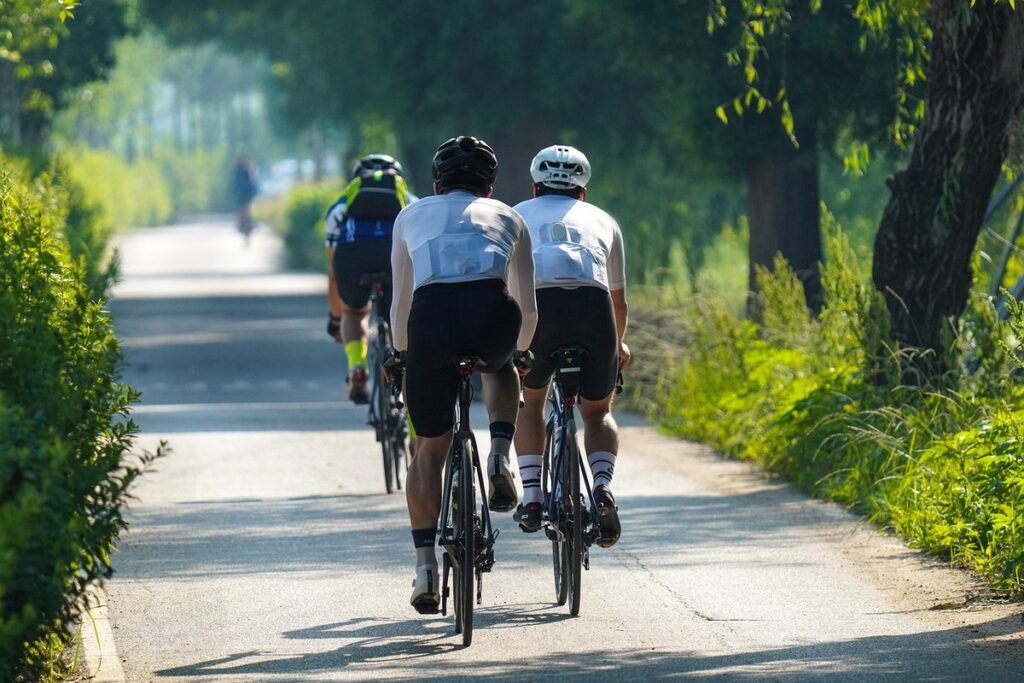
Cycling is perhaps the most accessible outdoor activity for adults. Whether on a mountain bike or a road bike, cycling offers an excellent cardiovascular workout while providing a sense of freedom and independence. Many cities have designated bike lanes or trails, making it easy to incorporate cycling into your daily routine. To maximize the physical benefits, aim for at least 30 minutes of moderate-intensity cycling per session.
Team Sports
Joining a local basketball league can be an excellent way to get moving while meeting new people who share similar interests. Not only do team sports provide a chance to engage in physical activity, but they also foster social connections and camaraderie. Many community centers offer leagues for adults, often with varying levels of competition to suit different skill sets.
When choosing a team sport, consider your schedule and energy level. For example, soccer may be more demanding than volleyball, requiring longer practice sessions and game times. On the other hand, basketball is often played in shorter intervals, making it easier to fit into a busy week.
A well-structured league will provide opportunities for teamwork, strategy, and friendly competition. As you get involved with your team, focus on developing communication skills and encouraging your teammates’ efforts. Don’t worry if you’re not the most athletic – many leagues welcome participants of all skill levels, promoting an environment of mutual support and improvement. By joining a team sport, you can enjoy physical exercise while building lasting connections in your community.
Advanced Active Hobbies: Pushing Your Limits
If you’re ready to challenge yourself and take your active hobbies to the next level, consider trying these more intense activities that require skill and physical stamina. Activities like rock climbing, white water rafting, or high-altitude hiking can be a thrilling way to push your limits.
Endurance Training
Marathon running, triathlons, and long-distance cycling are ideal endurance activities for those seeking a greater challenge. These pursuits require dedication and consistent training to build the necessary physical and mental stamina.
When embarking on an endurance journey, it’s essential to set realistic goals and create a structured training plan. This helps prevent burnout and allows you to progressively increase your mileage or intensity over time. For example, if you’re new to marathon running, start by completing shorter distances (6-8 miles) and gradually build up to longer runs.
A well-rounded endurance training program should include both cardiovascular exercise and strength training. Incorporate activities like hill sprints, interval training, and tempo runs to improve your aerobic capacity and reduce the risk of injury. Additionally, incorporate strength exercises that target your core, glutes, and legs, such as squats, lunges, and deadlifts.
Incorporating rest days and recovery techniques is also crucial for avoiding overtraining and promoting optimal physical recovery. This can include activities like foam rolling, stretching, and self-myofascial release to help manage muscle soreness and improve flexibility.
High-Intensity Interval Training (HIIT)
High-Intensity Interval Training (HIIT) involves short bursts of high-intensity exercise followed by brief periods of rest. This approach is effective for improving cardiovascular fitness and increasing strength in minimal time. A 20-minute HIIT session, for instance, can be as effective as a 60-minute steady-state cardio workout.
To apply HIIT to your routine, start by identifying exercises that push you hard, such as sprints, burpees, or jump squats. Alternate between these high-intensity intervals and low-intensity rest periods. Aim for 15-30 seconds of intense exercise followed by 1-2 minutes of recovery time.
For beginners, consider starting with shorter intervals (10-15 seconds) and gradually increasing the duration as you build endurance. It’s essential to listen to your body and adjust the intensity and frequency of HIIT sessions based on your individual needs and fitness level. Proper warm-up and cool-down routines should also be included to prevent injury and promote recovery.
By incorporating HIIT into your active hobby routine, you can expect significant improvements in cardiovascular health and muscular strength while minimizing time spent exercising. As with any new exercise program, consult a healthcare professional or certified trainer before starting.
Safety Precautions for Active Hobbies
When engaging in active hobbies, it’s essential to be aware of potential risks and take necessary precautions to ensure your safety. This includes wearing protective gear and being mindful of physical limitations.
Preventing Injuries
When engaging in active hobbies, it’s essential to be aware of common hazards that can lead to injuries. Overexertion is a significant concern, particularly for individuals who are new to a particular activity or haven’t maintained a consistent level of physical fitness. To prevent overexertion, start with shorter sessions and gradually increase duration and intensity.
Equipment malfunctions can also cause accidents. For example, a loose screw on a bike can lead to a sudden loss of control. Regularly inspect your equipment before use and ensure all parts are securely in place. Wear protective gear such as helmets and knee pads, especially for activities like cycling, skateboarding, or skiing.
In addition to these preventive measures, listen to your body and take regular breaks to rest and rehydrate. This is particularly important when engaging in high-intensity activities like running or weightlifting. Lastly, consider taking a beginner’s course or workshop to learn proper techniques and safety guidelines specific to your chosen activity.
Emergency Preparedness
When engaging in active hobbies, knowing essential emergency procedures can be a matter of life and death. Basic first aid is a crucial aspect of emergency preparedness, especially for high-impact activities like rock climbing or horseback riding. For instance, being able to recognize and respond to cardiac arrest, severe bleeding, or head trauma can save lives.
A basic first aid kit should include items such as bandages, antiseptic wipes, and a tourniquet. However, it’s equally important to know when to use these items effectively. Take the example of treating a wound: knowing how to clean and dress it properly, and being aware of signs of infection or excessive bleeding, can prevent complications.
Effective communication is also critical during emergencies. Always carry a means of contact, such as a phone with a fully charged battery or a two-way radio, and let someone know your planned route and estimated return time. In case of an emergency, use clear and concise language to describe the situation when calling for help. This will help emergency responders reach you quickly and provide the necessary assistance.
Staying Motivated: Overcoming Obstacles
Life can get in the way of our active hobbies, but it’s essential to find ways to stay motivated and overcome obstacles that might hold us back from enjoying them. Let’s talk about how to keep pushing forward.
Building a Support Network
When you take up an active hobby, it’s easy to get discouraged by setbacks or plateaus. However, having a support network can make all the difference in staying motivated and accountable. This network can consist of fellow enthusiasts, instructors, or even online communities that share your passion.
Joining a local recreational team or club is an excellent way to meet like-minded individuals who understand the challenges you’re facing. You’ll not only find people to share tips with but also accountability partners to encourage you through tough times. Many gyms and studios offer group classes for activities like rock climbing, kayaking, or dance, which can be a great way to connect with others while pursuing your hobby.
Another option is to connect with experienced enthusiasts online through forums or social media groups dedicated to specific hobbies. These platforms often feature tutorials, advice columns, and success stories from others who have overcome similar obstacles. By engaging with these communities, you’ll gain valuable insights and find motivation in the successes of others.
Overcoming Plateaus
When you hit a physical plateau, your body may not be adapting to the demands of your active hobby as quickly as it once was. This can manifest as stagnant progress on the trail, unimpressive times at the gym, or even actual injuries. One solution is to adjust your routine: if you’ve been doing the same workout for months, try incorporating new exercises that challenge your body in different ways.
Seeking professional guidance from a coach or trainer can also be beneficial. They can help identify any flaws in your form or technique and provide customized advice on how to improve performance. For instance, if you’re experiencing mental blocks while running, a sports psychologist could offer strategies for managing self-doubt and maintaining motivation.
It’s essential to remember that plateaus are not a sign of failure – they’re an opportunity to reassess and refocus. By mixing things up or seeking expert advice, you can reignite your passion for your active hobby and continue making progress towards your goals.
Frequently Asked Questions
Can I start an active hobby with chronic health conditions?
Yes, it’s possible to start an active hobby even with chronic health conditions. It’s essential to consult with your doctor before beginning any new physical activity and choose low-impact or modified versions of exercises that suit your condition.
How often should I schedule time for my active hobby in my daily routine?
Aim to dedicate at least 30 minutes, three times a week, to your chosen active hobby. You can start by incorporating it into your existing routine, such as replacing one TV show per week with a workout session.
What if I’m not seeing progress or improvements in my physical fitness despite regular exercise?
This is a common issue many people face. Consider reassessing your goals and expectations, and don’t hesitate to seek professional guidance from a personal trainer or fitness coach. They can help you adjust your routine and provide personalized advice on overcoming plateaus.
Can I start an active hobby if I live in a densely populated urban area?
While it’s more challenging, many cities offer parks, gyms, and studios that cater to various active hobbies. Research local options that fit your interests and schedule, such as joining a recreational sports team or enrolling in yoga classes at a nearby studio.
Is there an optimal time of day for engaging in physical activity?
While the best time for exercise is a personal preference, research suggests that morning workouts can be beneficial for boosting energy levels throughout the day. Experiment to find the schedule that works best for your lifestyle and sleep patterns.

