
Making your own laundry detergent at home is a great way to save money, reduce waste, and create effective cleaning solutions for your family. However, many popular recipes rely on borax, which can be a problem for those with sensitive skin or who prefer an eco-friendly approach. If you’re looking for a borax-free alternative, you’re not alone – more and more people are turning to homemade laundry detergent as a healthier choice for their families.
In this comprehensive guide, we’ll explore the essential ingredients and recipes needed to make borax-free laundry detergent at home. We’ll cover common misconceptions about making laundry detergent without borax, provide safety precautions to keep you and your loved ones protected, and show you how to create effective cleaning solutions that work just as well as commercial detergents – but with a gentler touch on the environment. By the time you finish this article, you’ll know exactly how to make your own eco-friendly laundry detergent at home using only the most natural ingredients.
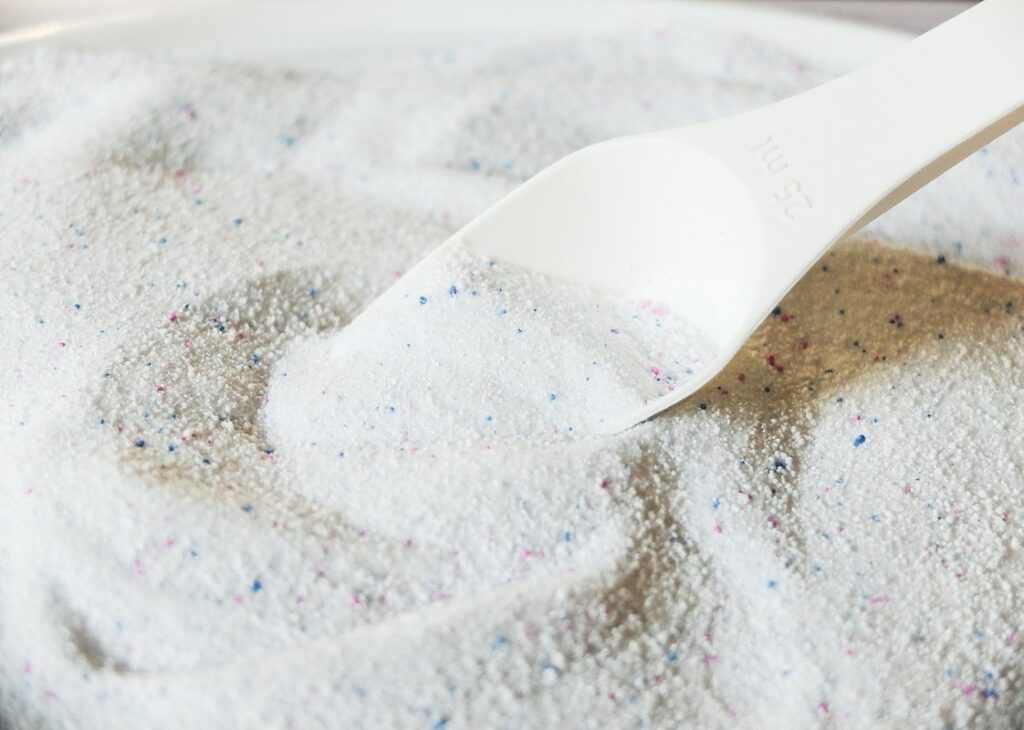
The Need for Borax-Free Laundry Detergent
If you’re considering switching to homemade laundry detergent, it’s essential to understand why borax is often a problematic ingredient. Many people are surprised by its potential health and environmental impacts.
Common Alternatives to Borax in Laundry Detergent
Washing soda and baking soda are two common alternatives to borax in laundry detergent. Washing soda is a popular choice due to its high alkalinity, which makes it effective at removing tough stains and softening water. However, it can be harsh on skin and may not be suitable for those with sensitive skin.
Baking soda, on the other hand, is gentler than washing soda but still provides excellent cleaning power. It’s also less expensive and easier to find in most supermarkets. Both ingredients can help to neutralize odors and soften water, making them ideal for use in laundry detergent recipes.
When substituting borax with either washing soda or baking soda, keep the following ratios in mind: typically 1 cup of washing soda is used for every 2 cups of washing powder, while 1 cup of baking soda can be used as a replacement. However, it’s essential to note that these alternatives may not provide the same level of whitening and brightening as borax.
Health Concerns Associated with Borax in Laundry Detergent
Using borax in laundry detergent can pose several health concerns. Skin irritation is a common issue, particularly for those with sensitive skin. Repeated exposure to borax residue on clothing can lead to dryness, itchiness, and even eczema-like symptoms. Respiratory problems are another concern, as inhaling borax particles can cause coughing, wheezing, or shortness of breath.
To mitigate these risks, switching to a borax-free laundry detergent is crucial. Choosing a formula that uses natural alternatives like washing soda, baking soda, or soap nuts can significantly reduce exposure to harsh chemicals. Some individuals may also experience respiratory issues due to the presence of borate ions in borax, which can react with moisture in the air to form boric acid.
Opting for homemade laundry detergent without borax eliminates these concerns altogether. By avoiding commercial detergents that contain borax and instead making your own using safe ingredients, you can maintain a healthier environment for yourself and your family. Additionally, many people find that homemade detergent is gentler on skin and clothes compared to store-bought options.
Understanding Laundry Detergent Composition
Laundry detergent composition can be confusing, especially when it comes to the ingredients and their functions, which is why we’re breaking down what makes your homemade detergent work effectively. Let’s start by examining the active and inactive components of commercial detergents for comparison.
Ingredients Found in Traditional Laundry Detergents
Traditional laundry detergents contain a blend of ingredients designed to clean clothes effectively. Surfactants are a crucial component, responsible for reducing the surface tension of water and allowing it to penetrate fabric easily. Builders, such as sodium triphosphate, help to soften water by removing calcium and magnesium ions that can cause detergent residue on clothes.
Fragrances in traditional detergents can also be problematic, particularly for those with sensitive skin or allergies. These fragrances can trigger skin irritation, respiratory issues, and even headaches in some individuals. Furthermore, the use of artificial fragrances contributes to environmental pollution through water contamination.
Some users may find it challenging to identify whether a specific ingredient is causing an issue. However, if you notice redness, itching, or other adverse reactions after using store-bought detergents, consider exploring alternative options like homemade laundry detergent without borax. By making your own detergent, you can choose ingredients that suit your skin type and reduce the risk of exposure to potentially irritating substances.
Eco-Friendly and Sensitive Skin-Friendly Alternatives
If you’re looking to replicate the benefits of traditional laundry detergents without borax, consider incorporating alternative ingredients into your homemade recipe. Essential oils like tea tree oil and lavender oil have antimicrobial properties that can help combat odors and stains. Use them sparingly, as they can be potent and may require diluted concentrations.
Plant-based surfactants, such as soapbark extract or yucca saponin, can provide cleaning power similar to traditional detergents. These natural agents create a rich lather and effectively emulsify oils and dirt. You can source them from reputable suppliers or online retailers.
When using essential oils or plant-based surfactants in your homemade detergent, remember that a little goes a long way. Start with small batches and adjust as needed to achieve the desired results. Some popular combinations include pairing tea tree oil with soapbark extract for an effective stain-fighting formula or blending lavender oil with yucca saponin for a gentle yet thorough clean.
Making Your Own Borax-Free Laundry Detergent
Creating a borax-free laundry detergent from scratch requires just a few simple ingredients and some basic household supplies, but don’t worry if you’re new to DIY cleaning. We’ll walk you through each step of making your own homemade laundry detergent without borax.
Basic Ingredients Needed for Homemade Detergent
Washing soda and baking soda are essential components of borax-free laundry detergent. Washing soda is a natural mineral-based cleaner that works to remove tough stains and odors from clothes. It’s also an excellent water softener, which helps the soap to lather more effectively. Use a 1:6 ratio of washing soda to liquid castile soap in your recipe.
Baking soda serves as both a pH balancer and a gentle abrasive to help lift dirt and debris from fabrics. You’ll need about one cup of baking soda per batch of detergent. Liquid castile soap is the primary cleaning agent, providing the sudsing action needed for effective washing. Choose a fragrance-free or lightly scented option to avoid overpowering your clothes with perfumes.
Some popular brands of liquid castile soap include Dr. Bronner’s and Mrs. Meyer’s Clean Day. When selecting a liquid castile soap, consider its pH level – it should be around 9-10 for optimal performance in laundry detergent recipes. Always remember to use the correct amounts and ratios as specified in your chosen recipe, as this will ensure the best results for your homemade laundry detergent.
Measuring and Mixing Instructions
To measure and mix the ingredients for a borax-free laundry detergent, you’ll need a digital scale and a well-ventilated area. Start by measuring out 1 cup of washing soda and 1 bar of soap (such as Fels-Naptha or Zote) into separate bowls. For a standard load size, use about 2 tablespoons of washing soda for each load. If you prefer a more concentrated detergent, reduce this amount to 1 tablespoon.
Next, grate the bar of soap using a box grater or food processor. This will help it dissolve evenly in hot water. Combine the grated soap and washing soda in a large mixing bowl. For a total batch size of 4-6 loads, add about 2 cups of hot water to the mixture and stir until the soap is fully dissolved.
If you’re using a high-efficiency (HE) washer, reduce the amount of washing soda to prevent over-sudsing. You can also customize this recipe by substituting different types of soap or adding essential oils for fragrance. Always test a small load before washing a full batch to ensure the detergent works well with your water and laundry setup.
Tips for Switching to Homemade Laundry Detergent
Making the switch from commercial laundry detergent to homemade can be daunting, but with these practical tips, you’ll be a pro in no time. We’ll walk you through what to consider when transitioning your household.
Addressing Odor and Stain Removal Concerns
When switching to homemade laundry detergent without borax, two common concerns arise: odor removal and stain prevention. You might worry that these homemade detergents won’t effectively eliminate lingering smells or remove tough stains. However, with the right ingredients and techniques, you can address these concerns.
For odor removal, consider adding essential oils like tea tree oil or lavender to your detergent recipe. These natural oils have deodorizing properties that help neutralize odors in clothing. Another approach is to use a pre-treatment spray containing enzymes that break down protein-based stains and odors. For example, OxiClean is an effective stain remover that can also be used as a pre-treatment spray.
To prevent stains from setting into fabrics, consider adding a 1/2 cup of white vinegar to your wash load. Vinegar helps to balance the pH level in water and prevents protein-based stains like blood or grass from binding to fabric. It’s essential to note that some homemade laundry detergent recipes may require adjustments for heavily soiled items or sensitive fabrics.
Managing Buildup and Residue Issues
Managing buildup and residue issues is crucial when using homemade laundry detergent. These problems can be caused by an imbalance of surfactants, inadequate rinsing, or high concentrations of soap-based ingredients.
Inadequate rinsing is a common issue, as it allows excess detergent to remain on clothing. This can lead to clinging, stiffening, and discoloration over time. To combat this, ensure you’re washing clothes in hot water, which helps to dissolve and remove more residue than cold water. Additionally, run an extra rinse cycle for heavily soiled or delicate items.
Regular maintenance is also vital in preventing buildup. This includes cleaning your washing machine regularly by running a hot water cycle with 1 cup of white vinegar and 1 cup of baking soda mixed together. You can also add 1/2 cup of oxygen-based bleach, like OxiClean, to help break down any remaining residue.
For particularly stubborn issues, consider switching to a detergent with a lower suds factor or one that uses more natural surfactants. Regular maintenance and attention to these details will help prevent buildup and ensure your homemade laundry detergent performs optimally.
Advanced Considerations for Homemade Laundry Detergent Makers
If you’re looking to refine your homemade laundry detergent recipe, consider factors like sensitive skin and high-efficiency washing machines. These nuances can greatly impact the effectiveness of your DIY formula.
Customizing Recipes for Specific Needs
When making homemade laundry detergent without borax, you may need to adjust recipes to accommodate specific needs. For instance, individuals with sensitive skin may require a gentler formula that’s less likely to irritate their skin. This can be achieved by substituting harsh ingredients with milder alternatives. For example, you could replace washing soda with Epsom salt or use coconut oil instead of olive oil.
If you have high-efficiency (HE) washing machines, you’ll want a detergent that produces fewer suds and is designed to work efficiently in these machines. Look for recipes that specifically mention HE-friendly ingredients such as liquid castile soap or opt for a lower-sudsing formula like the one using essential oils and glycerin.
Experimentation is key when creating your own unique formulas. Start by modifying existing recipes, swapping out ingredients one at a time to see how they affect the final product. Keep in mind that even small changes can significantly impact the detergent’s performance and safety for use on your skin.
Safety Precautions and Best Practices
When working with powdered homemade laundry detergent without borax, it’s essential to handle the ingredients with care. Wear gloves when measuring and mixing the ingredients to avoid skin irritation, especially from soap-based substances. Keep the work area clean and well-ventilated to prevent respiratory issues.
Proper storage is also crucial. Store leftover detergent in an airtight container, away from direct sunlight and moisture. Label the container clearly with its contents and date of preparation. Typically, homemade laundry detergent remains effective for 6 to 12 months when stored properly.
When using the homemade detergent, be cautious not to ingest it or expose pets to it. Also, avoid mixing different homemade detergents as their pH levels might interact in unpredictable ways.
For disposal, consider repurposing leftover detergent by donating it to friends or family members who may appreciate a natural alternative. Alternatively, dispose of it according to your local waste management guidelines for household chemicals. Always follow the manufacturer’s instructions if you need to discard an ingredient separately.
Frequently Asked Questions
Can I Use Castile Soap That Contains Preservatives in My Homemade Laundry Detergent?
You can use castile soap that contains preservatives, but it’s essential to note that these preservatives may affect the performance and safety of your homemade laundry detergent. Opt for a fragrance-free, uncolored castile soap with natural preservatives or consider switching to a different brand that offers a natural, preservative-free option.
How Do I Handle Over-Sudsing When Using Homemade Laundry Detergent in an HE Washing Machine?
Yes, over-sudsing can occur when using homemade laundry detergent in an HE washing machine. To mitigate this issue, add 1-2 tablespoons of white vinegar to your wash load or use a 1:1 ratio of washing soda and baking soda. This will help balance the pH level and reduce suds formation.
Can I Make Large Batches of Homemade Laundry Detergent and Store Them for Later?
Yes, you can make large batches of homemade laundry detergent, but be sure to follow proper storage guidelines to maintain efficacy and safety. Transfer your homemade detergent into airtight containers or Mason jars, store them in a cool, dry place away from direct sunlight, and use within 6-9 months.
What If I Experience Skin Irritation After Switching to Homemade Laundry Detergent?
Skin irritation can occur when transitioning to new cleaning products, including homemade laundry detergents. Identify potential allergens or irritants by checking the ingredient labels of your washing soda, baking soda, and liquid castile soap. Consider substituting these ingredients with hypoallergenic alternatives or adjusting your recipe to minimize exposure.
How Do I Know If My Homemade Laundry Detergent Is Effective Against Tough Stains?
To determine if your homemade laundry detergent is effective against tough stains, perform a simple test: apply the detergent directly to the stain and let it sit for 5-10 minutes before washing as usual. Monitor the stain’s progress and adjust your recipe or ingredient ratios accordingly.

