
Plastic straws have become a ubiquitous convenience in our daily lives, but their impact on the environment is staggering. It’s estimated that over 8 million tons of plastic waste enter our oceans every year, and a significant portion of it comes from disposable plastic straws. You’ve probably wondered whether you can recycle those pesky plastic straws, but unfortunately, most municipalities don’t accept them in their recycling programs. This article will explore the environmental impact of plastic straws, the options for recycling them, and some eco-friendly alternatives that are gaining popularity. We’ll also look at what types of materials are accepted by various recycling facilities and how you can make a difference by making conscious choices about your straw usage. By the end of this article, you’ll know exactly whether you can recycle straws in your area and have some practical tips to reduce plastic waste in your daily life.
The Problem with Plastic Straws
Plastic straws are one of the most widely used disposable products, but they also contribute significantly to ocean pollution and waste management issues. Many cities have banned them due to their negative impact on the environment.
The Impact of Single-Use Plastics on the Environment
Single-use plastics contribute significantly to ocean pollution, with plastic straw waste being a major culprit. According to the United Nations, over 8 million tons of plastic waste enter the world’s oceans each year. Of these, plastic straws account for a substantial portion. In fact, it’s estimated that a small percentage of these straws make their way into marine ecosystems, where they can entangle and kill marine life.
A key concern is the harm caused to sea turtles, who mistake plastic straws for food and ingest them. The results are often fatal, with the straws blocking the turtle’s digestive tract or causing internal injuries. In 2019, a study found that over 70% of sea turtles had ingested plastic debris, including plastic straws.
The impact of single-use plastics on marine life extends beyond entanglement and ingestion. Microplastics, which break down from larger plastic items like straws, have been shown to be absorbed by marine organisms, potentially entering the human food chain. This highlights the need for sustainable alternatives to traditional plastic straws and responsible waste management practices.
The Rise of Paper Straws: A Partial Solution?
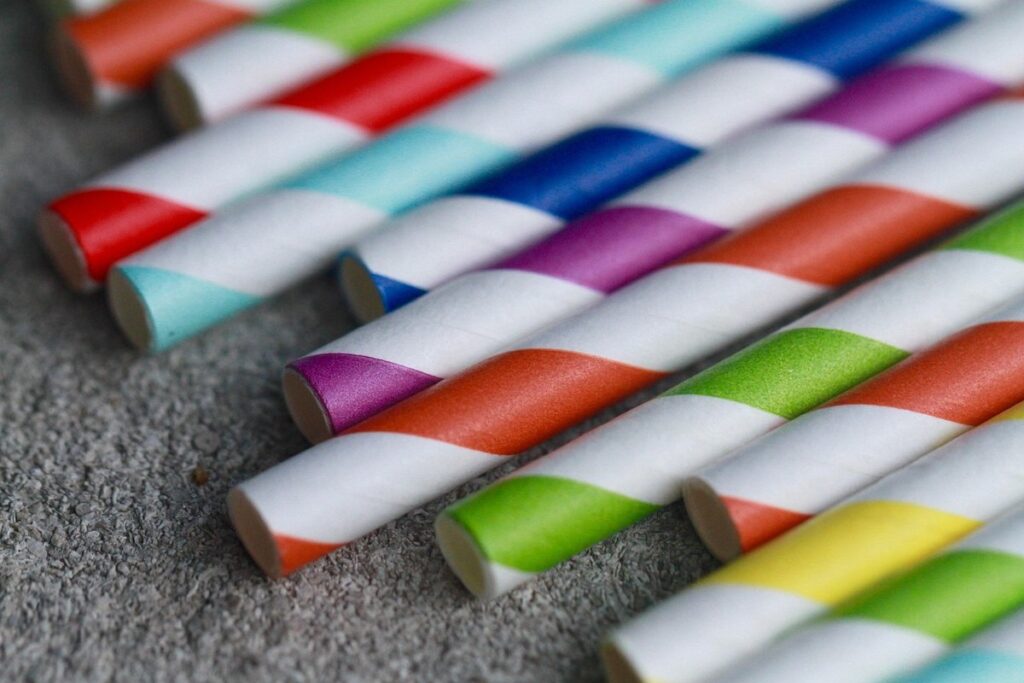
Paper straws have gained popularity as an eco-friendly alternative to traditional plastic straws. Made from plant-based materials like bamboo and sugarcane, these biodegradable straws aim to reduce plastic waste in oceans and landfills. While paper straws may seem like a straightforward solution, their production process is not entirely sustainable.
One concern with paper straws is the large amounts of water needed for their manufacturing. It’s estimated that up to 1 gallon of water is required to produce just one paper straw. Additionally, many paper straws are made from virgin wood pulp, contributing to deforestation and habitat destruction. Furthermore, some paper straws may be coated with wax or other chemicals, which can leach into drinks.
Despite these drawbacks, paper straws offer a partial solution by reducing plastic usage in certain scenarios. For instance, they’re a good option for events or parties where large quantities of straws are needed. However, it’s essential to choose paper straws from certified sustainable sources and opt for reusable alternatives when possible. By being mindful of the production process and materials used, consumers can make more informed choices about their straw usage.
Recycling Options for Plastic Straws
For many types of plastic straws, recycling is a possibility, but the process can be complex and depends on local facilities. We’ll break down the various options that are available to you.
Sorting and Collecting Plastics
When it comes to recycling plastic straws, proper sorting and collecting procedures are crucial. This is because not all types of plastics can be recycled, and certain materials can contaminate entire batches of recyclables. For instance, #1 PET (polyethylene terephthalate) and #2 HDPE (high-density polyethylene) plastics are commonly accepted for recycling, but other types like #3 PVC (polyvinyl chloride), #4 LDPE (low-density polyethylene), and #5 PP (polypropylene) may not be.
To ensure that your plastic straws get recycled correctly, you should first check the resin identification code (RIC) on the straw. If it’s a #1 or #2 plastic, you can proceed with recycling. However, if it’s any other type of plastic, it’s best to dispose of it through regular trash channels.
When collecting and sorting plastics for recycling, it’s essential to separate them from other materials like paper, cardboard, and glass. You can also follow your local municipality’s guidelines on what types of plastics are accepted in curbside recycling programs. Some cities may have specialized facilities for collecting straws or small plastic items specifically designed for recycling.
What Happens to Recycled Plastics?
Plastic recycling involves a multi-step process that transforms collected waste into raw materials. After collection, plastics are sorted based on their type and resin identification code (RIC). This is crucial because different types of plastic have distinct melting points and properties.
Sorted plastics are then cleaned and shredded into small pieces called “flakes.” These flakes are melted down and formed into pellets or chips, which can be reused to manufacture new products. However, not all plastics can be recycled in the same way. For instance, polypropylene (PP) and polyethylene (PE) can be melted and reformed, but other types like polycarbonate (PC) often require specialized processes.
It’s essential to note that plastic recycling is not a straightforward process like paper or glass recycling. The complex chemistry of plastics requires specific equipment and expertise to break down effectively. Additionally, the quality of the end product depends heavily on the initial sorting and processing stages. As a result, contamination rates can be high, which affects the overall recyclability of plastics.
The Reality of Straw Recycling
Many of us assume that straws are recyclable, but the harsh reality is quite different. Let’s examine the facts behind straw recycling and what it really means for our environment.
Why Straws Are Often Not Recyclable
Straws often end up in landfills or oceans because they’re not recyclable. A significant reason for this is contamination during collection and processing. When straws are tossed into recycling bins alongside other plastics, they can get mixed with non-recyclable materials, making them unusable. For instance, if a plastic straw is contaminated with food residue or coated with wax, it can’t be properly processed.
Additionally, many communities lack the facilities to handle recyclable plastics, including straws. This means that even if straws are collected and sorted correctly, they may still end up in landfills due to a lack of processing infrastructure. Furthermore, some straw materials, like polypropylene or polyethylene, can’t be recycled using conventional methods.
To make matters worse, many plastic straws contain additives or coatings that make them incompatible with standard recycling processes. These chemicals can render the entire batch unusable, even if other recyclables are present. As a result, many straws remain in circulation, contributing to waste and pollution. To mitigate this issue, consumers and businesses must take steps towards reducing straw usage and adopting more sustainable alternatives.
Local Initiatives and Solutions
Many communities have taken it upon themselves to implement local initiatives and solutions for straw waste management. For instance, some cities have launched “straw-free” programs, where businesses are incentivized to switch from plastic straws to paper or metal alternatives. In Seattle, the city government has implemented a tax on single-use plastics, which includes straws, with revenue going towards education and outreach programs.
Some companies are also taking steps to address straw waste. A small number of major brands have pledged to phase out plastic straws in their products, while others are exploring new materials for straws. For example, the restaurant chain Starbucks is testing a strawless lid made from polypropylene, which can be recycled.
In addition to these efforts, some organizations are promoting community-led projects to collect and recycle straws. These initiatives often involve partnering with local recycling centers to create specialized collection programs for straws. One such program in California collects used straws and sends them to a facility that crushes and processes the plastic into new products.
DIY Recycling Methods for Straws
If you’re not satisfied with store-bought recycling options, don’t worry, we’ve got you covered. In this next part, we’ll explore creative DIY methods to recycle straws in your own home.
Composting and Upcycling Ideas
Transforming plastic straws into something useful requires creativity and a few simple steps. Start by collecting clean, dry straws and sorting them from other recyclables. Next, consider upcycling ideas such as turning straws into plant labels, wind chimes, or even decorative mobiles for the kids’ room. You can also repurpose plastic straws as DIY photo displays or as a material for homemade bird feeders.
For composting, you’ll need to shred or cut the straws into smaller pieces to increase their surface area and speed up decomposition. Mix them with other organic materials like food scraps, leaves, or grass clippings in your compost pile. It’s essential to note that not all plastic straws are created equal – some may contain additives that can inhibit microbial growth. Opt for straws made from polypropylene (PP) or polyethylene (PE), as they tend to break down faster.
To maximize the benefits of composting, maintain a balanced carbon-to-nitrogen ratio in your pile and keep it moist but not waterlogged. Regularly turn the mixture to ensure even decomposition and prevent matting. After several months, you’ll have nutrient-rich compost perfect for fertilizing your garden or houseplants.
Innovative Materials and Technologies
Materials scientists and engineers are exploring innovative materials to replace traditional plastics in straw production. One such material is plant-based polyurethane (PU), which can be derived from corn starch, sugarcane, or other biomass sources. This biodegradable PU has similar properties to traditional plastic but breaks down more easily in the environment.
Another promising material is seaweed-derived cellulose nanocrystals. These tiny crystals have exceptional strength and can be used to create flexible yet durable straws. Companies like Skipping Rocks Lab are already experimenting with these materials, developing edible, biodegradable straws that dissolve in water after use.
Researchers are also investigating the use of mycelium, a type of fungal material, for straw production. Mycelium-based straws are lightweight, compostable, and can be grown using agricultural waste. This innovative approach not only reduces plastic waste but also provides a new revenue stream for farmers.
These cutting-edge materials have the potential to significantly reduce the environmental impact of single-use plastics in the straw industry. However, their production costs are still relatively high, making them inaccessible to many businesses. As research and development continue, we can expect these innovative materials to become more viable alternatives to traditional plastics in the near future.
Eco-Friendly Alternatives to Plastic Straws
If you’re looking for a more sustainable option, we’ll explore some eco-friendly alternatives to plastic straws that are just as convenient. From metal to paper, these options are worth considering.
Metal, Glass, and Bamboo Straws
When it comes to metal, glass, and bamboo straws as eco-friendly alternatives, each material has its own set of benefits and drawbacks. Metal straws, for instance, are durable and can be used multiple times, reducing the need for single-use plastics. However, they can also be prone to rust or corrosion if not properly maintained.
On the other hand, glass straws are non-toxic and easy to clean but may shatter if dropped. Bamboo straws, meanwhile, are biodegradable and compostable but may harbor bacteria if not cleaned regularly.
In terms of environmental impact, metal straws have a higher carbon footprint due to their extraction and manufacturing processes. Glass straws, while more eco-friendly, require significant amounts of energy for production. Bamboo straws, however, offer a more sustainable option as they are naturally renewable and can be sourced locally.
It’s essential to consider these trade-offs when choosing an eco-friendly straw alternative. If durability is a top priority, metal or glass may be the better choice. But if sustainability and biodegradability are key concerns, bamboo could be the way to go.
The Rise of Sustainable Brands
Companies like Loliware and Skipping Rocks Lab are leading the charge with their innovative approaches to sustainable packaging. Loliware creates edible straws made from seaweed-based bioplastics, which can be composted at home or commercially processed. This eliminates the need for traditional plastic recycling methods. Skipping Rocks Lab’s seedpaper cups and straws are also biodegradable and compostable, making them an attractive alternative to single-use plastics.
Other brands, such as Klean Kanteen and S’well, are incorporating sustainable materials into their product designs. Klean Kanteen offers stainless steel straws with a lifetime warranty and a take-back program for recycling or repurposing old products. S’well’s insulated tumblers and water bottles feature double-walled construction that reduces waste from single-use plastic containers.
These companies demonstrate a commitment to reducing waste and promoting environmentally friendly practices throughout their supply chains. By opting for sustainable materials, designing for recyclability or biodegradability, and implementing take-back programs, these brands are pushing the industry toward more responsible production methods.
Implementing Change: What You Can Do
Now that you know whether your straws can be recycled, let’s talk about what you can do to make a real impact on reducing waste. Here are some practical steps to implement change in your daily life.
Individual Actions for a Greener Future
When making conscious purchasing decisions about straws, you can start by choosing products with minimal packaging and made from sustainable materials. Opt for metal, glass, or bamboo straws over plastic ones, and consider buying reusable straws in bulk to reduce waste. You can also support companies that prioritize sustainability and offer eco-friendly straw alternatives.
To further contribute to reducing straw waste, participate in local initiatives such as clean-up events, park cleanups, or neighborhood recycling drives. These events not only help collect trash but also raise awareness about the importance of proper waste disposal. Many communities also have “straw-free” days or weeks where restaurants and businesses promote the use of reusable straws.
You can also make a difference by spreading awareness about straw sustainability through social media. Share articles, videos, or personal experiences to educate friends and family about the impact of single-use plastics on the environment. By taking these individual actions, you’ll be contributing to a larger movement towards reducing straw waste and promoting a more sustainable future.
For example, many cities have implemented “straw tax” laws that discourage businesses from using plastic straws by imposing a fee on them. This has led to an increase in the use of reusable straws among consumers.
Encouraging Businesses to Adopt Sustainable Practices
Businesses have a significant role to play in reducing plastic waste and promoting sustainable practices. One key step is for companies to switch to eco-friendly straws made from materials like paper, metal, or bamboo. However, simply replacing traditional plastics with more environmentally friendly alternatives isn’t enough – businesses must also adopt comprehensive packaging strategies that minimize waste.
A good starting point is for businesses to conduct a thorough assessment of their current packaging practices. This might involve analyzing the types and amounts of materials used, as well as identifying opportunities to reduce or eliminate single-use plastics altogether. For example, many coffee shops now offer reusable cups with discounts for customers who bring them in. Similarly, restaurants can explore options like biodegradable cutlery or compostable containers.
To encourage businesses to adopt sustainable practices, consumers can also play a role by supporting companies that prioritize eco-friendliness and sustainability. This might involve choosing products from brands known for their commitment to reducing waste and promoting environmentally responsible packaging. By working together, businesses and consumers can create a more sustainable future – one straw at a time.
Frequently Asked Questions
Can I Recycle Plastic Straws at My Local Recycling Center?
Yes, but it’s essential to check with your local recycling center first as many facilities don’t accept plastic straws due to contamination or lack of proper sorting procedures. It’s also crucial to ensure that the type of plastic used in the straw is compatible with your area’s recycling program.
How Do I Know if My Paper Straws Are Compostable?
To determine if your paper straws are compostable, look for certifications like “Compostable” or “Biodegradable” from reputable organizations such as the Biodegradable Products Institute (BPI) or the Compostable Products Institute. Always follow local guidelines on composting and ensure you’re not contaminating your compost pile.
Can I Recycle Metal Straws?
Yes, metal straws are recyclable, but it’s crucial to separate them from other materials like paper, plastic, or glass. Check with your local recycling center for specific guidelines on collecting and processing metal straws. Many communities have designated facilities for collecting metal waste.
What if My Community Doesn’t Have a Straw Recycling Program?
If your community doesn’t have a straw recycling program, consider organizing a community-led initiative to establish one. This could involve partnering with local businesses, schools, or government agencies to create an infrastructure for collecting and processing recyclable straws.
Can I Make My Own Compost from Plastic Straws at Home?
Yes, you can repurpose plastic straws by cutting them into smaller pieces and mixing them with other compost materials like food waste, leaves, or grass clippings. However, be aware that not all plastics are created equal – some may release chemicals when broken down, which could harm your soil and plants. Always prioritize using certified compostable materials for optimal results.

