
Plastic waste has become a pervasive issue globally, with millions of tons of plastic ending up in landfills or oceans each year. You may be surprised to learn that only a small percentage of plastics are actually recycled properly. This is largely due to the complexity of the recycling process and the varying types of plastics used in packaging and products. From polyethylene terephthalate (PET) to high-density polyethylene (HDPE), understanding the different types of plastics is crucial for effective recycling. In this expert guide, we’ll explore the benefits of plastic recycling, innovations in technology that are changing the game, and most importantly, provide you with actionable tips on how to recycle correctly. By the end of our discussion, you’ll be equipped with the knowledge to make a meaningful impact on reducing plastic waste in your community.
What is Plastic Recycling?
Plastic recycling is often misunderstood, but understanding its basics is essential to grasping the reality of plastic waste management. Let’s start by breaking down what exactly plastic recycling entails.
Definition and Process
Plastic recycling is a multi-step process that begins with collecting plastic waste from various sources. This can include curbside collection programs, community drop-off centers, and special collection events for bulk items like old furniture or appliances. Collected plastics are then sorted by type and cleaned to remove contaminants such as food residue, liquids, and other non-plastic materials.
The sorted plastics are then processed into raw materials that can be used to manufacture new products. This might involve shredding the plastic into small pieces, melting it down, or breaking it down into its molecular components. The resulting material is often referred to as “recycled resin” or “post-consumer recycled content.”
To give you a better understanding of this process, consider an example: a plastic bottle made from PET (polyethylene terephthalate) can be collected, sorted, and processed into new packaging materials like food containers or detergent bottles. This closed-loop system helps conserve natural resources by reducing the need for virgin raw materials and minimizing waste sent to landfills.
Benefits of Plastic Recycling
Plastic recycling offers several benefits that contribute to a more sustainable and efficient waste management system. One of the most significant advantages is cost savings. When plastics are recycled, manufacturers can use the raw materials obtained from this process instead of producing new plastic pellets. This reduces the need for virgin materials, which are typically more expensive than recycled ones. As a result, companies can lower their production costs and pass these savings on to consumers.
Another benefit of plastic recycling is reduced energy consumption. The process of extracting and processing raw materials from fossil fuels requires significant amounts of energy. Recycling plastics, on the other hand, uses much less energy because it involves reprocessing existing materials rather than extracting new ones. This reduction in energy consumption not only helps mitigate climate change but also decreases greenhouse gas emissions.
In addition to cost savings and reduced energy consumption, plastic recycling creates jobs in the recycling industry. As demand for recycled plastics increases, more people are employed in collection, sorting, and processing facilities. This not only boosts local economies but also provides a stable source of income for those working in this sector.
Types of Plastics That Can Be Recycled
Not all plastics can be recycled, but some types have a higher chance of making it to the recycling bin. You might be surprised at what’s actually recyclable.
PET (Polyethylene Terephthalate)
PET plastics are among the most widely recycled types of plastic. However, their recyclability is often hindered by contamination and sorting complexities. For instance, PET water bottles may be collected with other types of plastic or non-recyclable materials like caps and labels. This can lead to the entire batch being rejected during processing.
To increase the chances of successful PET recycling, consumers should remove labels, caps, and any residue before depositing them in designated collection points. Additionally, many communities have implemented specific guidelines for collecting PET plastics, often requiring them to be rinsed or crushed. By following these guidelines, individuals can significantly improve the quality of collected PET materials.
In some regions, specialized facilities are able to process PET plastics into high-quality recyclate, which is then used to manufacture new products such as clothing, automotive parts, and even more packaging materials. This closed-loop recycling approach not only conserves resources but also reduces waste sent to landfills.
HDPE (High-Density Polyethylene)
HDPE is one of the most recognizable and widely recyclable types of plastic. You’ll often find it in milk jugs, detergent containers, and trash bags due to its durability and resistance to chemicals. However, not all HDPE plastics are created equal, and some may be difficult or impossible to recycle.
The key factor determining whether HDPE can be recycled is the #2 resin identification code, which indicates that it’s recyclable in most areas. But what about products with specialized coatings or labels? These can contaminate the recycling stream and make it harder for processors to sort and reuse the plastic. For example, milk jugs with poly-coated liners are not typically recyclable.
When shopping for HDPE products, look for those without specialty coatings or labels. This will help ensure that they can be easily sorted and recycled. You can also check with your local recycling program to see if they accept specific types of HDPE products. By being mindful of these details, you can do your part in closing the loop on HDPE recycling. Some communities may have special programs for collecting and processing specialty plastics, so it’s worth exploring those options as well.
How to Recycle Plastics Correctly
Now that you know what works and what doesn’t when it comes to plastic recycling, let’s focus on the practical side: how to recycle plastics correctly at home. This section will guide you through a simple step-by-step process.
Sorting and Cleaning
When sorting and cleaning plastics for recycling, it’s essential to do so correctly. Many people make the mistake of tossing all their plastic waste into a single bin, assuming it will be sorted later. However, this approach can lead to contamination and decreased recyclability.
First, sort plastics by type according to the recycling guidelines in your area. In most cases, you’ll need separate bins for PET (polyethylene terephthalate) and HDPE (high-density polyethylene) containers. Some communities also accept other types of plastics, such as PVC or LDPE.
Cleaning is just as crucial as sorting. Remove any food residue from plastic containers by rinsing them with warm water. Avoid using soap or dishwashing liquid, as these can leave behind chemicals that contaminate the recycling stream. Also, remove lids and labels, as they’re often made of a different material that may not be recyclable.
A few common mistakes to avoid include: putting plastic bags or wrap in the bin (these get tangled in machinery), adding food or liquid residues (these can create unpleasant odors and affect the quality of the recyclate), and mixing different types of plastics together. By following these simple steps, you’ll increase the chances of your plastics being successfully recycled.
Participating in Community Recycling Programs
Community recycling programs play a crucial role in plastic waste management. These programs come in various forms, including curbside collection, drop-off centers, and deposit refund systems.
Curbside collection allows residents to place recyclable plastics alongside other materials in designated bins. This convenient option encourages participation and makes it easier for people to recycle correctly. However, contamination remains a significant issue, even with curbside collection. To avoid contaminating your recyclables, ensure that all plastics are clean and dry before placing them in the bin.
Drop-off centers provide an alternative for individuals who do not have access to curbside collection or prefer to recycle in bulk. These centers often accept various types of plastic waste, but it’s essential to check what materials they can process beforehand. Some drop-off centers may also offer specialized services, such as electronics recycling or hazardous waste disposal.
Deposit refund systems, commonly used in countries like Germany and Australia, incentivize consumers to return used plastics for reuse or recycling. This approach has been shown to significantly increase recycling rates and reduce litter.
The Impact of Contamination on Plastic Recycling
Contamination can drastically reduce the quality and quantity of recyclables, rendering them unusable and perpetuating the problem it’s trying to solve. We’ll explore why this is such a significant issue in plastic recycling.
Effects of Food and Liquid Residues
Food and liquid residues can be a significant problem for plastic recyclables. When food particles and liquids come into contact with plastics during collection or processing, they can cause a range of issues. For example, oils from cooking can seep into the plastic, making it difficult to separate from other materials. Similarly, acidic foods like citrus or tomatoes can break down the plastic’s molecular structure, rendering it unusable.
If recyclables are contaminated with food and liquid residues, they may be rejected by recycling facilities altogether. This is because contaminated plastics cannot be processed through traditional methods, which involves melting and reforming the material. When contaminants are present, the resulting product is often of poor quality or even hazardous to use.
To minimize contamination, it’s essential to properly clean and sort recyclables before depositing them in collection bins. This includes rinsing food and liquid containers thoroughly, removing lids and labels, and ensuring that all contents have been removed. By taking these simple steps, you can help maintain the integrity of the recycling process and ensure that more plastic waste is actually recycled rather than sent to landfills.
Consequences of Mismanaged Waste
Mismanaged waste has far-reaching consequences that affect not only human health but also the environment and wildlife. One of the most significant effects is pollution. When plastics are not recycled properly, they can end up in oceans and waterways, harming aquatic life and contaminating the food chain. For example, microplastics have been found in tap water worldwide, and ingestion of these particles has been linked to changes in animal behavior and even death.
Greenhouse gas emissions also contribute significantly to the problem. The production and transportation of new plastics require massive amounts of energy, which is often generated by fossil fuels and contributes to climate change. In contrast, recycling reduces the need for primary production, thereby decreasing greenhouse gas emissions. However, when waste is not managed correctly, it can lead to increased emissions from landfills.
Harm to wildlife is another critical consequence of mismanaged waste. Plastic debris can entangle or be ingested by animals, causing physical harm and even death. For instance, sea turtles often mistake plastic bags for jellyfish and eat them, which can block their digestive tract. To mitigate these consequences, it’s essential to recycle correctly and support responsible waste management practices in your community.
Innovations in Plastic Recycling Technology
Recent breakthroughs in plastic recycling technology are being hailed as game-changers, but do they live up to their promise? We’ll take a closer look at what’s working and what still needs improvement.
Advanced Sorting Systems
Cutting-edge technologies are being integrated into plastic recycling facilities to improve sorting efficiency and accuracy. Artificial intelligence (AI) is one such innovation, used to analyze images of plastics and identify their composition. This technology can detect even the smallest contaminants, allowing for more precise sorting and reducing waste.
Computer vision systems also play a crucial role in advanced sorting systems. These systems use high-resolution cameras to inspect plastics and categorize them based on their shape, color, and texture. By analyzing these characteristics, computer vision systems can accurately identify recyclable materials and divert them from landfills.
Robotics is another key component of modern plastic recycling facilities. Robots are designed to sort through large quantities of plastics quickly and efficiently, often at speeds that surpass human capabilities. Some robots can even adapt to changing sorting conditions, allowing for greater flexibility in the recycling process.
Closed-Loop Recycling
Closed-loop recycling represents a significant leap forward in plastic waste management. In this system, plastic waste is continuously cycled back into production without being downcycled or incinerated. Unlike traditional recycling methods that transform plastic into lower-quality products, closed-loop recycling enables the creation of identical or improved versions of the original material. This process involves advanced technologies that break down plastics at a molecular level and reconstitute them.
A key advantage of closed-loop recycling is its ability to conserve raw materials. By reusing existing plastics, manufacturers can reduce their reliance on virgin materials, thereby decreasing energy consumption and greenhouse gas emissions. Companies like Patagonia and H&M have already implemented closed-loop systems for specific products, such as clothing and packaging. For example, Patagonia’s Worn Wear program collects used outdoor gear, which is then repaired or repurposed into new products.
Closed-loop recycling also offers a more sustainable alternative to traditional recycling methods, where plastics are often incinerated or downcycled due to contamination or quality issues. By addressing these challenges through advanced sorting and processing technologies, closed-loop systems can increase the overall efficiency of plastic recycling.
What Can You Do to Make a Difference?
Now that we’ve explored the challenges of plastic recycling, it’s time to think about what actions you can take to make a positive impact on our planet. Small changes add up when combined!
Individual Actions
When it comes to making a difference in plastic recycling, individual actions can have a significant impact. One of the simplest ways to reduce your plastic footprint is by minimizing single-use plastics. This means refusing straws, bags, and water bottles when offered. Instead, opt for reusable alternatives like cloth bags, metal or glass containers, and refillable water bottles.
Reducing single-use plastics also involves being mindful of product packaging. Look for products with minimal packaging or those that use biodegradable materials instead of plastic. You can also support companies that adopt sustainable packaging practices by choosing their products over others.
Another crucial step is recycling correctly. This means understanding what types of plastics are accepted in your local recycling program and making sure to rinse all containers before recycling them. Check the type of plastic indicated on the container’s bottom – typically a number from 1 to 7 – to ensure you’re recycling it properly.
By implementing these changes, you can significantly reduce the amount of plastic waste that ends up in landfills or oceans. Remember, every small action counts, and collective efforts can lead to substantial positive change.
Encouraging Systemic Change
Advocating for systemic change requires a multifaceted approach. One crucial step is educating yourself and others about the intricacies of plastic recycling. This includes understanding the current limitations of recycling technologies, the types of plastics that can be recycled, and the impact of contamination on the process.
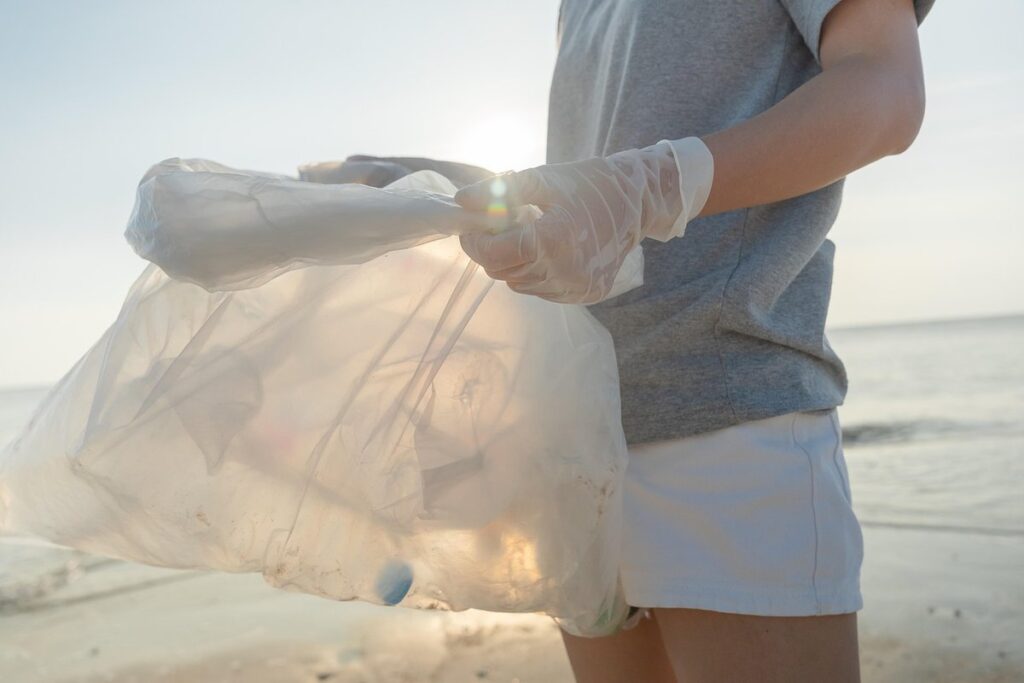
You can start by engaging with your community through local initiatives or joining organizations dedicated to environmental causes. For instance, participating in beach cleanups or park clean-up events helps raise awareness about plastic pollution and encourages others to take action.
Developing partnerships between government agencies, businesses, and community groups is also essential for driving systemic change. This collaboration can lead to the implementation of effective recycling programs, infrastructure development, and policy reforms that support a more circular economy.
To further encourage systemic change, consider advocating for extended producer responsibility (EPR) policies, which hold manufacturers accountable for their products’ waste management. You can also support organizations pushing for better recycling practices and promote sustainable consumption habits among your friends and family through simple conversations and actions.
The Future of Plastic Recycling
As we move forward, it’s essential to understand how plastic recycling will evolve and what innovations are on the horizon to tackle the industry’s ongoing challenges.
New technologies and strategies are emerging that could revolutionize the way we recycle plastic, but what do they mean for our planet?
Emerging Trends and Technologies
Biodegradable plastics and chemical recycling are two emerging trends that may significantly alter the plastic recycling landscape. Bioplastics, made from renewable resources such as corn starch, sugarcane, or potato starch, can potentially replace traditional plastics. However, their production process requires large amounts of land, water, and energy. Moreover, biodegradable plastics often degrade at different rates depending on environmental conditions.
Chemical recycling, also known as advanced recycling, involves breaking down plastic waste into its raw materials through chemical processes. This approach allows for the recycling of mixed plastics, which are currently difficult to recycle using traditional mechanical methods. Chemical recycling can recover up to 99% of plastic material, resulting in minimal waste generation. However, it is still a relatively expensive process and requires significant investments.
Several companies are already exploring these technologies, including LanzaTech, which has developed a chemical recycling process that converts plastics into fuels and chemicals. Similarly, the Dutch company, TNO, has developed a method to chemically recycle polyethylene terephthalate (PET) bottles into new PET materials. These innovations demonstrate the potential of emerging trends in plastic recycling to address current challenges and promote a more circular economy.
Policy and Regulatory Frameworks
Effective policy and regulatory frameworks play a crucial role in determining the success of plastic recycling efforts. In some regions, governments have implemented extended producer responsibility (EPR) policies, which hold manufacturers accountable for the waste generated by their products. This approach has led to increased investment in recycling infrastructure and improved collection rates.
For instance, Germany’s EPR policy requires manufacturers to pay a fee based on the amount of packaging material they generate. This revenue is then used to fund recycling programs and improve waste management practices. In contrast, the lack of stringent regulations in other areas has hindered progress in plastic recycling.
Governments can also promote recycling by setting clear standards for recyclable materials and enforcing compliance. The European Union’s Circular Economy Package, for example, aims to increase recycling rates and reduce waste by establishing a common framework for member states. By analyzing policy and regulatory frameworks, we can identify areas where governments are supporting or hindering plastic recycling efforts and make informed recommendations for improvement.
Frequently Asked Questions
Can I Recycle Plastic Bags and Wrapping Film?
Yes, many supermarkets now offer plastic bag recycling programs or have designated bins for collecting clean plastic bags and wrapping film. Before depositing them in these bins, make sure to remove any residue and flatten the items.
What Happens if I Put Contaminated Plastics in the Recycling Bin?
If you put contaminated plastics in the recycling bin, they will be sent to a landfill or incinerator instead of being processed for recycling. This not only wastes valuable resources but also contributes to greenhouse gas emissions and pollution. Always sort your plastics correctly before depositing them in the recycling bin.
Can I Recycle Plastic Bottles with Caps On?
Yes, you can recycle plastic bottles with caps on, but it’s essential to remove any food residue or liquids from the cap itself. If the cap is heavily contaminated or damaged, it may need to be disposed of separately as regular waste.
How Do I Know if a Product is Made from Recycled Plastic?
Look for labels or certifications like “Recyclable,” “Made from Recycled Materials,” or “Closed-Loop Recycling.” You can also check the product’s packaging or manufacturer’s website for information on its sustainability features. Some brands may also use recycled plastic logos or symbols to indicate their commitment to sustainability.
Can I Recycle Plastic Containers with Food Residue?
It depends on the type of plastic and the amount of residue. For example, if you have a plastic container with food residue from a dairy product, it’s usually safe to recycle. However, if the residue is from an oily or greasy substance, it may contaminate the recycling process. Always check your local recycling guidelines for specific advice on handling containers with food residue.

