
You’ve probably heard about shampoos labeled as ‘sulfate-free’ and ‘paraben-free’, but do you know what these terms really mean? Sulfates are harsh detergents that strip your hair of its natural oils, causing dryness and damage. Parabens, on the other hand, are preservatives linked to potential skin irritation and hormonal imbalances. As a result, many of us are turning away from conventional shampoos towards sulfate-free and paraben-free alternatives. But what’s the difference between these gentler options? How do they impact hair and scalp health? In this article, we’ll explore the benefits of choosing a sulfate-free and paraben-free shampoo, including reduced irritation, improved moisturization, and even enhanced scalp health. By the end of this piece, you’ll know exactly how to find an effective natural shampoo that nourishes your locks while avoiding harsh chemicals.
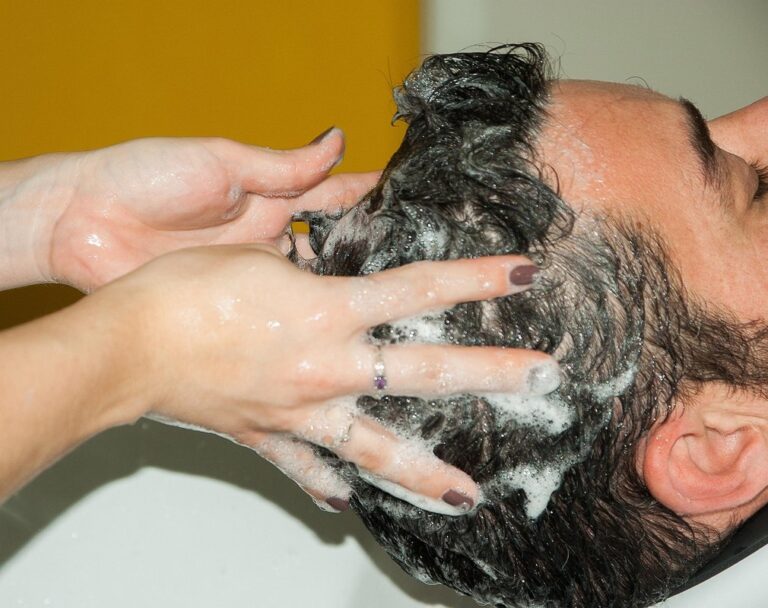
The Benefits of Sulfate-Free and Paraben-Free Shampoos
For those looking for a gentler, more natural shampooing experience, sulfate-free and paraben-free options are often the way to go. They can be particularly beneficial for sensitive scalps.
Understanding Sulfates in Shampoos
Sulfates are a type of surfactant commonly used in shampoo formulations to create a rich lather and effectively remove dirt and oil from hair. They are usually derived from petroleum-based sources or coconut and palm oils, making them a major component in many commercial shampoos. However, their presence has sparked controversy due to concerns over skin and scalp irritation.
Many people experience itchiness, redness, and dryness on the scalp after using sulfates, particularly those with sensitive skin. This is often attributed to the harsh stripping action of sulfates, which can disrupt the natural pH balance of the scalp. Some studies suggest that long-term exposure to sulfates may even contribute to hair loss by damaging the hair follicles.
If you’re experiencing issues with sulfates in your shampoo, look for sulfate-free alternatives or consider switching to a gentle, sulfate-free cleanser specifically designed for sensitive scalps. When shopping for sulfate-free shampoos, be aware that some products might contain alternative surfactants like sodium lauryl ether sulfate (SLES) or ammonium lauryl sulfate, which can still cause irritation in some individuals. Always read product labels carefully and opt for reputable brands with transparent ingredient lists.
Common Harsh Chemicals Found in Conventional Shampoos
Parabens are preservatives commonly used in conventional shampoos to extend shelf life. They’re often paired with sulfates, which can cause irritation and dryness on sensitive scalps. Parabens have been linked to hormone disruption, with some studies suggesting they may mimic estrogen’s effects in the body. This has raised concerns about their impact on reproductive health.
Another harsh chemical commonly found in conventional shampoos is triclosan, an antibacterial agent that can strip hair of its natural oils and cause irritation. Triclosan has also been linked to environmental pollution, as it can accumulate in waterways and harm aquatic life. Other chemicals, such as formaldehyde-releasing agents like DMDM hydantoin and imidazolidinyl urea, are used as preservatives in some shampoos.
Many conventional shampoos also contain sodium lauryl sulfate (SLS) and its derivative sodium laureth sulfate (SLES), which can cause stripping of the hair’s natural oils and lead to dryness, itchiness, and irritation. These sulfates are often paired with parabens to create a harsh cocktail that can be damaging to both hair and scalp health. When shopping for shampoos without sulfates or parabens, look for products labeled as “fragrance-free” or “preservative-free” to minimize exposure to these chemicals.
The Impact on Hair and Scalp Health
Using sulfate-free and paraben-free shampoos can have both positive and negative effects on your hair and scalp, some of which may surprise you. Let’s examine these potential impacts in more detail.
Adverse Effects of Sulfates on the Hair and Scalp
Sulfates can strip hair of its natural oils, causing dryness and irritation to the scalp. This is because sulfates are potent surfactants that break down dirt and oil on the surface of the hair and scalp, but in the process, they also remove essential moisture. The result can be a dry, brittle, or frizzy appearance, especially if your hair is already prone to dryness.
The irritation caused by sulfates can manifest as itchiness, redness, or even flakiness on the scalp. For individuals with conditions like eczema or psoriasis, using sulfate-based shampoos can exacerbate symptoms and lead to further inflammation. Some people may also experience skin irritation, such as rashes or acne-like lesions, due to the harsh effects of sulfates.
To minimize these adverse effects, consider switching to a shampoo without sulfates, or try a gentle, sulfate-free conditioner to help repair moisture loss after washing with a regular shampoo. When shopping for alternative shampoos, look for ingredients like coconut oil, shea butter, or argan oil that can help lock in moisture and soothe the scalp.
Paraben’s Role in Hair Loss and Other Health Concerns
Parabens have long been a topic of debate regarding their potential health risks. The main concern surrounding parabens is their ability to mimic estrogen in the body, leading to hormonal disruption. This can cause a range of issues, from acne and thinning hair to more serious conditions like breast cancer. Studies have shown that parabens can accumulate in the body over time, potentially causing long-term health problems.
Some research suggests a link between paraben exposure and an increased risk of certain cancers, including breast cancer. In 2004, a study published in the Journal of Applied Toxicology found high levels of parabens in breast tumors. While this finding has been disputed by some, it highlights the need for caution when using products containing parabens.
When shopping for shampoo, be mindful of the ingredients listed on the label. Look for products that are labeled as “paraben-free” or “natural.” Keep in mind that even if a product is marketed as natural, it’s still essential to read the ingredient list carefully. Consider opting for products from companies that prioritize transparency and safety, and always follow the recommended usage guidelines to minimize exposure to potential toxins.
Choosing a Sulfate-Free and Paraben-Free Shampoo
When it comes to choosing the right shampoo for your hair, there are two main ingredients you’ll want to avoid: sulfates and parabens. We’ll break down what makes these ingredients problematic and how to select a gentle, effective alternative.
Key Ingredients to Look for in Natural Shampoos
When shopping for natural shampoos that are free from sulfates and parabens, it’s essential to look out for plant-based ingredients that offer similar cleansing properties. One of the most effective alternatives is coconut-derived surfactants, which have gained popularity in recent years due to their gentle yet efficient cleaning abilities.
Other notable ingredients include decyl glucoside, a plant-derived surfactant derived from glucose and fatty alcohols; lauryl glucoside, another sugar-based surfactant that’s biodegradable and gentle on hair; and saponins, natural cleansers found in plants such as soapbark and yucca. These ingredients are often used individually or in combination to create a rich lather without stripping the hair of its natural oils.
When selecting a shampoo with these ingredients, be sure to check the concentration level, as some products may contain small amounts of other ingredients that can undermine their effectiveness. For example, if a product contains both decyl glucoside and sodium lauryl sulfate (SLS), it’s likely that the SLS is still present in sufficient quantities to make it less effective than desired.
Factors Influencing the Effectiveness of Sulfate-Free Shampoos
The pH level of a sulfate-free shampoo is critical to its effectiveness. If the pH level is too high or too low, it can disrupt the scalp’s natural balance and cause irritation. Ideally, a sulfate-free shampoo should have a pH level close to that of the skin, which is around 5.5. Some shampoos may claim to be “pH balanced,” but this term is not regulated, so look for products that specifically state their pH level.
Surfactant concentration is another important factor in a sulfate-free shampoo’s performance. Surfactants are responsible for cleaning the hair and scalp, but excessive use can strip the hair of its natural oils, leading to dryness and damage. A balanced surfactant concentration will effectively clean the hair without stripping it of its natural moisture. Moisturizing agents, such as coconut oil or shea butter, can help to replenish lost moisture and provide an extra layer of protection.
When choosing a sulfate-free shampoo, pay attention to the moisturizing agents used. Look for products that use gentle, effective ingredients like argan oil or green tea extract. Avoid shampoos that rely on artificial fragrances or dyes, as these can further irritate the scalp and strip the hair of its natural oils.
Types of Sulfate-Free and Paraben-Free Shampoos
There are several types of sulfate-free and paraben-free shampoos, each offering unique benefits for different hair types and concerns, such as dryness and dandruff. Let’s take a look at some popular options.
Natural vs. Organic: Understanding the Differences
In the realm of sulfate-free and paraben-free shampoos, you’ll often come across labels touting “natural” and “organic” ingredients. While these terms might sound appealing, it’s essential to understand what they mean in the context of hair care.
The term “natural” can be somewhat misleading. It doesn’t necessarily imply that the product is made from 100% natural ingredients. Instead, it may refer to a combination of synthetic and natural components. For example, a shampoo labeled as “natural” might contain plant-derived surfactants alongside some artificial fragrances. This doesn’t mean the shampoo won’t cleanse your hair effectively, but it’s crucial to be aware that some natural shampoos can still cause irritation or dryness.
On the other hand, “organic” refers specifically to ingredients sourced from organic farms and adhering to strict environmental standards. Organic shampoos typically avoid synthetic preservatives, artificial fragrances, and colors. When shopping for an organic shampoo, look for the USDA Organic seal, which ensures that at least 95% of the ingredients are certified organic. Keep in mind that even if a shampoo is labeled as organic, it may not be entirely free from sulfates or parabens.
Examples of Effective Sulfate-Free and Paraben-Free Shampoo Options
Many sulfate-free and paraben-free shampoos are available from well-known brands. One notable example is Burt’s Bees Intense Hydration Shampoo, which uses a blend of coconut oil and shea butter to moisturize the hair. Another option is Pantene Pro-V Sulfate-Free Shampoo, which gently cleanses without stripping the hair of its natural oils.
The DevaCurl Low-Poo Delight is also a popular choice among those seeking sulfate-free shampoos. This product uses a gentle, non-stripping formula to clean the scalp and hair. Some brands offer paraben-free options within their existing product lines, such as Redken’s Extreme Strength Shampoo, which contains antioxidants to help repair damaged hair.
When choosing a sulfate-free and paraben-free shampoo, consider your specific hair needs. If you have dry or damaged hair, look for products with moisturizing ingredients like argan oil or coconut oil. Those with oily hair may prefer shampoos containing clay or charcoal to help absorb excess oil. Some brands also offer fragrance-free options for those sensitive to scents.
Safety Precautions and Considerations
When using a sulfate-free and paraben-free shampoo, it’s essential to follow some important safety guidelines to get the best results while minimizing any potential risks. Always read and heed the instructions on the product label carefully.
Allergies and Sensitivities to Sulfate-Free and Paraben-Free Ingredients
While sulfate-free and paraben-free shampoos are often touted as gentler alternatives to traditional formulas, they can still contain ingredients that may cause allergic reactions or irritation. Essential oils, fragrances, and preservatives common in these products can trigger sensitive skin and scalp issues.
Some sulfate-free shampoos use alternative surfactants like coconut-derived cleansers or plant-based cleansers. However, a small minority of individuals may develop an allergy to these ingredients. Similarly, paraben-free shampoos often replace parabens with phenoxyethanol, a preservative that can cause contact dermatitis in rare cases.
To mitigate the risk of allergic reactions, it’s essential to patch test any new shampoo, including sulfate-free and paraben-free formulas. Apply a small amount to a discrete area of skin, like behind your ear or on your wrist, and wait 24 to 48 hours for any signs of irritation. If you experience redness, itching, or burning, discontinue use immediately and consider consulting a dermatologist for advice. By taking this precautionary step, you can enjoy the benefits of sulfate-free and paraben-free shampoos while minimizing potential side effects.
Comparison with Conventional Shampoos: Price Points and Availability
Natural shampoos without sulphates and parabens tend to be pricier than conventional options. This can be attributed to the higher cost of organic ingredients, which are often more expensive to source and process. On average, natural shampoos range from £5 to £15 per 250ml bottle, while conventional shampoos can be found for as little as £1-£3.
However, it’s essential to consider that cheaper options may not always be the most cost-effective in the long run. Many conventional shampoos contain harsh chemicals that can lead to scalp irritation and damage hair over time, ultimately requiring more frequent purchases. In contrast, investing in a high-quality natural shampoo can help maintain healthy locks, reducing the need for expensive treatments or repairs.
Online marketplaces like Amazon and specialist health food stores often carry a wide selection of sulphate- and paraben-free shampoos from various brands. Some retailers even offer loyalty programs or subscription services to make these products more affordable. When shopping for natural shampoos, be sure to read reviews and look for certifications like NATRUE or Soil Association, which ensure the product meets strict organic standards.
Frequently Asked Questions About Sulfate-Free and Paraben-Free Shampoos
We get a lot of questions from readers about sulfate-free and paraben-free shampoos, so let’s tackle some of the most common ones head-on. From concerns about product effectiveness to worries about cost, we’re covering it all.
Addressing Common Misconceptions About Natural Hair Care
Many people assume that sulfate-free shampoos are less effective at cleaning hair than their sulfated counterparts. However, sulfates can strip the hair of its natural oils, leading to dryness and damage over time. Sulfate-free shampoos use alternative surfactants like glycerin or coconut-derived cleansers that gently cleanse the hair without stripping it of its natural moisture.
Another common misconception is that paraben-free shampoos are less effective at preserving the shampoo’s formula or that they have a shorter shelf life. However, parabens are preservatives added to many commercial shampoos to extend their shelf life and prevent spoilage. Paraben-free shampoos typically use natural preservatives like vitamin E or plant extracts, which can be just as effective in maintaining the product’s stability.
Some people also believe that sulfate-free and paraben-free shampoos are only suitable for dry or damaged hair, while others think they’re more expensive than traditional shampoos. While it’s true that sulfate-free shampoos may not lather as much as sulfated shampoos, this doesn’t mean they’re ineffective for all hair types. In fact, many people with oily hair find that sulfate-free shampoos help control oil production without stripping the hair of its natural moisture.
Ultimately, choosing a sulfate-free and paraben-free shampoo comes down to understanding your own hair needs and preferences. If you have sensitive skin or allergies, it’s essential to read labels carefully and choose products from reputable brands that use natural ingredients. Consider consulting with a dermatologist or hair care professional if you’re unsure about which type of shampoo is best for you.
Frequently Asked Questions
Can I use a sulfate-free and paraben-free shampoo if I have curly or wavy hair?
You can still enjoy the benefits of sulfate-free and paraben-free shampoos with curly or wavy hair. However, you may need to be more mindful of the pH level in your chosen shampoo, as it should ideally range between 4.5 and 5.5 to maintain your curls’ natural definition.
How do I know if a shampoo is truly sulfate-free and paraben-free?
Always check the ingredient label carefully and look for certifications like NATRUE or ECOCERT, which ensure that products meet certain standards of natural ingredients and sustainability. Be wary of products labeled ‘natural’ but containing synthetic fragrances or colors.
What if I have sensitive skin or allergies; can I still use sulfate-free and paraben-free shampoos?
Yes, it’s possible to use these shampoos even with sensitive skin or allergies. Patch test a small area before using the shampoo extensively, and consider choosing products with a low pH level to minimize irritation.
Can I mix and match different natural ingredients in my own homemade shampoo recipe, or should I stick to commercial options?
Mixing your own shampoo ingredients can be safe if you do thorough research on each component. However, this approach requires caution: using the wrong ratio of surfactants, for instance, might lead to an ineffective or even irritating product.
What’s a good way to transition from conventional shampoos to sulfate-free and paraben-free options?
To minimize scalp irritation during the switch, gradually introduce the new shampoo by alternating between it and your old one over several days. Be patient as your scalp adjusts to the changes in formulation and pH levels.

