
Sidewalk benches have become an integral part of urban landscapes worldwide. When strategically designed and placed, these simple structures can transform public spaces into vibrant community hubs, encouraging social interaction and physical activity among residents. A well-placed bench can become a focal point for people-watching, fostering connections between neighbors and visitors alike. In cities like Barcelona and Copenhagen, thoughtful design has turned sidewalks into inviting thoroughfares where citizens enjoy their surroundings and engage with one another. By learning from these successful case studies, you’ll gain insight into how to create inclusive public spaces that prioritize community engagement, physical activity, and beauty through effective sidewalk bench installation. This article explores the role of strategic design in elevating urban public spaces, highlighting practical lessons for your own project.
History and Evolution of Sidewalk Benches
Sidewalk benches have a rich history that spans centuries, from their humble beginnings as public seating for weary travelers to modern-day designs that prioritize comfort and sustainability. Let’s take a closer look at how they’ve evolved over time.
Early Use of Sidewalk Benches
Sidewalk benches have a rich history dating back to the early 20th century. Initially introduced as a social amenity for urban dwellers, these benches were designed with public gathering spaces in mind. In cities like New York and London, sidewalk benches became a staple feature of cityscapes during the Roaring Twenties.
The first generation of sidewalk benches was characterized by simple, utilitarian designs. Typically made of cast iron or wood, these early benches featured backrests and armrests that encouraged users to linger. Their initial purpose was not only to provide a place for rest but also to foster social interaction among citizens.
In many cities, sidewalk benches were strategically placed near popular gathering spots like parks, libraries, and community centers. This intentional placement aimed to bring people together, creating opportunities for conversation and community building. As urban planning evolved, so did the design of sidewalk benches, incorporating features that promoted comfort, accessibility, and functionality.
Influence of Modern Architecture on Sidewalk Benches
Modern architectural styles have significantly influenced the design and functionality of sidewalk benches over time. The minimalist aesthetic of Deconstructivism, for example, has led to a trend of sleek, low-profile benches that blend seamlessly into urban landscapes. In contrast, the emphasis on sustainability in Green Architecture has inspired the use of recycled materials and energy-efficient design in many modern sidewalk benches.
The International Style’s focus on functional simplicity has also impacted bench design, often resulting in clean lines and minimal ornamentation. However, some architects are pushing back against this trend, incorporating more expressive and artistic elements into their designs. For instance, the incorporation of public art or unique materials can add visual interest to a city’s streetscape.
As cities continue to evolve, it’s essential for urban planners to consider the role that modern architecture plays in shaping the design of sidewalk benches. By staying attuned to current architectural trends and incorporating them thoughtfully into bench design, cities can create public spaces that are both functional and aesthetically pleasing.
Benefits of Installing Sidewalk Benches in Public Spaces
Sidewalk benches can have a significant impact on the aesthetic and functionality of public spaces, providing a welcoming spot for citizens to rest and socialize. By installing these benches strategically, communities can reap numerous rewards.
Encouraging Community Engagement and Socialization
Sidewalk benches can play a significant role in fostering a sense of community by providing a space for people to interact and socialize. In urban planning, it’s essential to design public spaces that encourage human connection and foster relationships among residents.
When strategically placed throughout a neighborhood or town, sidewalk benches can serve as informal gathering areas where strangers become acquaintances. For instance, in a bustling downtown area, a row of benches along a main street can create a hub for locals to catch up on the latest news, share stories, or simply enjoy each other’s company.
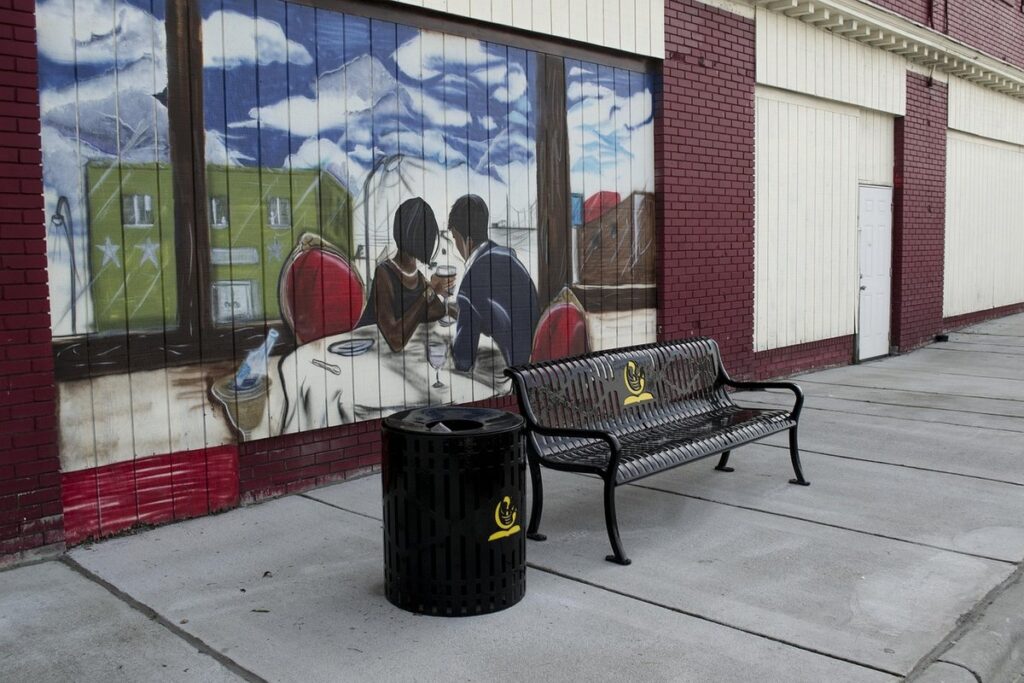
By incorporating features like communal tables, planter boxes, and public art installations near sidewalk benches, urban planners can further encourage socialization. For example, a park bench surrounded by vibrant murals and lush greenery can become an inviting spot for people to linger and engage with others.
Promoting Physical Activity and Health
Sidewalk benches strategically placed near parks, bike paths, and other recreational areas can play a significant role in promoting physical activity and health. When users of these facilities see people relaxing on benches after a walk or bike ride, it sends a clear message that this type of physical activity is valued and encouraged.
For instance, placing benches along popular walking routes, such as riverfront paths or lakefront promenades, can help create a more inviting environment for walkers. This, in turn, may encourage people to extend their walks and engage in other physical activities like stretching exercises or yoga poses on the spot. Similarly, installing benches near bike-share stations or designated bike lanes can provide cyclists with a convenient place to rest and refuel after a ride.
To maximize this benefit, urban planners should consider placing benches near clear signage indicating nearby parks, trails, or recreational areas. This not only helps users discover new places to be active but also encourages them to explore their surroundings on foot. By thoughtfully positioning sidewalk benches in public spaces, cities can create environments that support and celebrate physical activity.
Design Considerations for Sidewalk Benches
When designing sidewalk benches, there are several key considerations that can make all the difference in creating a functional and inviting space for users. First among these is material selection.
Materials and Durability
When it comes to building sidewalk benches, selecting the right materials is crucial for ensuring durability and ease of maintenance. A common choice is wood, particularly hardwoods like teak and ipe, which are resistant to rot and insects. However, they can be heavy and prone to warping in harsh weather conditions.
Metal benches, often made from recycled aluminum or steel, offer a lighter alternative but may require more frequent coating to prevent rust. Some cities have opted for concrete benches, which provide a durable surface but can be slippery when wet. Additionally, maintenance requirements vary significantly between materials; for example, wood requires periodic staining while metal and concrete need regular cleaning.
It’s essential to consider the climate and usage patterns in your area before making a final decision. For instance, if you live in an area with high foot traffic or extreme weather conditions, metal or concrete may be more suitable options. Conversely, wooden benches can thrive in areas with mild temperatures and low exposure to moisture. Ultimately, selecting the right material will depend on balancing aesthetics, maintenance needs, and budget constraints.
Ergonomics and Accessibility
Ergonomics and accessibility are crucial considerations when designing sidewalk benches to accommodate diverse user needs. A well-designed bench should prioritize comfort, ease of use, and inclusivity for people of all ages and abilities.
Benches should be designed with adjustable or removable armrests to cater to users who require support or have limited mobility in their arms. For example, some urban parks now feature benches with removable armrests that can be easily detached and stored away when not needed. This flexibility is essential for accommodating wheelchair users, individuals with mobility impairments, or those recovering from injuries.
Additionally, the height of the bench and the surrounding area should allow users to comfortably stand up and sit down without straining their joints. A general rule of thumb is to ensure a minimum clearance of 24 inches around each side of the bench for easy access. Furthermore, benches with back support can help reduce fatigue and discomfort during extended periods of sitting.
Challenges and Limitations of Sidewalk Bench Installation
While sidewalk benches bring numerous benefits, there are also several challenges to consider before installing them. Issues ranging from structural integrity to community acceptance can arise in urban planning projects.
Budget Constraints and Maintenance Costs
Installing sidewalk benches can come with significant upfront costs, which may be a barrier for some cities or neighborhoods. The cost of materials, labor, and permits can range from $5,000 to $20,000 or more per bench unit, depending on the design, size, and features.
Ongoing maintenance costs are also essential to consider. Regular cleaning, repairs, and replacements of worn-out components can add up over time. For instance, a small minority of benches may require replacement every 10-15 years due to heavy use or extreme weather conditions.
To mitigate these expenses, cities can adopt cost-effective design strategies such as using durable materials, minimizing complex features, and choosing benches that can be easily disassembled for maintenance. Regular inspections and proactive maintenance schedules can also help identify potential issues before they become costly problems. By factoring in these costs and taking proactive steps, cities can ensure their sidewalk benches remain safe, accessible, and enjoyable for the community over time.
Conflicting Urban Planning Priorities
Urban planners often face conflicting priorities when it comes to sidewalk bench installation. On one hand, there’s a need for public spaces that promote social interaction and community engagement. Sidewalk benches can achieve this by providing comfortable seating areas where people can rest and interact with others. However, on the other hand, some urban planners prioritize maintaining wide sidewalks or pedestrian pathways as bike-friendly zones.
This conflict often leads to compromises that undermine the effectiveness of sidewalk benches. For instance, a city might install narrow benches that leave little room for social interaction, or place them in areas where they’re easily overlooked by pedestrians. In some cases, high-priority infrastructure projects, such as new public transportation systems or bike-share programs, may divert funds meant for sidewalk bench installation.
To address these conflicts, urban planners must weigh the needs of different stakeholders and prioritize accordingly. This might involve conducting community surveys to gauge public support for sidewalk benches or engaging in stakeholder meetings to negotiate competing demands. By doing so, planners can create public spaces that balance multiple priorities and effectively serve their intended purpose as community hubs. Effective communication with other city departments is also essential to ensure consistency across urban planning initiatives.
Case Studies: Successful Sidewalk Bench Installations
Let’s take a closer look at some inspiring examples of sidewalk bench installations that have transformed public spaces into vibrant community hubs, as we explore their successes. These real-world case studies showcase effective design and implementation strategies.
Examples from Major Cities Worldwide
In cities like Paris and Rome, sidewalk benches are an integral part of the urban landscape. The City of Light’s Seine River promenade features sleek, modern benches with built-in planters and waste receptacles. These thoughtful designs encourage visitors to linger and enjoy the views while also promoting a clean environment.
Similarly, in Tokyo’s Shibuya district, brightly colored benches line the sidewalk, providing a striking visual contrast to the city’s busy streets. These vibrant chairs have become popular photo opportunities for tourists and locals alike, injecting a sense of playfulness into the area. According to local reports, the colorful benches have also helped reduce congestion by giving people a place to rest while they take in the surroundings.
Design features like built-in planters or integrated lighting can significantly impact usage patterns. For example, in New York City’s High Line elevated park, curved benches with built-in lights allow pedestrians to take in the city views at night. These thoughtful design elements not only enhance the user experience but also foster a sense of community among visitors. By incorporating thoughtful design features, cities can create inviting spaces that bring people together and promote social interaction.
Lessons Learned for Local Communities
Local communities can glean valuable insights from these case studies to inform their own sidewalk bench installation efforts. For instance, the community-led approach used in Boston’s Public Art and Bench Program is worth emulating. By engaging with local artists and designers, city officials created unique benches that reflect the neighborhood’s character.
Similarly, Seattle’s decision to install benches in high-traffic areas has shown that strategic placement can significantly impact user experience. Communities can learn from this by identifying busy corridors or public spaces where benches would be most beneficial.
Another key takeaway is the importance of maintenance and upkeep. In Chicago’s Millennium Park, regular cleaning and repairs have ensured that the benches remain a beloved feature. Communities should plan for ongoing maintenance in their budgets to prevent benches from becoming eyesores.
By studying these successful installations, local communities can avoid common pitfalls and create their own thriving sidewalk bench spaces. By prioritizing community engagement, thoughtful placement, and adequate maintenance, cities can unlock the full potential of sidewalk benches as community hubs and public art showcases.
Frequently Asked Questions
Can I use recycled materials for my sidewalk bench installation?
Yes, using recycled materials can be a cost-effective and environmentally friendly option for your sidewalk bench project. Consider working with local suppliers or repurposing existing materials to minimize waste and reduce carbon footprint.
What if the community doesn’t want sidewalks with benches? How do I convince them of their benefits?
To address concerns, focus on sharing the community engagement, socialization, and physical activity benefits outlined in the article. Emphasize how sidewalk benches can be designed to meet local needs and preferences. Engage with stakeholders through public meetings or surveys to build support for your project.
How do I balance budget constraints with high-quality design? Can I compromise on materials?
Yes, compromises can be made while still achieving a high-quality design. Prioritize durable and low-maintenance materials where feasible, but consider alternative options that meet your budget requirements. Involve local experts or collaborate with other communities to share best practices for cost-effective yet effective sidewalk bench installations.
What if I encounter conflicting urban planning priorities during the installation process? How do I navigate these challenges?
Yes, navigating conflicting priorities is a common challenge. Stay informed about ongoing projects and communicate regularly with stakeholders to address concerns. Consider working with local authorities or experts to find creative solutions that balance competing interests and achieve your goals.
Can I install sidewalk benches in areas with high foot traffic without causing congestion? What’s the optimal spacing?
Yes, careful planning can minimize congestion risks. Research successful case studies for guidance on optimal bench placement and spacing. Aim for a balance between providing ample seating opportunities and ensuring clear pedestrian paths to maintain public safety and accessibility.

