
Visiting Kyoto without experiencing its famous hot springs is like traveling to Japan without trying sushi – a missed opportunity. Onsen, or public baths, are an integral part of Japanese culture and a must-try when in Kyoto. You’ve probably heard about Japan’s rich bath culture, but did you know that onsen has been a staple in Japanese society for centuries? In this bustling city, finding the perfect onsen spot can be daunting, especially with its many hidden gems and varying standards of service. That’s where we come in – to guide you through Kyoto’s best onsen spots, share essential etiquette tips, and explore the cultural significance of hot springs in Japan’s bath culture. By the time you finish reading this article, you’ll know how to find and enjoy the perfect onsen experience in Kyoto.
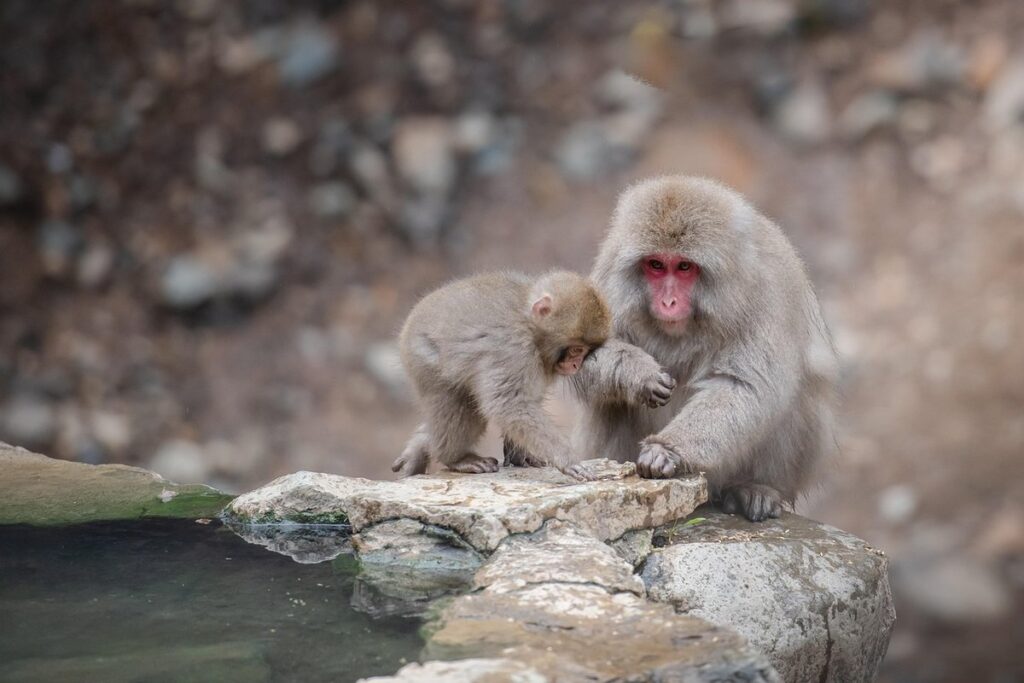
Understanding the Concept of Onsen
An onsen is a natural hot spring found throughout Japan, but what sets Kyoto’s onsen apart from others? This unique concept has been a cornerstone of Japanese culture for centuries.
The Origins of Onsen
Onsen has a long and storied history in Japan, dating back over 2,000 years to the country’s ancient past. It is believed that onsen was first discovered by local people when they came across hot water springs bubbling up from the ground. These natural hot springs were initially considered sacred, with many temples and shrines built nearby to harness their healing properties.
As time passed, onsen began to take on a more significant role in Japanese culture, particularly among the nobility and aristocracy. They would travel great distances to visit famous onsen spots, not only for relaxation but also as a status symbol. This cultural phenomenon contributed to the widespread development of onsen throughout Japan.
In Kyoto, onsen was especially prized for its rejuvenating properties, with many temples and ryokans (traditional Japanese inns) incorporating hot springs into their facilities. Today, visitors can still experience this unique aspect of Kyoto’s culture by visiting one of the city’s many public bathhouses or high-end ryokans that feature luxurious onsen facilities.
Types of Onsen: Natural and Artificial Sources
Onsen can be sourced from either natural or artificial origins. Natural onsen, also known as hot springs, originate from underground reservoirs of heated water. These sources are often located near fault lines, where tectonic movement causes the earth’s crust to heat up and release steam. The unique mineral composition of natural onsen water is what sets it apart from other types of bathing experiences.
Artificial onsen, on the other hand, rely on external systems to circulate heated water through pipes. While they may not offer the same mineral-rich properties as their natural counterparts, artificial onsen often provide a more consistent and controlled environment for soaking. Some hotels and ryokans in Kyoto City offer both natural and artificial onsen options, allowing guests to experience the best of both worlds.
When choosing between natural and artificial onsen, consider what you’re looking for in your bathing experience. If you prioritize unique mineral properties and an immersive connection with nature, opt for a natural onsen. However, if you prefer a more predictable temperature or amenities like jet massages, an artificial onsen might be the better choice. Be sure to research and book accommodations that cater to your preferences, as some natural onsen may require reservations in advance due to limited capacity.
Best Onsen Spots in Kyoto City
Kyoto is home to some of Japan’s most stunning onsen, and we’re excited to share our top picks for experiencing the best of these natural hot springs within the city limits. From serene gardens to traditional ryokans, discover Kyoto’s hidden gems here.
Must-Visit Ryokans with Onsen Facilities
Kiyomizu Ryokan is a serene oasis nestled near Kiyomizu-dera Temple. Its tranquil atmosphere and lush gardens create an idyllic setting for an onsen experience. The ryokan’s private baths are filled with natural hot spring water, providing a rejuvenating soak after a day of exploring the city.
Gion Nanba Ryokan is another highly-recommended option, offering traditional Japanese rooms and suites equipped with their own private onsen facilities. Guests rave about the exceptional service, delicious kaiseki meals, and serene ambiance. Prices start at around ¥60,000 per night (approximately $550 USD) for a standard room.
Kamado Ryokan, located in the heart of Kyoto’s Gion district, boasts traditional Japanese architecture and beautifully landscaped gardens. Its onsen facilities are a highlight, with large tubs filled with natural hot spring water overlooking the serene surroundings. Prices range from ¥50,000 to ¥100,000 per night (approximately $450-$900 USD), depending on the room type.
When staying at these ryokans, it’s essential to make reservations well in advance, especially during peak travel seasons. Be sure to also book a private bath or onsen experience in advance, as availability can be limited.
Public Baths and Onsen Centers in Kyoto
Kyoto’s public baths and onsen centers offer a unique opportunity for locals and tourists alike to experience Japan’s traditional bath culture. These facilities are scattered throughout the city, with many conveniently located near popular tourist areas.
For tourists, some of the most accessible public baths include the Gion Yamahiro Ryokan, which offers day-use bathing privileges for non-guests, and the Ichinomachi Hanaikada Onsen, a family-friendly facility with an indoor pool. Locals often frequent the Miyagawa Honten public bathhouse, known for its hot springs and tranquil atmosphere.
Prices vary depending on the facility, but expect to pay around ¥1,000-2,000 (approximately $9-$18 USD) per visit. Some facilities also offer package deals or discounts for multiple visits. When planning a visit, it’s best to check the facility’s website or call ahead to confirm operating hours and availability.
A few onsen centers in Kyoto cater specifically to tourists, often providing amenities like lockers, towels, and English-speaking staff. The Kiyomizu-dera Onsen Center is one such example, offering stunning views of the city from its outdoor bath area.
Etiquette and Tips for Visiting Onsen
To make the most of your onsen experience, it’s essential to know how to behave respectfully in these traditional bathhouses. Familiarizing yourself with Japanese etiquette will help you feel more at ease and avoid any unintentional faux pas.
Traditional Bathhouse Etiquette
When visiting an onsen in Kyoto City, it’s essential to follow traditional etiquette rules. This includes removing body hair, particularly underarm and pubic areas, before bathing. You’ll typically find a small box of razors or depilatory cream near the entrance; use these to discreetly groom yourself.
Some onsen still have strict tattoo policies, although this is changing in recent years. If you have tattoos, look for signs indicating whether they’re allowed; some onsen may require you to cover them with bandages or stickers. As a general rule, it’s best to assume tattoos are not permitted and inquire about the policy beforehand.
Bathing attire is also an essential consideration. Men typically bathe naked, while women often wear loincloths or swimsuits. Avoid wearing anything that might be considered too revealing or attention-seeking. When exiting the baths, take a clean towel from the designated area to dry off with; never walk around the onsen with a wet towel or dripping water. By following these simple guidelines, you’ll be able to fully immerse yourself in the onsen experience and appreciate Japan’s rich bath culture.
What to Expect at a Modern Onsen
Upon entering a modern onsen in Kyoto, you’ll likely notice significant differences from traditional bathhouses. Gone are the days of rustic simplicity; today’s onsen offer sleek designs and an array of amenities catering to weary travelers. Many now feature indoor pools with temperature control, allowing you to customize your bathing experience.
Some modern onsen also boast saunas, steam rooms, or even outdoor hot tubs offering breathtaking city views. Others may incorporate advanced water filtration systems, ensuring pristine water quality for the ultimate relaxation experience. At some establishments, you can even indulge in rejuvenating massages, facials, and other spa treatments before or after your soak.
Don’t be surprised if you’re handed a towel, washcloth, and possibly even a face mask to enhance your visit. These touches not only add to your comfort but also contribute to the overall ambiance of relaxation and tranquility that onsen are renowned for. When exploring modern onsen in Kyoto, remember to respect local customs while still enjoying these indulgent offerings – a perfect blend of tradition and innovation awaits.
Choosing the Right Onsen for Your Needs
When planning a visit to Kyoto, choosing the right onsen can be overwhelming due to the numerous options available. This section will help you narrow down your choices based on specific needs and preferences.
Factors to Consider When Selecting an Onsen
When selecting an onsen in Kyoto, several factors come into play. One crucial consideration is location. You’ll want to choose an onsen with a convenient address for your itinerary, especially if you’re short on time or have limited mobility. Some popular areas like Gion and Kiyamachi offer easy access to major attractions, while others like the north-western outskirts provide a more peaceful retreat from city life.
Accessibility is also vital, particularly for those traveling with mobility issues. Look for onsen that offer wheelchair ramps, elevators, or adaptive facilities to ensure a smooth experience. Some high-end ryokans (traditional inns) even provide private outdoor baths, allowing you to soak under the stars without worrying about navigation.
Lastly, consider what type of facilities and services will make your onsen experience enjoyable. Do you want a serene atmosphere with minimal distractions? Or perhaps an onsen with an attached restaurant or bar to complement your visit? Some onsen also offer massage services, gift shops, or even traditional Japanese tea ceremonies nearby. Prioritizing these aspects can help you tailor your selection to your preferences and needs.
Onsen Options for Different Interests and Preferences
For families with young children, some onsen offer play areas and shallow pools specifically designed for kids. These can be a great way to introduce little ones to Japan’s bathing culture, but it’s essential to check if the facility allows children before visiting. Some popular family-friendly options in Kyoto include the public bathhouse, Gion Nanba, which has a large communal bath and a separate children’s area with toys and play equipment.
Couples may prefer onsen that offer private rooms or more intimate settings, such as the luxurious Kawayu Onsen, which features private baths and stunning natural surroundings. Solo travelers, on the other hand, might enjoy the social atmosphere of a public bath like Gion Gorinoyu, where they can mingle with locals and other visitors.
Consider your personal preferences when choosing an onsen: do you prefer to bathe in nature or amidst urban scenery? Are you looking for a budget-friendly option or willing to splurge on luxury amenities? Researching the onsen beforehand will help ensure that you find one that meets your specific needs and interests.
Experiencing the Cultural Significance of Onsen
As you soak in the tranquil waters, onsen becomes more than just a relaxing experience – it’s an immersion into Japan’s rich cultural heritage and traditional customs. You’ll discover how these natural hot springs play a significant role in shaping local traditions.
The Spiritual and Therapeutic Aspects of Onsen
Onsen bathing is deeply ingrained in Japanese culture, offering a unique blend of spiritual rejuvenation and physical relaxation. Visitors to Kyoto’s onsen often report a profound sense of calm wash over them as they soak in the warm waters. This is not merely due to the therapeutic benefits of soaking in hot water, but also the cultural significance imbued by Japan’s rich bathing tradition.
In many traditional onsen establishments, guests are encouraged to bathe naked, a practice that promotes mindfulness and allows individuals to shed their daily worries. As you unwind in the warm waters, the gentle bubbling sounds and steamy atmosphere can be meditative, quieting the mind and easing muscle tension. Some onsen even offer yin-yang baths or specialized hot tubs designed to stimulate circulation and promote detoxification.
Visitors seeking a truly immersive experience should consider visiting during early morning hours when the bath is typically less crowded, allowing for a more peaceful atmosphere. Be sure to respect local customs by washing before entering the bath and using soap only in designated areas.
Navigating Japan’s Bath Culture: An Insider’s Perspective
For locals and visitors alike, navigating Japan’s bath culture can be both fascinating and intimidating. Growing up in Kyoto, I’ve had the privilege of being immersed in onsen etiquette from a young age. One unique custom that stands out is the tradition of washing before bathing, a practice rooted in the concept of “hadaka,” or nakedness. In most public baths, you’ll see showering stalls or basins where you can wash your body thoroughly before entering the hot spring waters.
This custom is not just about hygiene; it’s also an opportunity to disconnect from the world and prepare oneself for the relaxing experience that follows. When washing before bathing, be sure to clean yourself from head to toe, paying particular attention to areas between fingers and toes. This may take some getting used to, especially if you’re accustomed to washing after bathing in your home country. However, embracing this custom is an important part of truly immersing yourself in Japan’s bath culture. By doing so, you’ll be able to fully appreciate the tranquility and rejuvenation that onsen has to offer.
Frequently Asked Questions
Can I use my onsen visit as a way to meet other travelers?
Yes, many onsen in Kyoto offer communal bathing areas or social spaces where you can interact with other visitors. Some ryokans also host events and activities for guests, such as tea ceremonies or yoga classes.
What if I have tattoos? Are there onsen that allow tattooed individuals?
Some modern onsen in Kyoto now permit tattoos, but it’s essential to check ahead of time as policies can vary between establishments. Look for onsen with “tattoo-friendly” or “no tattoo restrictions” mentioned in their descriptions.
How do I choose the right onsen for my family’s needs? Should we opt for a ryokan or public bath?
Consider factors like age, mobility, and personal preferences when selecting an onsen. If you’re traveling with young children, a ryokan may offer more amenities and services tailored to families. For adults seeking relaxation, a public bath might be a better fit.
Are there onsen that cater specifically to solo travelers or digital nomads?
Some modern onsen in Kyoto now offer co-working spaces, high-speed internet, and other amenities designed for remote workers and solo travelers. Look for onsen with names like “digital bath” or “co-living space” when searching online.
What’s the best way to experience an authentic Japanese onsen experience, without breaking the bank?
Consider visiting public baths during off-peak hours or opting for smaller, family-run onsen, which often offer more affordable pricing and a unique cultural immersion.

