
Planning a two-week trip to Italy can be a daunting task, but with some guidance, you’ll be well on your way to experiencing la dolce vita. When you have only 14 days to see this beautiful country, every moment counts, and making the most of your time is crucial. From navigating the historic streets of Rome to island-hopping in the Amalfi Coast, Italy has so much to offer that it’s easy to get overwhelmed by all the possibilities.
To help you make the most of your trip, we’ve put together a comprehensive guide covering top destinations, budgeting tips, and transportation options. You’ll learn how to prioritize your must-see attractions, plan for unexpected expenses, and travel efficiently between cities. By the end of this article, you’ll have a solid two-week Italy itinerary that suits your interests and budget, allowing you to create lifelong memories on your Italian adventure.
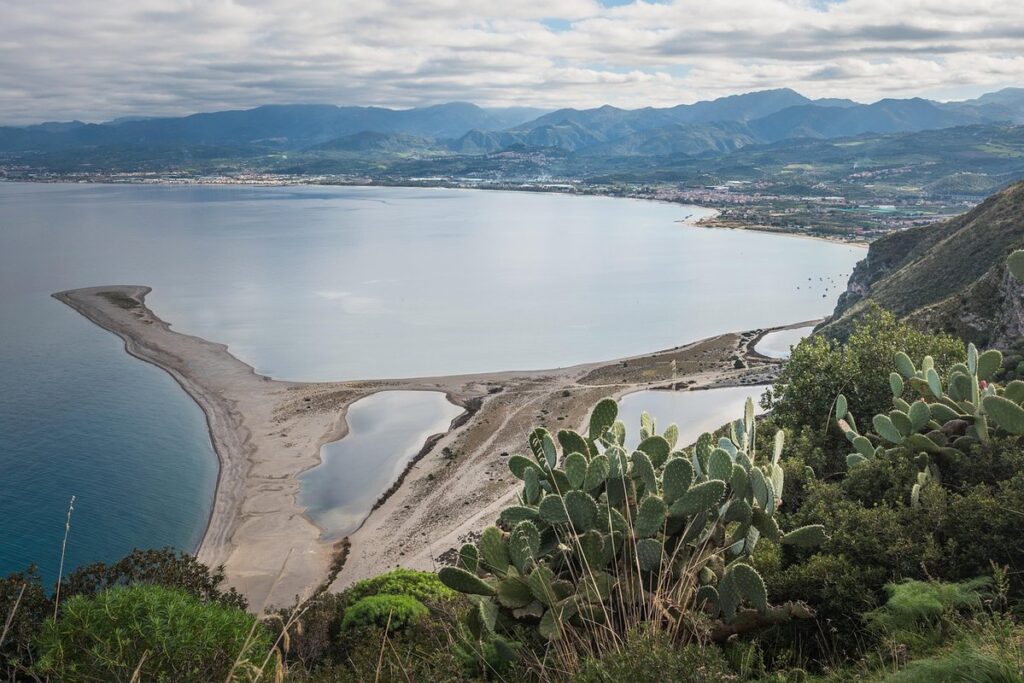
Planning Your Trip to Italy
Before we dive into the daily itineraries, let’s cover some essential planning steps to make your two-week Italian adventure a success from day one. Researching transportation, accommodations, and tour options will save you time and stress on your trip.
Choosing the Best Time to Visit
Visiting Italy during peak season (June to August) offers warm weather, but it also means larger crowds and higher prices. You can expect temperatures to soar, especially in July and August, making it ideal for beachgores and those seeking a lively atmosphere. However, popular destinations like Rome, Florence, and Venice become overwhelming due to the sheer number of tourists.
Prices for accommodations, particularly in central locations, skyrocket during peak season. A small hotel room can cost upwards of €150 per night. Restaurants and attractions also tend to increase their prices, making it essential to plan ahead and budget accordingly. On the other hand, visiting Italy during the off-season (April-May or September-October) means fewer tourists, lower prices, and a more authentic experience.
If you’re looking for pleasant weather without the crowds, consider visiting in late spring (May-June) when temperatures are mild, and wildflowers are in bloom. Alternatively, the shoulder season in autumn (September-October) offers comfortable temperatures, with fewer tourists and a more relaxed atmosphere. Keep in mind that some attractions and businesses may still be closed or operate on reduced hours during the off-season.
Setting a Realistic Budget
Accommodation costs are often a significant portion of an Italian trip budget. Research your options carefully to find a balance between price and location. Consider staying outside of city centers for more affordable rates, but factor in transportation costs to reach popular attractions. A small studio apartment or room in a shared flat can cost anywhere from €40-€70 per night, depending on the region.
Transportation expenses are another key component of your budget. Italy has an extensive public transportation system, including trains and buses. Research routes and prices for the areas you plan to visit. For example, a one-way ticket from Rome to Florence costs around €60-€100, while a return ticket can range from €80-€150. Consider purchasing a rail pass or using budget airlines to save money on long-distance travel.
Budgeting for food is also essential. Eating at local trattorias and osterias is a great way to experience authentic Italian cuisine without breaking the bank. Aim to spend around €15-€25 per meal, and consider purchasing snacks and drinks from local markets rather than tourist areas. Additionally, plan for entrance fees to museums and historical sites, which can range from €10-€20 per person.
Booking Flights and Accommodation
Booking flights and accommodation can be a daunting task, especially when planning a two-week trip to Italy. To start, consider using travel websites such as Expedia, Booking.com, or Airbnb to find affordable options for hotels, apartments, and villas. These platforms often offer discounts, promotions, and package deals that can save you money.
When searching for flights, it’s essential to be flexible with your travel dates, especially if you’re planning to visit during peak season (June to August). Prices tend to rise significantly during this time, so consider flying in the shoulder season (April-May or September-October) for better rates. Look for package deals that include flights and accommodation, as these can often be more cost-effective than booking separately.
Another option is to rent an apartment or villa through websites like VRBO or HomeAway. This can provide a more immersive experience, especially if you’re planning to stay in one location for several days. Be sure to read reviews and check the cancellation policies before making a booking.
Top Destinations in Italy
Italy is a treasure trove of history, art, and architecture, making it a traveler’s paradise. In the next few pages, we’ll take you on a tour of the top destinations to add to your two-week Italy itinerary.
Exploring Rome: The Eternal City
Rome is a city like no other, with its ancient history, stunning architecture, and vibrant culture. As one of the most popular tourist destinations in Italy, Rome is a must-visit for anyone exploring the country. Your two-week itinerary shouldn’t miss the Colosseum, the largest amphitheater in the Roman Empire, where gladiators once fought for their lives. Take a guided tour to learn about its history and significance.
Next, head to Vatican City, an independent city-state within Rome, home to numerous iconic landmarks such as St. Peter’s Basilica and the Sistine Chapel. Be sure to book your tickets in advance to avoid long wait times. The Roman Forum, once the heart of ancient Rome, is another must-see attraction. Explore the Temple of Julius Caesar and the Arch of Titus among other ruins.
Beyond these famous landmarks, discover hidden gems like Piazza Navona, with its beautiful baroque architecture, and Campo de’ Fiori, a charming square filled with cafes and shops. Visit the Pantheon, a magnificently preserved ancient temple that’s still in use today. Consider purchasing a Roma Pass for free entry to several attractions and public transportation discounts to make the most of your time in Rome.
Discovering Florence: Birthplace of the Renaissance
Florence is a treasure trove of art and architecture, making it an ideal destination for those interested in the Renaissance. Start by visiting the iconic Michelangelo’s David at the Galleria dell’Accademia. This towering marble sculpture is a testament to Michelangelo’s exceptional skill and creativity.
Next, head to the Uffizi Gallery, which houses some of the world’s most famous paintings, including Botticelli’s “The Birth of Venus” and Leonardo da Vinci’s “Annunciation.” Be sure to reserve tickets in advance, as this museum attracts large crowds. Allow at least a full day to explore the Uffizi’s vast collection.
Florence’s Duomo is another must-see attraction. This terracotta-tiled cathedral complex dominates the city skyline and offers stunning views from its dome. Visitors can climb the 463 steps for panoramic views or simply admire the architecture from below.
After exploring the city’s art treasures, cross Ponte Vecchio, a medieval stone bridge lined with shops and boutiques. The surrounding Oltrarno neighborhood is home to charming streets, historic buildings, and local artisans showcasing their wares.
Visiting Venice: The City of Water
Venice, a city like no other, is a must-visit destination for anyone traveling to Italy. The City of Water is renowned for its stunning architecture, rich history, and unique cultural experiences. As you wander through the narrow streets and canals, you’ll discover the iconic St. Mark’s Square, where the golden mosaics of St. Mark’s Basilica will leave you in awe.
Take a stroll along the Riva degli Schiavoni waterfront promenade to admire the majestic Doge’s Palace, once the residence of the Venetian rulers. A short walk away lies the breathtaking Grand Canal, the main water artery that snakes through the heart of Venice, lined with ornate bridges and grand palaces.
A romantic Gondola ride is a quintessential Venice experience, gliding under the city’s iconic bridges and passing beneath the stunning Rialto Bridge. Be sure to book your gondola ride in advance, as this popular activity can fill up quickly, especially during peak season. With its ethereal beauty and captivating atmosphere, Venice will leave you enchanted and inspired, making it an unforgettable experience on your two-week Italy itinerary.
Italy Road Trip: Tips and Tricks
Planning a memorable Italy road trip requires more than just a map, so let’s focus on essential tips to help you navigate the country’s winding roads. From fuel efficiency to parking etiquette, we’ve got you covered.
Renting a Car or Campervan
When renting a car or campervan in Italy, consider the type of vehicle and how it will fit your travel style. For example, if you’re planning to drive through narrow Italian streets and parking spaces are limited, a compact car may be a better option than a large campervan. Additionally, ensure that your rental agreement includes insurance coverage, as driving without adequate insurance can result in steep fines.
Driving regulations in Italy require drivers to have a valid license, while foreign visitors must also bring their passport with them at all times when driving. Speed limits vary depending on the location and time of day: typically 90 kph (56 mph) on highways, but lower speeds in urban areas and school zones. Be aware that Italian authorities often issue fines for minor infractions such as exceeding speed limits or failing to display a warning triangle after a breakdown.
Parking options can be limited in larger cities like Rome and Florence, so research your accommodations beforehand to determine the best place to park overnight. Some campsites offer designated parking areas with services such as electricity hookups and waste disposal.
Itinerary Planning for a Two-Week Road Trip
When planning a two-week road trip itinerary for Italy, it’s essential to balance must-see attractions with scenic routes and relaxing overnight stays. Start by selecting a few key regions to focus on – consider the Amalfi Coast, Tuscany, or Umbria for a more leisurely pace. For a road trip, prioritize routes that wind through rolling hills, picturesque villages, and coastal towns, such as the Golden Pass in the Dolomites.
To create a well-rounded itinerary, allocate dedicated days to iconic sites like Rome’s Colosseum or Florence’s Uffizi Gallery. Allocate a full day for exploring Venice, but consider spending two nights in nearby Padua or Verona for added relaxation and local experiences. When choosing overnight stays, opt for family-run B&Bs, agriturismos, or boutique hotels that offer authentic settings and regionally inspired meals.
Keep your driving schedule manageable by setting aside a few half-days for sightseeing and incorporating rest days in between major attractions. Research scenic drives and reserve hotel rooms accordingly – consider booking villas or apartments with kitchen facilities to allow for flexibility and cost savings.
Accommodating Your Vehicle in Italy
Italy has a well-developed system for accommodating campervans and cars. This includes campsites with basic facilities to luxurious ones offering Wi-Fi and swimming pools. However, not all campsites are created equal, so it’s essential to research beforehand.
When selecting a campsite, consider factors like location, size of pitches, and availability of amenities such as water and electricity hookups. Popular campsites often book up quickly during peak season, so plan ahead and reserve in advance. Some campsites also offer private parking areas for cars and motorhomes.
Parking garages are another option, especially in larger cities like Rome or Florence. These typically have a flat daily rate, but be aware that dimensions can vary significantly between garages. A small car might fit comfortably, while a campervan could face issues with height clearances. Designated parking areas for cars and motorhomes exist throughout the country, often near popular tourist attractions.
In Italy’s smaller towns and villages, you’re more likely to find free or low-cost parking options. However, this may mean sacrificing proximity to your destination. Familiarize yourself with local parking regulations to avoid fines.
Italian Culture and Cuisine
Italian culture is deeply intertwined with its culinary traditions, from rich pasta dishes to decadent gelatos. Exploring Italy’s regional specialties will add depth to your travel experience.
Understanding the Local Culture
Italian culture is a vibrant and expressive tapestry of art, architecture, music, and festivals. To truly experience Italy, you must immerse yourself in its rich history and customs. Start by understanding the country’s love for art: from Michelangelo’s iconic Sistine Chapel ceiling to Caravaggio’s dramatic Baroque paintings, Italian art is a masterclass in technique and emotion.
Attend a traditional Italian festival, such as the Ferragosto celebration in Rome or the Venice Carnival, to witness the country’s festive spirit firsthand. Music also plays a significant role in Italian culture – from classical composers like Verdi and Rossini to contemporary artists like Eros Ramazzotti. Familiarize yourself with the local music scene by attending a live performance or exploring traditional folk songs.
When interacting with locals, remember that physical contact is an essential part of Italian social etiquette: expect to be hugged, kissed on both cheeks, or even playfully punched in the arm. Learn basic phrases like “Ciao!” (hello) and “Grazie” (thank you), which will go a long way in showing respect for the local culture. By embracing these customs and traditions, you’ll unlock a deeper appreciation for Italy’s unique charm and character.
Savoring Italian Cuisine
Italian cuisine is renowned for its rich flavors, aromas, and regional specialties. You’ll have ample opportunities to sample authentic dishes during your two-week Italian adventure. Start with a classic carbonara in Rome, then head north to Tuscany for a hearty ribollita soup. In the south, indulge in Neapolitan pizza and fresh seafood.
Regional wines pair perfectly with local cuisine – try a glass of Chianti in Tuscany or a Nero d’Avola in Sicily. Coffee culture is also deeply ingrained in Italian daily life; order an espresso at a bar or café to experience the country’s vibrant atmosphere.
Traditional dishes like pasta, pizza, and gelato are quintessential Italian experiences. However, be adventurous and try regional specialties like risotto alla Milanese (in Milan) or supplì (fried risotto balls filled with mozzarella in Rome). Don’t forget to save room for a scoop of creamy gelato – Italy’s ice cream is renowned worldwide.
When dining at local trattorias or osterias, take note of the menu’s “antipasti” section, which often features small plates perfect for sampling regional specialties. Be prepared for lively conversations with fellow diners and enjoy the convivial atmosphere that comes with sharing meals in Italy.
Safety Tips and Travel Essentials
When traveling through Italy, it’s essential to be prepared for unexpected situations, so pack accordingly and research local emergency services beforehand. Knowing what to do in case of an emergency will give you peace of mind during your trip.
Staying Safe in Italy
Pickpocketing and theft are common issues in Italy’s crowded areas and tourist hotspots. Be mindful of your belongings, especially in busy cities like Rome, Florence, and Venice. Avoid carrying large amounts of cash and opt for credit cards or traveler’s checks instead. Keep a close eye on your bags and wallets, and consider using a money belt to secure your valuables.
Scams targeting tourists are also prevalent in Italy. Be cautious when approached by individuals offering deals on tours or tickets, as they may be trying to part you from your money. Always research activities and attractions beforehand and book through reputable sources. Also, be wary of strangers who try to distract you while an accomplice steals your belongings.
When navigating crowded areas, stay alert and aware of your surroundings. Keep a safe distance from pickpockets by keeping your hands free and being mindful of suspicious behavior. Avoid distractions like looking at maps or taking photos in crowded areas, as these can make you an easy target for thieves. By being vigilant and taking necessary precautions, you can minimize the risk of falling victim to crime while enjoying your time in Italy.
Packing the Right Gear
For a two-week trip to Italy, it’s crucial to pack wisely. Start with essentials like clothing that can be easily mixed and matched – think lightweight pants, tops, dresses, and a few versatile jackets for cooler evenings. Don’t forget comfortable walking shoes or sneakers, as you’ll likely spend most of your time exploring cities on foot. A pair of sandals or flip-flops is also a good idea for warmer days.
In addition to clothing, be sure to pack travel documents, including your passport, visa (if required), and a copy of your itinerary. It’s also a good idea to leave a digital copy of these documents with a trusted friend or family member back home. When it comes to money, consider packing a mix of euros and credit cards – some businesses may not accept card payments, while others may charge foreign transaction fees.
To pack light, aim for one medium-sized suitcase per person and prioritize items that serve multiple purposes. Consider rolling your clothes to save space and use packing cubes or compression bags to keep everything organized.
Conclusion
As you come to the end of your two-week Italy itinerary, take a moment to reflect on the incredible experiences you’ve had. From the iconic canals of Venice to the ancient ruins of Rome, and from the stunning landscapes of Tuscany to the vibrant city of Florence, Italy has undoubtedly left an indelible mark on your heart. This guide has provided you with a comprehensive framework for planning your trip, but remember that the true magic lies in the freedom to explore and discover new things. With this itinerary as your starting point, don’t be afraid to stray from the path and indulge in the local culture, try new foods, and engage with the people. By embracing the unexpected, you’ll create memories that will last a lifetime and make your trip an unforgettable experience.
Frequently Asked Questions
Can I modify this two-week Italy itinerary to fit my interests and budget?
Yes, the guide provides a flexible framework that can be tailored to individual preferences. Consider removing destinations that don’t interest you or adding more time to focus on your favorite places.
How do I handle unexpected expenses or changes in plans during my trip?
Budgeting for emergencies and having travel insurance can help mitigate risks. Stay flexible with accommodation options, transportation, and activities to adapt to changing circumstances.
Can I visit multiple destinations within a day or is it better to spend more time at each location?
While Italy has an efficient public transportation system, traveling between cities can be tiring. Prioritize quality over quantity by spending 2-3 days in each destination, allowing for relaxation and exploration.
What if I want to take a break from Italy’s tourist crowds and experience authentic local life?
Consider visiting smaller towns like Siena, San Gimignano, or Pienza, which offer a more off-the-beaten-path experience. These hidden gems can provide insight into the real Italian culture beyond the major tourist attractions.
What’s the best way to communicate with locals during my trip, especially when I don’t speak fluent Italian?
Download the Google Translate app and learn basic Italian phrases like “grazie” (thank you), “scusa” (excuse me), or “dove posso trovare…?” (where can I find…?). Locals appreciate the effort to communicate in their language, making interactions more enjoyable.

