
Creating a peaceful outdoor space that promotes mindfulness and relaxation is easier than you think. Zen gardening, an ancient Japanese practice, offers a unique approach to cultivating a harmonious environment that brings balance to both body and mind. By embracing the principles of wabi-sabi – the beauty of imperfection – and incorporating natural elements like stone and water, you can create a serene oasis in your own backyard. But what does it take to create a truly zen garden? From understanding its rich history and design philosophies to practical tips on maintenance and upkeep, this comprehensive guide will walk you through every step of the process. By following our advice, you’ll be able to create a peaceful and harmonious outdoor space that encourages mindfulness and relaxation.
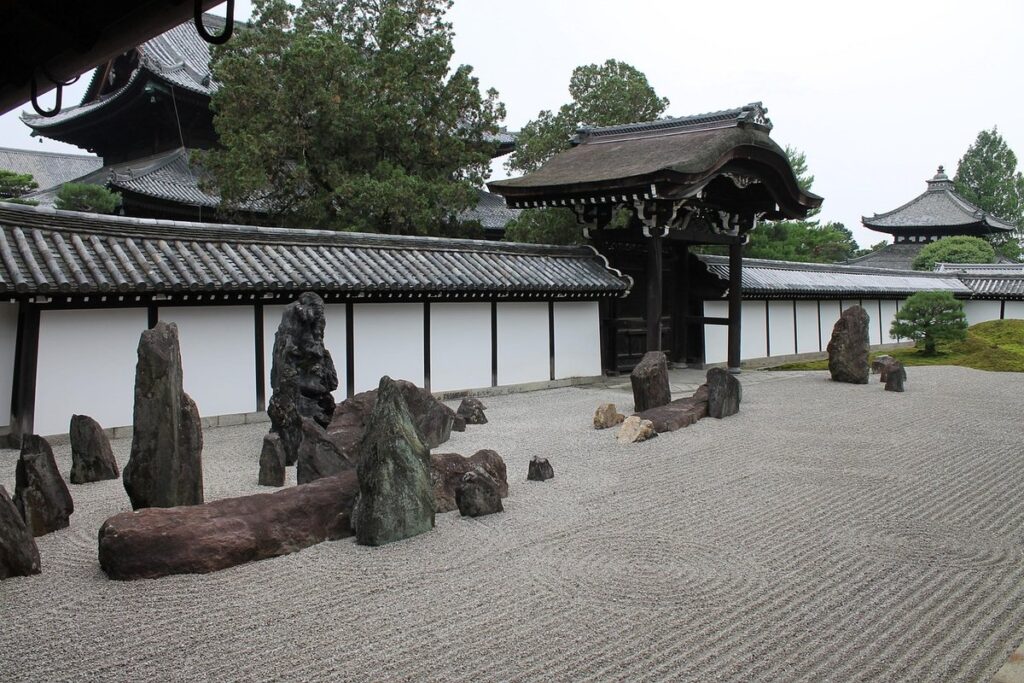
Understanding the Principles of Zen Gardening
At its core, zen gardening is a mindfulness practice that blends nature and design to create a harmonious balance. In this exploration, we’ll examine the fundamental principles that guide this art form.
History and Origins of Zen Gardening
Zen gardening has its roots in traditional Japanese culture and philosophy. The concept of a carefully designed outdoor space for contemplation and meditation dates back to the Heian period (794-1185 CE). During this time, aristocrats would create serene gardens as an escape from the demands of court life. These early Zen gardens were often simple, with a focus on natural materials like stone, wood, and water.
The iconic dry landscape garden, or “kare-zukuri,” emerged during the Edo period (1603-1868 CE). This style, popularized by Japanese masters like Kobori Masakazu, emphasized the use of carefully raked gravel, pruned trees, and strategically placed rocks. The emphasis was on creating a harmonious balance between nature and human intervention.
Influences from Zen Buddhism also played a significant role in shaping the practice of zen gardening. Buddhist principles such as mindfulness, impermanence, and simplicity are reflected in the design and maintenance of these gardens. For example, the careful pruning of trees is seen as a way to reveal the natural beauty beneath the surface, much like the revelation of enlightenment through meditation.
Key Principles of Zen Gardening
In a zen garden, impermanence is a guiding principle. This concept acknowledges that nothing lasts forever, and it’s the acceptance of change that brings peace. Impermanence encourages you to let go of attachments to specific shapes or forms and instead focus on the process of growth and transformation. For example, a zen rock garden might feature carefully placed stones arranged in a temporary pattern, symbolizing the fleeting nature of life.
Another core principle is wabi-sabi, an aesthetic that values imperfections and impermanence. In practice, this means embracing the natural beauty found in weathered wood, moss-covered stones, or worn paths rather than seeking perfection. A zen garden’s simplicity and humility allow it to connect with nature‘s unpredictability.
The concept of yūgen also plays a significant role in zen gardening. This idea emphasizes the mysterious, profound sense of life that comes from accepting imperfection and embracing the present moment. By incorporating these principles into your design, you can create a peaceful space where the beauty lies not in grandeur but in subtlety. To apply this, consider using materials that show wear or weathering, such as driftwood or reclaimed stone, to add character to your garden.
Designing Your Zen Garden
Now that you’ve chosen a tranquil spot for your zen garden, let’s focus on designing it to create a peaceful and harmonious outdoor sanctuary. This involves selecting the right plants, stones, and features to bring balance and serenity.
Creating a Sense of Serenity through Layout and Space
When designing a zen garden, it’s essential to consider the layout and space to create a sense of serenity. The flow of the garden should be carefully planned to guide visitors through the space, evoking a sense of calm and contemplation. Balance is also crucial; avoid cluttering the space with too many features or plants, as this can disrupt the peaceful atmosphere.
Negative space is just as important as positive space in a zen garden. Leaving some areas empty creates visual interest and allows the mind to wander. Consider creating a winding path that leads visitors on a journey through the garden, with deliberate pauses at key features like waterfalls or lanterns. Avoid symmetrical designs, which can feel too perfect and artificial; opt for more organic shapes that blend seamlessly into nature.
To achieve balance, consider the 60-30-10 rule: allocate 60% of the space to calming elements like plants and water features, 30% to neutral elements like gravel or stone, and 10% to focal points like sculptures or lanterns. This ratio creates a harmonious blend of visual interest and tranquility. By thoughtfully designing the layout and space in your zen garden, you can create an oasis that promotes mindfulness and relaxation.
Selecting Plants and Materials
When selecting plants and materials for your zen garden, it’s essential to choose items that promote a sense of calm and serenity. Opt for low-maintenance plant species like mosses, succulents, or Japanese maples, which require minimal watering and pruning. For example, mosses can thrive in shady areas with minimal care, while succulents can survive with infrequent watering.
Natural materials such as stone, wood, and bamboo are also well-suited for zen gardens. Use them to create pathways, water features, or decorative accents that bring a sense of harmony to the space. For instance, smooth river rocks can be used to create a calming water feature, while bamboo can add a touch of natural elegance.
When incorporating these elements into your design, consider the 5-10% rule: allocate 5-10% of your garden’s space for plants and materials that bring visual interest or texture. Balance this with open areas that allow the mind to wander and the eye to rest. By thoughtfully selecting and arranging plants and materials, you can create a peaceful oasis that fosters mindfulness and relaxation.
Plant Selection and Care
Choosing the right plants for your zen garden is crucial, as they should complement its serene atmosphere, so let’s explore some low-maintenance options.
Choosing Low-Maintenance Plants for Your Zen Garden
When selecting plants for your zen garden, it’s essential to choose low-maintenance options that thrive in their environment with minimal care. Native species are an excellent choice, as they have adapted to local climate conditions and require less watering, pruning, or pest management.
For example, in warm climates, succulents like aloe vera and agave are ideal, tolerating full sun and infrequent watering. In cooler climates, consider native grasses like pampas grass or blue oat grass, which can withstand frost and require minimal maintenance.
When evaluating plants, consider their watering needs. Some plants, such as ferns and hostas, prefer moist soil and regular watering. Others, like sedum and yucca, are drought-tolerant and should only be watered during periods of extreme dryness.
In terms of pest management, choose plants that are resistant to common pests in your area. For instance, if you live in an area prone to aphids or whiteflies, select plants with natural defenses against these insects.
Some popular low-maintenance options for zen gardens include:
- Japanese black pine (Pinus thunbergii), which is drought-tolerant and can thrive in poor soil
- Creeping juniper (Juniperus horizontalis), a slow-growing groundcover that requires minimal maintenance
- Ornamental grasses like maiden’s blush grass (Miscanthus sinensis), which add movement and texture to the garden without requiring frequent watering or pruning
Tips for Efficient Watering and Maintenance
To minimize water waste and conserve resources, consider installing a rainwater harvesting system. These systems collect and store rainwater for later use, reducing the need for municipal water supplies. This approach not only helps maintain a balanced ecosystem but also aligns with the principles of zen gardening, which emphasizes harmony with nature.
You can implement efficient watering practices by using soaker hoses or drip irrigation systems. These tools deliver water directly to the roots, reducing evaporation and runoff. For example, a soaker hose can provide up to 50% more efficient watering than traditional sprinklers. To further optimize your system, consider installing a smart controller that allows you to monitor and adjust watering schedules remotely.
In addition to these strategies, incorporate automation tools into your maintenance routine. These devices can detect soil moisture levels and trigger automated watering cycles as needed. This approach not only saves time but also ensures consistent care for your plants.
Creating a Zen Garden in Small Spaces
You may think that creating a serene zen garden is impossible in small spaces, but with careful planning and design, you can bring tranquility to even the tiniest of areas. Let’s explore how to make the most of your compact outdoor space.
Designing a Compact Zen Garden
Compact zen gardens don’t have to be limited by space. Vertical gardening options can make a huge difference. For instance, you can use trellises to train vining plants like clematis or morning glories to grow upwards, maximizing the space above ground level. You can also install wall-mounted planters or shelves to display small pots and succulents.
When designing a compact zen garden, consider the 60-30-10 rule: allocate 60% of your space to greenery, 30% to hardscaping (like stones or gravel), and 10% to focal points (such as a statue or water feature). This balance creates visual harmony without overwhelming the senses.
Space-saving planters come in various shapes and sizes. Opt for ones with built-in irrigation systems to reduce maintenance. You can also repurpose containers like old wooden boxes or terracotta pots to add character to your compact zen garden. To incorporate plants that thrive in small spaces, look into dwarf varieties of shrubs or ornamental grasses. Some popular choices include Japanese maples, boxwood, and creeping thyme.
Incorporating Nature into Your Urban Oasis
Incorporating natural elements into your urban oasis is essential for creating a tranquil and immersive zen garden experience. Start by introducing water features, such as small fountains or bubbling brooks, which can be powered by solar panels to reduce energy consumption. These soothing sounds can help mask city noise and create a sense of calm.
Sculptures and figurines made from natural materials like stone, wood, or bamboo can also add visual interest and depth to your zen garden. Opt for simple designs that promote mindfulness and meditation rather than visually striking pieces that may distract from the space’s serenity.
Wind chimes, another effective way to incorporate nature, can be hung from trees or placed on a wall to create a gentle breeze. Choose wind chimes with soft, melodious sounds that won’t disrupt your peaceful atmosphere.
When selecting natural elements, consider the five elements concept in zen gardening: earth, water, fire, air, and void (or space). Incorporate these elements by using rocks and stones for earth, incorporating water features, adding a lantern or candles for fire, hanging wind chimes or mobiles for air, and leaving empty spaces to represent void.
Some popular options for natural sculptures include Buddha statues, Koi fish ornaments, and minimalist stone carvings.
Zen Gardening as a Therapeutic Activity
Zen gardening has long been recognized for its calming effects, and when practiced intentionally, it can be a powerful tool for stress relief and mental clarity. By focusing on slow, deliberate movements, you can cultivate mindfulness through every step of the process.
Mindfulness and Meditation in the Garden
Incorporating mindfulness and meditation practices into your zen garden design can be a powerful way to cultivate mental clarity and reduce stress. By intentionally designing spaces for mindfulness, you create an environment conducive to quiet reflection and contemplation. Consider incorporating features such as water elements, like small fountains or ponds, which can be especially calming.
You can also use plants with soothing scents, like lavender or jasmine, to promote relaxation. The simple act of pruning or raking gravel can become a meditative activity in itself. Even the act of sitting on a bench amidst nature can induce a sense of calm. For example, the Japanese concept of “shinrin-yoku” (forest bathing) emphasizes the therapeutic benefits of spending time in forests.
To create a space that invites mindfulness and meditation, consider designing a quiet nook or seating area with minimal distractions. Use natural materials like wood or stone to create a sense of authenticity. Avoid clutter and keep the space clean and simple. By incorporating these elements, you can transform your zen garden into a serene oasis for relaxation and contemplation.
Case Studies: Successful Zen Gardens as Therapeutic Spaces
A serene and tranquil atmosphere is precisely what these case studies offer. The Japanese Friendship Garden in San Diego, for example, features a zen garden with carefully raked gravel patterns and strategically placed rocks. This space serves as a meditative oasis amidst the bustling cityscape, providing visitors with an opportunity to unwind and connect with nature.
Similarly, the Brooklyn Botanic Garden’s Cherry Esplanade Zen Garden is designed to promote mindfulness through its harmonious balance of stone, water, and vegetation. The garden’s carefully crafted raked gravel patterns create a sense of order and symmetry, while the presence of natural elements such as trees and a small pond evoke feelings of calmness.
Key features of these successful therapeutic spaces include attention to detail in design, strategic placement of elements to promote mindfulness, and consideration for the surrounding environment. By incorporating these principles into your own zen garden design, you can create a peaceful retreat that fosters mental well-being and relaxation. Consider incorporating natural stone or water features to amplify the calming effects of your space.
Maintenance and Upkeep
As you tend to your zen garden, regular maintenance is crucial to preserve its serenity and beauty. This involves tasks such as pruning plants and raking gravel to maintain a balanced atmosphere.
Seasonal Tasks and Tips for Maintaining Your Zen Garden
Pruning is a crucial task for maintaining a healthy and balanced Zen garden. Regular pruning encourages new growth, shapes the plants, and creates a sense of harmony with nature. In spring, focus on removing dead or damaged branches to prevent disease from spreading. In summer, prune lightly to maintain shape and promote air circulation. For deciduous trees and shrubs, fall is an ideal time for more extensive pruning.
Weeding is also essential in Zen gardening. Regularly remove weeds to prevent them from competing with your plants for water and nutrients. Use a gentle touch when weeding around delicate plants or in tight spaces. In areas with high rainfall or poor drainage, consider installing a French drain or raised beds to reduce weed growth.
Fertilizing your Zen garden should be done thoughtfully. Avoid over-fertilizing, as this can lead to an overabundance of growth and disrupt the balance of your garden. Instead, use natural fertilizers like compost or manure to promote healthy growth without disrupting the ecosystem. In regions with extreme climates, consider using climate-specific fertilizers to ensure your plants receive the necessary nutrients.
In areas with harsh winters, protect your plants from frost damage by applying a layer of mulch or straw. Similarly, in regions prone to intense sunlight, provide shade for sensitive plants during peak sun hours.
Troubleshooting Common Issues in Your Zen Garden
When pests such as aphids, whiteflies, or slugs infiltrate your zen garden, they can quickly spread and cause damage to plants. To prevent infestations, maintain a clean environment by removing debris and weeds that provide shelter for pests. Inspect your plants regularly, and use organic pest control methods whenever possible. For example, introducing beneficial insects like ladybugs or lacewings can help naturally control aphid populations.
Diseases such as powdery mildew or root rot can also affect zen garden plants. Fungal diseases often thrive in humid environments, so ensure good air circulation by pruning overgrown branches and keeping the soil well-drained. Regularly inspect your plants for signs of disease, and treat fungal infections promptly with fungicides specifically designed for organic gardening.
Uneven growth is another common issue that can detract from a zen garden’s serene atmosphere. To promote even growth, fertilize your plants regularly during the growing season, and prune them to maintain desired shapes or sizes. Consider dividing overgrown plants in the spring or fall to prevent nutrient depletion and promote healthy new growth.
Frequently Asked Questions
How long does it take to set up a zen garden?
Setting up a zen garden can take anywhere from a few days to several weeks or even months, depending on the complexity of your design and the time you have available. Start by focusing on essential elements like plants and basic layout, then gradually add more features as you become more comfortable with the space.
Can I create a zen garden in my backyard if it’s not entirely flat?
Yes. While a perfectly flat surface can be ideal for a traditional zen garden, it’s possible to adapt the design to accommodate slopes or uneven terrain. Consult local landscaping professionals for advice on how to integrate your unique yard features into a harmonious and peaceful space.
How do I know which plants are suitable for my climate?
Choosing low-maintenance plants that thrive in your specific climate is crucial for maintaining a serene zen garden. Research native species, consider factors like sunlight requirements and watering needs, and consult with local nurseries or gardening experts to find the best options for your area.
What if I’m not a skilled gardener? Can I still create a beautiful zen garden?
Absolutely. While some knowledge of gardening basics is helpful, creating a beautiful zen garden ultimately requires an understanding of its underlying principles – simplicity, harmony, and balance. Focus on capturing these elements in your design rather than striving for perfection.
How can I incorporate mindfulness practices into my existing outdoor space without completely renovating it?
Incorporating mindfulness practices into your existing outdoor space is easier than you think. Start by introducing small elements like a water feature or wind chime, and gradually add more features as you become more comfortable with the space. You can also experiment with simple mindfulness exercises like deep breathing or walking meditation to enhance your experience.

