
Japanese Zen gardens are serene oases that have captivated visitors for centuries. These meticulously designed spaces, found in temples and monasteries across Japan, embody the principles of Zen Buddhism: simplicity, harmony with nature, and a sense of calm contemplation. Traditional Japanese Zen gardens typically feature carefully raked gravel or sand, strategically placed stones, and sometimes moss or small trees. The significance of these gardens lies not only in their beauty but also in their role as tools for meditation and spiritual growth. In this article, we’ll explore the history and design principles behind traditional Japanese Zen gardens, examine modern interpretations and adaptations, and provide guidance on how to create a Zen-inspired garden at home, allowing you to cultivate inner peace and balance in your own outdoor space.
History and Significance of Zen Gardens
Japanese Zen gardens have a rich history that dates back centuries, with origins rooted in Buddhist philosophy. Understanding their significance provides context for appreciating these serene outdoor spaces.
Origins and Evolution of Zen Gardening
Zen gardening has its roots in 12th-century Japan, where Buddhist monks would create “dry landscapes” to symbolize the fleeting nature of life. These early gardens, known as karesansui, featured carefully raked gravel or sand patterns designed to evoke the natural beauty of mountains and rivers. Over time, Zen gardening evolved to incorporate water features, such as small ponds and fountains, which were meant to represent the cyclical nature of existence.
As Zen Buddhism spread throughout Japan, so did the influence of its gardens. In the 16th century, Zen temples began incorporating more elaborate designs, featuring curved lines and asymmetrical compositions that reflected the imperfections of nature. This shift in design principles was a deliberate attempt to challenge traditional notions of beauty and order, instead embracing the irregularities of the natural world.
Today’s Zen gardens continue to draw inspiration from these early examples, often incorporating natural materials such as stone and wood into their designs. By studying the evolution of Zen gardening over time, designers can gain insight into the core principles of this unique art form: simplicity, impermanence, and a deep connection with nature.
Influence of Nature on Zen Garden Design
Incorporating nature into Zen garden design is a deliberate attempt to create harmony between the human-made space and its surroundings. This emphasis on integration with the environment is evident in the use of natural materials, such as stone, wood, and plants, which are often chosen for their unique textures, colors, and shapes. For example, carefully raked gravel or sand creates a visually appealing contrast to the surrounding foliage, while also serving as a reminder of the impermanence of human intervention.
The design of Zen gardens also takes into account the changing seasons. Gardeners will often intentionally leave areas of the garden untidy, such as fallen leaves or branches, allowing nature to reclaim its own space. This blending of natural and artificial elements is meant to evoke feelings of calmness and contemplation in those who visit the garden.
In a Zen garden, the boundaries between nature and artifice are blurred, encouraging visitors to appreciate the interconnectedness of all living things.
Elements and Features of a Traditional Zen Garden
A traditional Japanese Zen garden is carefully designed to incorporate several key elements that evoke a sense of serenity and balance. These essential features include intricately raked gravel, strategically placed rocks, and ornate bamboo fencing.
The Role of Sand (Raked Sand or Gravel) in Zen Gardens
In a traditional Zen garden, sand or gravel plays a crucial role in creating a sense of calm and serenity. The raked sand or gravel patterns are not just aesthetically pleasing but also symbolize the harmony between nature and human intervention. The act of raking creates intricate designs that reflect the impermanence of life and the fleeting nature of beauty.
The choice of sand or gravel is often deliberate, with different types used to convey specific meanings. For example, white sand may represent purity and simplicity, while gray gravel can symbolize a balance between yin and yang energies. The color and texture of the material can also influence the overall mood of the garden, with darker colors evoking a sense of contemplation.
To create an effective raked sand or gravel design, consider the following tips: use a rake that allows for gentle, sweeping motions; experiment with different patterns and textures; and remember that imperfection is key – avoid creating too-perfect designs. By incorporating these elements thoughtfully, you can create a Zen garden that not only soothes the mind but also reflects the essence of Eastern philosophy.
Water Features in Zen Gardens: Ponds, Fountains, and Streams
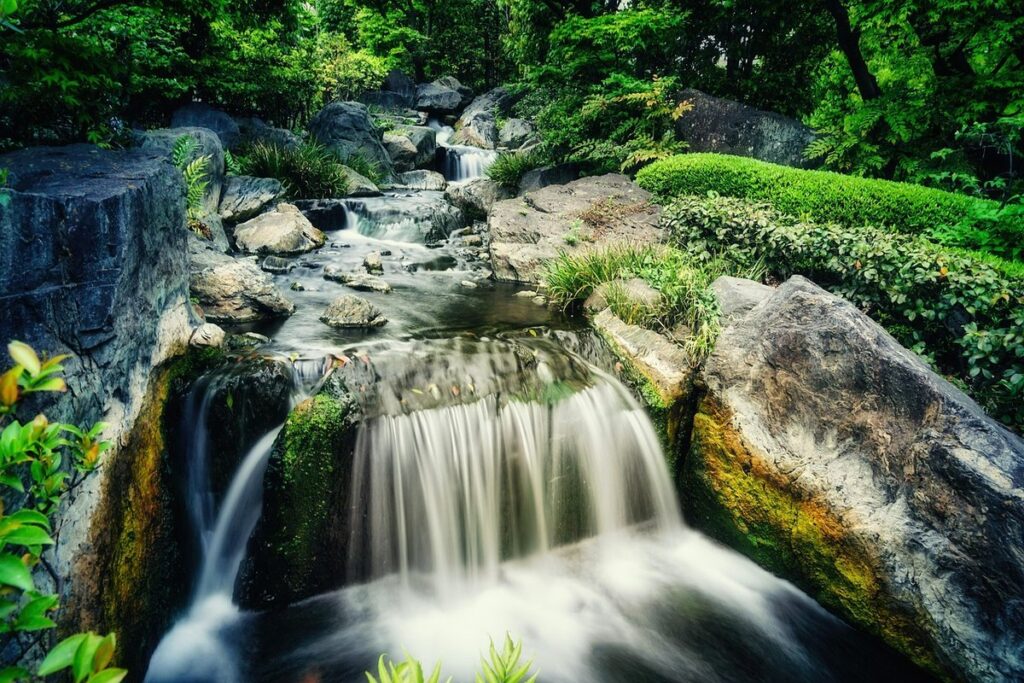
In a traditional Zen garden, water features play a significant role in creating visual interest and promoting relaxation. Ponds, fountains, and streams are often incorporated to bring serenity and tranquility to the space. The gentle sound of running water is believed to calm the mind and soothe the spirit.
Ponds are a common feature in many Zen gardens. They can be simple or ornate, depending on the design. Some ponds have a small island or a waterfall, adding visual interest and creating a sense of drama. Fountains, on the other hand, can range from small, intricately carved stone fountains to larger, more elaborate designs featuring multiple levels.
Streams are another water feature commonly found in Zen gardens. They often wind their way through the garden, creating a naturalistic feel. The sound of running water can be very soothing, and streams can help to create a sense of flow and movement. In terms of design, it’s essential to consider the placement of water features carefully, as they can greatly impact the overall aesthetic and ambiance of the space.
A small pond or fountain can serve as a focal point in the garden, while a larger stream can create a sense of depth and interest.
Design Principles and Techniques for Creating a Japanese-Style Zen Garden
To create a serene oasis, you’ll need to understand the fundamental design principles that underlie traditional Japanese Zen gardens. We’ll explore these key elements next.
Balance and Harmony in Zen Garden Design
Achieving balance and harmony is fundamental to creating a serene and visually stunning Zen garden. In traditional Japanese design, symmetry and asymmetry coexist in a delicate dance. A balanced composition may feature mirrored elements on either side of the central axis, such as two identical trees or stones. However, asymmetrical designs can be just as effective, with carefully placed features creating visual tension that draws the eye.
To achieve harmony, consider the 5-7-5 principle, where five key elements are arranged in a specific configuration to create balance. These might include a central focal point (like a tree or stone), two secondary elements on either side, and two supporting elements at a lower level. The proportions of these elements should be balanced, taking into account the negative space between them.
In Zen garden design, harmony often arises from contrasting elements that work together in harmony. For example, a smooth, curved pathway may be juxtaposed with jagged rocks or a sharp, angular tree branch. By thoughtfully combining and balancing disparate elements, you can create a peaceful and engaging environment that invites contemplation and reflection.
Using Plants, Trees, and Shrubs in Zen Gardens
In a traditional Zen garden, plants, trees, and shrubs are used to create a harmonious balance between nature and design. The selection of these elements is crucial in achieving the desired ambiance and mood. Typically, evergreen plants such as Japanese maple, pine, and spruce are preferred for their year-round foliage and ability to provide structure. Deciduous trees like cherry blossom or plum are also used to add seasonal interest.
When choosing plants, consider the five elements: earth, water, fire, wind, and void. For example, a Zen garden might feature a large stone (earth) surrounded by moss (void), with a small fountain (water) and a few strategically placed lanterns (fire). Trees can be used to create natural barriers or screens, while shrubs like bamboo or juniper can add texture and movement.
When placing plants, trees, and shrubs in a Zen garden, it’s essential to consider the overall layout and balance. Avoid overcrowding and leave space for the eye to wander. A rule of thumb is to group plants by height, with taller elements at the back and shorter ones towards the front. This creates a sense of depth and visual interest.
Modern Interpretations and Applications of Zen Garden Design
Modern Zen garden design is being reimagined by artists and landscape architects who are pushing the boundaries of traditional stone and gravel compositions.
From urban rooftops to private estates, these innovative designs bring tranquility to unexpected spaces.
Contemporary Zen Garden Designs
Modern interpretations of traditional Zen garden design are pushing the boundaries of what’s possible with these serene spaces. Innovative materials and layouts are being used to create unique and contemporary Zen gardens.
One notable trend is the incorporation of sustainable materials, such as reclaimed wood and low-maintenance plants, which not only reduce environmental impact but also add visual interest. For example, a modern Zen garden might feature a raked gravel path made from recycled glass or metal, surrounded by native plants that require minimal watering.
Some designers are also experimenting with non-traditional layouts, such as curved paths and irregular shapes, to create a sense of dynamic movement within the space. This departure from traditional rectangular forms can add visual appeal and encourage contemplation.
In addition to these design choices, modern Zen gardens often incorporate interactive elements, like soundscapes or light installations, which enhance the immersive experience for visitors. For instance, a Zen garden might feature a subtle water feature with soft lighting that creates a calming ambiance at night.
These innovative approaches not only reflect changing lifestyles and environmental concerns but also demonstrate the adaptability of traditional Zen garden design principles to contemporary contexts.
Zen Gardens in Public Spaces: Parks, Landmarks, and Commercial Areas
Zen gardens are increasingly being incorporated into public spaces to promote relaxation and well-being. Parks, landmarks, and commercial areas are ideal locations for these serene oases. For instance, the High Line in New York City features a Zen-inspired garden with carefully raked gravel and strategically placed boulders, providing an escape from the hustle and bustle of urban life.
Similarly, many public parks now include Zen gardens as a way to offer respite from the stresses of daily life. These gardens often incorporate natural elements such as water features, stone lanterns, and carefully pruned plants. The Singapore Botanic Gardens, for example, boasts a stunning Zen garden with a tranquil pond and strategically placed stepping stones.
When designing a public Zen garden, it’s essential to consider the surrounding environment and create a sense of harmony between nature and architecture. This can be achieved by using locally sourced materials and incorporating existing landscape features into the design. Additionally, these gardens should be accessible to everyone, regardless of age or ability. By doing so, they can become community hubs for relaxation and contemplation.
Creating a Zen Garden at Home: Tips and Considerations
To create your own serene oasis, consider the essential elements of designing a zen garden, including balance, harmony, and thoughtful placement of natural features. This section will guide you through those key considerations.
Choosing the Right Location for Your Zen Garden
When selecting a location for your home Zen garden, it’s essential to consider factors that will ensure its longevity and aesthetic appeal. Sunlight is a critical aspect to consider, as most plants and trees used in Zen gardens require partial shade to full sun, depending on the species. Choose a spot that receives direct sunlight for at least four hours a day, but be mindful of extreme temperatures and potential scorching.
Drainage is another crucial factor to consider. A Zen garden with poor drainage can lead to waterlogged soil, which may cause plant roots to rot or create unsightly puddles. Look for a location that has good natural drainage or consider installing a French drain or other irrigation system to redirect excess water.
Accessibility is also vital, as you’ll want to be able to easily tend to your Zen garden without disturbing the surrounding environment. Select a spot with easy access to a water source and proximity to a power outlet if you plan on using electric tools. A flat area with minimal slopes will also make it easier to rake sand or gravel, maintaining the smooth, tranquil surface characteristic of traditional Zen gardens.
When choosing a location, avoid low-lying areas prone to flooding and sites with standing water that can attract pests and create an ideal environment for weeds.
DIY or Professional Installation: Which is Best?
Creating a Zen garden at home requires careful consideration of whether to tackle the project yourself or hire a professional. While DIY enthusiasts may enjoy the process and cost savings, hiring a professional can ensure accuracy and authenticity in design and installation.
On the one hand, designing and installing a Zen garden yourself allows for flexibility and creativity. You can choose materials and features that fit your specific needs and space constraints. However, this approach requires significant time and effort to learn about traditional Japanese garden design principles and techniques. Additionally, making mistakes or missteps in the design process can be costly and time-consuming to correct.
On the other hand, hiring a professional designer or installer brings expertise and precision to the project. They will have knowledge of traditional Zen garden designs, materials, and construction methods. Professionals also typically offer warranties for their work and are accountable for any mistakes. However, this option is often more expensive than DIY installation, and you may sacrifice some creative control over the final design.
To make an informed decision, consider your budget, time commitment, and desired level of authenticity in your Zen garden design.
Frequently Asked Questions
Can I use artificial turf in my Zen garden?
Yes, while traditional Zen gardens often feature natural materials like sand and gravel, artificial turf can be used as a low-maintenance alternative. However, consider the potential impact on the overall aesthetic and symbolic meaning of your garden.
How do I incorporate sound into my Zen garden design?
Incorporating water features or wind chimes can create a soothing atmosphere in your Zen garden. Consider the placement and volume of these elements to achieve a balance between serenity and visual interest.
What if I have limited space for a traditional Zen garden? Can I still create a mini version?
Yes, you can create a mini Zen garden, even in small spaces like balconies or patios. Focus on essential elements like raked sand, water features, or strategic plant placement to achieve a sense of calm and balance.
How often should I rake the sand or gravel in my Zen garden?
Rake your Zen garden regularly, ideally after rainfall or watering, to maintain its signature look and promote relaxation. However, avoid over-raking, which can create an unnatural appearance.
Can I use Zen garden design principles for non-traditional spaces like indoor gardens or courtyards?
Yes, the principles of balance, harmony, and simplicity that guide traditional Zen garden design can be applied to various spaces, including indoor gardens and courtyards. Adapt these principles to suit your unique environment and create a peaceful oasis.

