
Winter can be a challenging time to keep kids engaged and active, but with a little creativity, you can turn the cold season into an opportunity for fun and adventure. Many parents struggle to find ways to get their children outside during the winter months, when temperatures drop and daylight hours are scarce. However, it’s essential to provide kids with regular physical activity and mental stimulation, even in the midst of winter. Not only does this help prevent boredom and cabin fever, but it also supports overall health and well-being. This article will explore a range of engaging winter activities for kids, from outdoor adventures like snowball fights and sledding to indoor games and crafts that promote physical activity, mental health, and family bonding during the cold season.
Introduction to Winter Fun
Winter is a magical time for kids, full of possibilities for adventure and fun. Let’s start by exploring some exciting outdoor activities perfect for little ones of all ages.
What Makes Winter Activities Special for Kids?
Winter activities offer a unique and exciting experience for children, providing opportunities for exploration, creativity, and bonding with family and friends. Unlike other seasons, winter’s chill brings a sense of adventure and possibility to outdoor play.
In the snow, kids can create their own worlds, from intricate snow forts to elaborate snowmen. They can engage in imaginative games like “snowball tag” or “snow treasure hunt,” exercising their creativity and problem-solving skills. Winter activities also promote physical activity, such as sledding and skiing, which are essential for developing gross motor skills and getting kids moving.
Moreover, winter activities offer a chance for family bonding and making memories together. Whether it’s building a snowman or having a friendly snowball fight, these shared experiences create lasting impressions on children. Additionally, indoor winter activities like arts and crafts provide an outlet for creativity and self-expression, allowing kids to explore their artistic side. By embracing the magic of winter, parents can help their children develop essential skills while creating lifelong memories.
Importance of Outdoor Play in Winter Months
Getting outside during the winter months is crucial for kids’ physical activity. Regular outdoor play helps maintain a healthy weight and reduces the risk of obesity. In contrast to indoor activities, outdoor play in winter encourages more vigorous exercise, such as running and jumping in snow. This type of physical activity also promotes flexibility and coordination.
Beyond physical benefits, outdoor play has a significant impact on mental health. Exposure to natural light during winter months can help alleviate seasonal affective disorder (SAD) symptoms. Additionally, the fresh air and change of scenery from indoor environments can improve mood and reduce stress levels in children.
Outdoor play also supports social development by providing opportunities for kids to interact with peers. Joining friends or family members for winter activities like snowball fights, sledding, or ice skating encourages teamwork, communication, and problem-solving skills. When planning outdoor winter activities, consider including a variety of games and challenges that promote physical activity and social interaction.
Snowy Fun: Classic Winter Activities for Kids
When it comes to winter fun, classic activities never go out of style. We’ll explore some timeless and engaging ways kids can enjoy the snow, from building forts to making snowmen.
Building a Snowman or Snow Fort
When building a snowman or snow fort, creativity knows no bounds. Start by gathering materials: sticks for arms and branches for support, rocks for eyes and a mouth, and of course, plenty of fresh snow. A good base is essential – pack the snow down tightly to create a stable foundation. For a snowman, use three large balls of varying size to create the body, middle, and head sections.
To add some personality to your snowman, try using natural materials like pinecones, leaves, or even small twigs for decoration. You can also get creative with accessories like hats, scarves, or even a carrot nose. For a more ambitious project, build a snow fort by packing the walls tightly and creating a doorway. Use sticks to create windows and doors for an authentic look.
Some important tips to keep in mind: use plenty of water to bind the snow together, and avoid building on slopes or uneven terrain that might cause your structure to collapse. With these simple steps and a bit of imagination, you can create a winter wonderland that will delight kids of all ages. For added fun, try building multiple snowmen or forts in different shapes and sizes, and have a friendly competition to see who can build the tallest or most elaborate one.
Sledding and Tubing: A Winter Thrill
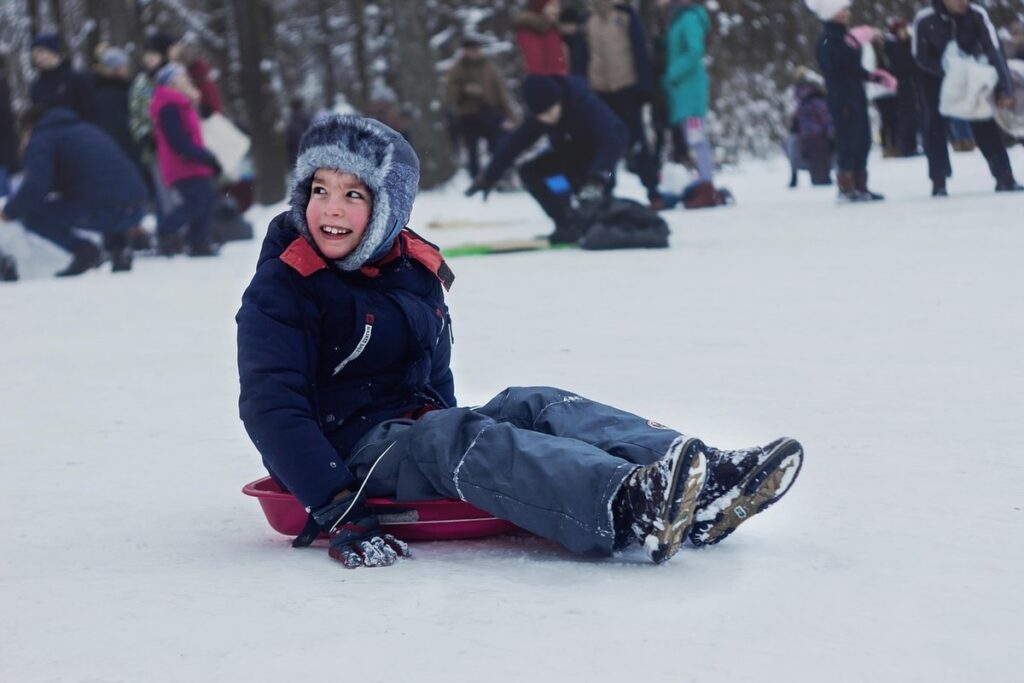
Sledding and tubing are exhilarating winter activities that kids adore. The thrill of speeding down a snowy hill on a sled or tube is an experience they’ll cherish for years to come.
Before hitting the slopes, ensure you’re at a safe location. Look for hills with gentle inclines and wide open spaces, away from roads, trees, and other obstacles. Many local parks, ski resorts, and designated sledding areas offer perfect spots for kids to get their adrenaline pumping. Consider visiting nearby lakes or rivers during winter months, as they often have natural ice formations suitable for tubing.
When it comes to safety, always supervise your child while they’re sledding or tubing. Make sure they wear warm clothing, including hats, gloves, and sturdy boots. A helmet is also a good idea, especially if the hill has steep inclines or obstacles. Encourage kids to sit up straight on their sleds or tubes, with feet forward and hands grasping the handlebars.
To add an extra layer of fun, consider creating a friendly competition among family members or friends to see who can reach the bottom of the hill first. You can also set up a designated tubing course with cones or markers to create a more exciting experience.
Ice Skating: A Classic Winter Pastime
Ice skating is a beloved winter activity that kids of all ages can enjoy. To get started, find an outdoor ice rink or frozen pond with a smooth surface and adequate space to skate. Make sure to dress warmly, including hats, gloves, and scarves, as cold temperatures can be unforgiving.
Beginners may feel more comfortable using ice skates with a lower center of gravity, such as those designed for hockey. As they gain confidence, they can switch to figure skating or freestyle skates. It’s essential to wear helmets and knee pads for added protection against falls.
If your child is new to ice skating, consider taking lessons from a qualified instructor. Many community centers and rinks offer group or private sessions tailored to specific age groups and skill levels. Some rinks also have designated “beginner areas” with gentle slopes and soft landings.
When selecting an ice rink, look for those that are well-maintained and equipped with amenities like snack bars, restrooms, and warm changing rooms. This can help create a more enjoyable experience for the whole family.
Indoor Activities for Cold Winter Days
When winter days are gray and chilly outside, it’s time to get creative indoors and find some fun activities that will keep your little ones engaged and happy. From arts and crafts to indoor games and more.
Board Games and Puzzles: Perfect for Snowed-In Days
For families stuck indoors on a snowed-in day, board games and puzzles offer a fun and engaging way to spend quality time together. Classics like Monopoly, Scrabble, and Clue are great options for kids of all ages, but you can also find plenty of kid-friendly alternatives.
Younger children will enjoy simpler games like Candy Land, Chutes and Ladders, or memory-matching puzzles with large pieces. These gentle challenges help build concentration and fine motor skills without becoming frustrating. For older kids, more complex board games like Risk, Settlers of Catan, or Ticket to Ride can provide hours of strategic fun.
If you’re looking for a puzzle that’s both challenging and rewarding, try a jigsaw puzzle with a winter-themed design. These puzzles often have larger pieces and fewer distractions than non-themed puzzles, making them perfect for a cold winter day. To make board games and puzzles even more engaging, consider setting up a cozy game area with blankets, snacks, and hot chocolate. This simple setup can turn an ordinary indoor activity into a special family experience.
Arts and Crafts: Expressing Creativity Indoors
Indoor art projects can be a great way to keep kids engaged and creative during cold winter days. One idea is to set up a space for painting with washable paints and paper, letting kids experiment with different techniques like dripping, splattering, or using sponges to create textures. You can also try making homemade playdough using flour, water, and food coloring for a fun sensory experience.
Another option is to bring out the drawing supplies: crayons, markers, and colored pencils are always a hit with kids. Consider displaying their artwork around the house to encourage them to keep creating. For older kids, consider more complex projects like collage-making or paper-mache art. To make it even more engaging, try setting up a “gallery walk” where kids can walk around and admire each other’s work.
For a more structured approach, you can find plenty of free printables online for winter-themed crafts, such as snowflakes, pinecones, or penguins. Simply print them out, cut along the lines, and let your child decorate with markers or glitter. This is a great way to keep kids entertained on a rainy day or when you’re stuck inside due to inclement weather.
Indoor Obstacle Courses: Active Fun Without the Chill
Creating an indoor obstacle course is a great way to get kids moving and engaged on cold winter days. Unlike outdoor activities, it’s not dependent on weather conditions, so you can set one up regardless of the forecast. To start, gather household items like couch cushions, chairs, and blankets to use as obstacles.
You’ll also need some creativity and imagination to design a challenging and fun course. Think about how kids can crawl through tunnels, climb over foam blocks, or balance on a “tightrope” made from a broomstick and a book. The possibilities are endless, and you can tailor the course to suit different age groups and abilities.
Here’s a simple example of an obstacle course:
- Couch Cushion Crawl: Place couch cushions in a row for kids to crawl through.
- Chair Weave: Set up two chairs with their legs apart, creating a narrow “tunnel” for kids to weave through.
- Blanket Toss: Suspend a blanket between two chairs or tables, and have kids try to toss beanbags or small balls onto it.
Remember to supervise your children while they play on the obstacle course, especially if you’re using any equipment that could cause injury. With a little creativity, you can create an active and engaging indoor activity that’s perfect for cold winter days.
Seasonal Events and Festivities for Kids
Winter is a magical time for kids, and one of the best ways to make it even more special is by celebrating seasonal events and festivities that bring joy and excitement to their lives. Let’s explore some fun ideas!
Winter Festivals and Parades: A Magical Experience
From twinkling lights to festive floats, winter festivals and parades offer a magical experience for kids. These events are a great way to get into the holiday spirit, enjoy live music and entertainment, and sample local cuisine. In many regions, winter festivals and parades take place in December or January, coinciding with popular holidays like Christmas and New Year’s Eve.
Some popular winter festivals and parades include:
- The Tournament of Roses Parade in Pasadena, California
- The Macy’s Thanksgiving Day Parade in New York City
- The Montreal Winter Festival in Quebec, Canada
- The Christkindlmarket in Chicago, Illinois
These events often feature festive decorations, snowflake-shaped cookies, and hot chocolate to keep visitors cozy. Many festivals also offer activities like face painting, crafts, and rides for kids to enjoy. If you’re planning to attend a winter festival or parade with your child, be sure to check the event schedule in advance to catch the most popular attractions.
In addition to these large-scale events, many local towns and cities host their own winter festivals and parades. These smaller gatherings often offer a more intimate and family-friendly atmosphere, making them an excellent choice for younger children.
Holiday Traditions: Making Memories with Family and Friends
Decorating the house with festive lights and decorations is a great way to get kids involved in holiday traditions. Consider making it a family project where everyone gets to contribute to creating a special atmosphere. You can also involve your child in baking seasonal treats like cookies or fudge, which not only makes for delicious snacks but also allows them to participate in the cooking process.
Many families have their own unique holiday traditions that they’ve passed down through generations. Perhaps you and your family could create new ones by trying out different activities together, such as making handmade gifts or cards, singing carols around the piano, or even having a hot chocolate-making contest. These small moments can become cherished memories for years to come.
Some popular seasonal activities that kids enjoy include participating in holiday parades, attending festive markets, and watching holiday movies together. You could also plan a special outing with your child’s friends or classmates, making it a fun and memorable experience for everyone involved.
Outdoor Adventure Ideas for Older Kids
As your little ones grow older, they’re ready for more thrilling adventures that combine fun and exploration. Consider these exciting outdoor activities to enjoy together as a family this winter season.
Snowshoeing: Exploring Winter Trails on Foot
Snowshoeing is a wonderful winter activity that allows older kids to explore snow-covered trails on foot. Unlike skiing or snowboarding, which require specialized equipment and technique, snowshoes are relatively easy to use and can be learned quickly. This makes snowshoeing an excellent option for kids who may not have the physical ability or coordination for more demanding winter sports.
To get started with snowshoeing, you’ll need a pair of snowshoes that fit comfortably around your child’s boots. Look for shoes made from durable materials and with adjustable bindings to ensure a secure fit. You can rent or buy snowshoes at most outdoor gear stores or online retailers.
Before heading out on the trails, make sure your child dresses warmly in layers, including a hat, gloves, and scarf. This will help prevent overheating and discomfort while they’re walking in the cold. It’s also essential to choose trails that are suitable for beginners, with minimal elevation gain and gentle terrain.
Ice Fishing: A Challenging yet Rewarding Experience
Ice fishing is an activity that requires patience, skill, and attention to safety guidelines. Start by choosing a suitable location with access to ice-covered water. Ensure the ice thickness is at least 4 inches for walking and 8-12 inches for driving a vehicle or supporting weight. Teach children how to check the ice for thickness using a tape measure or auger.
Introduce kids to basic fishing gear, such as rods, reels, and bait. Explain the importance of keeping hands warm and dry while handling equipment. Emphasize the need for quiet movements around the ice to avoid startling fish.
To minimize risks, establish clear communication with children about staying close to an adult, not wandering off alone, and being aware of body position on the ice. Use a flotation device or life jacket as an extra precaution.
Beginners can start by trying their luck in shallow waters where fish are more likely to be present. Focus on species like perch or bluegill that are easier to catch. Practice catch-and-release techniques to promote sustainability and respect for the environment.
Planning and Preparing for Winter Activities with Kids
Before you hit the slopes or lace up your skates, it’s essential to plan and prepare for a fun and safe winter experience with your kids. Let’s talk about what to consider when getting ready for winter activities.
Safety First: Essential Tips for Winter Play
When venturing out into the winter wonderland with kids, it’s essential to prioritize their safety above all else. This means dressing them warmly and layered for optimal comfort and protection from cold temperatures, wind, and precipitation. A good rule of thumb is to dress children in at least three layers: a base layer for moisture-wicking performance, a middle layer for insulation, and an outer layer for waterproofing.
Stay hydrated by packing water or hot chocolate in insulated thermoses, and consider bringing energy-rich snacks like granola bars or trail mix. Be aware of changing weather conditions – keep an eye on forecasts and adjust your plans accordingly. For instance, if there’s a chance of heavy snowfall or icy roads, opt for indoor activities instead.
Additionally, familiarize yourself with basic first aid procedures, such as treating frostbite and hypothermia. Know what to do in case of emergencies like slips, falls, or collisions while sledding or ice skating. By taking these precautions seriously, you can minimize risks and ensure a fun-filled winter experience for your little ones. Always supervise children closely during outdoor activities, especially near water or high-risk areas.
Budget-Friendly Ideas for Winter Fun on a Shoestring
You don’t have to break the bank to create unforgettable winter memories with your kids. Many classic winter activities can be enjoyed without spending a fortune. For example, instead of buying expensive sleds or snowboards, use household items like trash bags, cardboard boxes, or even just a piece of plywood to glide down hills. You can also repurpose old skates or borrow them from friends and neighbors.
Another idea is to explore your local community for free winter events, such as tree lighting ceremonies, ice skating rinks, or snow sculpture contests. Pack some hot chocolate and snacks in a thermos or backpack, and you’re all set for a fun outing without any significant expense.
For indoor activities, consider hosting a family game night with board games and puzzles from your own collection or borrow them from the library. You can also get creative with arts and crafts projects using materials like recycled paper, cardboard tubes, and fabric scraps. By getting resourceful and thinking outside the box, you’ll be amazed at how much fun you can have without overspending. Some communities even offer free or low-cost winter activity programs for kids, so it’s worth checking your local listings to see what’s available.
Conclusion: Making the Most of Winter with Your Kids
As you wrap up your winter adventures, now it’s time to think about how to make the most of these special moments with your kids. Here are some practical tips for lasting memories and fun experiences.
Recap of Key Takeaways
To make the most of winter with your kids, remember to prioritize outdoor play as a vital part of their development. Regular physical activity during winter months can boost mood, energy levels, and overall health. Consider incorporating activities that allow them to engage with nature, such as building snowmen or creating snow art.
When planning indoor activities for cold winter days, focus on providing a mix of structured fun and unstructured free time. Board games and puzzles are great options for kids who enjoy problem-solving, while arts and crafts projects can help develop their creativity and fine motor skills. Indoor obstacle courses are another excellent way to keep kids active without exposing them to the chill.
For older kids, consider introducing more challenging activities like snowshoeing or ice fishing. These experiences not only promote physical activity but also teach important life skills such as perseverance, patience, and self-reliance. Don’t forget to prioritize safety first by dressing your child in warm, layered clothing and ensuring they have proper gear for the activity.
In terms of planning and preparation, remember that budget-friendly ideas can be just as enjoyable as expensive ones. Look for local winter festivals or parades that offer free or low-cost activities, and consider DIY projects like making snowflake decorations or having a hot chocolate-making party indoors.
Some key takeaways to keep in mind include:
- Prioritizing outdoor play during winter months
- Providing a mix of structured and unstructured indoor activities
- Introducing challenging activities for older kids that promote life skills
- Prioritizing safety and proper gear when engaging in winter activities
- Being mindful of budget-friendly ideas and local resources
Frequently Asked Questions
Can I modify winter activities for kids with special needs?
Yes, many winter activities can be adapted to accommodate children with physical or cognitive disabilities. Consider consulting with occupational therapists or caregivers to find suitable modifications and accommodations.
How do I balance outdoor play with indoor activities on extremely cold days?
On very cold days, aim for a mix of both indoor and outdoor activities. For example, start the day with some fun indoor games or crafts, then head outside for shorter periods of time to enjoy winter sports like sledding or snowshoeing.
What if I’m not comfortable with ice fishing? Are there other outdoor adventures suitable for older kids?
Yes, there are many alternative outdoor activities that don’t involve ice fishing. Consider snowshoeing, cross-country skiing, or even winter bird-watching – these options offer a great way to explore nature while staying safe.
Can I make snow-related activities more accessible and inclusive for my guests with mobility issues?
Absolutely! For example, you can create a “snow-free” zone in your backyard with artificial turf or a large mat, allowing guests with mobility issues to still participate in snow-themed fun.

