Doing household tasks can be a drag, but it doesn’t have to be. In fact, making chores enjoyable experiences is not only possible but also essential for maintaining a positive attitude towards them. A motivated and enthusiastic approach to daily tasks can lead to increased productivity, reduced stress, and a more pleasant living environment. You might think that household work is inherently dull or tedious, but the truth is, it’s how you approach these tasks that makes all the difference. By incorporating fun elements into your chore routine, you can transform drudgery into something more enjoyable. In this guide, we’ll walk you through a step-by-step process to turn chores into enjoyable experiences and boost motivation.
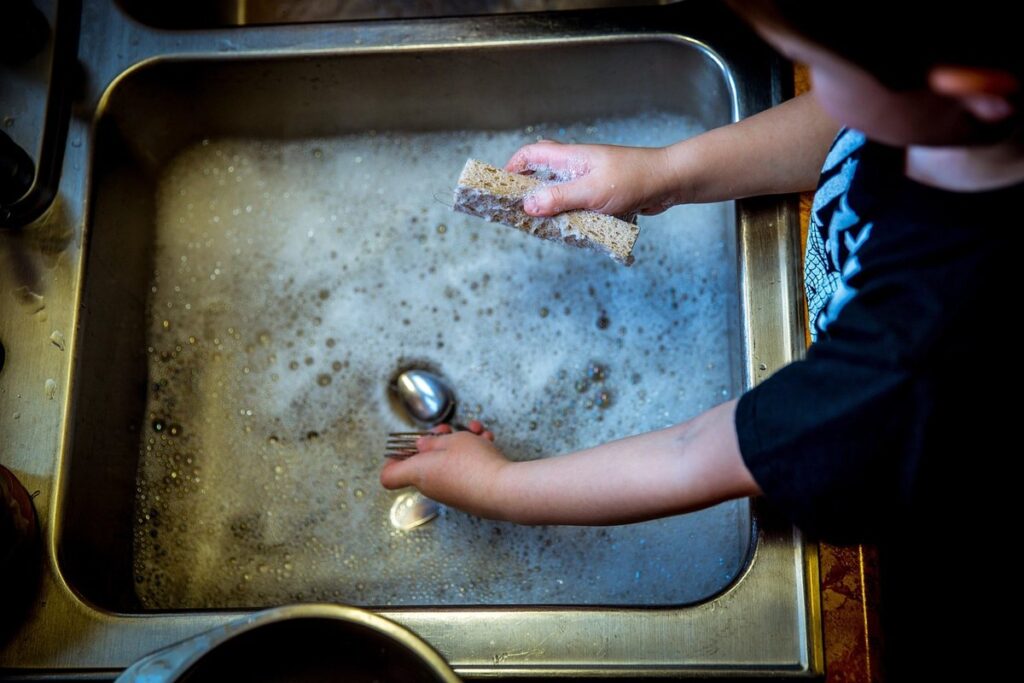
Understanding the Benefits of Fun Chores
When you make chores fun, it’s not just about completing tasks efficiently, but also about developing a positive relationship with cleaning and organization. By focusing on the benefits, we can shift our mindset to see chores as an opportunity for growth.
The Science Behind Making Chores Enjoyable
Research has shown that making tasks enjoyable can significantly boost motivation and productivity. This is because enjoyment activates the brain’s reward system, releasing dopamine and associating the task with pleasure. Conversely, when tasks are perceived as boring or tedious, they activate the brain’s stress response, leading to decreased motivation.
One key concept in this process is flow theory, which suggests that individuals perform best when challenged at a level that allows for optimal engagement and skill utilization. By making chores more engaging through music, movement, or competition, we can tap into this state of flow and increase productivity. For example, listening to upbeat music while cleaning can help synchronize the brain’s motor functions with the task demands, leading to improved efficiency.
To apply these principles in a real-world setting, try incorporating elements that promote enjoyment and challenge. This might involve adding a timer to tasks, creating a competition among family members, or simply allowing yourself to take breaks and engage in enjoyable activities. By acknowledging the psychological factors at play and making intentional design choices, we can transform chores from tedious obligations into engaging experiences.
Overcoming the Guilt Complex Around Chores
The guilt complex around chores is a common obstacle to making household responsibilities enjoyable. Many people feel inadequate if they don’t contribute equally or quickly enough to shared tasks. This mindset can be detrimental, as it creates tension and stress when doing chores.
One way to overcome this guilt complex is by reframing one’s perspective on household responsibilities. Instead of viewing them as a burden or an obligation, try seeing them as opportunities for contribution and growth. This shift in mindset allows you to focus on the benefits of contributing to the household, rather than dwelling on feelings of inadequacy.
Practice self-compassion when making mistakes or struggling with tasks. Acknowledge that it’s okay not to be perfect, and that everyone has different strengths and abilities. By embracing this perspective, you can reduce your guilt and anxiety around chores, allowing you to approach them with a more positive attitude.
Setting Up a Fun Chore Environment
Now that you have a clear understanding of your child’s personality and learning style, let’s create an engaging environment where they’ll actually want to participate in chores. We’ll cover how to set up a space that encourages fun and responsibility.
Creating a Conducive Atmosphere for Task Completion
When designing a workspace or environment for chore completion, consider the physical and psychological factors that impact productivity and enjoyment. Start by decluttering the area to create a sense of calmness and reduce distractions. A clear and organized space helps maintain focus on tasks at hand.
Use good lighting and ensure it’s not too harsh or dim. Proper illumination can boost energy levels and mood. Consider playing calming music in the background, but avoid loud or distracting sounds that might disrupt concentration.
Minimize digital distractions by turning off notifications or using website blockers while working on chores. A clutter-free and distraction-minimized environment helps you stay engaged and motivated. Make it your own by adding plants, artwork, or other personal touches that bring a sense of comfort and joy.
For family members, consider creating separate workstations for each individual to maintain independence and flexibility. This allows everyone to tackle tasks at their own pace without feeling overwhelmed or competing with others. By tailoring the environment to individual needs, you can create a more enjoyable and productive experience for all.
Involving Family Members in the Process
Involving family members in the process of making chores fun can be a game-changer for household harmony. When everyone contributes to creating a chore-friendly environment, it fosters teamwork and bonding among family members. Start by assigning tasks that cater to each person’s strengths and interests. For instance, if your child loves music, create a playlist together that gets everyone moving while cleaning.
To make it more engaging, let each family member take turns choosing the task or activity for the day. This way, they’ll feel invested in the process and more willing to participate. Make it a point to acknowledge their efforts and progress regularly. A simple “thank you” or praise can go a long way in boosting morale.
Consider implementing a ‘Chore of the Week’ system where each family member takes ownership of a specific task for a set period. This encourages responsibility, accountability, and cooperation among household members. To take it up a notch, turn chores into a friendly competition by setting small rewards or penalties. This can be as simple as extra screen time or a special treat after completing the tasks. By doing so, you’ll not only make chores more enjoyable but also strengthen your family bond in the process.
Turning Chores into Games and Challenges
Now that we’ve covered making chores manageable, let’s talk about making them fun – turning everyday tasks into games and challenges your kids will love!
Gamifying Household Tasks
To gamify household tasks, you can try timer challenges. Set a timer for 10 minutes and challenge family members to complete as many dishes or wipe-downs as possible before time’s up. This creates a sense of urgency and encourages everyone to work efficiently. Alternatively, consider implementing friendly competitions among family members. For example, see who can take out the trash most quickly, or who can load the dishwasher with the fewest errors.
Another approach is to create a “chore rotation” where each person takes on a specific task for a set period, say, a week. This not only divides tasks but also creates an element of anticipation and excitement as family members await their turn. To add variety, you can introduce randomization by assigning different tasks based on a coin flip or drawing slips.
If you’re feeling more adventurous, try incorporating “quest-like” scenarios into your daily routine. For instance, create a list of specific chores that need to be completed within a certain timeframe (e.g., finishing dinner prep before the main course is served). Reward yourself or family members with small prizes when these goals are achieved.
Creating a Reward System for Chore Completion
To create a reward system for chore completion, start by identifying what motivates each family member. Some might be driven by tangible rewards like stickers, stars, or small treats, while others may prefer intangible recognition such as praise, privileges, or extra screen time. Consider creating a point system where individuals earn points for completing tasks on their list, redeemable for rewards when a certain threshold is reached.
For example, a family might establish that 10 points earns a special outing or movie night, 20 points secures a favorite meal, and 30 points grants an extra hour of gaming time. You can also make the reward system more dynamic by regularly reviewing and adjusting it to reflect changing interests and priorities. This approach not only encourages task completion but also helps family members develop a sense of responsibility and self-motivation.
To further boost engagement, consider implementing a “chore champion” or “star of the week” title that recognizes outstanding performance. Displaying completed tasks on a chart or board can also provide visual motivation and help individuals track progress toward their goals. By designing a reward system tailored to each family member’s needs, you can foster a culture of accountability and encourage a more positive attitude towards household responsibilities.
Making Chores More Engaging with Music and Movement
Music and movement can be a great way to make chores more enjoyable, whether it’s dancing while you vacuum or singing along while you scrub dishes. Let’s explore how you can use these techniques to boost your motivation.
The Power of Music in Task Engagement
Music has a unique ability to transform mundane tasks into enjoyable experiences. Research suggests that listening to music while working on chores can boost productivity and motivation. For instance, studies have shown that students who listened to classical music while studying demonstrated improved focus and better retention of material compared to those who studied in silence.
When it comes to household tasks, the right playlist can make a significant difference. Create a personalized soundtrack for your chores by compiling upbeat tracks that get you moving or relaxing melodies that help you unwind. Experiment with different genres and tempos to find what works best for you.
Incorporating music into your chore routine is easy. Try listening to podcasts or audiobooks while vacuuming, folding laundry, or doing dishes. This multitasking approach can make time pass more quickly and make tasks feel less overwhelming. Additionally, consider creating a “chore playlist” that you listen to every week when tackling specific household tasks – this can help create a sense of routine and make the task more enjoyable.
Incorporating Physical Activity into Household Tasks
When it comes to incorporating physical activity into household tasks, the possibilities are endless. You can start by setting a timer and doing a few jumping jacks every time you switch laundry loads or wipe down the kitchen counters. Dancing while vacuuming is another great option – put on your favorite upbeat song and let loose. Even simple movements like stretching or marching in place can make a big difference.
Try incorporating physical activity into tasks that typically involve long periods of standing, such as cooking or cleaning. You could do squats while folding laundry or leg lifts while scrubbing the shower. Remember to keep it fun and not feel obligated to stick to a specific routine – the goal is to get your body moving and make chores more engaging.
Here are some ideas for physical activities you can incorporate into common household tasks:
- Do a set of 10 push-ups every time you take out the trash
- Jump up and down while waiting for the dishwasher to finish its cycle
- March in place or do jumping jacks during long phone calls or while watching TV with family members
Remember, it’s all about finding ways to make chores more enjoyable and interactive. By incorporating physical activity into your daily routines, you’ll be surprised at how much more energized and motivated you feel!
Using Technology to Enhance Chore Experience
Let’s talk about using technology to make chores more enjoyable, from smart home devices to mobile apps that gamify cleaning tasks.
Chore Management Apps and Their Benefits
Chore management apps can be a game-changer for households looking to make chores more enjoyable and efficient. These apps offer a range of features designed to streamline task management and provide a sense of accomplishment when completing household tasks.
Some popular chore management apps include Habitica, Tody, and Choresaurus, each with its unique set of features. For instance, Habitica allows users to assign points and rewards for completed tasks, while also integrating music and social sharing features to make the experience more engaging. Similarly, Tody enables users to create custom routines and schedule reminders for tasks, making it easier to stay on track.
Music integration is another key feature found in many chore management apps. Apps like Choresaurus and ChoreMonster allow users to listen to music or podcasts while completing tasks, creating a more enjoyable atmosphere. Social sharing features, such as uploading progress photos or competing with family members, can also add an element of fun and accountability. By leveraging these features, households can not only streamline their task management but also make chores a more enjoyable experience for everyone involved.
Virtual Assistants for Simplifying Household Tasks
Virtual assistants have become increasingly sophisticated, enabling them to automate a wide range of routine tasks. For household chores, this means that you can delegate tasks like setting reminders, sending notifications, and even controlling smart home devices to your virtual assistant. This not only saves time but also helps reduce the mental load associated with managing multiple tasks.
One of the key benefits of using virtual assistants is their ability to integrate with other smart devices in your home. For example, you can use voice commands to turn on lights, adjust thermostats, or even control security cameras. This level of automation can be particularly helpful for individuals who struggle with physical mobility or have busy schedules.
When choosing a virtual assistant for simplifying household tasks, consider the specific features that matter most to you. Some popular options include Amazon Alexa, Google Assistant, and Apple’s Siri. Experiment with different integrations and see which one works best for your unique needs. By leveraging the capabilities of virtual assistants, you can free up time for more enjoyable activities and make chores feel less overwhelming.
Overcoming Obstacles and Maintaining Momentum
Life can be unpredictable, and unexpected setbacks are bound to happen while trying to make chores fun. How do you bounce back when faced with obstacles?
Managing Stress and Burnout Associated with Chores
Managing stress and burnout associated with chores is a common obstacle many people face. To maintain a positive attitude towards tasks, it’s essential to acknowledge that household responsibilities can be overwhelming. One key strategy for managing stress is to break down large tasks into smaller, manageable chunks. This approach helps prevent feelings of being bogged down by the sheer amount of work.
Here are a few practical ways to apply this technique:
- Divide weekly chores into daily or bi-daily tasks
- Create a schedule that allows for flexibility and adaptability when needed
- Prioritize tasks based on importance and deadlines
Another important aspect is self-care. Make time for activities that bring you joy and relaxation, such as reading, exercise, or spending time with loved ones. This can help counterbalance the emotional toll of household responsibilities.
By implementing these strategies, you can better navigate stress and burnout associated with chores. Remember to regularly review your approach and make adjustments as needed to maintain a positive attitude towards tasks.
Sustaining Motivation Through Regular Review and Adjustment
Regular review and adjustment of chore schedules and strategies are crucial to maintaining momentum and motivation. This process allows you to identify what’s working and what areas need improvement. Set aside time each week or month to assess your progress, and ask yourself: What tasks have become routine? Which ones still feel like a chore? Are there any new challenges or obstacles that require attention?
Consider using a spreadsheet or app to track your progress, noting which tasks take longer than expected or cause more stress than others. This data can help you make informed decisions about adjusting your schedule or strategies. For example, if you notice a particular task is consistently taking up too much time, try breaking it down into smaller, more manageable chunks.
Another approach is to involve family members in the review process. Discuss what’s working and what’s not, and work together to find solutions. This can be a valuable opportunity to share ideas and insights, as well as build teamwork and communication skills. By regularly reviewing and adjusting your chore strategies, you can stay motivated and keep making progress towards a more enjoyable and efficient cleaning routine.
Frequently Asked Questions
Can I still use music or movement with chores if my household has noisy neighbors or open floor plan?
Yes, you can adapt the approach to incorporate quieter forms of music or alternative movements that don’t disturb others. Consider using noise-cancelling headphones or choosing instrumental tracks for tasks like cleaning or laundry.
How do I balance creating a fun atmosphere with maintaining a sense of responsibility and accountability among household members?
To maintain accountability while promoting a fun atmosphere, establish clear expectations and consequences for not completing tasks on time. This can be achieved through regular check-ins, setting realistic goals, and making adjustments as needed to ensure everyone’s responsibilities are manageable.
What if some family members resist or refuse to participate in gamifying chores or using technology to manage tasks?
Approach the situation with empathy and understanding. Consider finding alternative ways for resistant household members to contribute, such as focusing on specific areas of the home they’re interested in (like cooking or gardening) or setting aside dedicated time for them to complete tasks at their own pace.
How do I maintain momentum and motivation over a long period, especially during seasonal changes or life transitions when routines may be disrupted?
Regularly review your chore management system and make adjustments as needed. Consider implementing seasonal rotations of tasks or duties to keep things fresh and engaging. Also, communicate openly with household members about any challenges or needs that arise due to external circumstances.
Can I apply the concepts from this guide to tasks outside the home, such as work projects or community service?
Yes, you can adapt these principles to various settings beyond the home. Focus on finding ways to make tasks more engaging and meaningful through incorporating elements like music, movement, or gamification that resonate with your personal preferences and needs in those contexts.