
Winter can be a challenging time for adults, with shorter days and colder temperatures often leading to feelings of isolation and cabin fever. But it doesn’t have to be that way – in fact, winter is an ideal season for outdoor adventures like skiing, snowshoeing, and ice skating, which offer a great way to stay active and connected with nature. For those who prefer to cozy up indoors, there are plenty of games, hobbies, and wellness practices that can help you relax and recharge. Whether you’re looking to plan a winter getaway or simply find new ways to enjoy the season from home, discovering the right activities can make all the difference.
You’ll learn how to make the most of your winter days with our expert tips on outdoor adventures, indoor games, and wellness practices. By the time you finish reading this article, you’ll be able to plan a fun and rejuvenating winter experience that suits your interests and lifestyle.
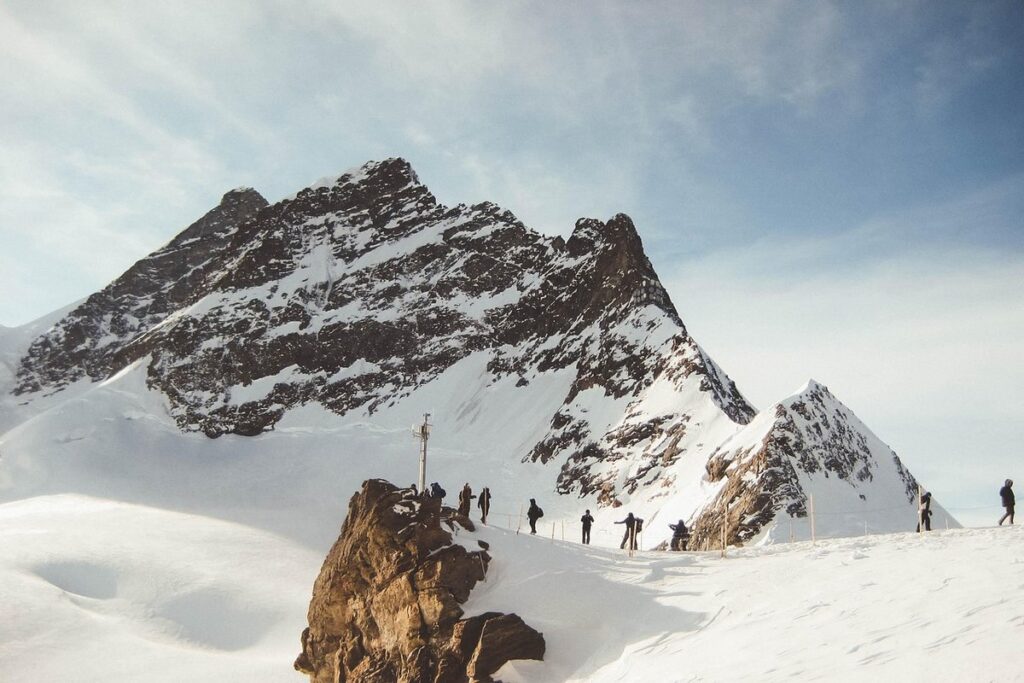
Discovering Winter’s Hidden Gems
Beyond the usual snowshoeing and skiing, there are countless winter activities waiting to be discovered that will help you unwind and recharge. From cozy cafes to snowy landscapes, we’re about to explore some of these hidden gems together!
Why You Should Get Outdoors in Winter
Getting outdoors during winter has a profound impact on both physical and mental well-being. Exposure to natural light boosts vitamin D levels, which is essential for maintaining strong bones and immune function. Even on cloudy days, spending time outside can increase vitamin D production by up to 20% in just 15 minutes.
Beyond the physical benefits, venturing into winter’s chill can also have a profound effect on mental health. Taking regular breaks from indoor routines allows you to clear your mind and reduce stress levels. Research suggests that simply taking a short walk or engaging in outdoor activities for as little as 30 minutes can significantly lower cortisol levels and improve mood.
Perhaps most rewarding, however, is the sense of accomplishment that comes with pushing through winter’s challenges. Whether it’s hiking up a snowy mountain or simply shoveling your driveway, achieving small victories in harsh conditions builds confidence and self-esteem. To reap these benefits, aim to spend at least 30 minutes outside each day. Start with short walks around your neighborhood or local park, and gradually increase the duration and intensity as you become more comfortable.
Choosing the Right Winter Activity
When it comes to winter sports and activities, there’s something for every level of experience and interest. Snowshoeing is a great option for those who want to explore snowy landscapes without needing prior skiing or snowboarding expertise. The difficulty level is relatively low, making it accessible to beginners, while the equipment requirements are minimal – all you need is a pair of snowshoes and some warm clothing.
Ice skating, on the other hand, requires more skill and practice but offers an exhilarating experience for those who enjoy gliding across frozen surfaces. Cross-country skiing is another popular option that works multiple muscle groups and provides a great workout while taking in winter scenery.
When choosing a winter activity, consider your physical abilities and preferences. If you’re looking for something low-impact, snowshoeing or ice skating might be the way to go. For those seeking more of a challenge, cross-country skiing could be an excellent choice. Consider locations with well-groomed trails or frozen lakes and ponds that offer a safe and enjoyable experience.
In terms of equipment requirements, renting gear is often available at ski resorts or local outfitters, making it easy to try out new activities without investing in expensive equipment.
Cozy Indoor Activities for Chilly Days
As winter days grow shorter and colder, it’s the perfect excuse to stay indoors and indulge in some relaxing activities that will warm your heart and soul. Here are our favorite cozy ideas for a chilly day at home.
Board Games and Card Games for Socializing
Tabletop gaming offers a unique way to socialize indoors during chilly winter days. Classics like Monopoly, Scrabble, and poker are popular choices for game nights, providing entertainment and friendly competition. These games encourage interaction, teamwork, and bonding among players, making them an excellent option for adults looking to connect with others.
One of the benefits of indoor games is that they can be tailored to suit different preferences and skill levels. For example, you can opt for a more casual game like cards or dominoes, or try something more strategic like chess or Risk. Hosting a game night is relatively easy: simply invite friends over, set up a few tables with the chosen games, and have snacks and drinks on hand.
To make your game night even more enjoyable, consider setting some ground rules to ensure everyone has a good time. For instance, you can establish a “no winners” rule for certain games or create teams to foster collaboration. This relaxed atmosphere allows adults to unwind, socialize, and have fun together – perfect for those chilly winter days when outdoor activities might be less appealing.
Cooking and Baking Winter Delights
Warm up your kitchen by trying out these hearty stews, soups, and baked goods perfect for winter. Hearty beef stew is a classic cold-weather comfort food. To make it, brown 2 pounds of beef cubes with some oil and seasonings, then simmer them in a rich broth with potatoes, carrots, and onions. For a twist on traditional soup, try making roasted butternut squash soup by pureeing the cooked vegetable with chicken or vegetable stock, cream, and spices.
When it comes to baking, consider making a batch of crumbly shortbread cookies or gooey chocolate chip cookies. These sweet treats are sure to brighten up even the chilliest winter days. For a healthier option, try baking a sweet potato bread filled with nuts and dried cranberries. To make meal planning easier, prep ingredients like chopping vegetables or cooking grains ahead of time.
To save time during the week, consider making a big batch of soup on the weekend and freezing individual portions for future meals. This way, you can enjoy a homemade hot meal without spending hours in the kitchen. Plan out your meals for the week and make a grocery list to avoid last-minute takeout or fast food runs. By cooking and baking winter delights, you can create cozy memories with family and friends while staying warm and nourished inside.
Wellness and Self-Care in Winter
As winter sets in, it’s easy to let self-care take a backseat. However, prioritizing your well-being during these cold months is essential for maintaining energy and resilience throughout the season.
Yoga and Meditation for Stress Relief
As the holiday season unfolds, it’s easy to get caught up in the whirlwind of social events, gift-giving, and family obligations. However, this time of year can also be a perfect storm of stress, anxiety, and burnout. Mindfulness practices like yoga and meditation offer a much-needed respite from the chaos.
Yoga, in particular, is an excellent way to calm your mind and soothe your body during winter’s darker months. Try incorporating gentle flows like Hatha or Yin yoga into your routine. These styles focus on slow, deliberate movements that can help quiet your mind and ease tension in your muscles. You can find plenty of beginner-friendly classes online or follow along with videos at home.
When it comes to meditation, start small by committing to just 5-10 minutes a day. Focus on deep, slow breaths, and try to let go of distracting thoughts. Guided meditations are also an excellent resource – try apps like Headspace or Calm for guided sessions tailored to specific needs, such as stress relief or sleep improvement. Regular practice can have a profound impact on your overall well-being, helping you navigate the holiday season with greater ease and joy.
Creating a Home Spa Experience
Creating a home spa experience is about more than just using expensive products – it’s about creating an atmosphere that allows you to unwind and rejuvenate. Start by setting the mood with soft lighting, calming scents, and soothing music. Create a playlist with nature sounds, classical music, or your favorite relaxing tunes to set the tone for relaxation.
Invest in some face masks and other pampering treatments that work for your skin type. Look for products rich in natural ingredients like honey, avocado, or cucumber. Apply a face mask while you soak in a warm bath or listen to calming music – allow yourself to fully relax and let go of tension.
You can also try using essential oils in a diffuser or adding them to your bath water for an extra layer of relaxation. Lavender and chamomile are popular choices for promoting calmness and reducing stress. Experiment with different scents and find what works best for you. By creating a peaceful atmosphere and taking care of your skin, you can turn any day into a spa day at home.
Winter Sports for Adventure Seekers
If you’re an adventure-seeker, we’ve got good news: winter sports offer endless thrills and excitement. From icy climbs to frozen lakes, get ready to push your limits in the snow.
Ice Climbing and Avalanche Safety
Ice climbing requires a unique set of skills and equipment. To ensure safety, climbers must assess their own abilities and the conditions of the ice. This includes understanding avalanche risks and how to identify potential hazards such as steep slopes, recent snowfall, or unstable ice formations.
Proper gear is essential for ice climbing, including crampons, an ice axe, and a helmet. It’s also crucial to learn basic rescue techniques in case of an emergency. Climbers should familiarize themselves with local regulations, recommended locations, and any necessary permits before heading out.
Some popular destinations for ice climbing include Ouray, Colorado; Mount Rainier, Washington; and the Swiss Alps. When choosing a location, consider factors such as accessibility, difficulty level, and potential avalanche risks.
For those new to ice climbing, it’s essential to take a course or guided tour with an experienced instructor. This provides an opportunity to learn essential skills, gain hands-on experience, and assess personal abilities in a safe environment. A good guide can also help identify potential hazards and make informed decisions about route selection.
Snowmobiling and Dog Sledding Adventures
Snowmobiling through a frozen forest, the rush of adrenaline as you speed across the snowy terrain, is an experience unlike any other. But to ensure a safe and enjoyable ride, you’ll need to develop basic skills such as navigating icy trails and controlling your machine on varying inclines.
Before embarking on a snowmobiling adventure, make sure you have proper training or experience with operating a sled. Many rental companies offer guided tours for beginners, which can be an excellent way to get familiar with the equipment and learn essential safety guidelines.
Dog sledding is another exhilarating winter activity that allows you to explore vast snowy landscapes at your own pace. However, it requires more planning and preparation than snowmobiling, as you’ll need to consider factors such as weather conditions, trail length, and dog care. Research reputable tour operators that offer dog sledding experiences and familiarize yourself with the equipment and procedures involved.
Some essential gear for both activities includes warm, waterproof clothing, a helmet, and gaiters or goggles to protect your face from wind and snow. Make sure you also know basic first aid and emergency procedures in case of an accident. With proper preparation and experience, snowmobiling and dog sledding can be an unforgettable way to explore winter landscapes and challenge yourself physically.
Planning a Winter Getaway
Before you start booking those ski lessons, let’s talk planning: where should you go and how can you make the most of your winter getaway? We’ve got some tips to get you started.
Choosing the Perfect Destination
When choosing a winter destination, consider what you want to get out of your trip. If you’re an adventure seeker, look for places with varied terrain and opportunities for activities like skiing, snowboarding, or ice climbing. Accessibility is also crucial – some destinations may require significant travel time or be harder to navigate due to weather conditions.
Local culture can greatly impact your experience. Some towns and cities have a thriving winter scene with events, festivals, and activities that cater specifically to tourists. Research the local culture and plan accordingly. For instance, if you’re visiting a town famous for its hot springs, consider booking accommodations nearby to make the most of your visit.
Consider factors like altitude sickness when planning high-altitude trips. If you’re not experienced with winter sports or terrain, opt for destinations that offer gentle slopes and beginner-friendly facilities. Some popular options include the Rocky Mountains in Colorado, Lake Tahoe in California/Nevada, or Whistler in British Columbia. Evaluate each destination based on your skill level, interests, and preferences to ensure a fun and enjoyable experience.
Essential Gear and Packing Tips
When packing for a winter getaway, it’s essential to prioritize clothing layers that can be mixed and matched. Aim for a combination of breathable base layers, insulating mid-layers, and waterproof outerwear. Consider the activity level and weather forecast for each day to adjust your packing list accordingly.
For safety gear, don’t forget to bring essentials like a first aid kit, flashlight, and extra batteries. If you plan on engaging in high-risk activities such as ice climbing or snowmobiling, make sure to pack a helmet, gloves, and any other necessary protective equipment.
Personal items are also crucial to bring along. Pack warm socks, a hat, and scarf to prevent heat loss, as well as any personal medications or emergency contact information. Consider bringing a portable charger for your phone or camera, especially if you plan on taking a lot of photos.
Here are some specific items to consider packing:
• A warm beanie or hat
• Insulated gloves or mittens
• Waterproof snow pants
• Gaiters and gators for keeping snow out of boots
• Extra batteries for headlamps or flashlights
Staying Active with Winter Fitness
As winter sets in, it can be tempting to hibernate indoors, but staying active during the colder months is essential for both body and mind. We’ll share some great ways to stay fit and energized throughout the season.
Indoor Exercise Options for Busy Lives
When winter’s chill sets in, it can be tempting to hibernate indoors. However, regular exercise is essential for maintaining physical and mental well-being, even during the coldest months. Fortunately, there are numerous indoor exercise options that can be done from the comfort of your own home or at a gym.
Bodyweight exercises such as push-ups, squats, and lunges can be modified to suit your fitness level and can be completed in just 20-30 minutes. You can also try yoga or Pilates, which not only improve flexibility but also reduce stress levels. For those who prefer structured workouts, consider investing in a home gym system or joining a local studio offering indoor cycling classes.
If you’re short on time, incorporate high-intensity interval training (HIIT) into your routine. This involves short bursts of intense exercise followed by brief periods of rest. A 7-minute HIIT workout can be just as effective as longer sessions. Consider downloading an app or following a YouTube channel dedicated to indoor workouts for inspiration and guidance.
Remember to consult with a healthcare professional before starting any new exercise regimen, especially if you have underlying health conditions.
Outdoor Workout Ideas for Winter Enthusiasts
When winter rolls around, many adults assume they’ll have to trade their fitness routines for indoor activities. But there’s no reason to stop exercising outdoors just because the temperature drops. In fact, some of the most invigorating and refreshing workouts can be done in the snow.
Snow running, for instance, is a great way to get your heart rate up while enjoying the winter scenery. Simply lace up your waterproof shoes and hit the trails – or find a cleared route near you. Winter hiking is another excellent option, allowing you to take in the breathtaking views from new heights. And if you’re near a frozen lake or pond, why not try ice skating? Not only is it a great workout, but it’s also an exhilarating way to connect with nature.
Of course, exercising outdoors in winter conditions requires some basic precautions. Make sure to dress warmly, including wearing layers and waterproof gear. Be aware of icy patches and slippery surfaces, and choose routes or trails that are well-maintained and less likely to be hazardous. Finally, stay hydrated by drinking plenty of water before, during, and after your workout. With these simple tips in mind, you can enjoy the beauty and invigoration of winter exercise while staying safe.
Frequently Asked Questions
How to Make Time for Winter Activities with a Busy Schedule
Making time for winter activities can be challenging, especially when you have a busy schedule. To incorporate winter activities into your routine, start by identifying one or two activities that you enjoy and can realistically fit into your schedule. Try scheduling them in your calendar, just as you would any other appointment. Begin small, with short sessions, and gradually increase the duration as you become more comfortable.
What if I Have Limited Mobility or Injuries – Can I Still Participate in Winter Activities?
Yes, many winter activities can be adapted to accommodate limited mobility or injuries. For example, snowshoeing is a low-impact activity that can be done at a leisurely pace, while ice skating can be modified to focus on gliding rather than speed. Consider consulting with a healthcare professional to determine the best activities for your specific needs and abilities.
How to Introduce Winter Activities to Children or Non-Sporty Friends
Introducing winter activities to children or non-sporty friends can be a fun experience with the right approach. Start by choosing activities that are low-key and accessible, such as building snowmen or having a hot chocolate party. Gradually introduce more challenging activities, like ice skating or skiing, once they have become comfortable with the basics.
What if I’m Not Comfortable with Certain Winter Activities – Can I Try Something New?
Yes, it’s completely normal to feel uncertain about trying new winter activities. Start by taking small steps, such as watching tutorials or attending a beginner’s class. Many ski resorts and outdoor centers offer lessons for beginners, which can help build confidence and provide a supportive environment to learn.
Can I Combine Winter Activities with Travel Plans – Any Tips?
Yes, combining winter activities with travel plans is a great way to experience new destinations while staying active. When planning your trip, research the local culture, terrain, and weather conditions to ensure that you’re prepared for any activity. Don’t be afraid to ask locals or fellow travelers for recommendations on the best spots to try certain activities.

