Finding new hobbies can be a daunting task for adults, especially when life gets busy. You’ve got work, family, and social commitments to juggle, making it easy to put your own interests on the backburner. But neglecting your personal passions can lead to burnout and a sense of emptiness. As an adult, having hobbies is essential for maintaining motivation, productivity, and overall well-being. However, many people struggle to find activities that bring them joy and fulfillment outside of work or family responsibilities. In this article, we’ll explore practical tips on how to overcome obstacles, explore your interests, and stay motivated in finding and maintaining hobbies as an adult. By the end of this guide, you’ll have a clear understanding of where to start and how to make time for the activities that bring you happiness and fulfillment.
Understanding Why You Need Hobbies
Many people underestimate the impact of hobbies on their lives, but having a fulfilling hobby can boost energy and motivation, leading to a happier you. Let’s explore why hobbies are essential for adults looking to find purpose.
The Benefits of Having a Hobby
Engaging in a hobby has been shown to have numerous benefits for both mental and physical health. For one, hobbies can serve as a stress-reliever, allowing you to temporarily escape from the pressures of daily life. This is particularly important for adults who often experience increased levels of anxiety and burnout. Regularly engaging in activities that bring joy can also help regulate your mood, reducing symptoms of depression.
In addition to its mental health benefits, having a hobby can also improve physical well-being. Many hobbies require regular exercise or movement, such as dancing, hiking, or team sports, which can help maintain cardiovascular health and boost energy levels. Furthermore, activities like gardening or cooking can promote healthy eating habits and provide access to fresh produce.
Having a hobby can also increase productivity and focus by providing a sense of purpose and accomplishment. When you’re engaged in an activity that you enjoy, you’re more likely to stay motivated and dedicated. This can translate to other areas of your life, helping you tackle tasks with renewed energy and enthusiasm.
Overcoming Obstacles to Trying New Things
Many adults face obstacles when trying new hobbies, and it’s essential to address these challenges head-on. One common excuse is a lack of time, but this can be overcome by scheduling hobby time into daily or weekly routines. For instance, instead of watching TV for an hour each evening, dedicate that time to learning a new language or practicing a musical instrument.
Another obstacle is financial constraints. While some hobbies require significant investment, many others are budget-friendly. Consider activities like walking, gardening, or cooking, which can be done with minimal equipment and cost. You can also look into free online tutorials, YouTube videos, or local community centers that offer low-cost classes.
Lack of confidence is another hurdle to trying new things. It’s natural to feel apprehensive when stepping out of your comfort zone, but this shouldn’t hold you back from exploring potential hobbies. Start small by trying a single class or workshop and see how you enjoy it. You can also find online communities or forums where people share their experiences and offer advice.
To overcome these obstacles, it’s crucial to reframe your mindset and prioritize hobby time. Be intentional about allocating resources – whether it’s money, time, or mental energy – towards discovering new interests.
Identifying Your Interests
To truly find your passion, it’s essential to identify what sparks joy and curiosity within you. Let’s start by exploring activities that have piqued your interest in the past.
Reflecting on Past Experiences and Passions
Recalling past experiences that brought joy can be a powerful way to tap into your current interests. Think back to times when you felt completely absorbed and engaged – whether it was hiking through nature, cooking a new recipe, or learning a new language. What did those experiences have in common? Were they social activities or solo pursuits? Did they involve creating something with your hands or exploring new ideas?
Reflecting on these experiences can help you identify patterns and themes that might be hiding beneath the surface of your current interests. For example, if you loved hiking as a teenager but haven’t pursued it since, is there still a part of you that craves connection to nature? If so, could this spark a new interest in gardening or outdoor photography?
Consider keeping a “joy journal” to explore these connections further. Write down specific memories and emotions associated with each experience, then look for commonalities across multiple entries. You might be surprised at the hidden threads connecting your past passions to current desires. By acknowledging and embracing these patterns, you can begin to identify new hobbies that resonate with who you are today.
Exploring Different Types of Hobbies
There are several categories of hobbies that you may find appealing. Creative pursuits, for example, can be a great way to express yourself and bring new ideas to life. This might include activities like painting, drawing, writing, photography, or playing music. Outdoor enthusiasts, on the other hand, often enjoy hobbies that involve nature, such as hiking, gardening, birdwatching, or kayaking.
Intellectual pursuits are another category worth exploring. These can range from learning a new language to studying history, science, or philosophy. You might also consider hobbies like cooking, where you can explore different cuisines and recipes, or woodworking, which combines creativity with practical skills.
To discover which categories align with your preferences, try browsing online forums or social media groups dedicated to specific hobbies. You can also visit local libraries or community centers, which often host workshops or classes on various topics. Another approach is to ask friends or family members about their hobbies and why they enjoy them. By exploring different types of hobbies and considering what resonates with you, you can start to identify potential areas of interest.
Researching Potential Hobbies
When you’re not sure where to start, trying out a few different hobbies can be a great way to see what sparks your interest and ignites your passion. We’ll explore some practical steps for researching potential hobbies that feel right for you.
Online Communities and Forums
When researching potential hobbies online, joining relevant communities and forums can be a great way to learn more about a particular interest. Look for Facebook groups, Reddit forums, and dedicated blogs focused on topics like photography, cooking, or woodworking. These platforms allow you to engage with others who share your passions, ask questions, and gain insights from their experiences.
To find online communities related to your hobby interests, try searching specific keywords on social media platforms or using online directories like Meetup.com. For example, if you’re interested in photography, join a Facebook group dedicated to sharing tips and techniques, or search for local photography meetups in your area. You can also use hashtags on Instagram to discover new photographers and learn about their approaches.
When participating in online forums, be sure to read the community’s rules and guidelines before posting questions or comments. This will help you avoid spamming or overwhelming others with your queries. By engaging with these communities, you’ll not only gain valuable knowledge but also connect with like-minded individuals who can offer support and encouragement as you explore new hobbies.
Local Classes and Workshops
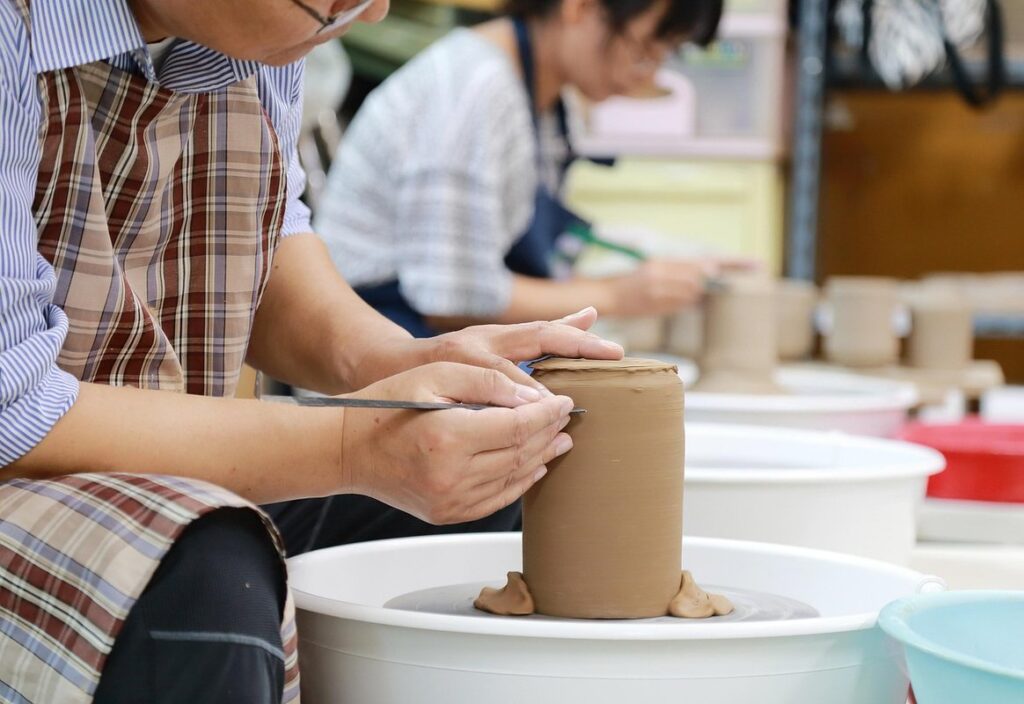
Taking local classes or workshops can be a great way to try out new activities hands-on. Not only do you get to experience the activity firsthand, but you also gain access to guidance and support from experienced instructors. This can be especially helpful for adults who are looking to learn a new skill or hobby, as it provides a structured environment to explore and experiment.
In a local class setting, you’ll typically have the opportunity to interact with others who share similar interests, which can lead to valuable connections and networking opportunities. Additionally, many community centers, gyms, and studios offer classes specifically designed for adults, so you’re likely to find something that suits your schedule and skill level.
Some popular options include painting classes, cooking workshops, dance lessons, or even woodworking courses. When selecting a class, consider what type of activity you enjoy most and what skills you want to develop. Look for classes with small group sizes, as this will allow for more personalized instruction and feedback. Finally, don’t be afraid to try something new – it’s okay to make mistakes, and the experience can be just as valuable as the end result.
Creating Space for Hobbies in Your Life
Making time for hobbies as an adult can be challenging, but it’s essential to prioritize activities that bring you joy and help you grow. Here, we’ll explore practical strategies for carving out space in your busy life.
Time Management Strategies
When it comes to prioritizing hobby time, scheduling is key. Set aside a specific time slot each week for your hobby, whether it’s 30 minutes on Monday evenings or two hours on Saturday mornings. Be realistic about how much time you can commit and stick to it. You can use a planner, calendar app, or even a habit-tracking tool like Habitica to schedule and track your hobby time.
Goal-setting is another essential strategy for making time for hobbies as an adult. Identify what you want to achieve with your hobby, whether it’s improving a skill, creating something new, or simply relaxing. Break down larger goals into smaller, manageable tasks that fit within your scheduled hobby time. For example, if you’re learning a new language through online courses, aim to complete one module per week.
Accountability can also help you stay on track with your hobby schedule. Share your goals and progress with a friend or family member and ask them to hold you accountable. You can also join a hobby group or find an accountability partner online. This can provide motivation and support as you work towards your hobby-related goals.
Budget-Friendly Hobby Ideas
When exploring budget-friendly hobby ideas, consider activities that don’t require a significant upfront investment. For instance, start a journaling practice using a notebook you already have at home. You can also try walking or hiking in local parks, which is free and accessible to everyone.
If you’re interested in crafting, look for second-hand materials like fabric scraps, old buttons, or yarn from thrift stores. Many cities also offer free or low-cost art supplies through community programs. Knitting or crocheting with inexpensive yarn can be a great way to create something while saving money.
Other ideas include gardening with seeds you’ve saved or purchased at a low cost, cooking new recipes using ingredients you already have on hand, or learning a language using free online resources like Duolingo. You can also join a local book club or game night group to socialize and try new things without incurring significant expenses.
These activities not only save money but also allow you to explore your creativity and interests without breaking the bank. By being mindful of costs, you can experiment with different hobbies and find what truly brings you joy.
Embracing Failure and Experimentation
Trying new things can be intimidating, but it’s often through embracing failure that we stumble upon our true passions. Let go of perfection and experiment freely.
The Importance of Taking Risks
Taking calculated risks is essential when exploring new hobbies. It’s natural to feel apprehensive about trying something unfamiliar, but failure should be seen as an opportunity for growth rather than a setback. You can’t discover what you’re passionate about without stepping out of your comfort zone.
The biggest mistake people make is assuming that they’ll automatically know if a hobby is right for them from the start. In reality, it takes time and experimentation to develop skills and figure out what works best. Don’t be discouraged by initial failures – most successful hobbies involve refining techniques and adjusting approaches along the way.
A key aspect of taking risks is being open-minded about potential outcomes. This means embracing a mindset that views failure as an essential part of learning, rather than something to be avoided. When you take calculated risks, you’re not recklessly throwing yourself into unknown territory; you’re making informed decisions and pushing past your comfort zone in a deliberate way.
Here are some strategies for taking calculated risks:
• Set specific, achievable goals for each new hobby.
• Break down larger tasks into smaller, manageable steps.
• Seek out supportive communities or mentors who can offer guidance.
• Be willing to try again after an initial failure – it’s often the next attempt that yields progress.
Iterating and Refining Your Hobbies
As you start exploring new hobbies, it’s inevitable that you’ll encounter some missteps along the way. Perhaps you’ll find that a particular activity isn’t as enjoyable as you thought it would be, or that your skills aren’t improving at the rate you’d like. Don’t worry – this is all part of the process.
Take the example of a person who starts playing guitar but finds their fingers are not cooperating. They might need to adjust their hand positioning or practice more slowly. Conversely, someone who excels in a hobby may want to explore related activities, such as taking on more complex projects or learning from others.
One approach is to regularly evaluate your progress and adjust your strategy accordingly. Ask yourself questions like: What am I enjoying most about this hobby? Are there areas where I feel stuck or frustrated? Can I incorporate elements of other hobbies into what I’m doing?
To iterate effectively, try the following:
• Seek feedback from peers who share similar interests
• Analyze the results of your efforts and identify patterns or areas for improvement
• Be willing to pivot when something isn’t working as planned
Maintaining Motivation and Consistency
As you’ve discovered new hobbies as an adult, it’s normal for motivation to ebb and flow. To maintain momentum, let’s focus on strategies that keep you engaged and consistent in your pursuit of passion.
Setting Realistic Expectations
Setting realistic expectations is crucial when starting a new hobby. It’s easy to get caught up in the excitement of trying something new and promise yourself you’ll spend hours each day practicing. However, this can lead to burnout and disappointment.
Instead, focus on committing to a manageable schedule. Start by setting aside 15-30 minutes each day or 1-2 hours per week for your hobby. This allows you to establish a consistent routine without feeling overwhelmed. Be specific about what you want to achieve in that time – whether it’s practicing a new skill, working on a project, or simply enjoying the activity.
It’s also essential to acknowledge that progress will be slow at first. You won’t become an expert overnight, and that’s okay. Break down larger goals into smaller, achievable milestones. Celebrate your successes along the way, no matter how small they may seem. This will help you stay motivated and encouraged to continue making progress.
To get started, consider setting a “habit stack.” Identify existing habits or activities in your daily routine – such as your morning coffee or commute – and attach your new hobby to them. For example, listen to a language learning podcast during your drive or practice drawing while waiting for the bus. This helps create a sense of continuity and makes it easier to stick to your schedule.
Staying Engaged and Inspired
Staying engaged and inspired is crucial for maintaining motivation and consistency in your hobby. One effective strategy is to find accountability partners who share similar interests. This can be a friend, family member, or coworker you meet up with regularly to work on your hobby together. Having someone to report to and stay accountable with can make a significant difference in your progress.
Another approach is to track your progress through regular check-ins with yourself. Set aside time each week to reflect on what you’ve accomplished, what challenges you faced, and how you overcame them. This helps you identify patterns and areas where you need improvement. You can use a habit tracker app or a journal to record your progress.
Celebrating milestones is also essential for staying inspired. Acknowledge and reward yourself for small victories along the way, like completing a difficult project or mastering a new skill. This positive reinforcement will help motivate you to continue exploring and improving your hobby. Consider setting specific goals and milestones before starting a project, so you can track your progress and celebrate your achievements.
Frequently Asked Questions
Can I apply these hobby-finding strategies to my family or friends?
Yes, the process of discovering new hobbies can be adapted for others in your life. You can explore interests together, attend classes or workshops as a group, and even create a shared hobby schedule.
How do I balance trying new things with maintaining existing commitments (e.g., work, school, relationships)?
It’s essential to prioritize your time and energy when introducing new hobbies into your routine. Consider scheduling dedicated hobby time, starting small, and adjusting as needed to ensure that you’re meeting both new and old responsibilities.
What if my initial hobby attempts don’t yield the expected results or enjoyment?
Don’t be discouraged! Failure is an integral part of learning and growth. Reflect on what didn’t work for you, adjust your approach, and try again with a fresh perspective. It’s also crucial to give yourself time to develop new skills and appreciate the process.
Can I turn my hobby into a side income or career?
Some hobbies can indeed translate into profitable ventures or careers, but it’s not guaranteed. Consider whether your hobby has market demand, if you have the necessary expertise, and how much time and effort you’re willing to invest in turning it into a sustainable business.
How do I know when I’ve found “the right” hobby for me?
You might recognize the perfect hobby by feeling an intense enthusiasm or sense of fulfillment after engaging with it. Pay attention to your emotional responses and physical sensations, as these can signal that you’re on the right track. It’s also important to balance this intuition with realistic expectations about what hobbies can offer.