
Composting toilets are a game-changer for environmentally conscious homeowners who want to reduce their water consumption and minimize waste management costs. These innovative systems collect human waste, allowing it to decompose into nutrient-rich compost that can be used in gardening or repurposed as fertilizer. By using composting toilets, you can significantly decrease your reliance on water and lower your environmental impact. With the right model and setup, these toilets offer a cost-effective solution for households with limited space or those seeking a more sustainable approach to waste management. In this article, we’ll explore what composting toilets are, their benefits, and provide guidance on selecting and installing the ideal model for your needs.
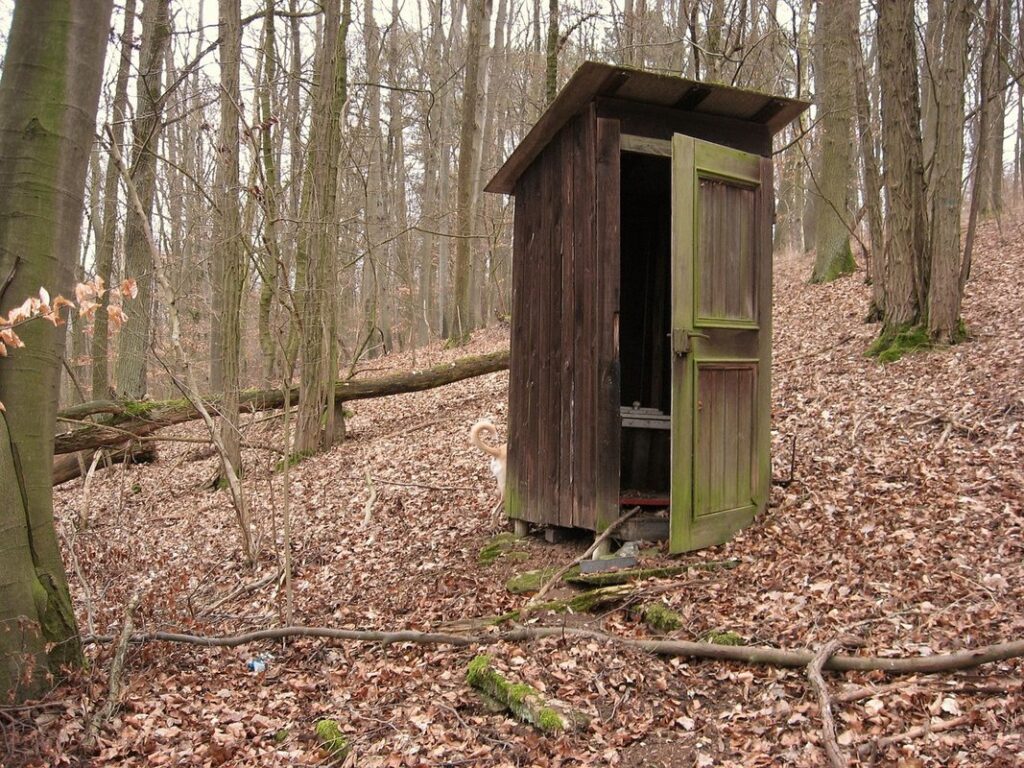
Understanding Composting Toilets
Composting toilets are a type of self-contained toilet that converts human waste into compost, eliminating the need for traditional sewage systems. In this section, we’ll break down how these innovative toilets work and their key benefits.
Definition and Types
A composting toilet is a self-contained unit that manages human waste through natural decomposition processes. The basic function of a composting toilet is to break down organic matter into a safe and stable fertilizer for plants. This process typically involves a controlled environment with adequate oxygen, moisture, and temperature conditions.
There are several types of composting toilets available, each designed to suit specific needs and environments. Self-contained composting toilets are compact units that manage both liquid and solid waste within the same container. They’re often used in remote or off-grid locations where water supply is limited.
Vault composting toilets, on the other hand, store human waste in an underground vault, which requires a deeper installation process. These toilets can be more suitable for homes with large property areas. Urine-diverting dry toilets separate liquid from solid waste, making it easier to manage and reduce odors.
When choosing a composting toilet, consider factors such as space constraints, water availability, and desired maintenance levels. By selecting the right type of composting toilet, you can effectively utilize this innovative technology for sustainable waste management in your home or outdoor setting.
How They Work
Composting toilets use microorganisms to break down human waste into compost. These microbes thrive in oxygen-rich environments and can be found naturally on our skin, in soil, and even in the air we breathe. To facilitate decomposition, composting toilets incorporate aeration systems that circulate fresh air through the waste, allowing microorganisms to multiply and feed on organic matter.
The process begins when human waste enters the toilet’s holding tank. As it breaks down, it releases ammonia and other volatile compounds. These substances evaporate quickly, but they also provide nutrients for microorganisms. The microbes consume these nutrients and produce carbon dioxide, water vapor, and heat as byproducts. Composting toilets often incorporate insulation to minimize energy losses during this process.
The decomposition rate in composting toilets can vary depending on factors such as temperature, humidity, and the type of microorganisms present. Ideal conditions for decomposition typically occur when temperatures range between 130°F (54°C) and 140°F (60°C), allowing most pathogens to be killed within a few weeks.
Benefits of Composting Toilets
Composting toilets offer numerous benefits that can greatly improve your bathroom experience and reduce your environmental footprint. From water conservation to reduced odors, we’ll explore the advantages of making the switch to a composting toilet.
Water Conservation
Composting toilets can significantly reduce water usage, making them an attractive option for areas with limited resources. In many regions, water is scarce, and traditional flush toilets require a substantial amount of water per use. A typical toilet may consume up to 1.6 gallons of water per flush, which can add up quickly in households or communities with multiple users.
Composting toilets, on the other hand, use little to no water for flushing. They work by using natural processes to decompose human waste, reducing the need for water-based sanitation systems. Some composting toilets even use a self-contained system, where the water content of the waste is absorbed into a composting material, eliminating the need for any external water source.
In areas with drought or water restrictions, composting toilets can be a game-changer. They allow households to conserve precious water resources and reduce their environmental impact. For those considering installing a composting toilet, it’s essential to research and choose a model that suits their specific needs and local regulations. This will help ensure a smooth transition to this more sustainable option. By doing so, individuals can make the most of the significant water savings achieved by using a composting toilet.
Reduced Waste Management Costs
Composting toilets significantly reduce the amount of wastewater generated by traditional flush toilets. By separating urine and solid waste streams, these toilets can reduce water usage by 90% or more, depending on the system’s efficiency and user habits. This reduced water consumption has a direct impact on wastewater management costs.
In areas with high population density or limited sewage infrastructure, reducing wastewater volume is crucial for maintaining a manageable treatment capacity. Composting toilets help alleviate this pressure by minimizing the amount of wastewater that requires treatment and disposal. According to some studies, households using composting toilets can save up to 50% on their annual water bills.
The reduced waste management costs are also attributed to the smaller volume of solid waste generated by composting toilets. Since the composted material is rich in nutrients, it can be reused as fertilizer, eliminating the need for chemical-based fertilizers and further reducing operational expenses. This dual benefit – lower wastewater generation and increased nutrient recycling – makes composting toilets an attractive option for remote communities or households seeking to minimize their environmental footprint.
Environmental Impact
Composting toilets significantly reduce greenhouse gas emissions by eliminating the need for sewage treatment plants and reducing energy consumption. In a typical septic system, wastewater is pumped to a treatment plant, where it’s processed and released into waterways. This process requires substantial amounts of energy, typically generated from fossil fuels. Composting toilets, on the other hand, convert waste into a natural fertilizer through aerobic decomposition.
The reduced carbon footprint of composting toilets makes them an attractive alternative for environmentally conscious homeowners. By eliminating the need for sewage treatment plants and reducing energy consumption, households can lower their overall carbon emissions. This not only contributes to a cleaner environment but also helps mitigate climate change. When choosing a composting toilet, look for models with low power requirements or consider installing solar panels to offset any remaining energy needs.
Minimizing chemical use is another key environmental benefit of composting toilets. By avoiding harsh chemicals and additives, households can reduce water pollution from runoff and promote healthier ecosystems. This approach also encourages responsible waste management and promotes a more sustainable relationship between humans and the environment.
Choosing the Right Composting Toilet
When selecting a composting toilet, there are several factors to consider, including your budget, household size, and desired level of maintenance. Let’s examine the key considerations that will help you make an informed decision.
Factors to Consider
When choosing a composting toilet, it’s essential to consider several key factors. Budget is one of the most significant constraints for many households. Composting toilets can range from under $500 to over $5,000, so setting a budget before making a decision is crucial. For example, a basic composting toilet might be sufficient for a single person or couple living in a small apartment.
Space is another critical factor to consider. If you live in a tiny home or have limited outdoor space, you’ll need to select a composting toilet that’s compact and efficient. Some models are designed specifically for small spaces, with vertical composting chambers or self-contained systems.
Family size also plays a significant role in determining the right composting toilet. Larger families will require more frequent emptying of the composting chamber, which may be a challenge for those without access to a garden or yard. In these cases, it’s essential to choose a model with a larger capacity or consider investing in a self-contained system that can handle higher volumes of waste.
Key Features and Technologies
Composting toilets often incorporate heating systems to accelerate decomposition and reduce odors. Some models use thermophilic microorganisms that thrive at high temperatures, breaking down waste efficiently within a few days. This process not only reduces odor but also kills pathogens and weed seeds.
Fan circulation is another feature used in many composting toilets. By circulating air through the composting chamber, these systems help to speed up decomposition by introducing oxygen and removing carbon dioxide gases. Some fan-powered composting toilets can even be installed above or below grade without requiring ventilation shafts.
Some modern composting toilets also come equipped with sensors that monitor temperature, humidity, and carbon-to-nitrogen ratios within the composting chamber. These sensors allow for optimal operating conditions to be maintained, promoting healthy decomposition and minimizing maintenance needs.
The use of activated carbon filters in some composting toilet designs helps to neutralize odors and remove pathogens from the air. This feature is particularly useful in smaller spaces or when the composting toilet is installed indoors. By incorporating these advanced technologies, modern composting toilets can offer improved performance and convenience for users while minimizing environmental impact.
Installation and Maintenance Requirements
Composting toilets require a specific installation and maintenance routine to function properly. Upon arrival, carefully unpack and inspect each component, including the composting unit, control module, and any accessories like the ventilation kit. This step ensures all parts are present and undamaged.
Installation typically involves connecting the toilet to a drain pipe, power source (if electric), and venting system. The location should be well-ventilated, with minimal direct sunlight to prevent overheating. Ensure the composting unit is at least 12 inches away from any combustible materials.
Regular maintenance includes monitoring temperature levels (ideally between 130°F and 140°F) and turning the compost pile every 7-10 days during peak use periods. It’s also crucial to follow the manufacturer’s guidelines for cleaning and descaling the system, as well as checking the control module for any error messages or low-battery alerts.
Proper installation and maintenance prevent odors, contamination, and other issues that can compromise the composting process. Regularly schedule inspections and cleanings to ensure your composting toilet continues to function optimally.
Setting Up Composting Toilets
Now that you’ve learned what a composting toilet is, it’s time to think about how to set one up in your home. Let’s start by covering the essential steps for setting up a composting toilet system.
Preparation and Site Selection
When installing a composting toilet, site preparation and selection are crucial for optimal performance. Begin by evaluating the location’s sunlight exposure – most composting toilets require direct sunlight to dry out the finished compost. A spot with moderate shade is best to prevent overheating.
Next, assess the area’s drainage. Composting toilets need adequate ventilation to work efficiently. Ensure there’s enough space around the unit for airflow and install a vent pipe that extends at least 12 inches above the roofline if you’re in an area prone to high humidity or heavy rainfall.
When selecting a location, consider the proximity to your water source and electrical connections – most composting toilets require a water supply for flushing and some models may need electricity to power fans or lighting. Typically, it’s best to install them at least 10 feet away from any living spaces to minimize odors.
Initial Setup and Start-Up Process
The initial setup process for a composting toilet involves several key steps. First, you’ll need to connect the necessary utilities: water supply and electricity. The water supply is typically connected to a tank or cistern that stores graywater for flushing and other non-potable uses. This connection should be made according to local building codes and regulations.
Next, the composting toilet’s electrical components must be installed and hooked up. This usually includes connecting the power source to the system’s control panel, which regulates temperature, humidity, and aeration levels within the composting chamber. The control panel is critical in maintaining optimal conditions for decomposition and minimizing odors.
Once utilities are connected, you’ll need to initiate the start-up process. This typically involves adding the first batch of carbon-rich materials, such as coconut coir or shredded newspaper, to the composting chamber. You may also need to add a small amount of microorganisms specifically designed for composting toilets to kick-start the decomposition process.
Ongoing Maintenance and Monitoring
Composting toilets require ongoing care to ensure they function properly, so let’s discuss how to maintain and monitor your unit over time. Regular checks are crucial for optimal performance and to prevent any potential issues.
Regular Cleaning and Servicing
Regular cleaning and servicing of the composting toilet are essential for maintaining its health and efficiency. This involves regular desludging to remove excess liquid from the composting chamber. Typically, you’ll need to do this every 1-3 months, depending on usage. To desludge, simply turn off the power (if applicable), disconnect any pipes, and carefully pour out the liquid into a designated container. Be prepared for a strong odor when releasing this waste.
Once desludging is complete, inspect and clean all components, including the composting chamber, fan, and any other removable parts. This should be done using a mixture of water and gentle detergent – never bleach or harsh chemicals. Regular cleaning helps prevent clogging and maintains airflow within the toilet.
In addition to these tasks, always monitor your toilet’s performance and adjust maintenance schedules as needed. For instance, if you notice excessive odors or reduced air flow, it may be time for more frequent desludging or cleaning.
Monitoring Temperature and Moisture Levels
Regular monitoring of temperature and moisture levels is crucial for achieving optimal results with a composting toilet. You’ll want to track both indicators daily, ideally with a thermometer and hygrometer installed within the composting chamber. A typical operating temperature range is between 130°F and 140°F (54°C to 60°C), while maintaining a relative humidity of around 50-70%. This balance allows for efficient decomposition without creating anaerobic conditions that can lead to unpleasant odors.
If temperatures consistently dip below this range, it may indicate an imbalance in the carbon-to-nitrogen ratio or inadequate air circulation. Conversely, if the composting temperature exceeds 140°F (60°C), it could be a sign of excessive moisture levels, potentially leading to mold growth and reduced decomposition efficiency. Regular monitoring also helps you identify any blockages or issues with the ventilation system, ensuring airflow is maintained throughout the process.
By tracking these key indicators, you’ll better understand your composting toilet’s performance and make informed adjustments as needed to maintain optimal conditions. This attention to detail will not only improve the composting outcome but also minimize potential odor issues.
Troubleshooting Common Issues
Some readers may encounter problems with their composting toilet, so let’s address some of the most common issues that can arise during use and maintenance. We’ll walk through troubleshooting tips to get your system up and running smoothly again.
Identifying Problems and Causes
When using a composting toilet, you may encounter issues such as unpleasant odors or poor decomposition. These problems can be attributed to several factors. For instance, inadequate air circulation within the composting chamber can lead to anaerobic conditions, resulting in foul smells and decreased breakdown efficiency.
Another probable cause is insufficient moisture levels. Composting requires a delicate balance of carbon-rich materials (like sawdust) and nitrogen-rich waste. If this ratio isn’t maintained, decomposition slows down, causing unpleasant odors. Regular monitoring of moisture levels can help prevent this issue.
You should also be aware that certain types of waste, such as sanitary products or large quantities of pet feces, can contaminate the composting process. These materials are best disposed of in a separate bin to avoid compromising the entire system.
Proper maintenance is key to resolving these common issues. Regular cleaning and descaling of the toilet’s components will help prevent blockages and keep the air flowing through the system.
Solutions and Precautions
If you notice issues like slow decomposition, unpleasant odors, or inadequate compost quality, it’s likely due to improper usage. A common mistake is adding too much toilet paper, which can lead to anaerobic conditions and reduced breakdown efficiency. To prevent this, aim for a mix of 10-20% “bulking agents” (e.g., coconut coir, sawdust) to 80-90% waste materials.
Another issue arises when users neglect regular maintenance. Composting toilets require regular emptying, typically every few weeks depending on usage. Failure to do so can lead to overloading and reduced compost quality. Regularly inspect your toilet’s sensors, fans, and other components for proper functioning. If you notice unusual noises or odors, address the issue promptly to prevent further problems.
To maintain healthy decomposition, keep the composting area well-ventilated and avoid adding contaminants like chemicals or food waste. Proper usage habits, regular maintenance, and a well-designed composting system will significantly improve your toilet’s performance and ensure a high-quality finished product. By being mindful of these factors, you can optimize your composting toilet and minimize potential issues.
Advanced Composting Toilet Applications
You’re probably curious how composting toilets can be used beyond their basic function, and that’s exactly what we’ll explore next. We’ll delve into some of the more innovative and advanced applications for these eco-friendly toilets.
Large-Scale Systems and Commercial Use
Composting toilets are often associated with residential use, but they can also be effective solutions for large-scale settings such as offices and schools. These systems require careful design considerations to ensure efficiency and hygiene.
In a commercial setting, composting toilets typically need to accommodate higher volumes of waste and meet specific regulatory requirements. This may involve using larger capacity composters or implementing advanced aeration systems to speed up the decomposition process.
One benefit of composting toilets in large-scale settings is reduced water consumption. Commercial buildings can save significant amounts of potable water by using composting toilets, which use little to no water for flushing. Additionally, these systems can also reduce the amount of wastewater generated, lowering the burden on septic systems and municipal sewer infrastructure.
Designers should consider factors such as ventilation, maintenance access, and odor control when specifying a composting toilet system for large-scale use.
Integration with Renewable Energy Sources
Composting toilets can be seamlessly integrated with renewable energy sources to maximize efficiency. One common setup involves pairing a composting toilet with a solar-powered water heating system. This enables users to efficiently heat water for flushing, washing hands, or other household purposes.
In many cases, the heat generated from the composting process itself can also be harnessed and reused. For example, some advanced composting toilets use thermophilic microorganisms to break down organic matter at high temperatures – typically between 130°F and 140°F. This heat can then be captured using a heat exchanger and distributed throughout the home via radiant floor heating or hydronic baseboard systems.
Some notable examples of this integration include off-grid homes in rural areas, where composting toilets paired with solar panels and wind turbines provide reliable and sustainable sanitation solutions. These setups not only minimize water consumption but also reduce energy costs by leveraging renewable sources to power vital household systems. By combining composting toilets with renewable energy, individuals can significantly decrease their environmental footprint while maintaining a comfortable living space.
Frequently Asked Questions
How Often Should I Desludge My Composting Toilet?
Desludging is an essential part of maintaining a composting toilet. The frequency depends on usage and system type, but as a general rule, desludge every 1-3 years for low to moderate use. If you notice decreased performance or unusual odors, it’s best to check the system more frequently.
Can I Use Composting Toilets in Extreme Weather Conditions?
Yes, composting toilets can function effectively in extreme weather conditions such as high temperatures, freezing temperatures, and high humidity. However, it’s crucial to choose a model specifically designed for your climate and follow manufacturer guidelines for operation and maintenance during these periods.
How Do I Know If My Composting Toilet Is Working Efficiently?
Efficient decomposition is indicated by a consistent temperature within the composting chamber (usually between 131°F and 140°F) and minimal odors. Regularly monitor temperature, moisture levels, and system performance to ensure optimal working conditions.
Can Composting Toilets Be Used in Areas With High Water Tables or Seasonal Flooding?
While composting toilets can be used in areas with high water tables or seasonal flooding, it’s essential to consider the site selection and preparation. Ensure the toilet is elevated enough to avoid water damage and that the system is designed for wet conditions. Regular maintenance is also crucial to prevent system failure during these periods.
How Do I Dispose of the Finished Compost?
Finished compost can be safely added to your garden, but ensure it’s fully matured and free from pathogens. Follow local regulations regarding compost disposal and reuse. Some composting toilets come with built-in systems for processing finished compost or indicate when it’s ready for use in gardens or landscaping projects.

