
Vancouver’s coastline offers an unparalleled opportunity to witness humpback whales in their natural habitat. For many, catching a glimpse of these majestic creatures is a once-in-a-lifetime experience that leaves a lasting impression. If you’re planning a trip to Vancouver during whale season, knowing when and where to spot them can make all the difference. Humpback whales migrate through Vancouver’s waters between March and October, with peak viewing months usually occurring in July and August. But what makes this season so special? Not only are humpbacks an incredible sight, but responsible whale watching is essential for both humans and these magnificent animals. In this article, you’ll learn when to spot humpback whales in Vancouver’s waters, discover the best viewing spots, and follow expert tips on how to observe them responsibly. By the end of it, you’ll be well-equipped to make the most of your whale-watching adventure.
Understanding Whale Migration Patterns
To spot whales in Vancouver, it’s essential to understand their migration patterns and how they impact your viewing experience on the water. We’ll break down the key times and places where humpbacks and other whales can be seen.
Why Do Whales Migrate Through Vancouver’s Waters?
Vancouver’s waters are a critical stopover for humpback whales during their annual migration. These gentle giants travel over 12,000 kilometers each year, feeding on krill and small fish in the Gulf of Alaska during the summer months before making their way south to warmer waters near Hawaii and Mexico. However, some individuals have been known to breach these distances, with a small minority venturing into Vancouver’s coastal waters as early as January.
Research suggests that whales are drawn to Vancouver’s rich marine ecosystems, which provide an abundance of food sources during the fall and spring migrations. The nutrient-rich waters surrounding Vancouver Island support a diverse array of marine life, including krill, herring, and anchovies – all crucial components of a whale’s diet. This seasonal presence is also influenced by ocean currents, which carry plankton and small fish into the region’s waters. As a result, it’s not uncommon to spot humpbacks feeding in these areas during specific months, typically between October and April.
What Are the Peak Months for Whale Sightings in Vancouver?
The peak months for whale sightings in Vancouver are typically from March to October, with July and September being the most popular months. During these periods, you can spot humpback whales, orcas, and gray whales in their natural habitat. Many tour operators offer guided tours that coincide with these times, making it an ideal opportunity to witness these magnificent creatures.
One notable event is the annual Whale Festival, held every October in Vancouver. This festival features expert talks, whale-watching excursions, and interactive exhibits that educate visitors about these marine animals. You can also participate in citizen science projects, such as monitoring whale behavior or collecting data on their migration patterns.
In addition to festivals, many tour operators offer specialized tours during peak months, focusing on specific species like humpback whales or orcas. These guided excursions often take place early in the morning or late in the afternoon when whales are most active. Consider booking a tour that coincides with these times for the best chance of spotting these incredible creatures.
Best Places to Spot Whales in Vancouver
If you’re eager to catch a glimpse of these gentle giants, we’ve got you covered: discover the top locations around Vancouver where whales have been spotted regularly.
Stanley Park and English Bay: A Perfect Combination of Habitat and Accessibility
Stanley Park and English Bay offer a unique combination of habitat and accessibility for whale spotting. The park’s seawall provides an excellent vantage point to observe whales feeding on krill and small fish in the Strait of Georgia. Look for viewing areas near the Prospect Point Lighthouse, where you can scan the horizon for blows or spouts.
To make the most of your visit, consider visiting during low tide when more of the park’s shoreline is exposed. This allows you to access rocky outcroppings and beach areas that are ideal for spotting whales. The nearby English Bay also offers great whale-watching opportunities, particularly from the seawall near the English Bay Beach volleyball courts.
Be aware that the park’s seawall can get crowded during peak whale season, so consider visiting early in the morning or late in the evening to avoid large groups of people. Bring binoculars and a camera to capture clear views of whales in their natural habitat. With patience and persistence, you may be rewarded with a glimpse of these magnificent creatures up close.
Pacific Spirit Regional Park and Capilano River: Alternative Spots for Whale Sightings
Pacific Spirit Regional Park and Capilano River offer alternative spots for whale sightings in Vancouver’s outskirts. Both locations provide unique characteristics that can enhance your chances of spotting humpback whales, gray whales, or other species.
Pacific Spirit Regional Park is situated on the shores of Burrard Inlet, offering a more secluded and peaceful atmosphere compared to popular hotspots like Stanley Park. The park’s scenic trails allow for easy access to observation points, providing a chance to spot whales breaching in the distance. Additionally, the park’s varied marine life, including seals and sea lions, adds to its appeal.
Capilano River, on the other hand, is known for its freshwater fish populations, which attract various species of birds, including eagles and ospreys. While it may seem counterintuitive to look for whales near a river, Capilano’s confluence with the ocean creates an environment conducive to whale activity. Be prepared to scan the waters from elevated observation points or along the riverbanks for signs of whale activity. By visiting these lesser-known locations, you can increase your chances of witnessing whales in their natural habitat.
Types of Whales Found in Vancouver’s Waters
As we explore the rich whale-watching scene in Vancouver, it’s essential to know what types of whales can be spotted in these waters. From gentle giants to smaller species, several different whales call this region home.
Humpback Whales: The Most Common Sightings
Humpback whales are a common sight in Vancouver’s waters due to their feeding patterns. These marine mammals migrate north from Mexico and California each summer to feast on krill, plankton, and small fish in the nutrient-rich waters surrounding Vancouver Island. They congregate near areas with high concentrations of food, often near oceanic ridges or underwater canyons where nutrients are trapped.
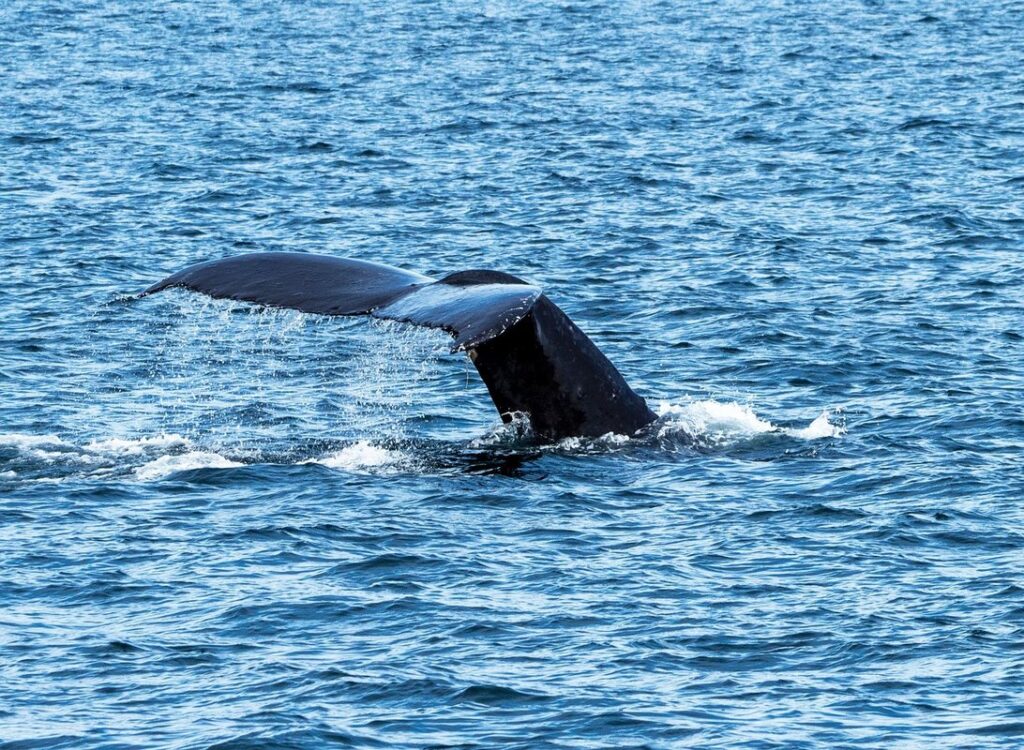
As they feed, humpback whales can be seen breaching, spouting, and slapping their tails on the water’s surface. These behaviors are not only entertaining for whale watchers but also essential for the whales’ survival. By feeding in these areas, humpbacks are able to take advantage of the abundant food sources, which helps them build up energy reserves for their long migrations.
Whale watching tours often focus on areas known for high humpback activity, such as the Strait of Georgia and the Salish Sea. These regions offer ideal viewing conditions due to their proximity to shore and abundance of marine life. By understanding humpbacks’ feeding habits and habitats, visitors can increase their chances of spotting these magnificent creatures during whale season in Vancouver.
Grey and Orca Whales: Less Common But Still Present
Grey and Orca Whales: Less Common But Still Present
While Humpback whales are the stars of the show during whale season in Vancouver, two other species can be spotted less frequently but are still worth noting. Grey whales, which migrate through the area on their way to their summer feeding grounds in the Arctic, can be seen breaching and lobtailing in the waters off Point Atkinson. Orca whales, also known as killer whales, are present year-round but are often seen at a distance. Unlike Humpbacks, Orcas feed on fish and marine mammals rather than krill and small crustaceans.
Grey whales tend to be more solitary travelers, whereas Humpbacks often gather in large groups. In contrast, Orca pods can range from just a few individuals to several dozen, making them one of the most impressive whale-watching sights. Both species are also less vocal than Humpbacks, with Grey whales producing low-frequency rumbles and Orcas communicating through clicks and whistles. Despite their relative rarity in Vancouver’s waters, keeping an eye out for these less common whales can add variety to a whale-watching tour and provide unique insights into the diversity of marine life in the area.
Tips for Whale Watching in Vancouver
To make the most of your whale watching experience, it’s essential to know when and where to look for these magnificent creatures. We’ve gathered some expert tips on how to spot humpbacks and other whales in Vancouver waters.
Safety First: Essential Guidelines for Viewing Whales from Land or Boat
When viewing whales from land or boat, it’s essential to prioritize safety. On land, keep a safe distance from the water’s edge and avoid climbing rocks or cliffs. This will prevent accidental falls into the water and reduce the risk of getting hit by propellers or other vessels.
By boat, be aware of your surroundings at all times. Keep a lookout for whales, but also watch for other boats and marine life like seals, sea lions, and even sharks. If you’re on a guided tour, follow the instructions of your captain or guide. They are trained to recognize potential hazards and take necessary precautions.
In case of an emergency, know what to do. Familiarize yourself with basic first aid and have a plan in place for getting out of the water quickly if needed. For example, keep a whistle or other signaling device nearby to alert others if you need help. Additionally, be aware of any local regulations regarding whale watching, such as restricted areas or seasons.
Best Practices for Responsible Whale Watching
When observing whales in their natural habitats, it’s essential to prioritize their well-being and respect their space. This means keeping a safe distance from the animals, as approaching too closely can disrupt their behavior and even cause them stress.
A minimum viewing distance of 100 meters (328 feet) is recommended for all whale species. To maintain this distance, use binoculars or a spotting scope instead of straining your eyes to get a closer look. Some tour operators offer high-powered optics that allow you to observe whales without disturbing them.
It’s also crucial to avoid feeding or touching whales in the wild. This can alter their natural behavior and lead to negative consequences for both humans and animals. Be mindful of your presence on Zodiacs or boats, as these vehicles can create noise pollution that affects whale communication. When choosing a tour operator, look for those that adhere to responsible viewing practices and have experienced guides who know how to minimize the impact of human presence on whales’ natural habitats.
Frequently Asked Questions
What if I’m visiting Vancouver during the off-season? Are there any guaranteed whale sightings?
No, unfortunately, there are no guarantees for whale sightings even during peak seasons. However, many tour operators offer year-round whale watching tours that cater to various interests and guarantee some level of wildlife viewing experience.
Can I spot whales from anywhere in Stanley Park, or do I need to stick to specific areas mentioned in the guide?
You can try spotting whales from various points within Stanley Park, but sticking to designated viewing spots like the park’s seawall or English Bay will give you a better chance at getting a glimpse. Be aware of your surroundings and follow park rules for optimal whale watching.
How do I know if an orca is swimming near me in Vancouver’s waters? Are they generally aggressive?
Orca sightings are rare but not unheard of in Vancouver’s waters. To identify orcas, look for their distinctive black-and-white coloring and dorsal fin shape. While there have been instances where orcas have interacted with humans, they are wild animals and should be respected from a safe distance.
Can I take children whale watching in Vancouver? Are the tour operators kid-friendly?
Many tour operators cater to families with kids, offering guided tours that focus on educational content and fun experiences for young audiences. Some popular family-friendly options include the Vancouver Whale Watch Tours or the Pacific Marine Life Research Station’s Family Whale Watching program.
What if I get seasick during a whale watching tour? Are there any remedies or precautions I can take?
Yes, seasickness is common among tourists on boat tours. Consider taking over-the-counter motion sickness medication before embarking on your trip, and opt for a boat that offers calm waters and stable conditions. Many tour operators also offer complimentary seasickness wristbands or other remedies to help alleviate symptoms during the tour.

