
Vancouver’s waters are home to an incredible array of marine life, but none as majestic as the humpback, gray, and orca whales that migrate through the area each year. If you’re planning a whale watching tour in Vancouver, timing is everything – missing the peak viewing seasons can mean spotting fewer species or even no whales at all. With so much to see and experience, it’s essential to know when to go for an unforgettable encounter with these magnificent creatures. In this expert guide, we’ll reveal the optimal times for whale watching tours in Vancouver, helping you plan a successful trip. We’ll explore the factors that influence whale migration patterns, including weather conditions, tides, and seasonal changes, ensuring you make the most of your experience. By the end of this article, you’ll be able to pinpoint the best time for your whale watching adventure in Vancouver.
Choosing the Right Season
When it comes to planning a whale watching trip, timing is everything. In this next part of our guide, we’ll help you figure out when to visit Vancouver for the best chance at spotting these incredible creatures.
Spring Migration (March-May)
During the spring migration season, which typically spans from March to May, Vancouver offers a unique opportunity to spot various whale species. Humpback whales are one of the most common sightings during this period, with their distinctive songs echoing through the waters. Minke whales, the smallest baleen whales, also frequently pass through Vancouver’s coastal waters.
The optimal time for viewing spring migrants is often between late April and early May, when the humpback whale populations peak in the area. On clear days, the sun rises over the ocean, illuminating the waves and making it easier to spot whales breaching or feeding on krill. Early morning excursions are ideal, as the calm waters provide a better platform for observing these magnificent creatures.
For the best experience, consider visiting Vancouver during the shoulder season when fewer tourists are present. This allows for a more intimate whale-watching experience, with less disturbance to the marine life. Additionally, some tour operators offer special spring migration tours that cater specifically to this unique period, providing expert guidance and increased chances of spotting multiple whale species in their natural habitat.
Summer Peak Season (June-August)
Summer is the peak season for whale watching in Vancouver, running from June to August. During these months, warmer waters attract a diverse array of marine wildlife, including humpback whales, orcas, and gray whales. This influx of species offers tourists the best opportunity to spot multiple whale types on a single tour.
Tour operators in Vancouver typically offer guided tours that cater to different interests and budgets. For example, some excursions focus on spotting specific whale species, while others emphasize observing other marine life, such as sea lions or porpoises. If you’re interested in seeing humpback whales breach or display their signature acrobatic moves, summer is the best time to visit.
Practically speaking, tourists should book tours well in advance during peak season, as availability can be limited. Expect longer tour durations, typically around 4-6 hours, allowing for more time on the water and greater chances of spotting whales. Visitors should also dress accordingly, bringing layers for cooler mornings and sun protection for warmer afternoons.
Autumn Humpback Whales (September-November)
During autumn, Vancouver’s waters are a feeding ground for humpback whales. These gentle giants migrate through the region from September to November, typically arriving around late October. You’re most likely to spot them off the coast of Point Grey or Horseshoe Bay, where the shallow waters and abundant marine life make it an ideal location for hunting.
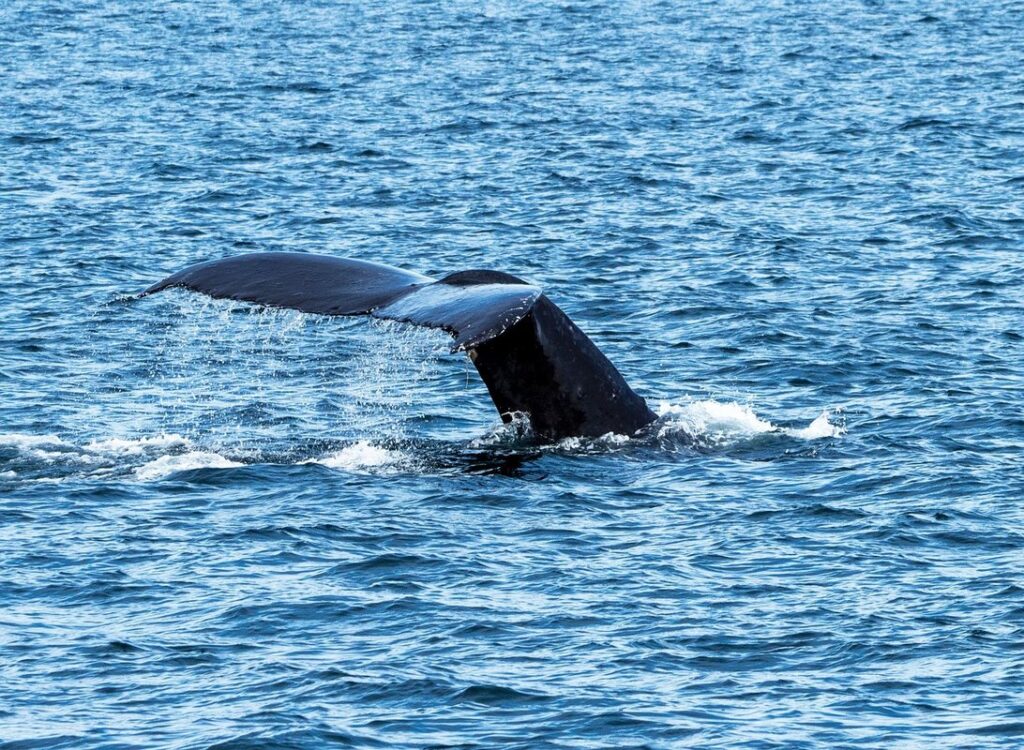
Humpback whales are known for their acrobatic displays, breaching the water’s surface in search of krill and small fish. Keep an eye out for these majestic creatures as they lobtail, a unique behavior where they slap their tails on the water to stun prey. The morning hours tend to be the best time for viewing, when the calm waters provide optimal conditions for observing these magnificent animals up close.
Be sure to book your whale watching tour in advance, as autumn is a popular season among tourists and locals alike. Choose a reputable operator that offers guided tours with knowledgeable guides who can provide insight into humpback whale behavior and habitat.
Understanding Whale Behavior
Whale behavior is fascinating and crucial to understanding their migratory patterns, which ultimately determine the best time for a successful whale watching experience. By exploring their habits and habitats, we can better anticipate where they’ll be in Vancouver’s waters.
Migration Patterns and Schedules
Whales migrate to warmer waters during the winter months and back to cooler waters near the poles for summer feeding. In Vancouver’s waters, you can expect to see these seasonal migrations from April to October. The peak whale-watching season is June through September, when orcas, humpbacks, and gray whales are most active.
To track the whales’ movements, look for guided tours that specialize in specific species or follow reputable whale-watching operators on social media. These organizations often share updates on recent sightings and provide insights into current migration patterns. Keep in mind that whales can be unpredictable, and their schedules may vary due to factors like food availability and weather conditions.
A small minority of tour operators use tracking technology to monitor the movements of specific whales, allowing them to adjust routes accordingly. For example, some tours have successfully located repeat visitors by tracking their previous migration patterns. If you’re planning a whale-watching trip, book with an operator that prioritizes sustainability and responsible wildlife viewing practices.
Factors Affecting Whale Watching Opportunities
Weather conditions play a significant role in whale watching opportunities off the coast of Vancouver. During the summer months, gentle winds and calm seas make it easier for whales to navigate through the waters, increasing the chances of spotting them. However, strong winds and rough seas can push whales deeper into the ocean or even force them to seek sheltered areas, making them harder to spot.
Ocean currents also impact whale watching experiences. The Pacific Ocean’s nutrient-rich upwellings off Vancouver’s coast attract an abundance of marine life, including whales. A small change in current direction or speed can significantly alter the distribution of these nutrients and, consequently, affect whale migration patterns.
Additionally, sea ice coverage and ocean temperatures are essential factors to consider when planning a whale watching trip. Whales tend to prefer warmer waters for feeding and breeding purposes. If the water temperature drops below 10°C (50°F), it may be challenging to spot certain species, such as humpback whales.
Best Times for Specific Species
The best time to spot specific whale species in Vancouver’s waters varies depending on the type of whale and its migratory patterns. Orcas, for example, are year-round residents in these waters, but they tend to congregate near islands like Bowen Island during summer months when their preferred prey is abundant.
Humpback whales, on the other hand, migrate through Vancouver’s waters from April to October, with peak sightings occurring in June and July as they feed on krill and small fish. Gray whales typically pass through the area between March and May, often close to shore near popular whale-watching spots like English Bay or Stanley Park.
To increase your chances of seeing these species, consider visiting during their peak migration periods. If you’re looking for a specific type of whale, plan your trip accordingly: if you want to see humpbacks, aim for June and July; if it’s orcas you’re after, visit between May and September. Keep in mind that even outside of peak months, Vancouver’s whale-watching season typically runs from spring to fall, offering ample opportunities to spot these incredible creatures in their natural habitat.
Planning Your Whale Watching Tour
Before you set off on your whale watching adventure, let’s discuss the essential steps to planning a successful and stress-free tour. This includes booking a reputable tour operator and choosing the best time for your trip.
Selecting a Reputable Tour Operator
When selecting a reputable tour operator for your whale watching experience in Vancouver, there are several key factors to consider. First and foremost, look for operators with extensive experience navigating local waters and dealing with the specific whale species found in the area. A strong safety record is also crucial – check if they have any certifications or awards related to safety excellence.
It’s essential to inspect the equipment used by the tour operator, including the vessel itself and the binoculars and spotting scopes provided for passengers. Ensure that the boat is sturdy and well-maintained, with life jackets readily available. Additionally, consider operators that use eco-friendly practices, such as reducing waste and respecting wildlife habitats.
Some popular whale watching tour operators in Vancouver are known for their commitment to these factors, but it’s always a good idea to do your own research and read reviews from previous passengers. Check the operator’s website or social media pages for information on their safety record and equipment quality. A reputable tour operator will be transparent about their policies and procedures, so don’t hesitate to ask questions if you’re unsure about anything.
Preparing for Your Trip
When you’re preparing for your whale watching tour in Vancouver, it’s essential to pack wisely. You’ll want to bring binoculars, as spotting whales from a distance can be challenging, even with the naked eye. A good pair of 7x or 10x magnification will help you get a closer look at these majestic creatures.
Don’t forget your camera and charger; capturing photos of whales is a major highlight for many visitors. Consider bringing a waterproof camera housing to protect your gear from sea spray and potential splashes.
When it comes to clothing, prioritize layers and moisture-wicking fabrics that can keep up with changing marine conditions. Bring warm sweaters or jackets for cooler mornings and evenings, as well as lightweight rain gear in case of unexpected showers. Avoid cotton as it retains moisture and can leave you shivering. You may also want to bring a hat and sunglasses for sun protection on sunny days.
Remember to check the weather forecast before your tour and adjust your packing list accordingly. It’s better to err on the side of caution when preparing for variable marine conditions, which can shift rapidly in Vancouver’s coastal climate.
Tips for an Enjoyable Experience
When you’re out on a whale watching tour in Vancouver, it’s essential to be respectful of these magnificent creatures and their habitats. Responsible viewing is crucial to ensure both humans and whales have an enjoyable experience. Keep a safe distance – typically at least 20 feet or more – to avoid disturbing the whales’ natural behavior. This will also give you a better opportunity to observe them in their natural habitat.
Additionally, refrain from using flash photography, as this can startle the whales. If you need to take photos, use a camera with a telephoto lens to capture your shots without disrupting the whales. Some tour operators may have specific guidelines for photography, so be sure to follow these rules.
Another aspect of responsible viewing is not littering or polluting the ocean during the trip. Many whale watching companies provide recycling bins and encourage passengers to dispose of waste properly. By being mindful of our impact on the environment, we can help preserve Vancouver’s marine ecosystem for future generations to enjoy.
Frequently Asked Questions
Can I see whales during a stormy weather?
Yes, it’s still possible to spot whales on rainy or cloudy days. However, strong winds and rough seas can make the experience less enjoyable and might limit viewing opportunities. Choose a tour operator that offers flexible scheduling and consider rescheduling if the weather is not cooperating.
What if I’m traveling with young children – are whale watching tours suitable for families?
Yes, many whale watching tour operators cater to families with young children. They often have kid-friendly activities, educational materials, and experienced guides who can make the experience enjoyable and informative for all ages. Be sure to check with your chosen tour operator about their family-friendly policies and facilities.
Can I book a private whale watching tour?
Yes, many tour operators offer private or charter tours, which can be more expensive but provide a more personalized experience. These tours often have smaller group sizes, flexible scheduling, and specialized guides who can tailor the experience to your interests and preferences.
What if I get seasick – are there any precautions I can take before and during the tour?
Yes, several precautions can help minimize seasickness: choosing an indoor cabin or a seat on the lower deck, taking motion-sickness medication (consult with your doctor first), avoiding heavy meals before the tour, and staying hydrated. Your tour operator may also offer anti-seasickness wristbands or other remedies.
Can I take my drone on board to capture aerial footage of whales?
No, it’s generally not recommended to bring drones on whale watching tours due to safety concerns, noise pollution, and regulations. Instead, focus on capturing high-quality photos and videos with your camera while on board or from a designated viewing area.

