
Tennessee is often associated with music and Southern charm, but few know about its vast network of walking trails that weave through stunning landscapes. From the rolling hills of the Great Smoky Mountains to the scenic bluffs along the Tennessee River, the state’s natural beauty is waiting to be explored on foot. Walking trails in Tennessee offer a chance to disconnect from the hustle and bustle of daily life and reconnect with nature. Whether you’re looking for an easy day hike or a more challenging long-distance route, there’s something for everyone. In this article, we’ll take a closer look at some of the best kept secrets on Tennessee’s walking trails, highlighting routes that can improve your mental and physical health while connecting you with the state’s incredible natural scenery. By the end of this guide, you’ll know how to find and navigate these hidden gems.
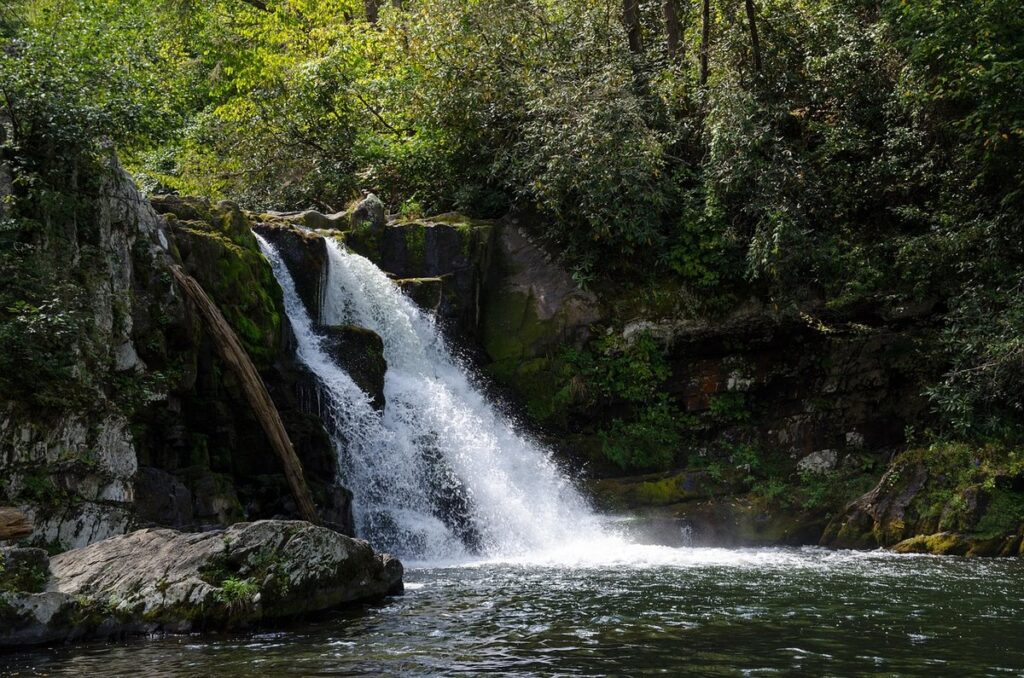
Discovering Tennessee’s Natural Beauty
Tennessee is home to some of the most stunning natural landscapes in the country, and its walking trails offer a unique way to experience it all. From lush forests to scenic riverfronts, discover these hidden gems on foot.
The Importance of Walking Trails for Mental and Physical Health
Walking trails offer a wealth of benefits for both mental and physical health. Regular walking can reduce stress levels by releasing endorphins, also known as “feel-good” hormones. Studies have shown that spending time in nature can decrease symptoms of anxiety and depression by up to 47%. Tennessee’s diverse landscapes provide the perfect backdrop for reconnecting with nature.
In addition to its mental benefits, walking trails are an excellent way to improve physical health. Regular walking can help lower blood pressure, reduce the risk of heart disease, and even aid in weight management. The state’s numerous parks and greenways offer a range of trail options, from gentle strolls to more challenging hikes.
When exploring Tennessee’s walking trails, it’s essential to take advantage of these opportunities for mental and physical rejuvenation. Try to walk at least three times a week, incorporating hills or stairs into your routine to boost cardiovascular benefits. Be sure to bring water and wear comfortable shoes, as well as layers for changing weather conditions. By embracing the state’s natural beauty and incorporating walking trails into your routine, you can reap the rewards of improved overall health and well-being.
Types of Walking Trails in Tennessee: From Easy to Challenging
Tennessee offers a diverse range of walking trails for hikers of all skill levels and interests. For those looking for a leisurely stroll, easy day hikes like the Raven Fork Trail in Great Smoky Mountains National Park provide a gentle introduction to nature’s beauty. These trails typically range from 1-3 miles and offer scenic views without the need for extensive physical exertion.
Moderate overnight trips, such as the Benton MacKaye Trail that spans over 300 miles, allow hikers to immerse themselves in Tennessee’s natural landscapes while experiencing the satisfaction of multi-day exploration. These routes often involve varying terrain, including rugged mountains and serene river valleys.
Challenging long-distance routes like the Cumberland Trail demand physical stamina and mental toughness. Spanning over 300 miles, this trail traverses through diverse ecosystems, offering breathtaking views and unique wildlife encounters. For experienced hikers seeking an immersive adventure, the Cumberland Trail provides a rewarding experience that requires careful planning and preparation.
Popular Walking Trails in Eastern Tennessee
If you’re looking for a scenic hike with breathtaking views, Eastern Tennessee has plenty to offer. Let’s explore some of the most popular walking trails in the region that are sure to leave you awestruck.
The Great Smoky Mountains National Park: A Hiker’s Paradise
The Great Smoky Mountains National Park is a mecca for hikers and nature enthusiasts alike. Spanning over 500,000 acres, it’s the largest national park in the Eastern United States. Within its boundaries, you’ll find an astonishing number of walking trails that cater to all skill levels.
One of the most iconic trails in the park is the Alum Cave Trail, a 4.4-mile round-trip hike that features stunning views of the surrounding mountains and valleys. The trail takes you through a narrow passageway known as Arch Rock, where you can walk beneath a towering rock formation. Another popular option is the Chimney Tops Trail, which offers breathtaking panoramic views from its summit.
If you’re looking for a more leisurely hike, consider the Laurel Falls Trail, a 2.6-mile round-trip that’s suitable for families and beginners. This trail takes you through a lush forest and ends at an 80-foot waterfall, making it a must-see in the park. Be sure to check the park’s website for up-to-date trail information and any necessary permits or restrictions before planning your visit.
Roan Mountain State Park: Exploring the Appalachian Highlands
As you venture into Roan Mountain State Park, you’ll be immersed in the grandeur of the Appalachian Highlands. The park’s walking trails weave through a diverse landscape of grasslands, heath balds, and forests, offering stunning vistas that showcase the region’s unique beauty. One of the most popular trails is the 2.5-mile Roan Mountain Trail, which takes you to the summit of Roan Mountain, the highest point in Tennessee. From here, you can gaze out at the surrounding mountains and valleys or explore the nearby Carvers Gap trail.
The park’s scenic trail system also features several shorter loops and connector trails that allow you to experience different aspects of the park’s ecosystem. For example, the 1-mile Arch Rock Trail leads to a unique rock formation with a natural arch, while the 3-mile Long Mountain Trail offers spectacular views of the surrounding mountains. When planning your visit, keep in mind that the best time to see wildflowers is from mid-May to early July, and the park’s visitor center provides maps and trail information to help you navigate the trails.
The park also features a variety of plant species, including rhododendron, azalea, and mountain laurel. As you walk through these areas, pay attention to the different types of vegetation and how they’re adapted to the region’s climate and soil conditions.
Walking Trails in Middle Tennessee
Middle Tennessee is home to some of the most scenic walking trails in the state, offering hikers a chance to explore the region’s natural beauty. From the Cumberland Plateau to the rolling hills of the Nashville area, we’ll guide you through the best options.
Percy Priest Lake and the Stones River Greenway Trail
Percy Priest Lake and the Stones River Greenway Trail offer a scenic escape from Nashville’s urban landscape. The 12-mile trail winds along the lake and the Stones River, providing stunning views of the surrounding hills and valleys. Visitors can walk, jog, or bike on this paved path, which is suitable for all skill levels.
The trail’s most notable feature is its diverse scenery. Hikers pass through lush forests, across bridges over the river, and alongside picnic areas and playgrounds. The trail also offers several access points to Percy Priest Lake, allowing visitors to take in the views from the water’s edge. Amenities along the trail include restrooms, drinking fountains, and parking areas.
To make the most of your visit, consider bringing a camera to capture the stunning vistas and wildlife viewing opportunities. You can also bring a picnic lunch or snacks to enjoy at one of the many designated picnic areas. During peak season, be sure to check the trail’s website for any updates on closures or maintenance. With its mix of natural beauty and convenient amenities, the Stones River Greenway Trail is an excellent choice for walkers and nature enthusiasts in Middle Tennessee.
Radnor Lake State Park: A Haven for Nature Lovers
Radnor Lake State Park is a hidden gem nestled within Middle Tennessee’s rolling hills. This 1,200-acre nature preserve boasts over six miles of walking trails that weave through diverse habitats, including forests, fields, and along the lake’s shoreline. As you stroll along these paths, keep an eye out for white-tailed deer, wild turkeys, and numerous species of birds.
The trails at Radnor Lake State Park are designed to accommodate hikers of various skill levels, with options ranging from easy strolls to more challenging routes that take you deeper into the woods. For a truly immersive experience, consider visiting during the spring or fall when the park’s vibrant wildflowers are in bloom. Be sure to bring binoculars to spot birds and other wildlife, as well as a camera to capture the stunning scenery.
Some of the most popular trails at Radnor Lake State Park include the 2.5-mile Greenway Trail, which follows the lake’s shoreline, and the more challenging Woodland Trail, which takes you through a dense hardwood forest. Whether you’re a seasoned hiker or just looking for a relaxing walk in nature, Radnor Lake State Park has something to offer everyone.
Walking Trails in Western Tennessee
Western Tennessee is home to a diverse range of walking trails that showcase the state’s natural beauty, from the banks of the Mississippi River to the rolling hills of the Appalachian foothills. Let’s start by exploring some of these hidden gems in Western Tennessee.
Meeman-Shelby Forest State Park: Exploring the Bluff Line Trail
Meeman-Shelby Forest State Park is a hidden gem for outdoor enthusiasts in Western Tennessee. The park’s Bluff Line Trail offers stunning views of the Mississippi River, making it an ideal destination for nature lovers and photographers. This 2.5-mile trail takes you through a mix of hardwood and pine forests, with scenic overlooks along the way.
As you hike, keep an eye out for the diverse wildlife that calls this park home, including white-tailed deer, wild turkeys, and birds of prey. The Bluff Line Trail also features several interpretive signs that provide insight into the area’s geology, history, and ecology.
To make the most of your visit, consider bringing a camera to capture the breathtaking views and unique rock formations along the trail. Be sure to check park hours and regulations before heading out, as they may vary depending on the season and any special events or closures. With its scenic beauty and educational opportunities, the Bluff Line Trail at Meeman-Shelby Forest State Park is a must-visit destination for anyone exploring Western Tennessee’s walking trails.
Chickasaw State Park: Discovering the Pin Oak Trail
Located about 30 minutes north of Corinth, Mississippi, Chickasaw State Park offers a tranquil escape from the hustle and bustle of everyday life. The park’s 1,200 acres are home to several miles of walking trails, including the Pin Oak Trail, which is one of its most popular routes.
This 2.5-mile trail takes you through mature forests of oak, hickory, and maple trees, providing ample opportunities for nature observation and photography. As you walk along the trail’s gentle slope, you’ll have the chance to enjoy scenic views of the nearby Tennessee River. The trail also features several interpretive signs that provide insight into the park’s natural and cultural history.
A small percentage of the trail is shaded by a canopy of tall trees, offering respite from the sun on warmer days. Overall, the Pin Oak Trail at Chickasaw State Park offers a relaxing and invigorating walking experience for hikers of all skill levels. Visitors can also take advantage of the park’s amenities, including picnic areas, grills, and restrooms.
Planning Your Walking Trail Adventure in Tennessee
When planning a walking trail adventure in Tennessee, one of the most crucial steps is determining which trails to tackle and how much time you have to devote to exploring them. Let’s start by breaking down the process into manageable chunks.
Essential Gear and Safety Precautions for Hikers
When venturing out on a walking trail in Tennessee’s great outdoors, it’s crucial to be prepared with the right gear and to know what to do in case of an emergency. Start by packing essentials like sturdy hiking boots, comfortable clothing, and layers for changing weather conditions. Bring plenty of water – at least two liters per person – and consider adding a hydration pack for hands-free drinking. Don’t forget snacks, including energy-rich foods like nuts and dried fruits.
Safety precautions are equally important. Let someone know your itinerary, including where you’re going and when you expect to return. Carry a map, compass, or GPS device to stay on track. Be mindful of Tennessee’s wildlife, including bears, snakes, and other animals that may inhabit the trails. Know what to do in case of an injury – keep a basic first aid kit with essentials like bandages, antiseptic wipes, and pain relievers.
In extreme weather conditions or if you become lost, stay calm and seek shelter. Use your phone to call for help or find a safe spot to wait until the storm passes. If you’re planning to hike in areas prone to thunderstorms, check the forecast before heading out and try to avoid hiking during peak storm hours.
Best Time to Visit and Tips for Visiting with Family or Pets
The best time to visit walking trails in Tennessee depends on the region and personal preference. Spring (March to May) is ideal for wildflower viewing, while summer (June to August) offers warm weather for longer hikes. Autumn (September to November) brings mild temperatures and vibrant fall foliage, making it a popular choice for families. Winter (December to February) is best for avoiding crowds and witnessing the trails’ serene beauty.
When visiting with family members, consider the age and ability of your companions when choosing a trail. The Great Smoky Mountains National Park’s Alum Cave Trail, for example, features an iconic arch and scenic views but may be too challenging for young children or those with mobility issues. For families with pets, stick to pet-friendly trails like the Stones River Greenway Trail in Middle Tennessee, which offers a mix of paved paths and grassy areas. Be sure to clean up after your pets and dispose of waste properly.
Conclusion
As you conclude your journey through Tennessee’s best-kept secrets, walking trails offer a unique way to connect with nature and discover hidden gems. From the Great Smoky Mountains to the Cumberland Trail, this state boasts an impressive network of paths that cater to every interest and fitness level. Whether you’re a seasoned hiker or a casual stroller, these trails provide an opportunity to breathe in the fresh mountain air, take in breathtaking vistas, and experience the rich history and culture of Tennessee. To make the most of your walking trail adventure, be sure to check trail conditions before heading out, pack plenty of water and snacks, and respect the natural environment by staying on designated paths and not littering. By embracing these simple practices, you’ll be able to fully appreciate the beauty and tranquility that Tennessee’s walking trails have to offer.
Frequently Asked Questions
How Long Does It Take to Hike the Entire Cumberland Trail?
The Cumberland Trail spans approximately 300 miles and can take several weeks to complete. However, if you’re planning to hike it in sections, you should budget at least a few days for each section. Be sure to check trail conditions, weather forecasts, and plan your accommodations accordingly.
What If I’m Not an Experienced Hiker? Can I Still Enjoy Tennessee’s Walking Trails?
Yes. Many of Tennessee’s walking trails offer varying levels of difficulty, making it accessible for hikers of all skill levels. Start with easier day hikes or join a guided group to get comfortable on the trails. As you gain experience and confidence, you can gradually move on to more challenging routes.
Are Dogs Allowed on All Walking Trails in Tennessee?
Not all walking trails in Tennessee allow dogs. While some parks and state forests permit pets, others may have specific rules or restrictions. Always check with park rangers or visitor centers before heading out with your furry companion.
How Do I Plan a Multi-Day Hike in Tennessee? What Logistics Should I Consider?
When planning a multi-day hike in Tennessee, consider factors like trail conditions, weather forecasts, and access to food, water, and shelter. Research the trail ahead of time, make reservations for accommodations if necessary, and pack accordingly with enough supplies for each day.
Can I Visit Walking Trails in Tennessee During Extreme Weather Conditions?
Yes. While it’s always best to check trail conditions before heading out, many walking trails in Tennessee are suitable for hiking during light rain or mild temperatures. However, avoid trails during severe weather events like thunderstorms, heavy snowfall, or extreme heat. Use your discretion and prioritize your safety above all else.

