
Winter can be a challenging time to find something exciting to do, but with a little creativity, you can make the most of your season. The cold weather doesn’t have to mean hibernation mode; in fact, there are plenty of fun winter activities that will keep you engaged and entertained. Whether you’re looking for cozy indoor events or exciting travel destinations, our guide is here to inspire you with expert tips and recommendations. We’ll explore the best things to do in winter, from skiing and snowboarding to ice skating and sledding, as well as the top indoor attractions that are perfect for a rainy day. By the time you finish reading this article, you’ll have all the ideas you need to make the most of your winter season and create unforgettable memories with friends and family.
Embracing the Chill: Winter Sports and Games
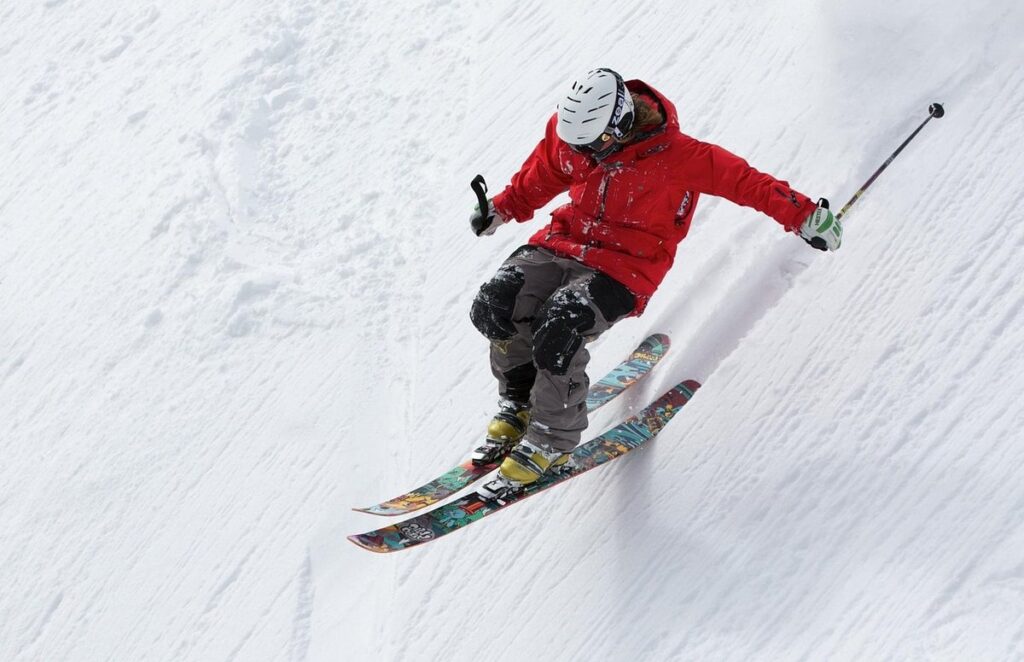
Winter is a time for adventure, and nothing gets your heart racing quite like participating in winter sports and games. From ice skating to skiing, there’s something for every thrill-seeker.
Ice Skating Adventures
If you’re new to ice skating, consider visiting an outdoor rink with a gentle slope and a barrier-free path for beginners. Many cities also offer indoor rinks with group lessons and private instruction. For a more immersive experience, try gliding across the frozen surface of a natural pond or lake – just be sure to check local regulations and safety guidelines first.
Some popular ice skating spots include Rockefeller Center in New York City, the National Gallery Ice Rink in London, and the rinks at Chicago’s Millennium Park. If you’re looking for a more unique experience, consider visiting an outdoor rink with a theme, such as the Christmas-themed ice rink in Boston or the ice rink built on top of a parking garage in Detroit.
Fun facts about ice skating include its origins in 17th-century Europe and its use in military training exercises. Today, ice skating is enjoyed by people all over the world – from competitive figure skaters to casual weekend warriors. To get started, you’ll need a good pair of ice skates (rentals are often available), warm clothing, and some patience for learning the basics of balance and movement on the ice.
Sledding Hills and Toboggan Runs
When it comes to sledding hills and toboggan runs, the experience can vary greatly depending on the terrain and equipment used. To find a top-notch spot, look for hills with a gentle slope at first, gradually increasing in steepness towards the bottom. This will allow you to build up speed without losing control. Consider visiting local parks or nature reserves that have designated sledding areas – these are often well-maintained and free from obstacles.
When choosing a sled, consider the terrain and your personal preference for speed and maneuverability. A classic wooden toboggan is great for smoother hills, while an inflatable tube is better suited for more rugged terrain. Many outdoor gear stores also offer sled rentals or demos, allowing you to try out different models before purchasing.
Before hitting the slopes, take a few key safety precautions: wear warm, waterproof clothing and boots with good traction; ensure your sled has a secure harness or rope attachment; and be mindful of other sledders, especially children. Finally, check local regulations regarding sledding hours and restrictions on certain hills – some may have specific rules or closures due to weather conditions.
Snowshoeing Trails and Winter Hiking
When venturing out into the winter landscape, snowshoeing trails offer a serene and peaceful way to explore the season’s beauty. Popular routes like the Wintergreen Ski Resort’s snowshoe trails in Virginia or the L.L.Bean Snowshoe Trail in Maine are great options for beginners and experienced hikers alike.
To get started, choose gear that suits your needs: look for snowshoes with a comfortable fit and durable materials, such as aluminum or carbon fiber frames. Many outdoor stores offer rentals or demo days to try before you buy. For winter hiking, prioritize waterproof and breathable clothing, including a good pair of insulated boots with crampons for added traction.
Some standout winter hiking routes include the John Muir Trail in California’s Sierra Nevada mountains, which offers breathtaking views of snow-capped peaks and alpine lakes. The Appalachian Trail in New England is another popular choice, featuring picturesque forests and rolling hills blanketed in snow. When planning your route, consider factors like accessibility, terrain difficulty, and potential winter weather conditions to ensure a safe and enjoyable experience.
Cozy Up: Indoor Activities and Winter Events
As winter settles in, why not trade in your snow boots for a pair of slippers and indulge in some cozy indoor activities to warm up your days? Get ready to discover our top picks for indoor fun.
Museum Exhibits and Art Galleries
Visit some of the top museums and art galleries to experience the best of winter culture. The Museum of Modern Art (MoMA) in New York City is hosting an exhibit on abstract expressionism, featuring works by Jackson Pollock and Mark Rothko. Meanwhile, the National Gallery in London has a collection of Winter landscapes by Claude Monet.
In Chicago, the Art Institute is showcasing modern and contemporary art, including pieces inspired by winter’s serene beauty. The museum’s indoor galleries provide a cozy escape from the cold, with large windows offering natural light and an intimate atmosphere for viewing art.
To complement these exhibits, consider visiting smaller local galleries or studios that often feature emerging artists and unique perspectives on winter themes. Many museums also offer workshops and classes where you can learn new skills, such as printmaking or ceramics inspired by winter motifs.
Some notable upcoming exhibitions include a showcase of Korean calligraphy at the Asian Art Museum in San Francisco and an exhibit on ice sculpture at the Canadian Museum of History in Ottawa.
Ice Hockey Games and Stadium Tours
Ice hockey games are a thrilling spectator sport, offering high-energy action, skillful plays, and suspenseful moments. Catching a live game is an exhilarating experience, with the electric atmosphere of cheering fans, pounding music, and the rush of adrenaline as players clash on the ice. For those who want to get even closer to the action, many stadiums offer guided tours that provide behind-the-scenes access.
Stadium tours often include visits to the locker rooms, player tunnels, and press boxes, giving visitors a glimpse into the inner workings of the team’s operations. Some tours may also feature interactive exhibits or displays showcasing the history of the team, notable players, and championship wins. Behind-the-scenes stories and anecdotes from coaches, players, or former staff members can add an extra layer of depth to the experience.
Tours usually last around 45 minutes to an hour and provide a unique perspective on what it takes to host a successful ice hockey game. Some stadiums also offer VIP packages that include premium seating, pre-game tours, and meet-and-greets with players or coaches. Be sure to check with your local stadium for availability and schedule, as these experiences can make for unforgettable memories.
Indoor Festivals and Concerts
Indoor festivals and concerts offer a unique way to experience the magic of winter. One notable event is the Montreal Jazz Festival’s indoor concert series, which takes place at various venues throughout the city. This festival showcases both local and international talent, providing attendees with a diverse range of musical styles.
For those interested in classical music, many symphony orchestras host indoor concerts during the winter months. These events often feature festive programming, including holiday-themed works and collaborations with guest artists. The New York Philharmonic’s annual Winter Festival is an example of such an event, offering a series of concerts that celebrate the beauty of classical music.
Some unique festivals worth mentioning include the Seattle Winter Music Festival and the Vancouver Folk Music Festival, both of which feature live performances in indoor settings. When attending these events, consider dressing warmly as venues may be chilly, even with heating. Additionally, arrive early to secure good seating or standing room.
Winter Getaways: Travel Destinations and Road Trips
Escape to a snowy paradise with our top picks for winter getaways, featuring cozy mountain resorts, charming ski towns, and scenic road trips perfect for a seasonal break.
Ski Resorts and Mountain Retreats
When hitting the slopes, some of the top ski resorts to consider are Aspen, Colorado; Whistler Blackcomb in British Columbia, Canada; and Chamonix in the French Alps. These destinations offer a range of terrain for skiers and snowboarders of all levels. However, with so many options available, choosing the right accommodations can be overwhelming.
Consider staying at an on-mountain lodge or hotel that offers direct access to ski lifts and slopes. This can save time and energy, allowing you to focus on enjoying your skiing experience. Alternatively, opt for a mountain retreat that provides a more relaxed atmosphere, complete with amenities like hot tubs and fireplaces. Some popular options include the St. Regis Aspen Resort in Colorado and the Fairmont Chateau Lake Louise in Alberta.
When selecting a ski resort or mountain retreat, consider factors such as proximity to ski lifts, availability of childcare services, and quality of dining options. Researching online reviews and talking to fellow travelers can also provide valuable insights into the best places to stay. By choosing the right accommodations, you can ensure a memorable and enjoyable winter getaway.
Coastal Towns and Beaches in Winter
Coastal towns with mild winters offer a unique winter getaway experience. Places like San Diego, California; Miami Beach, Florida; and Honolulu, Hawaii, enjoy temperatures ranging from the mid-50s to low 70s Fahrenheit (13-22°C) during the winter months. These destinations provide an ideal opportunity for winter strolls along the beach.
Some beaches are particularly perfect for winter walks. For example, the white sand beaches of Destin, Florida, offer a serene and peaceful atmosphere during the cooler months. The calm waters make it an excellent spot for swimming and kayaking. In contrast, the rugged coastline of Big Sur, California, provides a dramatic backdrop for winter beachcombing.
Insider tips for a beach vacation in the winter include packing layers for cooler mornings and evenings, taking advantage of lower accommodation prices during the off-season, and enjoying water sports like surfing or paddleboarding that are often less crowded than in summer months. Additionally, many coastal towns host festivals and events during the winter, such as the San Diego Bay Parade of Lights, which can add to the festive atmosphere of a beach vacation.
City Breaks and Urban Explorations
City breaks offer a unique opportunity to experience the magic of winter in urban settings. Many cities transform into vibrant hubs during the holiday season, featuring festive markets and decorations that are just as delightful as those found in mountain resorts. Visitors can stroll through cobblestone streets lined with twinkling lights, sample local delicacies, and browse handmade crafts.
Some popular destinations for city breaks include Berlin, which hosts a massive Christmas market at the iconic Gendarmenmarkt square; Vienna, where visitors can explore the festive markets at Rathausplatz and Michaelerkuppel; and Prague, where the Old Town Square transforms into a winter wonderland. To make the most of these urban explorations, consider downloading a city guide or map to help navigate the best routes and attractions.
Some must-visit museums and galleries during this time include the National Gallery in Berlin, which features an impressive collection of contemporary art; the Leopold Museum in Vienna, showcasing an extensive array of Austrian art from the 19th and 20th centuries; and the National Museum in Prague, offering a glimpse into Czech history and culture.
Cooking Up Winter: Seasonal Recipes and Food Trends
As winter sets in, warm up your kitchen with seasonal recipes that showcase the best of the season’s flavors. From hearty stews to festive holiday treats, get cozy in the kitchen.
Hearty Stews and Soups
Stews and soups are a staple of winter cuisine, warming bodies and souls with their rich flavors and comforting aromas. When selecting ingredients for these dishes, opt for seasonal vegetables like root vegetables (carrots, parsnips), leafy greens (kale, spinach), and cruciferous vegetables (broccoli, cauliflower). These ingredients add depth and nutritional value to your stews and soups.
For a hearty beef stew, consider using chuck roast or short ribs, which become tender with slow cooking. For a vegetarian option, use portobello mushrooms as a protein-rich substitute. Don’t forget to add aromatics like onions, garlic, and ginger for added depth of flavor.
When it comes to cooking techniques, slow cooking is key. Use a Dutch oven or a slow cooker to allow the flavors to meld together over time. Brown your ingredients before adding liquid for added richness and texture. Some popular stews and soups include French onion soup, creamy tomato soup, and beef stew with Guinness stout.
Incorporating seasonal ingredients not only ensures freshness but also supports local farmers during the winter months. By experimenting with different combinations of ingredients and cooking techniques, you can create unique and delicious winter recipes that become family favorites.
Baking and Decorating Treats
When it comes to festive baking, there’s nothing quite like whipping up a batch of holiday treats with the kids. One classic recipe is gingerbread cookies, which can be made into fun shapes using cookie cutters and decorated with colorful icing. Another idea is to make sugar cookies and let the kids get creative with sprinkles, glazes, or even edible glitter.
For decorating ideas, consider making a festive centerpiece for your holiday table. You can use pre-made cookie jars or create your own by filling glass containers with cookies, candies, or nuts. Add some evergreen branches, pinecones, and ribbons to give it a cozy winter feel. Another idea is to make a gingerbread house using graham crackers, royal icing, and candy decorations.
Baking with kids can be messy, but it’s also a great way to spend quality time together while creating memories. To make the process easier, try making a few batches of dough ahead of time and letting the kids help shape and decorate them. This will save you from having to work with sticky dough on the day of baking.
Winter-themed Desserts and Drinks
Winter-themed desserts are a delightful way to get into the holiday spirit. Consider making snowball fight truffles by rolling crumbled cookies and powdered sugar into small balls and dipping them in white chocolate. You can also make snowman Oreo treats by stacking Oreos on top of each other with a dollop of whipped cream for the hat.
For hot chocolate, try adding a pinch of cayenne pepper to give it a spicy kick or infusing it with peppermint extract for a refreshing twist. Some popular coffee trends include flavored syrups and whipped cream toppings in festive flavors like gingerbread, eggnog, and hazelnut.
When serving winter-themed drinks, think beyond the ordinary glass or mug. Use festive cups and saucers to add to the holiday atmosphere, and consider making a “hot chocolate bar” with different toppings and mix-ins for guests to customize their own drinks. Some other ideas include using ice cube trays to make flavored ice cubes, serving hot cider in a hollowed-out pumpkin, or creating a signature winter drink with creative names like “Snowflake Spritzer” or “Winter Wonderland Mocha.”
The Science of Winter: Understanding the Season
Winter’s chill is more than just a feeling, it’s also a complex phenomenon driven by Earth’s tilt and atmospheric conditions. Let’s explore how these factors shape our winter experiences.
Meteorology 101: Winter Weather Patterns
Winter weather patterns are shaped by a combination of atmospheric circulation and temperature gradients. During winter, high-latitude regions experience cold air masses from the poles, while low-latitudes see warm air from the equator. This contrast drives the formation of mid-latitude cyclones, which bring precipitation and stormy conditions to Western Europe, North America, and East Asia.
Forecasting techniques involve analyzing atmospheric pressure patterns, wind shear, and moisture levels. Meteorologists use models like the European Centre for Medium-Range Weather Forecasts (ECMWF) and the Global Forecast System (GFS) to predict winter weather events. These models account for factors such as El Niño-Southern Oscillation (ENSO), the North Atlantic Oscillation (NAO), and the Arctic Oscillation (AO).
Climate change has led to an increase in extreme winter weather events, including intense snowstorms and heatwaves. Warmer oceans and a shifting jet stream contribute to these anomalies. The polar vortex, which normally confines cold air near the poles, has become weaker due to climate change, allowing frigid air to penetrate further south. This has resulted in record-low temperatures in places like Alaska and Siberia, while other regions experience unseasonal warmth.
The Biology of Snowflakes and Ice Crystals
Snowflakes are a marvel of natural engineering, with intricate patterns formed through a complex process involving temperature and humidity. At the heart of snowflake formation lies the ice crystal. When water vapor in the air freezes onto tiny particles like dust or pollen, it forms a small, transparent ice crystal. As this crystal falls through the atmosphere, it passes through layers of air with varying temperatures and humidities, causing it to grow and branch out into its characteristic six-sided shape.
This process is influenced by factors such as temperature, humidity, and wind shear, which can affect the rate at which water vapor freezes onto the crystal. The resulting snowflakes are incredibly diverse, with unique patterns and shapes that have captivated humans for centuries. Materials scientists have even studied the structure of snowflakes to develop new materials with improved strength and durability.
In fact, researchers have used computer models to simulate the growth of ice crystals in real-world conditions, allowing them to design more efficient systems for producing high-quality ice crystals for applications like cryogenic storage and medical imaging. By understanding the biology of snowflakes and ice crystals, we can appreciate the intricate beauty of winter’s wonderland – and gain insights into the innovative technologies that rely on these delicate structures.
The Physics of Winter Sports: Speed and Agility
When athletes participate in winter sports like speed skating and skiing, they’re pushing their bodies to extreme limits. To gain a competitive edge, they must master the physics behind these activities. Speed is a crucial factor in winter sports – on ice or snow, every second counts. Skaters, for instance, rely on their ability to glide efficiently across the ice, using the least amount of energy possible.
On the slopes, skiers employ techniques like edge control and turning to maximize speed while minimizing friction. In both cases, athletes must develop agility to adapt to changing conditions and terrain. Training programs typically include exercises that improve flexibility, balance, and reaction time. For example, skaters might practice crossovers and turns on ice, while skiers work on carving through gates or navigating moguls.
Agility is also key for athletes in winter sports like snowboarding and freestyle skiing. These disciplines require quick changes of direction and rapid acceleration, which demand a high level of physical fitness and mental focus. By understanding the physics behind speed and agility in winter sports, athletes can refine their techniques and push themselves to new heights – or should we say, new slopes.
Planning Your Winter Adventure
Before you lace up your snowshoes, take a moment to plan out your winter wonderland adventure. This section will help you decide on the best activities and destinations for a fun and memorable winter escape.
Budgeting and Saving Money on Trips
Budgeting for winter trips can be challenging, especially when factoring in travel costs, accommodations, and activities. To save money on your next winter adventure, consider traveling during off-peak seasons or booking flights and hotels well in advance to secure better rates.
When it comes to transportation, research budget-friendly options like buses or trains instead of renting a car or taking taxis. Additionally, pack smart by bringing layers for cold weather rather than buying expensive winter gear at your destination. This not only saves money but also reduces clutter in your luggage.
Here are some specific travel hacks to keep in mind:
- Look for package deals that include accommodations and activities
- Use travel rewards credit cards or loyalty programs to earn points and discounts
- Consider renting a shared accommodation, like an Airbnb apartment, instead of booking multiple hotel rooms
By incorporating these budgeting strategies into your winter trip planning, you can enjoy the season’s festivities without breaking the bank. Remember to prioritize your spending based on what matters most to you – whether it’s trying new activities or simply enjoying quality time with friends and family.
Safety Tips and Emergency Preparedness
When venturing out into winter’s chill, it’s essential to prioritize safety. Start by checking the weather forecast and road conditions before embarking on a journey. A small mistake can quickly escalate into a hazardous situation. Be aware of potential hazards such as black ice, freezing rain, and reduced visibility.
In case of an emergency, having a basic first-aid kit in your vehicle is crucial. Include essentials like warm blankets, snacks, flashlights, and a spare battery for your phone. It’s also vital to know basic winter driving skills, such as how to handle skidding and what to do if stranded.
To stay informed about weather conditions and road closures, consider using apps like Waze or Google Maps, which provide real-time updates on traffic and weather. Additionally, sign up for emergency alerts from your local government or transportation department. In the event of a severe storm, have an emergency contact number readily available, such as the national highway hotline (1-800-FOR-ROAD).
In extreme cases, know how to locate nearest shelters and warming centers. Always keep a charged phone and a portable charger handy in case you become stranded. Knowing these simple precautions can make all the difference in staying safe during winter travel.
Frequently Asked Questions
Can I Still Enjoy Winter Activities If I Have a Medical Condition?
Yes, it’s essential to consult with your doctor before engaging in any winter activity, especially if you have a pre-existing medical condition. Many winter sports and activities can be adapted or modified to accommodate physical limitations.
How Do I Know Which Winter Sports Are Best for My Family?
Consider the age, skill level, and interests of family members when choosing winter activities. For example, ice skating is often suitable for young children with adult supervision, while snowshoeing may be more appealing to adults seeking a moderate workout.
What if I’m on a Tight Budget? Can I Still Have a Fun Winter Experience?
Yes! Many winter activities are budget-friendly or even free. Look for public ice skating rinks, sledding hills, and walking trails in your area. You can also consider indoor events like museum exhibits, concerts, or festivals.
How Do I Plan a Successful Winter Road Trip with Kids?
When planning a winter road trip with kids, prioritize comfort and safety. Pack warm clothing, snacks, and entertainment for the journey. Consider booking accommodations with amenities like pools or game rooms to keep children occupied during downtime.
Can I Still Have a Relaxing Winter Getaway If I’m Not an Athlete?
Absolutely! Many winter destinations offer relaxing activities like hot springs visits, spa treatments, or simply taking in breathtaking scenery. Research your destination and choose activities that prioritize relaxation over high-intensity sports.

