
Getting outside to play is one of life’s simplest yet most rewarding pleasures. Not only does it provide an outlet for physical activity, but it also has a profound impact on our mental well-being and productivity. In today’s fast-paced world, many of us are spending more time indoors than ever before, which can lead to feelings of restlessness and fatigue. By incorporating outdoor play into your daily routine, you can reap the benefits of fresh air, exercise, and stress relief. But how do you get started? This guide will cover a range of outdoor activities that cater to all ages and abilities, from hiking and cycling to simply spending time in nature. We’ll also provide essential safety tips for exploring the great outdoors, so you can enjoy the freedom and adventure that comes with playing outside.
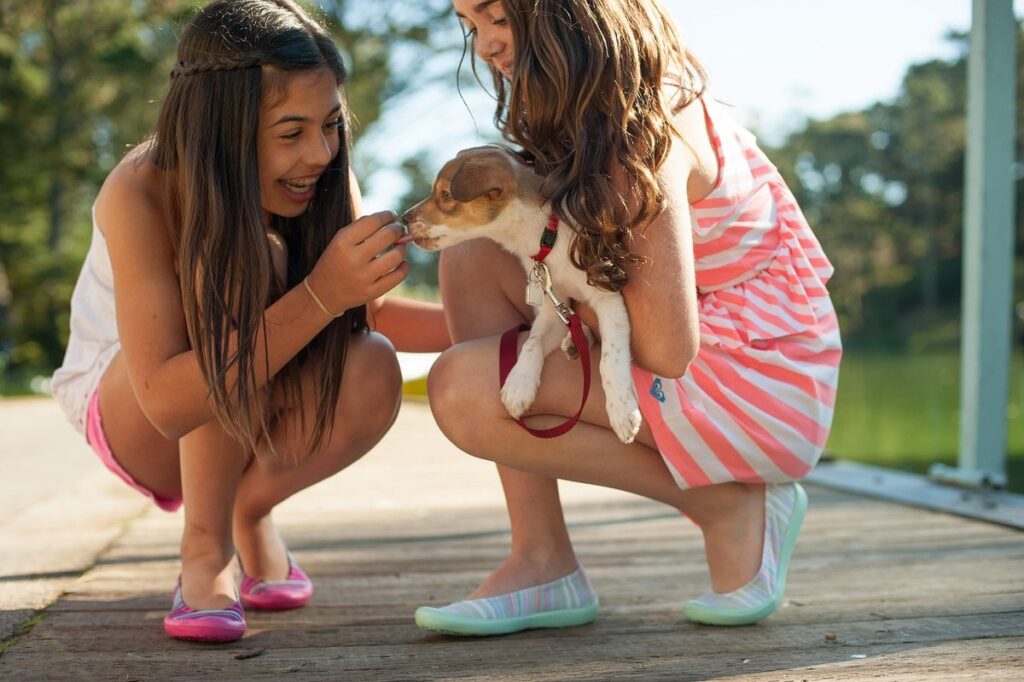
Introduction to Playing Outside
Playing outside is a fundamental part of being human, and it’s essential that we prioritize getting our kids outdoors from a young age. This introduction will set the stage for exploring the benefits and joys of outdoor play.
Why Playing Outside is Essential for Children’s Development
Playing outside is a fundamental aspect of childhood development, providing numerous physical, emotional, and cognitive benefits. Regular outdoor play helps children develop strong bones and muscles through physical activity, reducing the risk of obesity and related health issues. Outdoor exploration also fosters a sense of adventure and independence in kids, allowing them to take calculated risks and build confidence.
In addition to these physical benefits, playing outside has a profound impact on emotional development. Exposure to natural environments has been shown to reduce symptoms of anxiety and depression in children, promoting mental well-being and resilience. Moreover, outdoor play encourages social interaction and cooperation among children, helping to develop essential life skills like communication, empathy, and conflict resolution.
Cognitively, playing outside stimulates creativity, imagination, and problem-solving abilities in children. Unstructured outdoor play allows kids to explore, discover, and learn at their own pace, developing critical thinking skills that serve them well throughout their lives. Parents can support this process by providing a safe and accessible outdoor space for their children to play freely, encouraging exploration and discovery through open-ended questions and observations.
Debunking Common Myths About Outdoor Play
Playing outside is often misunderstood as a chaotic and unstructured experience. However, many parents assume that their children need constant supervision to prevent accidents, or that outdoor play lacks structure and educational value. The truth is, with proper planning and guidance, outdoor play can be both safe and enriching.
One common myth is that unsupervised outdoor play increases the risk of injury. While it’s true that some injuries can occur while playing outside, most research suggests that this risk is greatly reduced when children are allowed to explore and engage in free play within designated boundaries. In fact, studies have shown that children who spend more time outdoors tend to be less accident-prone overall.
Another misconception is that outdoor play lacks structure or educational value. However, many outdoor activities – such as gardening, nature observation, or even just exploring a nearby park – can promote learning and cognitive development in children. To reap these benefits, parents can encourage their children to take ownership of outdoor projects, like tending to a small garden or observing the local wildlife. By doing so, they’ll not only develop important life skills but also foster a lifelong love for nature and exploration.
Benefits of Playing Outside for Adults
Playing outside can have a profound impact on both physical and mental well-being, from reduced stress levels to improved mood. Let’s explore some of the most significant benefits adults can experience by spending time outdoors.
Reducing Stress and Anxiety Through Nature Connection
Spending time in nature has a profound impact on mental health and well-being. Being surrounded by trees, flowers, and wildlife can calm the mind and reduce stress levels. Research suggests that exposure to natural environments can lower cortisol levels, blood pressure, and heart rate, while also improving mood and cognitive functioning.
One of the key reasons why nature connection reduces stress and anxiety is due to its ability to disconnect us from technology and the demands of modern life. When we’re outdoors, we’re less likely to be checking our phones or responding to work emails, allowing us to fully engage with our surroundings.
This disconnection can have a profound impact on mental health. Studies have shown that even short periods of time spent in nature – as little as 10-15 minutes – can reduce symptoms of anxiety and depression. To reap these benefits, try taking a walk through a park or forest during your lunch break, or spending the weekend camping or hiking with friends.
Regular exposure to natural environments can also have long-term effects on mental health, including reduced risk of developing conditions such as Seasonal Affective Disorder (SAD) and improved overall well-being.
Improving Physical Health with Regular Outdoor Activities
Regular outdoor activities can have a profound impact on physical health, extending far beyond just exercise. Cardiovascular health is significantly improved through regular outdoor activities like walking, cycling, and swimming. These exercises strengthen the heart and lungs, increasing overall cardiovascular efficiency.
Weight management is another key benefit of regular outdoor activity. Outdoor exercise often involves more calories burned than traditional gym workouts due to the added effort required for walking uphill or carrying a heavy backpack on hikes. Furthermore, engaging in physical activities outdoors can boost metabolism, helping individuals maintain a healthy weight.
Incorporating a mix of aerobic and anaerobic exercises into an outdoor routine is essential. Aerobic exercises like jogging, cycling, or swimming improve cardiovascular health and burn calories. Anaerobic exercises such as hiking, rock climbing, or team sports build strength and endurance while also improving bone density. Aim to incorporate at least 150 minutes of moderate-intensity aerobic exercise per week for optimal physical benefits.
Increasing Productivity and Focus through Outdoor Breaks
Taking short breaks outside can be a game-changer for productivity and concentration. Research has shown that exposure to natural light and spending time in nature can improve cognitive function, memory, and creativity. In fact, studies have found that employees who take regular breaks outdoors are up to 20% more productive than those who stay indoors.
One reason why outdoor breaks boost productivity is that they allow us to clear our minds and recharge. When we’re stuck inside staring at screens all day, it’s easy to get bogged down in mental tasks and lose focus. But stepping outside for just a few minutes can help shift our perspective and come back to our work with renewed energy.
To make the most of outdoor breaks, try taking short walks around the block or simply sitting outside during your lunch break. Even a brief moment of fresh air and sunlight can be enough to get your creative juices flowing again. Consider setting a timer to remind yourself to take regular breaks, or inviting colleagues to join you for a quick outdoor stretch session. By incorporating short outdoor breaks into your daily routine, you may find that you’re able to tackle tasks with greater ease and focus.
Types of Outdoor Activities for Different Interests
Whether you’re an adventure-seeker, a nature lover, or a thrill-junkie, we’ve got you covered with a rundown of outdoor activities tailored to your unique interests and passions.
Outdoor enthusiasts can enjoy hiking, kayaking, rock climbing, birdwatching, and many other pursuits that cater to diverse personalities and preferences.
Water-Based Play: Swimming, Kayaking, and More
Water-based activities offer a refreshing way to stay active and have fun outdoors. Swimming is an excellent choice for all ages, providing a low-impact workout while allowing you to explore different strokes and techniques. Many community pools also offer water aerobics classes, which can be a great social outlet.
For those who prefer exploring open waters, kayaking and canoeing are popular options. These activities allow you to paddle through calm lakes or rivers, taking in the scenery and getting some exercise at the same time. You can rent equipment and join guided tours or venture out on your own with a friend or family member.
Other water-based activities worth considering include stand-up paddleboarding (SUP), surfing, and even simply playing in shallow water or wading pools with kids. When engaging in any of these activities, remember to follow basic safety precautions: always wear a properly fitting life jacket, check the weather forecast beforehand, and swim or paddle within designated areas.
Land-Based Play: Hiking, Cycling, and Team Sports
For those who enjoy physical activity, land-based play offers a wide range of options. Hiking is an excellent choice for those looking to explore nature and improve cardiovascular health. Choose trails with varying difficulty levels to accommodate different fitness goals.
Cycling is another popular option that’s easy on the joints. Consider joining a group ride or taking a spin class outdoors to stay motivated. Bike paths often wind through parks and green spaces, providing scenic routes and opportunities to spot local wildlife.
Team sports like soccer, basketball, and volleyball are great for those who enjoy competition and social interaction. Joining a recreational league is an excellent way to meet new people while staying active. Look for leagues that cater to different skill levels and age groups to ensure a comfortable and enjoyable experience.
When participating in land-based activities, remember to stay hydrated by bringing water and taking breaks as needed. Wear proper gear, such as helmets and supportive shoes, to prevent injuries. Most importantly, choose activities that bring you joy and allow you to connect with nature and others.
Creative Outdoor Play: Gardening, Painting, and Nature Crafts
Gardening is a great way to connect with nature and express yourself creatively. You can start small by planting a few herbs or vegetables in pots on your balcony or patio. As you gain experience, consider expanding to a larger garden bed or even starting a community garden. This not only provides a sense of accomplishment but also allows you to appreciate the life cycle of plants.
Nature-inspired painting and drawing are another form of creative outdoor play. Take a sketchbook and pencils outside, and observe the way light filters through leaves or the texture of tree bark. You can also collect natural materials like leaves, twigs, and rocks to use as collage elements. Consider visiting nearby parks or nature reserves for inspiration.
Nature crafts involve using natural materials to create functional items like baskets, jewelry, or pottery. This type of activity encourages you to slow down and appreciate the details in nature. For example, try making a bird feeder by filling a pinecone with peanut butter and rolling it in seeds. Hang it from a nearby tree to attract birds and enjoy their songs.
Safety Considerations for Playing Outside
When venturing outdoors, it’s essential to take a few crucial precautions to ensure your safety and well-being. We’ll cover some key considerations to keep in mind before you hit the playground or trails.
Preventing Injuries and Illnesses Through Proper Precautions
When spending time outdoors, it’s easy to get caught up in the excitement of the moment. However, neglecting basic precautions can lead to sunburn, dehydration, and other preventable issues. To minimize these risks, prioritize sun protection by applying a broad-spectrum sunscreen with at least SPF 30, wearing protective clothing such as hats and long sleeves, and seeking shade when the sun is strongest (typically between 10am and 4pm).
Proper hydration is also essential for outdoor activities. Bring refillable water bottles and encourage frequent sips to stay hydrated, especially during intense exercise or in hot weather. Aim to drink at least 8-10 glasses of water per day.
First aid kits are a must-have when venturing outside. Pack a small kit with essentials like bandages, antiseptic wipes, pain relievers, and any medications specific to your group’s needs. Know how to treat common injuries such as cuts, scrapes, and burns. If someone is injured or ill, stay calm, assess the situation, and provide basic care until help arrives. Keep a list of emergency contact numbers handy, including poison control and local hospitals.
Understanding Weather-Related Risks and How to Mitigate Them
When playing outside, it’s essential to be aware of and prepare for various weather conditions. Thunderstorms can bring strong winds, heavy rain, and lightning, which can be hazardous. If you hear thunder, see lightning, or notice darkening skies, seek shelter immediately. Avoid being in open areas, near tall objects like trees or power lines, and stay away from water.
Extreme temperatures are another risk to consider. Heat exhaustion and heatstroke can occur when the body loses fluids and overheats, often due to prolonged exposure to direct sunlight or high humidity. Be cautious during peak sun hours (10am-4pm) by wearing lightweight, light-colored clothing, a hat, and sunglasses with UV protection.
In extremely cold weather, frostbite and hypothermia are concerns. Dress warmly in layers, including a base layer, insulating mid-layer, and waterproof outerwear. Avoid prolonged exposure to wind, which can make you lose heat faster than the temperature itself would suggest.
Some general precautions include checking local weather forecasts before heading outside, wearing suitable clothing for the conditions, and staying hydrated by drinking plenty of water.
Creating a Conducive Outdoor Environment
Transforming your backyard into a haven for outdoor play starts with creating a safe and inviting space that encourages kids to get outside and stay active. Consider factors like shading, seating, and storage when designing your outdoor area.
Designing Backyards and Outdoor Spaces for Fun and Function
When designing backyards and outdoor spaces for fun and function, consider the needs of all users. Start by assessing the space’s layout and existing features, such as slopes, shade patterns, and access points. Identify areas that can be repurposed or optimized for play.
For instance, an uneven terrain can become a natural obstacle course with added features like stepping stones or logs. A shaded area might be converted into a reading nook or outdoor classroom. Consider the flow of traffic within the space to ensure it’s safe and accessible for users of all ages.
Incorporate multipurpose elements that cater to different interests, such as a sandbox for kids adjacent to a patio seating area for adults. Install equipment like swings, climbing walls, or trampolines in strategic locations to encourage physical activity while minimizing visual clutter.
Consider incorporating flexible furniture pieces and planters to create a dynamic atmosphere that adapts to changing needs. Make sure to include essential elements like storage, lighting, and shade structures to ensure the space remains inviting throughout the day.
Incorporating Greenery and Natural Elements into Urban Areas
Incorporating greenery into urban areas can be as simple as adding a few potted plants to a balcony or as complex as designing a rooftop garden. For those with limited outdoor space, vertical gardening is a great option. This involves using trellises, walls, and other structures to grow plants upwards, making the most of available space. Green roofs are another innovative way to bring nature into urban environments. These rooftops are designed to support plant growth, providing insulation, reducing stormwater runoff, and creating habitats for local wildlife.
Some cities, such as Chicago and Toronto, have incorporated green roofs and walls into their infrastructure, demonstrating the potential for large-scale implementation. For homeowners, starting small with a few window boxes or a hanging basket can be an effective way to begin incorporating natural elements into urban spaces. When selecting plants for indoor or outdoor spaces, choose varieties that are suitable for local climates and require minimal maintenance, ensuring they thrive in their new environment. By embracing greenery in urban areas, individuals can create more livable, sustainable spaces that foster a connection with nature.
Frequently Asked Questions
Can I still benefit from playing outside if I have mobility issues or chronic pain?
Yes. While some outdoor activities may be modified to accommodate physical limitations, others like gardening, birdwatching, or simply sitting in nature can provide therapeutic benefits without requiring intense physical exertion.
How do I balance the need for structure and planning with the spontaneity often associated with playing outside?
Plan open-ended days where you allocate specific time slots for structured activities but also leave space for improvisation. This allows for a balance between organization and freedom to explore one’s surroundings.
What if my child is resistant to outdoor play, citing boredom or lack of interest? Are there any strategies to encourage them?
Yes. Engage your child in the planning process by asking them what they’d like to do outdoors. Choose activities that are more structured, like arts and crafts, or games, which can be more appealing when kids feel invested.
Is it safe for adults to engage in outdoor activities during extreme weather conditions like thunderstorms?
Yes. Avoid areas prone to lightning strikes and take regular breaks to reassess the situation. If you must continue, stay informed about changing weather forecasts through mobile apps or local news.
What if I live in an urban area with limited access to green spaces? Can I still create a conducive outdoor environment at home?
Yes. Utilize containers for vertical gardening, incorporate natural elements like plants and stones into your balcony or patio, and consider investing in a small, portable fire pit or chiminea for cozy gatherings.

