
The rolling hills, verdant forests, and quaint villages that dot the rural landscape are more than just picturesque backdrops for idyllic country escapes. They’re also home to some of our most precious natural resources, rich histories, and vibrant cultures. From the conservation efforts that protect fragile ecosystems to the local economies that rely on sustainable agriculture and tourism, the countryside is a complex and multifaceted world worth exploring. Yet, despite its importance, it’s often overlooked in favor of more urbanized areas. This article will take you on a journey through the natural beauty, history, and culture of rural areas, highlighting the landscapes, conservation efforts, and local economies that make them so unique. By the end of this piece, you’ll have a deeper understanding of what makes the countryside such a vital and fascinating part of our world.
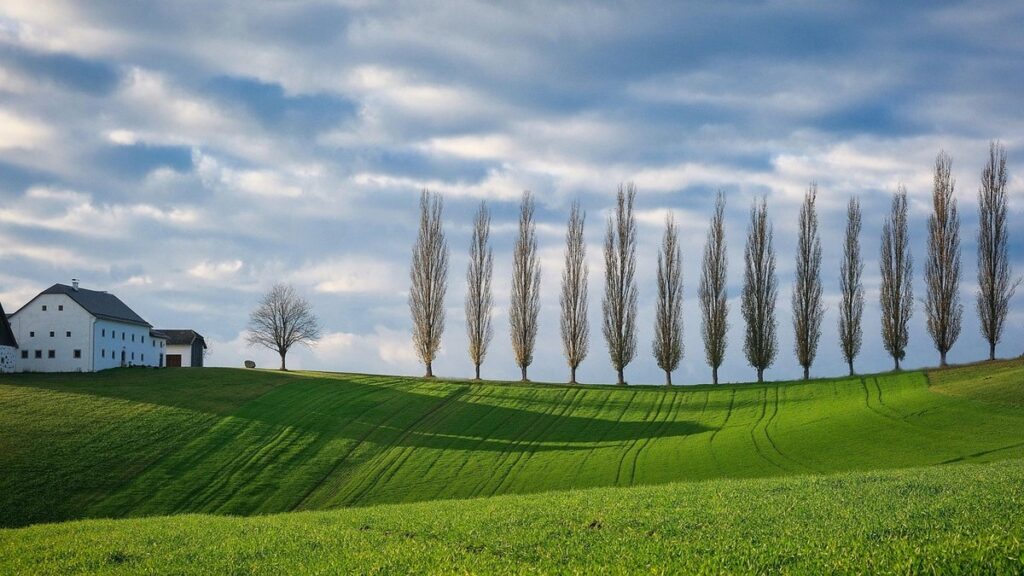
The Natural Beauty of the Countryside
The countryside is home to some of nature’s most breathtaking creations, from rolling hills to sparkling lakes and vibrant wildflowers. Let’s take a closer look at these stunning natural wonders that make the countryside so special.
Types of Landscapes and Ecosystems
The countryside is a realm of breathtaking diversity, where rolling hills give way to towering mountains, and serene valleys stretch towards the horizon. One of the most striking features of rural landscapes are the varied ecosystems that thrive within them. Take, for instance, the majestic forests that dot the countryside, their canopies a vibrant tapestry of green as far as the eye can see. These woodlands provide vital habitats for countless species, from towering trees to tiny insects.
Beyond forests lie the expansive grasslands, where wildflowers sway in the breeze and herds of grazing animals roam freely. Coastal areas are another gem, with their dramatic cliffs, hidden coves, and sandy beaches that invite exploration. Wetlands too hold a special place in the countryside’s ecological tapestry, supporting an astonishing array of plant and animal life.
Visitors to these landscapes can gain a deeper appreciation for nature by exploring specific ecosystems on foot or by bike, allowing them to experience firsthand the sights, sounds, and scents of each unique environment.
Wildlife Habitats and Conservation
Wildlife habitats and conservation are intricately linked to the preservation of rural ecosystems. Many species rely on specific habitats to survive, making it essential to protect these areas from degradation and fragmentation. Endangered species such as the red kite, a bird of prey native to Europe, require large tracts of land with minimal human disturbance.
Protected areas like national parks and wildlife reserves provide a safeguard for these habitats, but their effectiveness depends on management practices that balance conservation needs with local community requirements. For example, in some regions, farmers are incentivized to adopt sustainable agricultural methods that minimize habitat destruction and preserve biodiversity.
Conservation efforts in rural regions often involve collaboration between government agencies, non-profit organizations, and local communities. These partnerships can lead to the establishment of nature reserves, reintroduction programs for endangered species, and education initiatives to promote environmental awareness among residents and visitors alike. By supporting conservation efforts, you can contribute to preserving the natural beauty of the countryside for future generations.
History and Culture of Rural Areas
The history and culture of rural areas are deeply intertwined, reflecting the unique traditions and values that have developed over time. From ancient customs to modern-day practices, these stories are an essential part of the countryside’s charm.
Traditional Farming Practices and Methods
Traditional farming practices have been a cornerstone of rural life for centuries. Organic farming, where crops are grown without synthetic fertilizers or pesticides, is one such method that has seen a resurgence in popularity. This approach not only promotes soil health but also supports biodiversity and reduces environmental pollution.
Crop rotation is another technique employed by traditional farmers to maintain soil fertility and minimize pests and diseases. By alternating between different types of crops, they create an ecosystem where beneficial insects and microorganisms thrive. For instance, planting legumes like beans or lentils can fix nitrogen in the soil, making it available for subsequent crops.
Animal husbandry is also a vital part of traditional farming practices. Farmers often raise livestock on their own land, using natural grazing methods to promote healthy pastures. This approach not only provides a source of income but also helps maintain the balance between human and animal populations in rural areas. To adopt these practices, consider visiting local farms or participating in workshops that teach organic farming techniques.
Folklore and Heritage Sites
Rural areas are often home to a wealth of cultural heritage, with stories and legends passed down through generations. These tales can provide valuable insights into the lives and traditions of rural communities, from the mythical creatures said to inhabit certain landscapes to the superstitions surrounding specific natural features. For example, in some parts of England, it’s believed that the White Horse hill figure is a symbol of good luck, while in other areas, it’s thought to be a harbinger of doom.
When exploring heritage sites, consider visiting ancient monuments such as stone circles or burial mounds. These sites often provide a glimpse into the lives and rituals of long-lost cultures. Historic villages, too, can offer a fascinating look at how rural communities have evolved over time. Many museums in rural areas focus on local history and folklore, featuring exhibits on everything from traditional farming practices to folk music and dance.
Some notable examples of heritage sites include the Avebury Stone Circle in Wiltshire, England, and the Clachan Fada monument in Scotland. These sites not only offer a glimpse into the past but also provide opportunities for visitors to engage with local communities and learn about their customs and traditions. By exploring these cultural treasures, you can gain a deeper appreciation for the rich heritage of rural areas.
The Changing Face of Rural Life
As we venture into rural areas, it’s clear that traditional ways of life are giving way to new trends and innovations. From tech-savvy farms to eco-friendly villages, the countryside is undergoing a fascinating transformation.
Effects of Urbanization and Industrialization
Rural communities have long been shaped by the push and pull of urbanization and industrialization. The loss of traditional industries has had a profound impact on these areas, as factories and manufacturing facilities have closed, taking with them jobs and economic stability. This shift is exemplified in regions like Appalachia, where coal mining once provided a vital source of employment.
Changes in population dynamics are another significant consequence of urbanization and industrialization. As young people leave rural areas for cities in search of better job prospects, towns often experience brain drain and a shrinking workforce. This can lead to a shortage of skilled professionals, making it difficult for local businesses to grow and thrive.
The impact on the physical landscape is also evident. The construction of highways and interstates has fragmented habitats, isolating rural communities from one another and disrupting traditional transportation networks. Furthermore, the expansion of industrial agriculture has led to widespread deforestation and habitat destruction, threatening biodiversity and ecosystem health.
New Opportunities for Rural Development
Rural areas are increasingly embracing eco-tourism as a way to revitalize local economies. This involves developing infrastructure and services that cater to nature-loving visitors, such as hiking trails, birdwatching routes, and accommodations with a focus on sustainability. For instance, a rural community might invest in building a network of bike paths or installing solar-powered charging stations for electric vehicles.
Renewable energy projects are another area of opportunity. Communities can explore options like wind farms, hydroelectric power, or biogas production from agricultural waste. These initiatives not only reduce reliance on fossil fuels but also create jobs and stimulate local economies. To get started, communities might consider conducting feasibility studies to assess their resource potential.
Digital entrepreneurship is also gaining traction in rural areas. With the rise of remote work and digital nomadism, many individuals are looking for peaceful environments where they can set up their businesses or work from home. Rural communities can capitalize on this trend by investing in reliable internet infrastructure, coworking spaces, and business support services. This can bring new economic opportunities and help revitalize local towns and villages.
Practical Guide to Visiting and Exploring the Countryside
Whether you’re a seasoned explorer or just looking for a relaxing getaway, we’ll show you how to make the most of your countryside visit by focusing on the essentials.
From planning your itinerary to navigating rural roads and trails, we’ve got you covered.
Essential Gear and Preparation
When venturing into the countryside, it’s essential to pack the right gear and prepare for varying weather conditions. A comfortable pair of hiking boots or sturdy shoes with good grip is a must-have for exploring rugged terrain. Bring layers of breathable clothing that can be easily added or removed as needed, as the temperature can fluctuate significantly between morning and afternoon.
Don’t forget essentials like sunscreen with high SPF, a hat with a wide brim, and polarized sunglasses to protect yourself from harsh sunlight. If you plan on engaging in water activities, such as fishing or canoeing, bring waterproof bags or dry sacks to keep your gear dry. Insect repellent is also crucial, especially during peak mosquito season.
For safety, carry a basic first-aid kit that includes essentials like bandages, antiseptic wipes, and pain relievers. Bring a map or GPS device and inform someone about your itinerary, including where you’ll be going and when you plan to return. Consider investing in a personal locator beacon (PLB) if you’re venturing into remote areas with no cell phone signal.
Safety Precautions and Emergency Planning
When venturing into the countryside, it’s essential to be prepared for emergencies. Wilderness areas can be unforgiving, with dense foliage making it easy to get lost. Always carry a map and compass, and know how to use them. Consider investing in a GPS device or downloading a mapping app on your smartphone.
Inclement weather is another concern. The countryside can experience sudden downpours, thunderstorms, or even extreme temperatures. Pack accordingly: bring waterproof gear, warm layers, and sun protection. Be aware of the forecast before heading out, but also know how to respond if the weather changes unexpectedly. If you’re caught in a storm, find shelter – preferably under a tree with low-hanging branches or in a vehicle.
Emergency planning is crucial. Carry a basic first aid kit, including supplies for treating injuries and illnesses. Know how to administer CPR and use an EpiPen. In case of a serious emergency, keep a whistle handy to signal for help. Familiarize yourself with local emergency services’ contact numbers and know the nearest hospital or medical facility.
In remote areas, cell phone reception may be spotty. Consider carrying a two-way radio or satellite phone to stay in touch with your group. When hiking, inform someone about your itinerary and expected return time.
The Economic Importance of Rural Areas
Rural areas play a vital role in the national economy, generating significant revenue through industries such as agriculture and forestry. We’ll examine how these areas contribute to local and national economic growth.
Contribution to Local Economies
Rural areas contribute significantly to local economies through a variety of channels. Tourism is one major contributor, with visitors drawn to scenic landscapes, historic sites, and outdoor activities such as hiking and fishing. These tourists often stay in rural accommodations like bed-and-breakfasts or vacation rentals, supporting local businesses and injecting money into the economy.
Agriculture is another vital sector, providing fresh produce and other essential products to both local communities and national markets. Many small-scale farmers in rural areas focus on growing specialty crops, such as organic fruits and vegetables, which command high prices in urban centers.
Small business entrepreneurship also plays a crucial role, with entrepreneurs starting up shops, cafes, and services that cater to tourists and locals alike. These businesses often take advantage of rural settings by offering unique experiences like farm-to-table meals or horseback riding lessons.
Challenges Facing Rural Communities
Rural communities face a unique set of challenges that impact their economic and social development. Limited job opportunities are a significant concern, particularly for young people who may feel forced to leave their homes in search of work. This can lead to brain drain, as skilled individuals depart rural areas in favor of cities with more diverse economies.
The lack of infrastructure is another major challenge facing rural communities. Inadequate roads, limited public transportation options, and poor internet connectivity hinder economic growth and make it difficult for residents to access essential services such as healthcare and education. Many rural areas also struggle with access to clean water, sanitation facilities, and other basic necessities.
These challenges can be particularly acute in rural areas that are isolated or have been affected by industrial decline. In such cases, the local economy may rely heavily on a single industry, making it vulnerable to fluctuations in demand or market trends. To mitigate these effects, some rural communities are exploring innovative solutions, such as cooperative businesses and community-led initiatives.
The Future of the Countryside
As we look ahead, it’s clear that rural areas will play a vital role in shaping our future, from sustainable agriculture to innovative technologies. We’ll examine how these emerging trends are transforming countryside communities.
Emerging Trends and Innovations
Sustainable agriculture is gaining traction in rural areas as farmers adopt regenerative practices to improve soil health and reduce environmental impact. This approach involves techniques such as no-till farming, crop rotation, and integrating livestock grazing to promote biodiversity. For instance, some farmers are using cover crops to replenish nutrients and prevent erosion, while others are incorporating agroforestry to create habitats for beneficial insects.
Green technologies, like renewable energy systems and eco-friendly infrastructure, are also being implemented in rural communities. Solar panels and wind turbines can provide power for farms and homes, reducing reliance on fossil fuels and lowering energy costs. Additionally, some towns are installing green roofs, rain gardens, and permeable pavement to manage stormwater runoff and improve water quality.
Community-led initiatives are another emerging trend in rural areas. Co-ops and cooperatives are forming to support local food systems, provide access to fresh produce, and promote social connections among residents. These collaborative efforts often involve shared knowledge, resources, and infrastructure, enabling communities to take ownership of their development and create more resilient and sustainable futures.
Opportunities for Collaboration and Partnership
Collaboration between rural communities, organizations, and governments is crucial to addressing common challenges and creating a more resilient countryside. One notable example of successful partnership is the Scottish Rural Action initiative, which brought together government agencies, NGOs, and local stakeholders to promote sustainable development and community engagement.
To foster collaboration, it’s essential to establish clear communication channels and trust-building mechanisms among partners. This can be achieved through regular meetings, joint planning exercises, and shared resource allocation. For instance, the UK’s Countryside Stewardship Scheme enables farmers, conservationists, and government agencies to work together on environmental projects.
Other opportunities for collaboration include:
- Developing community-led plans that integrate rural development with nature conservation
- Sharing best practices in sustainable agriculture, forestry, and wildlife management
- Creating joint research initiatives to address pressing issues like climate change and biodiversity loss
- Establishing networks of rural ambassadors who can promote local initiatives and foster partnerships within their communities
Frequently Asked Questions
Can I visit rural areas with mobility issues?
Yes, many rural areas now have accessible paths and trails, and some attractions offer adapted facilities. Research ahead of time to plan your trip and ensure accessibility.
How can I support local conservation efforts when visiting the countryside?
Consider donating to local wildlife trusts or participating in citizen science projects. Many rural communities also rely on volunteers for conservation work; look into opportunities to get involved during your visit.
What if I encounter an emergency while exploring the countryside, such as a medical issue or getting lost?
Stay calm and try to find a safe location. If possible, call for help using a phone or two-way radio, and be prepared to provide information about your location and situation. Bring a basic first aid kit and know how to use it.
Can I start an eco-tourism business in a rural area, and what are the key considerations?
Yes, but it’s essential to involve local stakeholders in planning and ensure that your business benefits the community. Research relevant regulations and permits, and consider working with a consultant or mentor to develop a sustainable and successful operation.
How can I balance my desire for solitude while exploring the countryside with the need to respect private property and wildlife habitats?
Be mindful of posted signs and closures, and always stay on designated paths to avoid trespassing. Keep a safe distance from wildlife, and be aware of your surroundings to minimize impact on the environment.

