
France is home to thousands of tiny villages that are steeped in history, charm, and character. From the sun-kissed hills of Provence to the rugged mountains of the Pyrenees, these small towns have preserved their unique identity despite the passage of time. Whether nestled by the sea or tucked away in a remote valley, each village has its own distinct story to tell – from the cobblestone streets and half-timbered houses to the vibrant markets and festivals that bring them to life.
These villages not only showcase France’s rich cultural heritage but also play a vital role in local daily life. As tourism continues to grow, it’s essential for preservation efforts to balance the economic benefits with the need to protect these towns’ unique character. In this article, you’ll get an insider’s look at what makes these charming villages tick, including their history, architecture, and cultural significance – and gain valuable insights into how they’re adapting to the challenges of modern tourism.
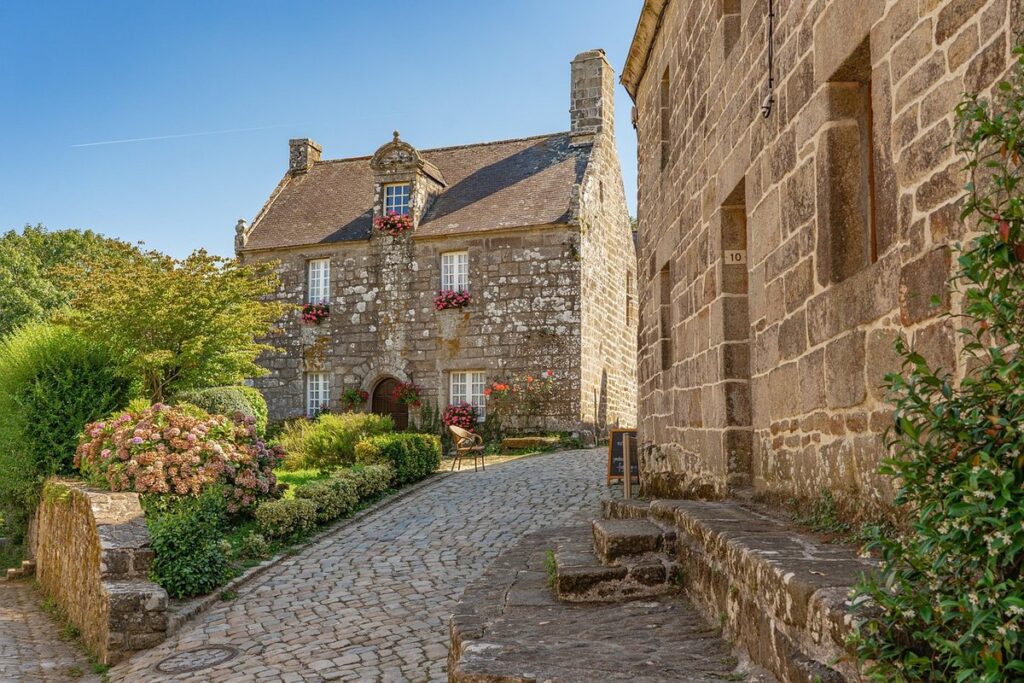
Discovering the Hidden Gems
As we venture into the lesser-known corners of rural France, you’ll discover quaint villages that showcase the country’s authentic charm. From medieval architecture to tranquil countryside scenery.
What are French Villages?
In France, a village is typically defined as a small rural settlement with a population ranging from a few dozen to several thousand residents. These villages often have a distinct historical and cultural identity shaped by their geography and local traditions. To qualify as a village, an area must be recognized as such by the French government, which grants it specific benefits and designations.
Geographically, French villages can vary significantly in size and layout. Some are perched on hilltops, while others cluster around rivers or coastlines. Many have narrow, cobblestone streets lined with ancient stone buildings, giving them a charming, medieval atmosphere. Even small villages may boast beautiful church steeples, historic châteaux, or picturesque town halls.
In terms of size, French villages are generally smaller than towns and cities, but larger than hamlets or isolated farmsteads. The smallest villages often have only a handful of shops, cafes, and services, while larger ones might support a range of local businesses, including bakeries, restaurants, and artisanal workshops.
Types of French Villages
France’s villages are as diverse as they are charming, each with its unique character shaped by geography, history, and culture. Seaside villages like Saint-Cirq-Cap-Ferret on the Atlantic coast offer a tranquil retreat from the world, their pristine beaches and quaint harbor-side cafes a haven for beachgoers and sailors alike.
In contrast, mountain villages such as Annecy in the French Alps provide breathtaking views of snow-capped peaks and shimmering lakes. These picturesque towns often preserve traditional architecture and customs, making them perfect destinations for those seeking an authentic Alpine experience.
Perched on hills or cliffs, villages like Gordes in Provence defy gravity with their precarious yet majestic settings. Built atop rocky outcrops, these perched villages offer panoramic views of the surrounding countryside and create a sense of drama and romance.
Lastly, some villages are nestled deep within valleys or along winding rivers, such as those found in the Dordogne region. These charming towns often boast rich history, cultural attractions, and outdoor activities like kayaking or hiking.
Each type of village offers a distinct experience, so it’s essential to choose the one that best suits your preferences and interests when planning your trip to rural France.
The Most Charming Villages in France
France is home to countless charming villages, each with its own unique character and allure, from rolling vineyards to quaint medieval streets. In this next part of our journey, we’ll explore some of these hidden gems.
Top 10 Must-Visit Villages
Perched on hilltops, surrounded by vineyards, and boasting cobblestone streets, these villages are a treasure trove of French charm. When planning your trip to France, consider visiting these top 10 must-visit villages:
• Giverny: Famous for its impressionist connections, Claude Monet’s former home is now a museum showcasing his water lily paintings. Explore the beautiful gardens and see how they inspired some of his most famous works.
• Annecy: Nicknamed the “Venice of the Alps,” this village features canals, colorful buildings, and a medieval old town. Take a stroll along the Thiou River and enjoy the breathtaking views of surrounding mountains.
• Saint-Cirq-Lapopie: Perched on a rocky outcrop, this 13th-century village is known for its stunning architecture and picturesque setting. Wander through its narrow streets and discover the many shops, galleries, and cafes.
• Sarlat-la-Canéda: This charming medieval town is famous for its well-preserved architecture and delicious cuisine. Sample local specialties like truffles and foie gras, and explore the town’s historic center.
• Roussillon: Located in the Luberon region, this village boasts stunning views of the surrounding countryside. Its unique ochre-colored buildings are a sight to behold, and its natural surroundings make it perfect for hiking and exploring.
• Aix-en-Provence: This elegant village is known for its thermal springs, beautiful fountains, and rich cultural heritage. Visit the famous Cours Mirabeau and explore the village’s many art galleries and museums.
• Beaufort: Located in the Dordogne region, this 16th-century village features a stunning castle and picturesque streets. Take a stroll along the River Vézère and enjoy the beautiful scenery.
• Eygalières: This charming village is known for its stunning architecture, beautiful gardens, and rich history. Explore its narrow streets and discover its many shops, cafes, and art galleries.
• Menerbes: Located in the Luberon region, this 16th-century village features a stunning church and picturesque views of the surrounding countryside. Take a stroll along its cobblestone streets and enjoy the beautiful scenery.
• Saint-Paul-de-Vence: This charming medieval town is known for its well-preserved architecture, stunning views, and rich cultural heritage. Visit its famous art galleries and explore the village’s many narrow streets and alleys.
Honfleur: A Classic Example
Honfleur’s picturesque harbor is a testament to its rich maritime history. This former fishing village has been a haven for artists and writers since the 19th century, when Claude Monet and Eugene Boudin set up their easels along the waterfront. The village’s unique blend of Gothic Revival and half-timbered architecture, with steeply pitched roofs and ornate facades, is characterized by its use of local stone.
The Sainte-Catherine Church, built in the 16th century, features an imposing bell tower that dominates the town’s skyline. Its distinctive façade, adorned with intricate carvings, sets it apart from other examples of French church architecture. Visitors can explore the village’s cobblestone streets and admire its charming boutiques, art galleries, and restaurants.
Honfleur is also famous for its annual summer festivals, which celebrate the village’s artistic heritage with concerts, theater performances, and exhibitions showcasing local artisans’ work. For those who want to experience the authentic charm of Honfleur, it’s best to visit during the shoulder season (April-May or September-October), when the crowds are smaller and the weather is still pleasant.
Exploring the Villages of Provence
As we wander through the picturesque villages of Provence, you’ll discover hidden gems that showcase the region’s unique culture and history. From cobblestone streets to charming markets, each village has its own distinct character.
The Rolling Hills and Vineyards
Provence’s villages are nestled within a tapestry of rolling hills and vineyards, where the warm Mediterranean climate nurtures some of France’s most renowned wine production. As you wander through these picturesque landscapes, the scent of freshly harvested grapes and herbs wafts through the air, teasing your senses and inviting exploration. The scenic beauty of Provence’s villages is as much about their culinary delights as it is about their architectural charm.
The region’s rich terroir is ideal for growing a variety of grape varieties, including Grenache, Syrah, and Châteauneuf-du-Pape. Local wine producers offer tastings and tours, giving visitors a chance to sample some of the world’s best wines in their birthplace. When it comes to local cuisine, Provençal specialties like ratatouille, tapenade, and bouillabaisse are staples of village restaurants, often made with fresh ingredients from surrounding markets.
To fully immerse yourself in this culinary experience, consider visiting during the harvest season (September to November) when villages like Gordes, Roussillon, and Menerbes host wine festivals and fairs. Take a guided hike through vineyards or explore villages on foot to discover hidden gems and charming bistros serving local delicacies. Be sure to try some of the region’s artisanal cheeses, such as goat cheese from the Comtat Venaissin area, which pairs perfectly with a glass of chilled rosé.
Gordes: A Perched Village in the Luberon
Gordes is a quintessential Provençal village perched atop a limestone outcrop, offering breathtaking views of the Luberon countryside. Its unique architecture, influenced by medieval and Renaissance styles, features stone houses with steeply pitched roofs, often adorned with brightly colored shutters. The village’s artistic history is evident in its numerous galleries and museums, showcasing works by local artists and hosting exhibitions throughout the year.
One of Gordes’ main attractions is the Château de Gordes, a 12th-century fortress that now serves as a museum and event space. Visitors can explore the castle’s ramparts, towers, and gardens, which provide stunning views of the surrounding landscape. The village also hosts an annual festival celebrating its artistic heritage, featuring live music, dance performances, and art exhibitions.
When visiting Gordes, be sure to wander the narrow cobblestone streets and alleys, discovering hidden courtyards, flower-filled patios, and charming boutiques selling local handicrafts and souvenirs. The village’s many restaurants and cafes serve traditional Provençal cuisine, using fresh ingredients from the surrounding farms and markets. With its rich history, artistic vibe, and picturesque setting, Gordes is a must-visit destination for anyone exploring the charm of small villages in France.
Discovering the Villages of Normandy
As you wander through the picturesque countryside of Normandy, you’ll stumble upon charming villages that showcase the region’s rich history and culture. These hidden gems are waiting to be discovered on your French adventure.
The D-Day Landing Beaches and Beyond
Normandy’s villages hold a significant place in history, particularly those related to World War II and the D-Day landings. The beaches of Omaha Beach, Utah Beach, and Gold Beach are just a few examples of the pivotal locations where Allied forces stormed ashore on June 6, 1944. Visitors can walk along these beaches and pay their respects at the American Cemetery in Colleville-sur-Mer, which honors the lives lost during the liberation of Western Europe.
Beyond the D-Day landing beaches, villages like Arromanches-les-Bains and Bayeux showcase their own unique histories. Arromanches is home to the famous Mulberry Harbour, a temporary harbor that played a crucial role in the Allied invasion. Visitors can explore the remains of the harbour and learn about its significance at the nearby museum. Bayeux, meanwhile, boasts an impressive war memorial and museum dedicated to the Battle of Normandy.
When exploring these villages, consider visiting during the summer months when reenactments and commemorations take place to honor the sacrifices made by soldiers during World War II. This immersive experience allows visitors to connect with the region’s rich history and pay their respects to those who fought for freedom.
Honoring the Past in Etretat
Etretat, a picturesque village on the Normandy coast, is a treasure trove of artistic and literary connections. The village’s unique landscape has inspired numerous artists, including Claude Monet, who painted the iconic ‘The Portal of Rouelles’ series here. Visitors can walk through the same paths that influenced his work and experience the breathtaking scenery that sparked his creativity.
Etretat’s rich history is also evident in its architecture, with many buildings dating back to the 19th century. The village’s literary connections are equally impressive, having been a favorite haunt of French writer Gustave Flaubert. He often stayed at the local hotel, now known as La Mère Loeuille, which still maintains much of its original charm.
For art lovers and history enthusiasts, Etretat offers a wealth of opportunities to engage with the village’s cultural heritage. Visitors can take guided tours of the village’s historic buildings, attend lectures on its artistic significance, or participate in workshops inspired by Monet’s techniques. By exploring Etretat’s past, visitors can gain a deeper appreciation for the village’s enduring charm and the artists who helped shape its reputation.
Life in a French Village
Imagine waking up each morning to the sound of birds singing and the scent of freshly baked croissants wafting from the local bakery. Let’s take a closer look at what daily life is like in these picturesque villages.
Daily Life and Traditions
Daily life in a French village is characterized by a strong sense of community and tradition. Locals often greet one another with a friendly “bonjour” as they go about their daily routines, which typically begin early to allow for a leisurely breakfast and some fresh air before the day’s work or school commences. Many villages still maintain traditional markets, where locals sell their produce, bread, and other essentials. On Saturdays, villagers often congregate at the town hall for a lively marché à la ferme, where they can purchase artisanal goods and socialize with friends.
Community spirit is palpable in these small villages, where neighbors frequently gather to share meals or participate in local festivals. For example, during the summer solstice, many villages host Fête de la Musique celebrations, featuring impromptu concerts and street performances that bring the community together. Visitors can often join in on these events, immersing themselves in the warm atmosphere and making new friends. By embracing the local customs and traditions, visitors can gain a deeper understanding of village life and forge meaningful connections with its residents.
The Role of Tourism in Supporting Local Economies
Tourism plays a vital role in supporting local economies in French villages. When done responsibly, tourism can provide a much-needed boost to village finances, particularly in regions where traditional industries have declined. A significant portion of village income comes from the sale of local products such as cheese, wine, and bread, which are often sold directly to tourists.
To support local communities during visits, consider purchasing goods directly from villagers rather than big-box stores or supermarkets. This not only ensures that your money stays within the community but also allows you to experience authentic village life. For example, buying a freshly baked baguette from a village bakery not only provides income for the baker but also helps preserve traditional baking techniques.
When visiting villages, it’s essential to be mindful of your impact on local resources and infrastructure. Be respectful of village traditions and customs, especially during peak tourist season. By being considerate visitors, we can help maintain the delicate balance between tourism and local life, ensuring that these charming villages continue to thrive for future generations.
Preserving France’s Village Heritage
As we wander through these picturesque villages, it’s essential to recognize the efforts being made to preserve their unique character and charm for future generations. Efforts like traditional stone restoration are underway in many of these historic hamlets.
Conservation Efforts and Challenges
Efforts are underway to preserve and restore the historic architecture and cultural heritage of these villages. The French government has established several initiatives, such as the “Village Renaissance” program, which provides funding for restoration projects and encourages community-led conservation efforts.
Local communities are also taking an active role in preserving their village’s unique character. For example, the village of Giverny has implemented a comprehensive preservation plan that prioritizes the protection of its historic buildings, bridges, and gardens. Visitors can participate in guided tours to learn about the restoration process and appreciate the community’s dedication to preserving its heritage.
Despite these efforts, challenges persist. Many villages face financial constraints, making it difficult to secure funding for necessary repairs and maintenance. Additionally, over-tourism can put pressure on local infrastructure and strain resources, threatening the very character that tourists come to experience. To mitigate these effects, some villages are adopting sustainable tourism practices, such as limiting visitor numbers or promoting environmentally-friendly accommodations.
These challenges highlight the need for continued support from both local authorities and visitors. By understanding the complexities of village preservation, travelers can better appreciate the efforts being made to safeguard these charming destinations.
Community-Led Initiatives and Sustainable Tourism Practices
Many French villages have successfully implemented community-led initiatives and sustainable tourism practices to preserve their heritage while promoting responsible travel. For instance, the village of Giverny has established a “slow tourism” policy, encouraging visitors to explore at a leisurely pace and respect local residents’ daily lives. This approach allows tourists to appreciate the village’s charm without overwhelming its narrow streets.
In some villages, local authorities have partnered with eco-friendly tour operators to offer guided tours that focus on sustainable practices and environmental conservation. These initiatives not only support local economies but also raise awareness about the importance of preserving natural resources and cultural heritage.
Examples of community-led projects include the restoration of historic buildings using traditional techniques and materials, as well as the creation of community gardens and green spaces. The village of Rocamadour, for example, has implemented a innovative waste management system that reduces plastic waste and promotes recycling.
Tourists can support these initiatives by choosing eco-certified accommodations, participating in guided tours led by local experts, and respecting local customs and traditions. By adopting responsible travel habits, visitors can contribute to the preservation of France’s village heritage while enjoying an authentic experience.
Frequently Asked Questions
Can I Visit Small Villages in France on a Budget?
Yes, visiting small villages in France can be done on a budget if you plan carefully. Consider traveling during the off-season or staying in accommodations outside of peak tourist areas. Look for free walking tours or self-guided visits to explore villages without breaking the bank.
How Do I Support Local Communities When Visiting These Villages?
Supporting local communities is crucial when visiting small villages in France. Research local businesses and restaurants, and try to patronize them instead of international chains. Also, consider staying in family-run accommodations or homestays to directly contribute to the local economy.
What If I Want to Live in a Small Village in France? Can I Do That?
Yes, it’s possible to live in a small village in France, but it requires careful planning and research. Consider factors like language proficiency, cultural adaptation, and job opportunities before making the move. Many villages offer expat communities or resources for newcomers.
Are There Any Specific Safety Concerns I Should Be Aware of When Visiting These Villages?
Yes, as with any travel destination, there are safety concerns to be aware of when visiting small villages in France. Research local crime statistics and take necessary precautions, especially at night. Additionally, respect local customs and traditions, particularly during festivals or celebrations.
Can I Visit Small Villages in France with My Family, Including Children?
Yes, many small villages in France are family-friendly and welcoming to visitors of all ages. Look for villas or vacation rentals that cater to families, and consider visiting during the shoulder season when attractions are less crowded. Some villages also offer activities specifically designed for children, such as workshops or outdoor games.

