
Sustainable food is not just a trend or a fad; it’s a crucial step towards a healthier planet. By choosing sustainable options, you can significantly reduce your environmental impact, improve public health, and support local communities that are essential to our ecosystem. The way we produce, distribute, and consume food has a profound effect on the world around us, from deforestation and water pollution to greenhouse gas emissions and food waste. Yet, by making conscious choices about what we eat, we can make a tangible difference. This article will explore the benefits of sustainable food in detail, providing practical tips and strategies for incorporating it into your lifestyle. By the end of this guide, you’ll know how to reduce your environmental impact, improve your health, and support local communities through the simple act of choosing what you eat.
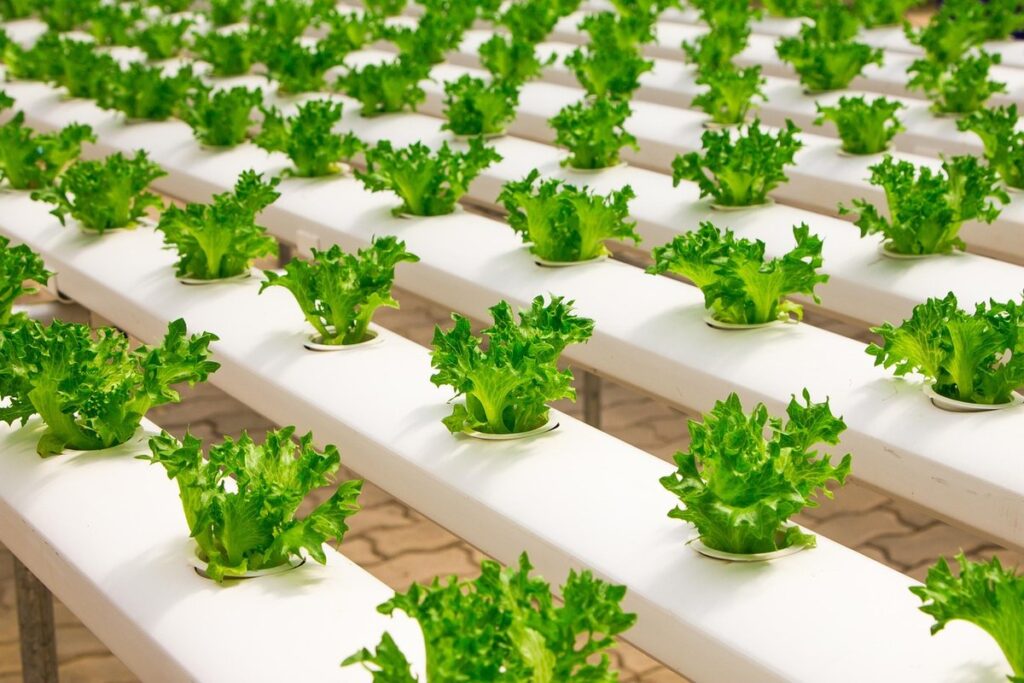
Understanding Sustainable Food
When it comes to making sustainable food choices, understanding where your food comes from and how it’s produced is a crucial first step. Let’s take a closer look at the factors that impact our planet’s resources.
What is Sustainable Food?
Sustainable food is produced and distributed using methods that prioritize environmental conservation, social responsibility, and animal welfare. At its core, sustainable agriculture involves practices like crop rotation, which helps maintain soil fertility and reduces reliance on synthetic fertilizers. Organic farming methods eschew the use of pesticides, herbicides, and genetically modified organisms (GMOs), minimizing harm to beneficial insects and microorganisms.
Regenerative practices take this a step further by focusing on rebuilding soil health through techniques like no-till or reduced-till farming, cover cropping, and integrating livestock grazing. This approach not only mitigates climate change but also enhances biodiversity and promotes ecosystem services. By adopting these methods, farmers can sequester carbon, improve water retention, and reduce synthetic inputs.
In contrast to conventional agriculture, which often prioritizes efficiency and profit over environmental concerns, sustainable food systems prioritize long-term sustainability. This means considering the impact of farming practices on soil, water, air, and local ecosystems. By choosing sustainable food options, consumers can support farmers who adopt these environmentally friendly methods, driving demand for more regenerative practices in the industry.
The Impact of Unsustainable Food Systems
The widespread adoption of industrial agriculture has led to a range of negative consequences that affect not only the environment but also public health and local communities. Deforestation is one of the most pressing issues, as large areas of forest are cleared to make way for crop monocultures and livestock grazing.
This deforestation contributes to greenhouse gas emissions, primarily through the release of stored carbon into the atmosphere. Moreover, it disrupts delicate ecosystems, leading to soil erosion and loss of biodiversity. The impact on water resources is equally concerning: intensive farming practices often result in fertilizer runoff, polluting nearby waterways and contaminating drinking supplies.
Beyond environmental degradation, industrial agriculture has also been linked to increased rates of antibiotic resistance, pesticide exposure, and chronic diseases like obesity and diabetes. These health concerns arise from the reliance on cheap, processed foods that are often produced using unsustainable methods.
To mitigate these effects, consider choosing seasonal produce grown locally whenever possible. This not only reduces transportation emissions but also supports local farmers who prioritize regenerative practices.
Sustainable Food vs. Organic: What’s the Difference?
When it comes to sustainable food and organic food, many people use these terms interchangeably. However, there are distinct differences between them. Organic food production focuses on avoiding synthetic pesticides, herbicides, and fertilizers. The US Department of Agriculture (USDA) sets strict guidelines for organic labeling, which includes a minimum 3-year transition period before farms can be certified.
In contrast, sustainable food encompasses not only organic practices but also environmentally friendly methods like regenerative agriculture and agroforestry. Regenerative agriculture aims to enhance soil health through practices that promote biodiversity and reduce synthetic inputs. Sustainable food also considers the social aspects of production, such as fair labor conditions for farmworkers.
To illustrate these differences, consider a local farm that uses organic practices but has limited crop rotation and relies heavily on irrigation. This farm might be labeled as organic, but it doesn’t necessarily contribute to long-term environmental health. A more sustainable approach would involve implementing regenerative agriculture techniques like cover cropping or integrating livestock grazing to promote soil fertility and reduce synthetic inputs.
Benefits of Sustainable Food
Eating sustainable food can have a significant impact on both your health and the environment, offering numerous benefits that extend beyond just reducing carbon emissions. By incorporating eco-friendly foods into your diet, you’ll be taking a crucial step towards creating positive change.
Reducing Greenhouse Gas Emissions
Agriculture is a significant contributor to greenhouse gas emissions, accounting for around 25% of global emissions. This is largely due to the production and transportation of meat, especially beef, which requires vast amounts of land, water, and energy. However, not all agricultural practices are created equal.
Carbon sequestration through regenerative agriculture can help mitigate some of these effects. Regenerative farmers prioritize soil health by incorporating organic amendments like compost or manure, reducing synthetic fertilizer use, and implementing crop rotation. This approach not only reduces emissions but also enhances soil’s ability to store carbon. For example, a study in Africa found that regenerative farming practices increased soil carbon by up to 40% over a period of five years.
Reducing synthetic fertilizer use is another key aspect of sustainable agriculture. These chemicals can lead to the release of nitrous oxide and ammonia, potent greenhouse gases. By adopting more holistic approaches to crop management, farmers can reduce their reliance on these pollutants and promote healthier soil ecosystems. When shopping for sustainable food, look for products that are certified as regenerative or use organic practices – this is a clear indicator of reduced environmental impact.
Supporting Local Communities and Economies
When you choose sustainable food options, you’re not just making a healthier choice for yourself and the environment – you’re also supporting local communities and economies. One of the key economic benefits of sustainable food is its ability to boost local farmers’ incomes and promote rural development.
By purchasing produce from local farms, you’re putting money directly into the pockets of those who grow your food. This injection of funds can help local farmers expand their operations, invest in new equipment, and improve working conditions for their employees. As a result, rural communities begin to thrive as local economies grow.
Sustainable agriculture also creates jobs in agriculture, from farmhands to business managers, providing opportunities for people in rural areas to earn a living wage. In the United States, for example, the organic farming industry alone supports over 1 million jobs. By choosing sustainable food options, you’re contributing to this trend and helping to create a more equitable economy that benefits both producers and consumers.
To make the most of these economic benefits, consider buying directly from local farmers or through community-supported agriculture (CSA) programs. These models allow you to purchase produce at fair prices while also supporting the growth of local economies.
Improving Public Health through Sustainable Food
When you eat a diet rich in sustainably sourced produce, you’re reducing your exposure to pesticides, antibiotics, and other pollutants found in conventional farming practices. This is particularly important for vulnerable populations like children, pregnant women, and older adults who may be more susceptible to the effects of these toxins.
One way to minimize exposure is by choosing organic options when possible. However, not all organic produce is created equal – some may still contain residues of pesticides or other chemicals. To make informed choices, check your local farmer’s market or grocery store for “Dirty Dozen” and “Clean Fifteen” lists, which highlight the most contaminated and clean produce.
In addition to choosing organic options, you can also reduce exposure by eating a variety of fruits and vegetables from different regions and seasons. This helps ensure that no single crop is over-reliant on chemical pesticides or fertilizers. Focus on seasonal, locally sourced produce when possible, and explore new fruits and veggies to keep your diet diverse and balanced.
Sustainable Food for Beginners
Starting small is key when it comes to sustainable eating, so let’s begin by exploring some simple swaps you can make in your daily meals to live more lightly on the planet.
Getting Started with Sustainable Food Shopping
To get started with sustainable food shopping, it’s essential to know where to look. One of the best places to find sustainable options is at a local farmers’ market. These markets typically feature multiple vendors selling fresh produce, meats, and dairy products directly from their farms or producers. By buying directly from the source, you’re cutting out intermediaries and supporting small-scale agriculture.
Another great option is community-supported agriculture (CSA) programs. These programs allow consumers to purchase a share of a farm’s output on a regular basis, often weekly or biweekly. In return, they receive a box of fresh produce, which may include fruits, vegetables, herbs, and sometimes even meat or dairy products.
Online directories can also be a valuable resource for finding sustainable food options in your area. Websites like Local Harvest and the USDA’s National Farmers Market Directory allow you to search for farmers’ markets, CSAs, and other sources of locally grown produce near you. By using these resources, you can start making more informed choices about where your food comes from and how it’s produced.
Making the Switch: A Beginner’s Guide to Meal Planning
When making the switch to sustainable food, meal planning is a crucial step. It helps you use up ingredients efficiently, reduces food waste, and ensures that you’re cooking with seasonal and locally sourced produce. Start by planning meals around what’s in season and available at your local farmers’ market or grocery store.
Consider a “meatless Monday” or a “veggie-packed weeknight” to incorporate more plant-based dishes into your routine. You can also try meal prepping on the weekends, setting aside time to chop vegetables, marinate proteins, and portion out ingredients for the next few days.
Some essential pantry staples for sustainable meal planning include olive oil, whole grains like brown rice or quinoa, and a variety of spices and herbs. Don’t be afraid to get creative with leftovers – turn last night’s dinner into tomorrow’s lunch by adding some fresh greens or a fried egg.
For recipe ideas, start simple: try roasting vegetables with olive oil and salt, or making a big batch of lentil soup that can be reheated throughout the week. Experiment with new spices and seasonings to add flavor without added preservatives or chemicals.
Overcoming Common Challenges in Sustainable Food Adoption
When transitioning to a more sustainable food lifestyle, many individuals face common obstacles. One of the main challenges is higher costs associated with purchasing locally sourced and organic produce. However, it’s essential to consider that buying in bulk or shopping at local farmers’ markets can often be more cost-effective than relying on conventional grocery stores.
Another challenge is limited availability of options in certain areas. To overcome this, you can try exploring online resources such as Local Harvest or Google Maps to find nearby farms and markets that sell fresh produce. Additionally, consider shopping during off-peak seasons when prices tend to drop.
Reliable sources are also a concern for many individuals. Look for local cooperatives or community-supported agriculture (CSA) programs that provide direct access to farmers and their products. These programs often offer weekly deliveries of fresh produce, reducing the need for frequent trips to the store and ensuring that you have a consistent supply of seasonal ingredients.
When evaluating options, prioritize quality over quantity. Focus on buying what’s in season and what grows well in your region, rather than relying on imported or exotic produce. By making these adjustments, you can overcome common challenges and adopt a more sustainable food lifestyle with greater ease.
Sustainable Food for Advanced Practitioners
As a more experienced practitioner of sustainable living, you’re likely looking for ways to refine your approach to food systems that support both people and planet. This next step explores advanced strategies for incorporating regenerative practices into daily meals.
Scaling Up: Large-Scale Sustainable Agriculture Initiatives
Large-scale sustainable agriculture initiatives are critical for addressing food system sustainability at a global level. One such approach is permaculture design, which involves creating diverse and resilient ecosystems that mimic natural patterns. Permaculture systems integrate trees, crops, and livestock to promote soil fertility, biodiversity, and efficient water use.
Agroforestry practices also play a significant role in large-scale sustainable agriculture. By integrating trees into agricultural landscapes, farmers can reduce soil erosion, increase crop yields, and provide habitat for beneficial wildlife. Regenerative agriculture techniques, such as no-till or reduced-till farming, help to build soil organic matter and promote carbon sequestration.
When implementing these approaches on a large scale, it’s essential to consider factors like climate, soil type, and existing ecosystem services. For example, in regions with high rainfall, agroforestry systems can be designed to capture excess water and reduce the risk of flooding. In areas with poor soil quality, permaculture design principles can help to improve fertility through the use of cover crops and compost.
These innovative approaches offer a promising path forward for large-scale sustainable agriculture initiatives, but they require careful planning, site-specific knowledge, and adaptability to local conditions.
Exploring Alternative Protein Sources
Alternative protein sources are gaining traction as a means of reducing environmental impact and promoting sustainability. One such example is plant-based diets, which have been shown to significantly lower greenhouse gas emissions compared to traditional meat-based diets. A study by the University of Oxford found that a well-planned vegan diet can reduce an individual’s carbon footprint by up to 50%. In addition to plant-based options, lab-grown meat is another innovative solution being explored. This technology allows for the production of meat without the need for large-scale animal agriculture, which accounts for around 14% of global greenhouse gas emissions.
Insect farming is also being considered as a viable alternative protein source. Companies like Six Foods and Exo Protein are already commercializing insect-based products such as cricket flour and mealworm bars. These products not only reduce environmental impact but also offer nutritional benefits, including high levels of protein and micronutrients. When incorporating alternative protein sources into your diet, consider the following factors: sourcing, production methods, and nutritional content. By being mindful of these aspects, you can make informed choices that align with your values and promote a more sustainable food system.
Community-Driven Sustainable Food Initiatives
Successful community-driven sustainable food initiatives are popping up across the globe, showcasing the potential of collective action to transform our food systems. Urban gardens like the High Line in New York City and the Phoenix Garden in London demonstrate how vacant lots can be repurposed as green spaces for growing fresh produce. These community-led projects often involve partnerships between local organizations, government agencies, and community groups.
Food cooperatives, another key example of community-driven sustainable food initiatives, allow members to pool their resources and purchase food at a lower cost. This model not only supports local farmers but also fosters a sense of community among its members. The East Bay Cooperative in California is an exemplary model, providing education on nutrition and cooking while promoting local agriculture.
To get involved in your own community’s sustainable food initiatives, start by researching local projects and organizations focused on sustainability and food access. Look for opportunities to volunteer or participate in events that promote sustainable food practices. Social enterprises like community-supported agriculture (CSA) programs also offer a chance to support local farmers while receiving fresh produce.
Community-driven initiatives can be replicated in any setting, from urban neighborhoods to rural towns. By supporting and participating in these projects, you’ll not only contribute to a more sustainable food system but also connect with like-minded individuals who share your values.
Frequently Asked Questions
How to Know If I’m Making Progress Toward a More Sustainable Food Lifestyle?
When adopting sustainable food habits, it can be difficult to measure progress. One way to gauge success is by tracking changes in your diet’s environmental impact through online calculators or by monitoring the amount of locally sourced and seasonal produce you consume. Additionally, pay attention to the number of farmers’ markets or CSA programs you participate in, as this can indicate a growing commitment to supporting local economies.
Can I Still Eat Meat If I Want to Follow a Sustainable Food Lifestyle?
Yes, it is possible to follow a sustainable food lifestyle while still consuming meat. Look for grass-fed beef, pasture-raised chicken, and wild-caught fish options whenever available. These alternatives tend to have lower environmental impacts than factory-farmed meats. When choosing sustainable meat sources, consider purchasing from local butchers or directly from farms that prioritize regenerative practices.
How Do I Choose Between Sustainable Food Options That Are Certified Organic vs. Regenerative?
While both organic and regenerative labels imply a focus on sustainability, they differ in their approaches to soil health, biodiversity, and water use. When deciding between the two, consider the specific production methods and environmental benefits associated with each label. Regenerative agriculture often prioritizes soil carbon sequestration and ecosystem services over conventional certification standards.
What If I Don’t Have Access to Sustainable Food Options in My Area?
If you live in an area with limited access to sustainable food options, explore online directories or apps that help you find locally sourced produce. You can also consider starting a community-supported agriculture (CSA) program or food cooperative in your neighborhood to increase availability of sustainable foods.
Is It More Expensive to Eat Sustainable Food Than Conventional Options?
The cost of sustainable food can vary depending on the specific options available and their production methods. However, many sustainable producers focus on building strong relationships with local consumers through direct sales models, which can make high-quality, sustainably produced foods more accessible at competitive prices.

