
Creating a beautiful and functional living room can be overwhelming, especially when faced with endless design options. You’ve probably scrolled through countless Pinterest boards and home decor magazines, but still struggle to decide on a cohesive look for your space. The truth is, simple interior design doesn’t have to mean boring or uninviting. By focusing on a few key elements – like a carefully chosen color palette, thoughtfully placed greenery, and intentional art selection – you can create a living room that feels both relaxing and stylish. In this article, we’ll explore the basics of simple living room interior design, from selecting a neutral background to incorporating statement pieces, so you can start creating your dream space with confidence. By the end of it, you’ll be able to create a beautiful and functional living room using simple yet effective design ideas.
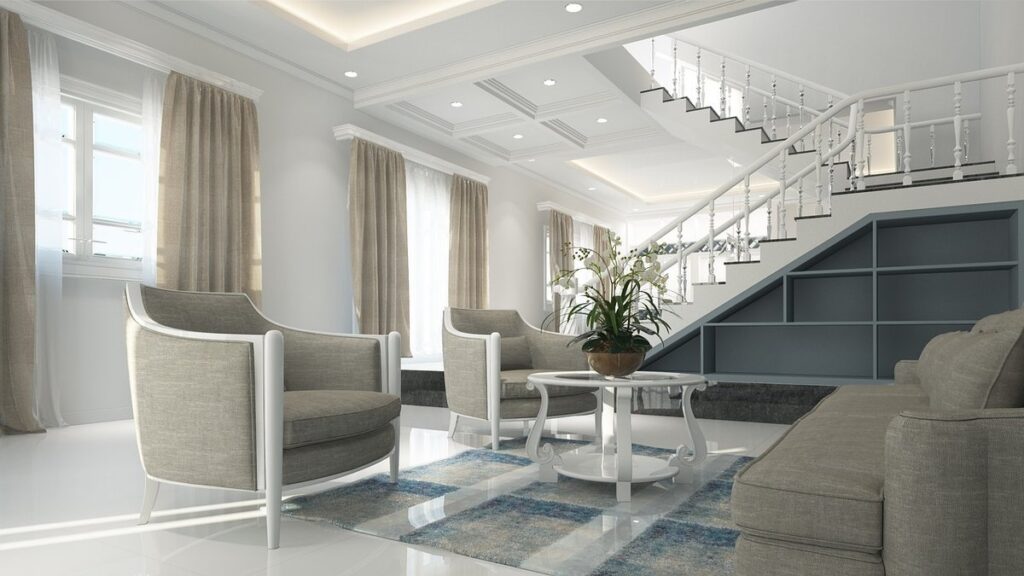
Creating a Cohesive Aesthetic
Now that you have a solid understanding of your living room’s style and size, it’s time to focus on creating a cohesive look by selecting furniture and decor that work together seamlessly. This involves balancing textures, colors, and shapes to achieve visual harmony.
Understanding Your Personal Style
To create a cohesive living room aesthetic, it’s essential to understand your personal style. Start by considering the design styles that resonate with you – do you prefer modern and sleek, traditional and ornate, or minimalist and understated? Take note of the elements within these styles that appeal to you: clean lines, bold patterns, rich textures, or natural materials.
Think about the spaces you’ve been in that have left a lasting impression on you. What made them memorable? Was it the abundance of greenery, the way light danced through the room, or the eclectic mix of vintage and modern pieces? Identify the common thread among these spaces – is it a sense of calmness, energy, or sophistication?
To distill your personal style further, create a Pinterest board or collect images that reflect your vision for your living room. Look for recurring themes in color palette, furniture shapes, and decorative accents. This exercise will help you clarify your design language and give you a clear direction for selecting pieces and making decorating decisions.
Setting the Color Palette
Choosing a color scheme for your living room is crucial to creating a cohesive aesthetic. A well-planned palette can tie together disparate elements and create a sense of visual harmony. When selecting colors, consider how they will interact with your furniture and decor. For example, if you have a bold-colored sofa, balance it with neutral tones on walls and accents.
To create a harmonious palette, start by thinking about the mood you want to evoke in your living room. Do you prefer calmness or energy? Cool colors like blues and greens can promote relaxation, while warm hues like oranges and yellows can stimulate conversation. Consider the natural light in your space as well – if it’s dimly lit, choose lighter shades to reflect what little light is available.
A 60-30-10 rule of thumb can guide your color selection: allocate 60% of the room to a dominant color, 30% to a secondary hue, and 10% to an accent color. This ratio ensures balance without overwhelming the senses. Remember that simplicity often means restraint – avoid over-accessorizing with too many colors or patterns. Stick to two to three main hues and use them consistently throughout the space for a harmonious look.
Choosing Furniture for a Simple Living Room
When it comes to creating a simple living room, choosing the right furniture is crucial. This section will guide you through selecting timeless pieces that promote a sense of calm and serenity.
Selecting Essential Pieces
When selecting essential pieces for a simple living room, it’s essential to prioritize functionality and versatility. Begin by measuring your space carefully, considering the flow of traffic and the location of any doorways or windows. This will help you determine which furniture items can fit comfortably without overwhelming the room.
A sofa is usually the centerpiece of a living room, so choose one that serves multiple purposes, such as a sectional with storage or a reclining model for added comfort. Consider pairing it with an armchair or accent chair, but be mindful of scale and proportion to avoid cluttering the space.
For a coffee table, opt for a low-profile option that doubles as a shelf or storage unit. This will help keep clutter at bay while maintaining visual interest. When selecting multi-functional furniture, think about items like ottomans with built-in storage or nesting tables that can be easily rearranged to suit different occasions. Avoid over-accessorizing by focusing on essential pieces that serve multiple purposes and leave ample space for breathing room.
Adding Accent Chairs and Ottomans
Accent chairs and ottomans play a crucial role in completing a simple living room design. They add depth and visual interest to the space without overwhelming it with too many patterns or textures. When selecting accent chairs, consider the existing pieces in the room and choose one that complements them in terms of style, shape, and material.
Opt for fabrics and materials that are easy to clean and maintain, such as velvet, linen, or leather. Avoid overly ornate or busy designs, instead opting for simple patterns like stripes or subtle textures. For ottomans, choose a neutral color that won’t compete with the existing furniture. You can also use them as additional seating or as a footrest.
In terms of style, pair a sleek, low-profile accent chair with a more minimalist sofa, and vice versa. Mixing styles can create visual interest, but be cautious not to overdo it. Consider the scale of the pieces: an oversized ottoman can overwhelm a small room, while a petite one might get lost in a larger space.
For a cohesive look, choose accent chairs and ottomans with matching or coordinating frames, even if they have different fabrics or textures. This will create a sense of continuity throughout the room.
Lighting Design for Ambiance
Creating ambiance with lighting is a crucial aspect of living room design, and we’ll explore how to use different light sources to set the mood in your home. From table lamps to floor lamps, let’s examine their unique effects on the space.
Natural Light Sources
Maximizing natural light is one of the simplest and most effective ways to create a warm and inviting living room. To start, consider the placement of furniture. Position large pieces away from windows to avoid blocking direct sunlight, but don’t push them too far – you want to maintain some visual connection to the outdoors. Mirrors can also work wonders in reflecting natural light and making a space feel brighter. Hang them opposite windows or place them at an angle to bounce light towards darker areas of the room.
Sheer curtains are another essential element for maximizing natural light. Opt for lightweight materials like cotton, linen, or silk that allow sunlight to filter through while keeping heat out. You can also choose sheer panels with a subtle pattern to add visual interest without blocking light. For example, a sheer curtain with a gentle leaf print can bring a touch of nature indoors without overwhelming the senses.
By strategically placing furniture, mirrors, and sheer curtains, you can create a bright and airy living room that feels connected to the outdoors. This approach is especially beneficial for smaller spaces or those with limited artificial lighting options. By embracing natural light, you can achieve a simple yet elegant aesthetic that requires minimal effort and expense.
Layered Artificial Lighting
Layered artificial lighting is a crucial element in creating ambiance in a living room. By combining different light sources, you can achieve a warm and inviting atmosphere that complements your personal style. Start with table lamps as the primary source of overhead lighting. Choose styles that fit your design aesthetic, such as minimalist metal or ornate ceramic.
Consider adding floor lamps to create pools of light on specific areas, like a reading nook or a conversation circle. These can be more dramatic and sculptural than table lamps, making them perfect for statement-making pieces. String lights or fairy lights add a whimsical touch and can be hung from the ceiling or wrapped around furniture.
When selecting lamp styles, consider their scale in relation to your furniture and room size. Oversized lamps can overwhelm small spaces, while tiny lamps might get lost in larger rooms. Balance your light sources by mixing table, floor, and string lights. A general rule of thumb is to have at least two to three main light sources with one or two additional accent lights.
Textiles and Patterns
Adding texture and visual interest to your living room is easy with textiles and patterns, which can instantly elevate a space without breaking the bank. Choose from a variety of materials, like throw blankets and rugs, to add depth and warmth.
Selecting Fabrics and Upholstery
When selecting upholstery fabrics and textiles for furniture, durability and maintenance are crucial considerations. You want to choose materials that can withstand regular use and cleaning, but also fit with your desired aesthetic. For a simple living room design, consider opting for low-maintenance fabrics like microfiber or performance velvet. These materials are easy to clean and resist stains well.
For added style, look for subtle patterns and textures rather than bold designs. A gentle tweed or linen can add visual interest without overwhelming the space. Avoid delicate or loose-weave fabrics that may show wear quickly. In terms of color, choose neutral tones like beige, gray, or navy that complement your overall design palette.
Consider the lifestyle of the people using the living room when selecting fabrics and textiles. If you have young children or pets, choose materials with built-in stain resistance or easy-clean treatments. Alternatively, if you’re looking for a more luxurious feel, consider high-quality wool or leather upholstery. Whatever your choice, prioritize fabrics that can withstand regular use while still fitting with your desired design aesthetic.
Adding Throws, Pillows, and Rugs
When it comes to adding depth and visual interest to a living room design, throw blankets, pillows, and area rugs are often overlooked but highly effective tools. A single statement piece can instantly elevate the space, while a collection of carefully chosen textiles can create a warm and inviting atmosphere.
To mix patterns and textures effectively, remember that contrast is key. Pair smooth, low-pile rugs with chunky knit throw blankets for a cozy contrast. Mix velvet pillows with linen or cotton ones to add depth. Avoid over-accessorizing – 3-4 statement pieces are enough to create visual interest without overwhelming the space.
Consider the room’s purpose and how you’ll use it when selecting textiles. For example, if the living room is also a home office, opt for durable, stain-resistant fabrics. If it’s a reading nook, choose plush throw blankets in soft colors. Balance bold patterns with neutral-colored rugs to prevent visual overload. And don’t forget to leave some space between textures and patterns – too much can make the room feel cluttered and busy.
Incorporating Greenery and Art
Bring some visual interest to your living room by combining plants, sculptures, and artwork in creative ways that reflect your personal style. This eclectic mix can add depth and personality to your space instantly.
Choosing Plants for Your Space
When selecting plants for your living room, it’s essential to choose species that can thrive in indoor conditions. Not only do they purify the air and create a calming atmosphere, but they also add a touch of natural beauty to your space. Some popular low-maintenance options include snake plants, spider plants, and peace lilies, which are known for their ability to remove toxins from the air.
When placing plants strategically around the living room, consider their height and spread to avoid overcrowding. For example, tall plants like fiddle leaf figs or bamboo palms can be placed in corners to create a sense of balance, while smaller plants like succulents or cacti can be arranged on shelves or coffee tables.
In addition to aesthetic appeal, strategically placing plants can also improve air circulation and reduce moisture levels. For instance, placing plants near windows or doors can help bring in fresh air and reduce the need for artificial ventilation systems. By choosing the right plants and placing them thoughtfully, you can create a healthier and more inviting living room environment.
Hanging Artwork and Prints
When it comes to adding visual interest to a living room, artwork and prints can make a significant impact. Not only do they add personality to the space, but they also provide an opportunity to express your personal style. To select pieces that fit your aesthetic, consider the overall theme or color palette of your room. For instance, if you’ve chosen a bold, colorful scheme, opt for artwork with similar hues and styles.
When it comes to arranging prints and artwork, create visual balance by distributing them thoughtfully throughout the room. Grouping similar pieces together can add visual interest, while mixing frame styles and sizes creates a more dynamic look. Avoid overcrowding walls – one or two statement pieces are often more effective than a scattering of smaller prints.
To avoid overwhelming the space, consider grouping artwork into categories such as photography, abstracts, or watercolors. This approach allows you to curate your collection in a way that makes sense for your room’s overall aesthetic. Additionally, don’t forget about negative space – leaving some areas of the wall blank can help create visual breathing room and prevent the space from feeling cluttered.
Budget-Friendly Decorating Ideas
You want to give your living room a stylish makeover without breaking the bank. Look no further than these budget-friendly decorating ideas that won’t compromise on style.
Second-Hand Shopping and Thrifting
When it comes to decorating a living room on a budget, second-hand shopping and thrifting can be an excellent resource. Thrift stores like Goodwill and Salvation Army are treasure troves for unique furniture pieces and decorative items at affordable prices.
You can also scour online marketplaces such as Craigslist, eBay, or Facebook Marketplace for gently used items. Websites like Chairish and 1stdibs specialize in second-hand and vintage furniture, often with a focus on mid-century modern and antique pieces.
To make the most of your second-hand finds, consider repurposing or upcycling existing furniture to fit your space and style. For example, an old door can become a coffee table or room divider, while a vintage window can be turned into a mirror or decorative wall art.
Before buying second-hand items, inspect them carefully for any damage or needed repairs. You may also want to consider refinishing or repainting furniture to give it a fresh new look. By getting creative with second-hand shopping and thrifting, you can save money while still achieving your desired living room aesthetic.
DIY Projects for a Personal Touch
Taking on DIY projects can be a fun and rewarding way to add a personal touch to your living room interior design. By doing so, you not only save money but also create unique pieces that reflect your style.
When selecting a DIY project, consider your skill level and the amount of time you’re willing to dedicate. For beginners, start with simple tasks like painting walls or upcycling old furniture. If you’re more experienced, try making throw pillows or a reclaimed wood coffee table. Remember, it’s essential to choose projects that fit within your comfort zone.
To get started, think about the items in your living room that need a refresh. Are there any outdated lamp shades or worn-out ottomans? Consider repurposing or upcycling these items instead of replacing them entirely. You can also add a personal touch with DIY wall art, such as a gallery wall of framed prints or a collection of family photos. Whatever project you choose, make sure it’s one that brings you joy and reflects your personal style.
If you’re short on time, break down larger projects into smaller, manageable tasks. This will help you stay focused and ensure that the end result meets your expectations. With a little creativity and elbow grease, you can create beautiful and unique pieces that elevate your living room’s interior design without breaking the bank.
Frequently Asked Questions
Can I Mix and Match Furniture Styles in My Simple Living Room?
You can mix and match furniture styles to create a unique look, but it’s essential to balance different styles with a cohesive color palette and common design elements. For example, pairing modern and traditional pieces by choosing a neutral base (like a beige sofa) and adding statement pieces from each style. This approach will create visual interest while maintaining a harmonious atmosphere.
How Do I Know When My Simple Living Room Design is Complete?
Your simple living room design is complete when you’ve achieved the desired balance of form, function, and personal style. Take time to step back and evaluate your space as a whole; consider factors like color harmony, texture variety, and furniture arrangement. If something feels off or incomplete, revisit your decisions and make adjustments accordingly.
What if I Have a Small Living Room with Limited Natural Light?
While natural light is beneficial, it’s not the only way to create ambiance in a living room. Consider using layered artificial lighting (e.g., table lamps, floor lamps) to create pools of warm light that invite relaxation. You can also use sheer curtains and mirrors strategically placed around the room to maximize any available natural light.
Can I Use Plants with Different Lighting Requirements in My Living Room?
While it’s tempting to include a variety of plants, consider their specific lighting needs when selecting multiple plants for your living room. Choose plants that thrive under similar conditions (e.g., bright indirect light) and group them together accordingly. This will ensure all plants receive the necessary care without compromising the overall aesthetic.
How Do I Balance Textures in My Simple Living Room Without Overwhelming the Space?
Balance textures by mixing smooth, rough, and patterned elements thoughtfully throughout your living room design. For example, pair a soft throw blanket with a sleek leather sofa and add texture through an area rug or woven basket. By balancing different textures, you can create depth and visual interest without overwhelming the space.

