
Creating a peaceful retreat in your bedroom is essential for a good night’s sleep, but traditional bedding and furniture can often be made from unsustainable materials that harm the environment. An organic modern bedroom offers a refreshing alternative, combining eco-friendly design principles with natural materials to create a calming oasis. By choosing sustainable furniture and incorporating elements like reclaimed wood, bamboo, and low-VOC paints, you can reduce your environmental impact while creating a haven for relaxation. In this article, we’ll explore the key elements of an organic modern bedroom, from stylish yet eco-conscious furniture pieces to thoughtful design choices that promote tranquility and well-being. By the end of this guide, you’ll be able to create a serene and sustainable bedroom retreat that not only benefits your health but also the planet.
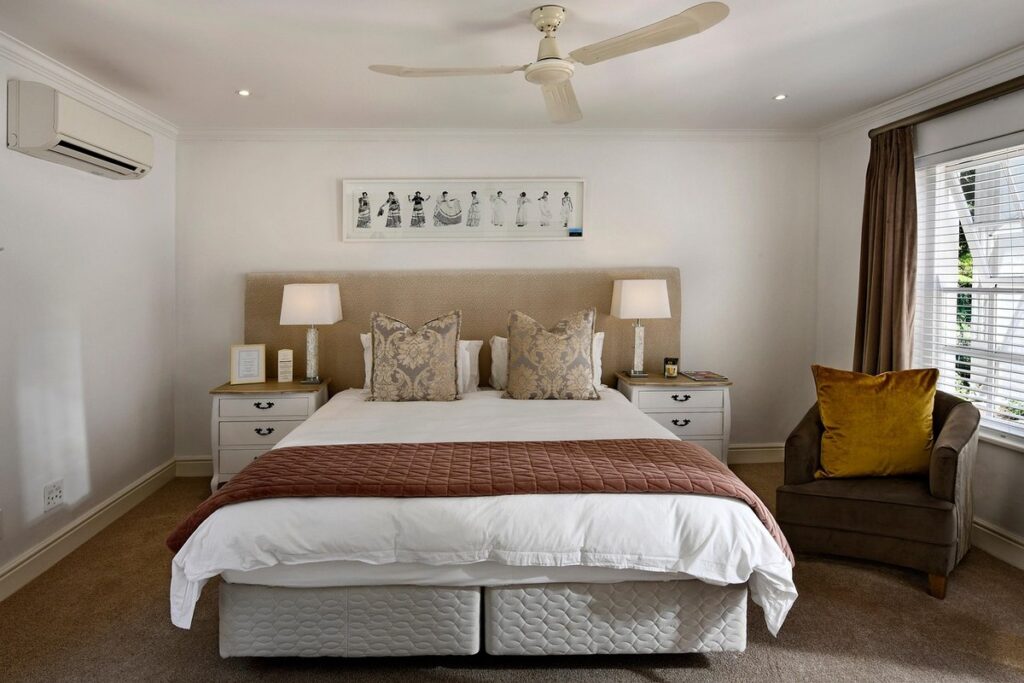
Understanding Modern Minimalism
Modern minimalism is a design philosophy that celebrates simplicity and functionality, shedding light on what’s truly essential for a peaceful bedroom retreat. Let’s explore its core principles and how they can inform your organic modern space.
Embracing Clean Lines and Simple Forms
Clean lines and simple forms are fundamental principles of modern minimalist design. These elements contribute significantly to creating a peaceful and calming atmosphere, which is essential for an organic bedroom. When designing a space with clean lines, consider the silhouette of furniture pieces. Avoid cluttered shapes with multiple angles or ornate details that can make a room feel busy.
Instead, opt for sleek profiles with gentle curves. For instance, choose a bed frame with a minimalist headboard and straight legs. Simple forms also refer to the overall shape of objects. In an organic bedroom, it’s best to stick to basic shapes like squares, rectangles, or circles. Avoid irregularly shaped pieces that can add visual chaos.
A limited color palette is another crucial aspect of embracing clean lines and simple forms. A restricted range of hues helps maintain a sense of calmness and serenity. Select colors from nature, such as soft greens, creamy whites, or weathered woods, which promote relaxation. By combining these principles, you can create an organic bedroom that exudes tranquility and sophistication.
Eliminating Clutter and Excess
In a modern bedroom, clutter and excess can quickly undermine the calm and serenity you’re striving for. When spaces are overrun with possessions, it’s difficult to achieve a sense of tranquility. To combat this, start by paring down your belongings to only what’s truly essential. This means ruthlessly editing your closet, dresser, and nightstand drawers.
Consider the 80/20 rule: 80% of the time, you likely wear or use 20% of your clothes and possessions. Keep this in mind when deciding what stays and what goes. Be intentional about each item’s purpose and how it contributes to a peaceful atmosphere.
Some items may be worth keeping, but their presence can still contribute to visual clutter. Consider using storage solutions like baskets, bins, or drawers with soft-close mechanisms to keep these items hidden from view. By keeping surfaces clear and only displaying what brings you joy or serves a practical purpose, you’ll create a sense of calm that’s central to an organic modern bedroom design.
Incorporating Natural Materials
Natural materials have a unique ability to infuse warmth and coziness into even the most modern of bedrooms. Wood, for instance, is an excellent choice for adding organic texture to your space. Consider using reclaimed or sustainably sourced wood for your bed frame or nightstand to bring in a sense of history and character.
Stone, on the other hand, can be used to add depth and visual interest through accent walls or decorative features like vases or sculptures. Plants are also an excellent way to incorporate natural materials into your bedroom design. Not only do they purify the air and create a calming ambiance, but they can also be used as decorative elements in place of traditional wall art.
When working with natural materials, it’s essential to balance their organic feel with clean lines and simple forms. This can be achieved by pairing wood or stone with minimalist furniture pieces that allow the natural beauty of the material to take center stage. By incorporating these natural elements thoughtfully, you can create a bedroom that feels cozy, inviting, and deeply connected to the natural world.
Selecting Organic Furniture
When choosing organic furniture, consider not only the materials used but also their origin and processing methods to ensure a truly sustainable choice. Opt for pieces crafted from natural fibers and made with minimal waste.
Sustainable Wood Options for Your Bed Frame
When it comes to choosing a bed frame made from sustainable wood, there are several eco-friendly options available. Consider opting for reclaimed timber, which is salvaged from old buildings, barns, or other structures and given new life as furniture. This approach reduces waste and preserves the history of the original materials.
Another option is FSC-certified (Forest Stewardship Council) timber, which ensures that the wood has been harvested from responsibly managed forests that protect biodiversity and promote sustainable forestry practices. Look for products labeled with the FSC logo to guarantee that your bed frame meets these standards.
Some popular types of sustainably sourced wood include reclaimed oak, pine, and maple. These materials offer unique character and a touch of history to your bedroom while minimizing environmental impact. When shopping for a bed frame made from sustainable wood, be sure to check the manufacturer’s certification and ask about the origin of the materials used. By choosing eco-friendly options, you can create a modern and organic bedroom that not only looks great but also supports environmentally responsible practices.
Upholstery Materials and Their Environmental Impact
When it comes to upholstery materials, the choices can significantly impact the environmental footprint of your bedroom. Synthetic fabrics like polyester and nylon are often petroleum-based and contribute to microplastic pollution when washed or degraded. On the other hand, organic cotton is a more sustainable option, but its production process can still have significant environmental impacts due to water and pesticide use.
Recycled materials, such as recycled polyester made from plastic bottles, offer an attractive alternative with lower environmental costs. Some manufacturers also incorporate natural fibers like wool, which biodegrade quickly and require minimal processing. However, it’s essential to verify the origin and production methods of these materials to ensure they meet your organic standards.
When selecting upholstery for your bedroom, consider the following criteria: look for certifications like GOTS (Global Organic Textile Standard) or Oeko-Tex, which guarantee certain environmental and social standards are met. Research the manufacturer’s supply chain and material sourcing practices to make informed choices. By choosing eco-friendly upholstery materials, you can significantly reduce the environmental impact of your bedroom and contribute to a more sustainable lifestyle.
Ergonomic Design for Comfort and Support
When it comes to selecting furniture for your organic modern bedroom, ergonomic design should be a top priority. A well-designed bed and seating area can make all the difference in promoting comfort and support throughout the night.
To create an ergonomically sound sleeping space, consider the following key principles: a supportive mattress with adequate give, a bed frame that allows for airflow, and a comfortable headboard or wall-mounted feature to provide back support. A good rule of thumb is to opt for a medium-firm mattress, which strikes a balance between pressure relief and spinal alignment.
In addition to a comfortable sleeping surface, consider the chair height and lumbar support when selecting seating options for your bedroom. Adjustable armrests and a slightly reclined position can help promote relaxation and reduce strain on the neck and shoulders.
When evaluating ergonomic design in furniture, pay attention to features like built-in headrests, curved lines, and cushioned seats. These elements work together to create a harmonious blend of form and function that prioritizes both comfort and support.
Lighting Strategies for an Organic Ambiance
To create a warm and inviting atmosphere, you’ll want to focus on layering light sources that mimic natural ones. This approach will help to achieve your desired organic ambiance effortlessly.
Harnessing Natural Light
When it comes to creating an organic modern bedroom, harnessing natural light is essential for a space that feels fresh and serene. One way to maximize natural light is by selecting window treatments that allow for maximum visibility while still providing functionality. Consider using sheer curtains or blinds with a soft texture, which can filter harsh sunlight without blocking it altogether.
Another effective strategy is incorporating reflective surfaces throughout the room. A strategically placed mirror above a dresser or on a wall opposite a window can bounce natural light deeper into the space, making it feel brighter and more inviting. You can also use metallic accents like polished chrome or brushed silver to reflect light and add a touch of modern sophistication.
When choosing reflective surfaces, consider their size and placement. A large mirror hung above a console table near a window can create the illusion of a larger space and amplify natural light. Avoid placing mirrors directly opposite windows, as this can create an unflattering glare. By thoughtfully incorporating these elements, you can harness the power of natural light to create a bedroom that feels calm, airy, and authentically organic modern.
Energy-Efficient Lighting Options
LED bulbs are a highly energy-efficient option for ambient lighting. They use significantly less power than traditional incandescent bulbs and can last up to 25 times longer. Many modern bedrooms benefit from warm white LED bulbs, which mimic the soft glow of natural candlelight without contributing to heat buildup.
Smart lighting systems take energy efficiency a step further by allowing you to control and schedule your lighting remotely through smartphone apps or voice assistants. These systems often include sensors that automatically dim lights in response to changes in daylight hours or occupancy levels. Some popular smart lighting options for bedrooms include Philips Hue, LIFX, and IKEA’s Tradfri.
When choosing a smart lighting system, consider the type of bulbs it supports – not all systems are compatible with every bulb brand. Also, think about the level of automation you need: some systems can be set to turn lights on or off at specific times, while others allow for more granular control over brightness and color temperature.
To maximize energy efficiency in your bedroom lighting, pair LED bulbs or smart lighting systems with dimmer switches or occupancy sensors. These accessories help reduce energy waste by automatically turning off lights when not needed.
Layered Lighting for Depth and Dimension
Layered lighting can add depth and dimension to a bedroom space by creating visual interest through multiple light sources. This approach is particularly effective in organic modern bedrooms, where clean lines and simple forms are balanced with natural materials and textures.
When using table lamps and floor lamps, place them strategically to create pools of warm, soft light. Avoid direct overhead lighting, which can make the space feel sterile and uninviting. Instead, position lamps near corners or against walls to cast gentle shadows and create a sense of coziness.
Consider layering different light sources, such as task lighting (e.g., reading lamps) with ambient lighting (e.g., floor lamps). This creates a nuanced and inviting atmosphere that encourages relaxation. Choose table lamps with sculptural shapes or natural materials, like wicker or rattan, to add visual interest and depth.
To maximize the effect of layered lighting, experiment with different heights and placements. For example, place a floor lamp in a corner to create a warm glow, while using a table lamp near a reading nook to provide focused task lighting. By thoughtfully combining multiple light sources, you can create a richly textured and inviting bedroom space that feels truly organic.
Color Schemes and Textures
When choosing a palette for your organic modern bedroom, selecting colors that complement natural textures is key to creating a cohesive look. Consider pairing earthy tones with woven textiles and wood accents.
Neutral Palettes for a Calming Atmosphere
Neutral palettes can work wonders in promoting relaxation and reducing visual clutter in the bedroom. A calming atmosphere is often associated with a sense of serenity, which can be achieved through soothing color combinations. Soft gray tones paired with creamy whites create a serene backdrop for restful sleep. For a more subtle approach, consider combining muted blues with pale greens to evoke a sense of tranquility.
Incorporating neutral colors into your bedroom design can also help reduce visual clutter. A busy or bold color scheme can make the room feel overwhelming and energized – not exactly what you want in a bedroom. By sticking to a neutral palette, you create a clean canvas that allows your eyes to relax and unwind. Avoid bright patterns and vibrant hues, which can stimulate the senses.
For a truly calming atmosphere, opt for a monochromatic scheme featuring different shades of a single color. For example, a soft blue range from pale sky tones to deep navy can create a soothing ambiance without introducing bold contrasts or competing colors. Remember, the goal is to promote relaxation and reduce visual stimulation – so keep it simple, serene, and focused on calmness.
Incorporating Earthy Tones and Patterns
When incorporating earthy tones and patterns into your bedroom design, consider using botanical prints or woven textiles to add depth and visual interest. These elements can bring a sense of organic modernity to the space while maintaining a calming atmosphere. For example, hang a large-scale botanical print above your bed or use a woven basket as a storage container.
Earthy tones such as sage green, sandy beige, and driftwood gray can also be used to create a soothing color palette. To add visual interest, incorporate natural patterns like herringbone or chevron textures through throw pillows, blankets, or even a statement wallpaper.
When working with earthy tones and patterns, it’s essential to strike a balance between adding depth and avoiding clutter. A general rule of thumb is to limit the number of patterns and textures to three or four in a room. This will prevent visual overload while maintaining a sense of cohesion.
Consider mixing natural materials like woven baskets, rattan furniture, and reclaimed wood accents with softer textiles like linen or cotton. This combination creates a visually appealing contrast that adds depth and interest to the space without overwhelming it.
Mixing Materials for Texture and Contrast
Combining different materials can add depth and visual interest to a bedroom. For instance, pairing a reclaimed wood headboard with metal bedside tables and a glass-topped dresser creates a rich and engaging texture. This mix of materials also introduces contrast, which is essential for an organic modern aesthetic.
To incorporate contrasting textures effectively, consider the tactile experience you want to create in your bedroom. If you prefer a soft and cozy atmosphere, combine plush textiles like velvet or linen with smooth surfaces like glass or metal. Conversely, if you desire a more rugged look, pair rough-hewn wood with industrial-style lighting fixtures.
When combining materials, pay attention to their scales and proportions. A large wooden dresser can anchor the room, while smaller metal side tables create visual interest without overwhelming the space. Additionally, balance contrasting textures by repeating a common material throughout the room. For example, using similar woods or metals in different pieces creates cohesion and avoids visual dissonance.
Incorporating multiple materials also allows for creative expression and experimentation. You can combine natural materials like wood and stone with man-made ones like glass and metal to create a unique and personalized space that reflects your style.
Bringing it All Together: Tips for an Organic Modern Bedroom
Now that you’ve selected your organic modern style and chosen furniture pieces, let’s focus on tying everything together seamlessly in a cohesive design. We’ll cover practical tips to ensure your space feels harmonious and stress-free.
Creating a Cohesive Look with Repeated Elements
In an organic modern bedroom, creating a cohesive look is achieved by incorporating repeated elements that tie everything together. A consistent color palette is a great place to start. Choose 2-3 neutral shades and use them throughout the space, from bedding to walls to furniture upholstery. This creates a sense of continuity and visual flow.
Another way to achieve cohesion is through pattern repetition. Select one or two patterns that complement your chosen colors and textures, then use them consistently across the room. For example, a natural fiber rug can be paired with a woven throw blanket and accent pillow in a similar pattern. This repetition creates a sense of harmony and balance.
Don’t forget about texture! Mixing different textures – smooth, rough, soft, and crisp – adds depth and visual interest to your space. Choose one or two dominant textures, such as wood and linen, and use them consistently throughout the room. To avoid over-texturing, limit yourself to 3-4 main textures and balance them with plenty of negative space.
Remember, cohesion doesn’t mean uniformity. Leave some breathing room for personal touches and unique pieces that reflect your style. By incorporating repeated elements, you’ll create a bedroom that feels intentional, harmonious, and truly yours.
Editing and Curating Your Space
Editing and curating your space is a crucial step in maintaining the calm and peaceful ambiance of your organic modern bedroom. As time passes, it’s natural for clutter to accumulate, but with regular editing and curation, you can prevent this from happening.
Start by setting aside dedicated time each week or month to review your space. Go through each room, and remove any items that no longer serve a purpose or bring you joy. Be ruthless – if you haven’t used it in the past year, it’s likely safe to let it go. Consider enlisting the help of a friend or family member to provide an objective perspective.
To maintain your space over time, establish clear guidelines for what you allow into your bedroom. For example, designate specific areas for books, clothes, and personal items, and stick to these boundaries. Regularly review your storage solutions and consider repurposing or upgrading them as needed. By being intentional about what you bring into your space, you can maintain its calm and peaceful atmosphere.
Some practical tips for editing and curating your space include:
- Designate a “one in, one out” policy to maintain a balanced amount of possessions
- Schedule regular decluttering sessions to stay on top of clutter
- Use storage solutions that promote visibility and accessibility
Maintenance and Upkeep for a Sustainable Bedroom
To maintain and update your organic modern bedroom sustainably, start by establishing a regular cleaning routine. Focus on natural methods like dusting with a microfiber cloth and vacuuming with a HEPA-filter machine to minimize chemical exposure. Set aside time each week to tidy up, and consider implementing a ‘one-touch rule’ where you put things away in their designated place as soon as you’re done using them.
For deeper cleaning tasks, opt for eco-friendly products or make your own cleaning solutions using natural ingredients like baking soda and white vinegar. Replace disposable filters with washable ones, and schedule annual deep cleans to remove built-up dust and allergens from furniture and carpets.
When it comes to updates and refreshes, prioritize simple swaps rather than full-scale renovations. Update window treatments with sustainably sourced materials or repurpose existing textiles into new throw pillows and blankets. Consider upcycling or repurposing old furniture pieces to reduce waste and extend their lifespan. Regularly inspect and replace worn-out items, like mattresses and carpets, to maintain a healthy indoor environment.
Frequently Asked Questions
What if I have limited budget for sustainable furniture and materials?
Yes, you can still create an organic modern bedroom on a budget by shopping second-hand, repurposing existing items, or investing in affordable eco-friendly options like bamboo or recycled materials. Consider DIY projects or upcycling to breathe new life into old pieces. With creativity and resourcefulness, you can achieve a sustainable bedroom without breaking the bank.
How do I balance my desire for natural materials with potential allergies or sensitivities?
Some people may experience allergic reactions or sensitivities to natural materials like wood or plants. If this is a concern, opt for sustainably sourced materials that have been treated or processed to minimize allergens. Additionally, consider using hypoallergenic fabrics and upholstery materials in your bedroom furniture.
Can I incorporate modern technology with organic design principles?
Yes, it’s absolutely possible to combine modern technology with organic design principles. Look for energy-efficient smart lighting systems, LED bulbs, and other eco-friendly tech solutions that blend seamlessly with natural materials and simple forms. This approach can actually enhance the overall ambiance of your bedroom.
What if I’m short on space – how do I create an organic modern bedroom in a small room?
To create an organic modern bedroom in a small room, focus on vertical elements like floor lamps, wall-mounted shelves, or storage units that maximize space without cluttering the area. Choose multi-functional furniture pieces that serve more than one purpose, and don’t be afraid to edit and curate your belongings to maintain a peaceful atmosphere.
How do I know when my organic modern bedroom is “done”?
Your organic modern bedroom is done when it feels cohesive and calming to you. Pay attention to the flow of natural light, textures, and colors in the space. When you can move through the room without visual distractions or clutter, you’ll know you’ve achieved a harmonious balance between form and function.

