Sewing machine drawing is often overlooked as a crucial step in design creation, yet it plays a vital role in ensuring accuracy and precision. Without proper attention to detail, your designs can suffer from inconsistencies and errors that are difficult to correct later on. Whether you’re working on fashion garments, upholstery projects, or decorative textiles, mastering the art of sewing machine drawing is essential for achieving professional-looking results.
In this article, we’ll explore the fundamentals of sewing machine drawing, including the tools and techniques required to produce precise and accurate designs. We’ll start with the basics, covering the importance of pattern drafting, measurement accuracy, and layout considerations. As you progress through the article, you’ll learn advanced techniques for incorporating grain lines, seam allowances, and other critical design elements into your sewing machine drawings. By the time you finish reading, you’ll be equipped with the skills needed to create precise and professional designs that meet even the most demanding standards.
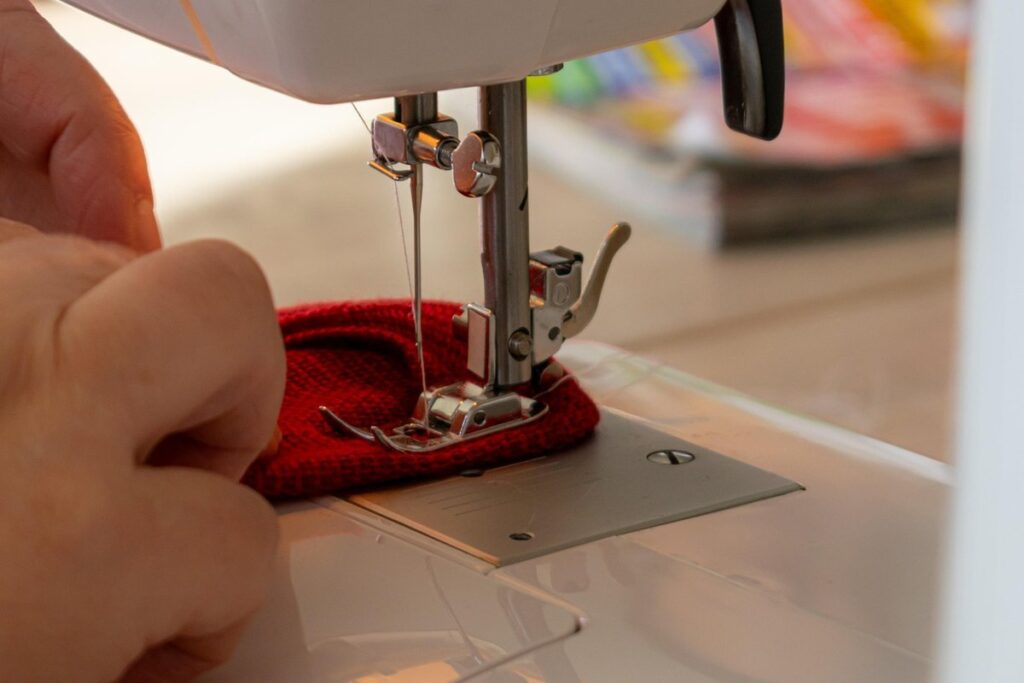
Understanding the Basics of Sewing Machine Drawing
Sewing machine drawing involves creating detailed illustrations of sewing machines, which requires an understanding of basic technical skills and attention to accuracy. Let’s begin by covering the fundamental principles that will help you get started.
What is Sewing Machine Drawing?
Sewing machine drawing is a fundamental concept in sewing and design that involves creating precise drawings of fabric patterns, designs, and layouts for sewing machines. This process requires attention to detail, as even slight inaccuracies can lead to misaligned stitches or distorted fabrics.
A good understanding of sewing machine drawing is essential for designers, pattern makers, and sewists who want to create professional-looking garments and textiles. By mastering this skill, you can ensure that your designs are executed accurately, saving time and reducing the risk of costly mistakes.
Sewing machine drawing involves creating a mirrored representation of your design on the fabric’s grain lines, taking into account the machine’s stitch length, tension, and direction. It also requires an understanding of how different fabrics behave under various sewing conditions, such as stretchiness or texture. By considering these factors, you can create designs that are not only aesthetically pleasing but also functional and durable. With practice and patience, you’ll develop the skills to confidently create precise drawings for your sewing projects.
Essential Tools and Materials for Drawing on a Sewing Machine
To get started with drawing on a sewing machine, you’ll need some specialized tools and materials. One of the essential tools is a marker or pen designed specifically for sewing machines. These pens typically have a flexible tip that allows for smooth, consistent lines and are usually made from durable materials to withstand the rigors of constant use.
Some popular brands offer sets with interchangeable tips, which can be useful for creating different line widths and effects. For example, Sulky’s Fabric Painter pen is designed specifically for drawing on fabric and comes with a range of tip sizes. Another option is the Bernina Stitch Regulator (BSR), which attaches to your sewing machine and allows you to create precise, consistent stitches.
In addition to specialized pens or markers, you’ll also need a surface to work on, such as a piece of scrap fabric or a drawing mat designed specifically for sewing machines. These mats often have built-in guides and rulers to help you achieve straight lines and precise measurements.
Preparing Your Sewing Machine for Drawing
Before you start drawing, it’s essential to prepare your sewing machine by making sure it’s clean and free of debris that could interfere with the drawing process. A well-maintained machine will make a big difference in your results.
Cleaning and Maintaining Your Sewing Machine
A clean and well-maintained sewing machine is essential for producing high-quality drawings. Dust, dirt, and debris can accumulate on the machine’s mechanical components, affecting its performance and accuracy. Regular cleaning helps prevent clogs, reduces friction, and ensures smooth operation.
Begin by turning off and unplugging your sewing machine to avoid any accidents or electrical shock. Use a soft brush to gently sweep away loose dust from the exterior surfaces, paying attention to areas around the thread take-up lever, bobbin winder, and tension discs. Next, use a lint roller or a damp cloth to wipe down the machine’s body and remove any stubborn stains.
For more thorough cleaning, mix a solution of equal parts water and white vinegar in a bowl. Dip a soft-bristled brush into the solution, wring it out thoroughly, and gently scrub away dirt and grime from the machine’s internal components, such as the hook, bobbin case, and feed dogs. After cleaning, allow your sewing machine to air dry before storing or using it for drawing. Regular maintenance will ensure your machine runs efficiently and accurately throughout your project.
Setting Up Your Sewing Machine for Drawing Mode
To set up your sewing machine for drawing mode, you’ll first need to switch it from sewing mode. This usually involves pressing a specific button or lever, depending on your machine’s design. Check your user manual if you’re unsure which controls to use. Once you’ve switched modes, you can begin adjusting the tension.
Drawing requires lower thread tension than regular sewing to avoid puckering and distortion. You’ll typically need to loosen the top thread tension, but be cautious not to make it too loose – this can cause the fabric to drag unevenly across the bed. A good starting point is to reduce the top thread tension by about 1/3 of its original setting.
Next, choose a suitable needle for drawing. A sharp, thin needle with an embroidery or twin needle design will provide the best results. These needles have multiple holes that allow the thread to exit at different points, creating smooth, consistent lines on your fabric. Make sure to select a needle size and type that suits your specific machine’s requirements and your chosen fabric type.
Basic Techniques for Drawing with a Sewing Machine
To get started, you’ll need to master the fundamental techniques that allow you to create smooth lines and precise shapes with your sewing machine. This begins with understanding how to use the machine’s built-in drawing capabilities.
Free-Hand Drawing on the Fabric
To achieve precise free-hand drawings directly onto fabric using a sewing machine, you need to understand the basics of machine control and tension. Start by threading your machine with a suitable embroidery thread that matches the color of your design. This will help create smooth, consistent lines.
When drawing on fabric, it’s essential to adjust the needle position and length to ensure accurate placement of lines and curves. You can experiment with different settings for the stitch type, width, and tension to achieve various line weights and effects.
To draw free-hand designs, use the machine’s built-in straight stitch or a specialized embroidery foot that allows for more precise control over thread movement. Hold the fabric steady and guide it through the machine at a comfortable pace, applying gentle pressure on the feed dogs as needed.
For intricate details, consider using a combination of short stitches and carefully controlled tension to achieve smooth transitions between lines. Practice drawing simple shapes and patterns before moving on to more complex designs, and be patient with yourself – achieving precise free-hand drawings takes time and practice.
Using Guides or Templates for More Accurate Drawings
Using guides or templates can significantly enhance accuracy when drawing complex designs with a sewing machine. These tools provide a physical reference point for the machine to follow, reducing the likelihood of human error.
Guides are typically thin strips of metal or plastic that attach to the presser foot or the throat plate. They come in various widths and can be positioned to mark specific distances from the edge of the fabric. Some guides even have adjustable markings or grids, allowing for greater customization.
Stencils offer a more versatile option, often consisting of pre-printed designs or patterns that adhere to the fabric via adhesive or heat transfer. Stencils are ideal for intricate designs or repeating patterns, as they ensure consistent spacing and alignment.
When using templates, look for ones specifically designed for your sewing machine model or fabric type. These can include specialty dies for cutting curves or shapes, or even pre-printed rulers with measuring increments. By choosing the right guide or template, you’ll be able to achieve crisp lines and precise control over complex designs.
Advanced Techniques and Applications of Sewing Machine Drawing
As you become more confident in your sewing machine drawing skills, it’s time to explore the advanced techniques that will take your artwork to the next level. This includes intricate designs and custom applications using specialized tools and materials.
Embellishing with Thread Color and Texture
Using various threads and techniques to create intricate textures and colors within a drawn design can elevate the overall aesthetic of your sewing machine drawing. You can achieve this by experimenting with different thread weights, colors, and textures. For instance, using a thicker thread can create bold, expressive lines, while a finer thread can produce delicate, detailed work.
To add depth and dimension to your design, try layering threads or using contrasting textures. Mixing smooth cotton threads with textured wool threads, for example, can create a visually interesting contrast that adds depth to your drawing. You can also use different embroidery flosses or yarns to introduce new colors and textures into your design.
When working with multiple thread types, it’s essential to consider the tension and stability of each thread. This will help you achieve the desired texture and prevent any threads from pulling loose or puckering. Experimenting with different combinations of threads and techniques can help you develop a unique visual language for your sewing machine drawings.
Integrating Multiple Stitches for Dimension and Interest
By combining multiple stitches on a sewing machine, artists can create complex drawings with added depth and interest. This technique involves layering different stitches to achieve unique textures and visual effects. For instance, pairing a straight stitch with a satin stitch can produce a subtle contrast between smooth and woven areas.
To integrate multiple stitches effectively, it’s essential to balance their visual weight. A general rule of thumb is to reserve bold stitches for focal points and use more delicate ones to create ambient interest. Consider the specific effect you want to achieve: using a combination of straight and zigzag stitches can evoke dynamic energy, while pairing a running stitch with a French knot creates intricate details.
Experimenting with various stitch combinations requires patience and observation. Pay attention to how each layer interacts with its predecessor, adjusting as needed to maintain visual harmony. The possibilities are endless when exploring the intersection of sewing machine stitching techniques and artistic expression.
Troubleshooting Common Issues in Sewing Machine Drawing
As you work on your sewing machine drawing, you may encounter some frustrating problems that can hinder your progress. This section will walk you through common issues and solutions to get back on track.
Common Mistakes and How to Avoid Them
When drawing sewing machines, it’s common to encounter errors such as inaccurate proportions, misplaced components, and inconsistent line weights. One of the most frequent mistakes is not paying attention to the machine’s overall balance, leading to an unappealing composition.
To avoid this error, study the actual machine carefully and take note of its various parts’ relative sizes and positions. Sketch the machine from different angles, observing how each component contributes to the whole’s symmetry.
Another common mistake is not using reference images or real-life observations to verify details like cable routing and pedal placement. This can lead to inaccuracies that make the drawing look amateurish.
To correct this, use high-quality reference materials and draw from life whenever possible. For example, observe how the cables are routed in a functioning machine, taking note of any bends or curves.
Inaccurate perspective is another issue, often caused by neglecting to create a clear understanding of the machine’s dimensions in relation to its surroundings. To avoid this, establish a clear vanishing point and use one-point perspective techniques whenever necessary.
Maintaining Smooth Operation of Your Sewing Machine During Long Drawing Sessions
During long drawing sessions, it’s not uncommon for sewing machines to overheat or experience mechanical issues. This can be particularly problematic when working on large or intricate projects that require extended periods of use. To maintain smooth operation, regularly check and adjust the machine’s tension settings to ensure they remain consistent. This is especially crucial when switching between different types of fabric.
Additionally, keep your workspace well-ventilated to prevent overheating. If you’re using a humid environment, consider investing in a dehumidifier to reduce moisture buildup within the machine. Regular cleaning and maintenance are also vital to prevent dust and debris from accumulating inside the machine.
For particularly demanding projects, consider implementing regular breaks every 30 minutes or so to allow your machine to cool down. This can help prolong its lifespan and minimize the risk of mechanical failure. By taking these precautions, you can ensure a smooth drawing process even during extended sessions, allowing you to focus on perfecting your craft without interruptions.
Frequently Asked Questions
Can I use any sewing machine for drawing, or do I need a specific type?
Yes, you can use most standard sewing machines for drawing, but some advanced features may require a specialized machine with built-in drawing capabilities. However, even basic machines can produce professional-looking results with practice and the right techniques.
How long does it take to master sewing machine drawing skills, and what’s the best way to learn?
Mastering sewing machine drawing requires patience, dedication, and consistent practice. Start by learning the basics and gradually move on to more advanced techniques. Online tutorials, workshops, and practice with different materials can help you improve your skills.
Can I draw intricate designs or patterns using only a standard sewing machine, or do I need specialized equipment?
While it’s possible to create simple designs with a standard sewing machine, intricate patterns may require specialized tools like stencils, templates, or advanced machines designed specifically for drawing. Experimenting with different techniques and materials can help you achieve the desired results.
How do I ensure my drawings stay accurate and even, especially when working on large projects?
To maintain accuracy and evenness, regularly check your tension settings, thread quality, and machine alignment. Use guides or stencils for complex designs and consider investing in a sewing machine with built-in drawing features, such as advanced stitch control.
Can I use sewing machine drawing techniques to create custom embroidery or appliqué designs?
Yes, sewing machine drawing can be used to create intricate custom embroidery or appliqué designs by experimenting with different thread colors, textures, and stitch combinations. This technique allows for unique, professional-looking results that can add a personal touch to your designs.