Drawing with ease is often a matter of mastering basic techniques. Developing hand-eye coordination takes time, but once achieved, it allows you to focus on other aspects of drawing. In particular, the use of pen techniques can elevate your artwork from rough sketches to refined illustrations. Understanding how to blend inks and employ wash techniques can create depth and dimensionality that might otherwise be missing. If you struggle with drawing easy pen, you’re not alone – it takes practice, but anyone can improve with patience and dedication. This comprehensive guide will walk you through the fundamentals of drawing with a pen, including basic strokes and advanced ink blending techniques. By the time you finish reading, you’ll have a solid understanding of how to master drawing with ease using a pen.
Getting Started with Basic Techniques
Before you begin creating stunning easy pen artworks, it’s essential to master basic drawing techniques that will set a strong foundation for your skills. Let’s start by learning the fundamentals of line work and shading.
Mastering Hand-Eye Coordination
Developing hand-eye coordination is essential for drawing with ease and precision. This skill allows you to control your pen movements smoothly, making it easier to create lines, shapes, and details. To improve fine motor skills and master hand-eye coordination, start by practicing basic exercises like drawing circles, spirals, and zigzags.
Hold your pen at a 45-degree angle and draw small circles with your wrist relaxed. Gradually increase the size of the circle as you become more comfortable. Next, try drawing spirals in both clockwise and counterclockwise directions. This exercise helps develop finger dexterity and coordination between hands. Zigzag lines can also be drawn by moving your pen in alternating horizontal and vertical strokes.
To take it to the next level, practice drawing simple shapes like squares, triangles, and rectangles with precision. Pay attention to the distance between each line and ensure they’re evenly spaced. Another exercise is to draw a straight line along a ruler, starting from one end and gradually increasing your speed as you move towards the other end. Regular practice of these exercises will significantly improve your hand-eye coordination, making it easier to achieve smooth lines and precise details in your drawings.
Understanding Line Quality and Variation
When working with pen and paper, you’ll often encounter different types of lines, each with its own unique quality. To create smooth, expressive lines, it’s essential to understand the basics of line variation. One fundamental distinction is between straight and curved lines. Straight lines are precise and calculated, while curved lines convey a sense of movement and flow.
To achieve varying line qualities, focus on the pen stroke itself. Varying stroke pressure can produce different effects: light strokes create delicate lines, while firm strokes result in thicker, more expressive ones. Pay attention to your hand movement as well – smooth, flowing motions produce consistent lines, whereas jerky or hesitant movements can introduce unwanted variations.
In practice, experiment with combining different line types and qualities to add depth and interest to your drawings. For instance, pairing smooth curved lines with occasional sharp straight strokes can create a sense of tension and dynamism. By mastering the basics of line quality and variation, you’ll be able to bring more nuance and emotion into your easy pen drawings.
Choosing the Right Tools and Materials
When it comes to drawing easy pen, having the right tools and materials can make all the difference. We’ll cover the essentials you need to get started.
Selecting the Perfect Pen
When it comes to selecting a pen for drawing easy pen, you’ll want to consider the type of nib and ink flow. Ballpoint pens are great for everyday drawing as they produce smooth lines and don’t bleed through paper easily. However, they can be prone to skips and scratches on textured surfaces.
Fine-tip pens offer more precision and control, making them ideal for detailed work and fine lines. They’re also great for creating small strokes and details in drawings. On the other hand, brush pens provide a range of line widths and are perfect for expressive drawing styles.
For specific techniques like calligraphy or comic book art, you may want to consider using a pen with a flexible nib that allows for varying line widths. For example, a Kuretake Zig Clean Color Brush Pen would be an excellent choice for watercolor-inspired illustrations. When choosing a pen, think about the type of project you’re working on and select one that will allow you to achieve the desired effect.
Essential Drawing Supplies
When drawing with an easy pen, it’s essential to have the right materials and a comfortable workspace. Let’s start with paper – a smooth, high-quality paper is ideal for drawing with fine-tip pens like the easy pen. Look for papers with a surface texture that allows for even ink flow, such as hot press watercolor paper or Bristol board.
Ink is another crucial supply to have on hand. You’ll want to choose an ink that flows smoothly through your pen and provides consistent line widths. Many artists swear by archival-quality inks, which are lightfast and waterproof. If you’re using a pen with replaceable cartridges, make sure to keep some spare ink on hand.
Finally, don’t forget about erasers! A good eraser can help you correct mistakes and achieve smooth lines. Look for an eraser that’s specifically designed for pencil marks, as these tend to be gentler on paper than kneaded erasers. When setting up your drawing space, consider investing in a comfortable chair, good lighting, and a stable work surface – this will help prevent fatigue and allow you to focus on the creative process.
Basic Pen Strokes and Lines
The foundation of easy drawing lies in mastering basic pen strokes, which is where we’ll start by covering the essential lines you need to know.
Hatching and Cross-Hatching Techniques
To create shading, texture, and depth with hatching and cross-hatching techniques, start by varying the weight of your lines. This can be achieved by applying consistent pressure or using different pen tips. For example, a softer tip will produce thicker lines, while a harder tip will yield thinner ones. Hatching involves layering parallel lines to create a smooth transition between values. The spacing and direction of these lines greatly affect the overall appearance.
Experiment with hatching in different directions – horizontal, vertical, or diagonal – to achieve varying textures. Cross-hatching involves layering two sets of hatching lines at angles to one another. This technique adds depth and dimensionality to your drawing by creating a series of intersecting lines that suggest form and volume. To effectively cross-hatch, start with a light layer and gradually build up to darker values, using the pencil lead as an eraser to correct any mistakes. When applying these techniques, pay attention to the line quality – avoid unevenness or jerky movements that can detract from the overall effect.
Line Art and Drawing Basics
When creating line art and engaging in basic drawing exercises, it’s essential to grasp fundamental principles. Gesture drawing is an excellent starting point. This involves capturing the overall pose and movement of a subject using loose, expressive lines. Spend 10-15 minutes observing and quickly sketching the gesture of your subject, focusing on its position and posture rather than precise details.
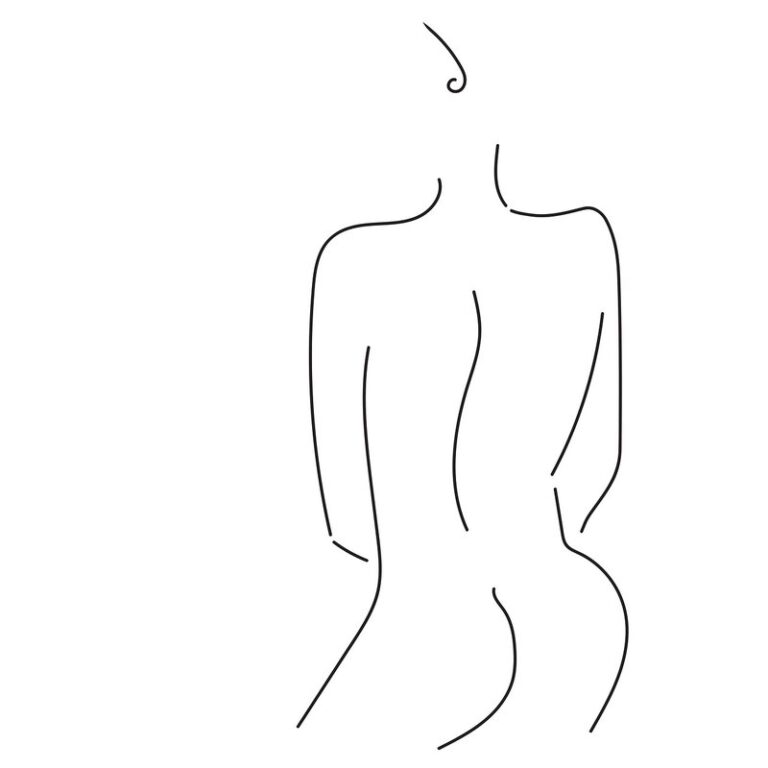
Contour drawing builds upon this foundation by emphasizing the outline or shape of an object. With pen in hand, slowly draw around the edges of your subject, following its contours carefully. This exercise helps develop your ability to observe shapes and forms.
Simple composition exercises are also crucial for practicing line art basics. Divide a sheet of paper into thirds both horizontally and vertically to create a simple grid. Draw a still life or simple scene within this grid using only basic pen strokes and lines. Avoid overcomplicating the composition; focus on capturing the essence of your subject through clean, expressive lines.
Advanced Pen Techniques
Now that you’ve mastered the basics, it’s time to take your pen skills to the next level by learning advanced techniques that will add depth and dimension to your drawings.
Ink Blending and Wash Techniques
Ink blending and wash techniques are essential tools for creating subtle gradations in tone and texture using ink. One method for achieving smooth blends is to use a wet-on-wet approach, where you layer transparent inks over each other while the previous layer is still damp. This allows the colors to merge and create a seamless transition between tones.
Another technique is to use glazing, which involves applying multiple layers of transparent ink to achieve deep, rich colors. Glazing can be used to create complex textures and subtle nuances in tone, but it requires patience and careful control. To avoid muddying the ink, make sure each layer is dry before adding the next.
Some artists also use a wash technique to blend colors, where they apply a thin layer of transparent ink over a larger area. This can be used to create soft, atmospheric backgrounds or subtle shading in figures and landscapes. Experimenting with different ratios of water to ink will help you achieve the desired effect.
Adding Texture and Pattern with Pens
Combining pen work with other media is a great way to add depth and visual interest to your drawings. For example, you can layer a bold pen line over a soft pencil sketch to create a striking contrast of texture. Alternatively, try using a fine-tip pen to add delicate details to a larger drawing made with a brush or marker.
To achieve intricate textures, experiment with different pen nibs or styles. A textured pen, for instance, will produce a more expressive and irregular line than a smooth one. You can also use pens with interchangeable tips to achieve varying effects.
When it comes to creating patterns, consider using repetitive strokes or shapes to create a sense of rhythm. For example, you can draw parallel lines with a ruler to create a grid-like pattern, or use a pen with a circular tip to create rounded shapes. To add visual interest, try combining different textures and patterns in a single drawing.
Incorporating pen work into your drawings is all about experimentation and play. Don’t be afraid to try new techniques and see what happens – it’s often the unexpected results that lead to the most interesting designs.
Overcoming Common Drawing Challenges
Drawing can be frustrating when you’re stuck on a particular technique, and it’s natural to feel discouraged. But don’t worry, we’ll walk through some common drawing challenges that even experienced artists face.
Overcoming Fear and Building Confidence
Drawing with a pen can be intimidating, especially when you’re new to it. Fear of making mistakes holds many artists back from fully embracing this medium. You might worry about lines that are too thick or too thin, or uneven spacing between letters and illustrations. To overcome these anxieties, try reframing your thinking around errors as opportunities for growth.
When you make a mistake, instead of getting frustrated, ask yourself what you can learn from it. Is there a specific technique or tool that could have prevented the error? Are there any new lines or shapes you can create that incorporate the mistake in a positive way? For example, a misplaced line might become an interesting design element or a deliberate visual choice.
Building confidence takes practice and patience. Start by setting achievable goals for your drawing sessions, such as creating a simple doodle within a certain time frame. As you progress, gradually increase the difficulty of your projects or try more complex techniques. By focusing on small victories and acknowledging the skills you’re developing, you’ll become more comfortable and confident in your ability to draw with a pen.
Troubleshooting Common Drawings Errors
When working with easy pen, it’s common to encounter issues with line quality, proportion, and composition. These problems can be frustrating, especially when you’re trying to achieve a specific look or feel. To correct these errors, try the following: Check your pen’s pressure settings and adjust them as needed. If your lines are too light, increase the pressure; if they’re too dark, decrease it.
For proportion issues, measure your subjects carefully before starting to draw. Use simple proportions like dividing the page into thirds or using a measuring tool to ensure accuracy. To improve composition, practice placing negative space and balancing elements in your drawings. Don’t be afraid to experiment with different layouts until you find one that works for you.
Perfectionism can also hinder your creative process. Remember that easy pen is meant to be forgiving – it’s okay if your lines aren’t perfect or if your proportions are off slightly. Practice embracing the imperfections and focusing on capturing the essence of your subject rather than its exact likeness. By doing so, you’ll develop a more relaxed drawing style and enjoy the process more.
Putting it All Together: Practice Exercises
Now that you’ve learned the basics of drawing easy pen, it’s time to put your skills into action with some fun and engaging practice exercises. Get ready to improve your technique with our carefully crafted examples.
Building a Drawing Routine
Setting aside dedicated time for drawing is essential to building a consistent practice. Consider your daily routine and identify a specific slot where you can dedicate 30 minutes to drawing. This could be first thing in the morning, during your lunch break, or right before bed. Consistency is key, so choose a time that works for you and stick to it.
Create a schedule and commit to it by making time for drawing each day. You don’t need to draw for hours; even 15-20 minutes of focused practice can be beneficial. Write down your schedule and post it somewhere visible as a reminder.
Tracking progress is also crucial in establishing a consistent drawing routine. Take photos of your work before and after each session, or record your process on video. This will help you identify areas for improvement and see how far you’ve come over time. Don’t be too hard on yourself if you miss a day – simply acknowledge the setback and get back to it the next day. By tracking your progress, you’ll stay motivated and see tangible results from your practice.
Applying Techniques to Real-World Projects
When applying the techniques learned from this guide to real-world projects, consider starting with simple doodles or sketches. For instance, you can practice creating gentle lines by drawing simple florals or leaves. As you become more comfortable, move on to more intricate designs like abstract patterns or minimalist portraits. Remember that easy pen is about subtle expression and restraint, so avoid over-embellishing your work.
In a professional setting, these skills can be applied to illustration or graphic design projects. For example, a designer might use gentle lines to create a soothing texture in the background of an ad or a children’s book. Alternatively, they could employ more expressive lines to convey energy and movement in a sports-related project.
To adapt your newfound skills to specific client needs, consider their brand identity and target audience. If working with a calm and serene brand, use plenty of gentle lines and soft textures. For more energetic brands, incorporate dynamic lines and bold shapes.
Incorporating easy pen techniques into complex artworks can also elevate the overall mood and feel.
Frequently Asked Questions
What if I have trouble mastering hand-eye coordination – will it get worse over time?
It’s unlikely that hand-eye coordination will worsen significantly with age. However, consistent practice and patience are key to developing this skill. If you’re struggling, try breaking exercises into shorter intervals with regular breaks to avoid fatigue.
Can I use drawing pens on any type of paper, or do I need a specific surface?
You can use drawing pens on a variety of papers, but the results may vary depending on the paper’s texture and weight. Look for paper specifically designed for pen work, such as hot press watercolor paper or vellum, which will yield better lines and ink flow.
How do I know when to transition from basic pen strokes to more advanced techniques like hatching and cross-hatching?
As you become more comfortable with basic strokes, try incorporating hatching and cross-hatching into your practice exercises. Start by applying these techniques to simple subjects, gradually increasing complexity as your skills improve. Pay attention to the textures and shading achieved through these strokes.
What if I accidentally smudge or bleed ink while drawing – how can I prevent this in the future?
To minimize smudging and bleeding, use high-quality paper designed for pen work, keep your pen nib clean and well-maintained, and try using a light touch. Also, consider experimenting with different types of pens that are less prone to bleeding or feathering on certain papers.
Can I combine drawing with other art forms like watercolor or collage?
Absolutely! Many artists successfully integrate pen work into mixed-media pieces by combining it with watercolor, collage, or other mediums. Experiment with different techniques and materials to achieve unique textures and effects. Consider the weight of your lines in relation to other media when creating these hybrid artworks.