
Rolled beeswax candles have been a staple in many homes for centuries, providing a warm and inviting ambiance while also boasting a range of eco-friendly benefits. Not only do these candles burn cleaner than paraffin wax alternatives, but they’re also made from natural beeswax that’s free from harsh chemicals and toxins. For artisans looking to create sustainable home decor, rolled beeswax candles offer a unique opportunity to combine traditional craftsmanship with modern environmental concerns. In this guide, we’ll take you through the history of rolled beeswax candles, their benefits for indoor spaces, and step-by-step techniques for creating your own. Whether you’re a beginner or an experienced artisan, our comprehensive tutorial will walk you through the process of crafting beautiful, eco-friendly rolled beeswax candles that bring warmth and character to any room by the end of this article.
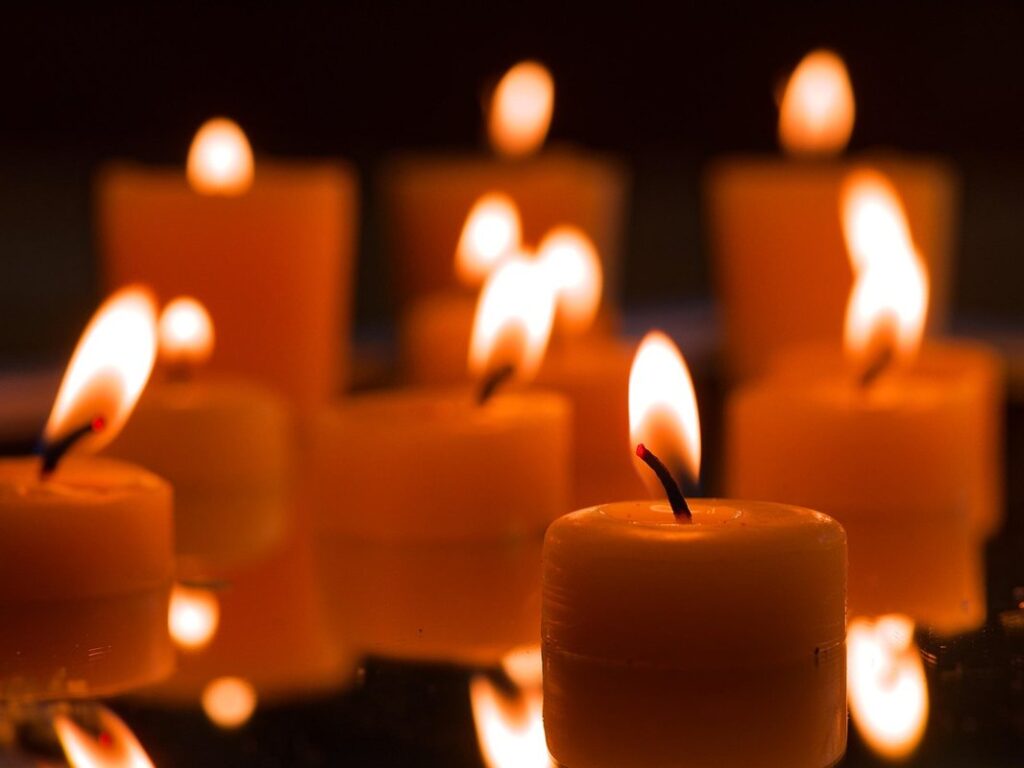
History and Benefits of Beeswax Candles
Beeswax candles have a rich history that dates back thousands of years, offering numerous benefits to those who burn them. Let’s take a closer look at the advantages of using beeswax as a candle material.
Introduction to Beeswax
Beeswax is a natural, renewable resource extracted from honeybees through a process called capping. This excess wax is collected by beekeepers and processed to create a versatile material suitable for candle-making. The unique properties of beeswax make it an ideal choice for rolled candles: it has a high melting point, which allows it to burn consistently and slowly, releasing a pleasant, natural fragrance.
When heated, beeswax releases a clean, warm light that is often described as soft and golden. This characteristic makes it an excellent choice for creating ambient lighting in homes. Additionally, the smoke-free burning quality of beeswax candles eliminates soot buildup, ensuring a cleaner and healthier indoor environment.
The high viscosity of beeswax also enables it to be molded into various shapes and forms, including rolled candles. When working with beeswax, it’s essential to note that its melting point can vary depending on the type of wax and the temperature at which it is processed. Understanding this characteristic will help you optimize your rolled candle-making process and achieve consistent results.
Benefits of Using Beeswax Candles
Beeswax candles offer several advantages over paraffin wax and soy wax candles. One key benefit is their eco-friendliness: beeswax is a natural, biodegradable product that can be composted at the end of its life cycle. In contrast, paraffin wax is a byproduct of petroleum refining and contributes to greenhouse gas emissions during production.
Another significant advantage of beeswax candles is their non-toxicity. Beeswax emits no toxic fumes when burned, making it a healthier choice for indoor spaces. This is particularly important in areas with poor ventilation or for individuals sensitive to chemical fragrances.
Beeswax candles also have a unique characteristic that sets them apart from other waxes: they can be reused as a polish for wood furniture after being melted down. This creative reuse reduces waste and adds value to the candle-making process.
In addition, beeswax candles tend to burn cleaner and more evenly than paraffin wax candles, producing a consistent, soft flame. This is due in part to the natural properties of beeswax, which allow it to melt at a higher temperature than other waxes.
Choosing the Right Materials
Choosing the right materials for your rolled beeswax candles is crucial, as it affects both their appearance and burn quality. You’ll want to select high-quality wax, wicks, and molds that work together in harmony.
Selecting High-Quality Beeswax
When selecting high-quality beeswax for rolled candle-making, several factors come into play. The color of the wax is a crucial consideration: pure beeswax has a natural, creamy hue, while impurities can cause discoloration or an uneven appearance. Look for wax with minimal additives and no artificial coloring agents.
Texture also plays a significant role in determining the quality of beeswax. A smooth, even texture ensures that the wax will melt consistently and evenly during rolling. Avoid wax with visible imperfections, such as granules or crystalline structures.
Purity is another essential factor to consider when selecting high-quality beeswax. Pure beeswax contains no contaminants or additives, ensuring a clean burn and minimal soot production. Opt for wax that has been filtered through a series of centrifuges to remove impurities.
A high-quality beekeeper or supplier should be able to provide detailed information about the origin, processing, and purity of their beeswax. Consider factors such as the type of flowers the bees are fed on, the region in which they are kept, and any specialized production methods used to ensure a high-purity product.
Essential Tools and Equipment
When working with rolled beeswax candles, having the right tools and equipment is crucial for achieving a smooth, even roll and high-quality finish. Begin by investing in a good quality melting pot specifically designed for wax. These pots are usually made of heat-resistant materials like stainless steel or silicone and feature a temperature control system to ensure precise heat management.
A double boiler setup can also be used as an alternative, but it’s essential to monitor the temperature closely to avoid overheating the wax. Next, you’ll need a variety of molds in different sizes and shapes to accommodate various rolled candle designs. Silicone molds are ideal for beginners due to their ease of use and flexibility.
When selecting waxes, choose high-quality beeswax pellets or blocks that contain minimal additives. Avoid using paraffin wax as it can cause the beeswax to become brittle and prone to cracking. A thermometer is also necessary for monitoring the temperature of the melted wax, which should be kept between 180°F and 190°F for optimal rolling conditions.
The Rolling Process
The rolling process is where art meets technique, as you carefully shape and smooth out your beeswax candle to create a beautiful, even finish. We’ll guide you through this crucial step in creating stunning rolled candles at home.
Preparing the Beeswax
To prepare the beeswax for rolling, you’ll need to heat it to a specific temperature. This can be done using a double boiler or a dedicated candle-making machine with a built-in thermometer. The ideal temperature range is between 180°F and 190°F (82°C to 88°C), as this will allow the wax to melt evenly and prevent overheating, which can cause it to become discolored.
Once the wax has reached the desired temperature, remove it from the heat source and let it cool slightly. This is an important step, as pouring hot beeswax directly onto a surface can cause it to pool or seep into any imperfections in the mold. A good rule of thumb is to wait until the wax has cooled to around 160°F (71°C) before proceeding with rolling.
You can also take steps to prevent overheating by monitoring the temperature closely and adjusting the heat source as needed. Some candle makers also swear by adding a small amount of lanolin or other additives to help regulate the temperature and improve the overall texture of the wax. Regardless of the method you choose, be sure to work in a well-ventilated area and follow all safety precautions when handling hot beeswax.
Rolling Techniques and Tips
To achieve a smooth and even roll, it’s essential to start with a well-prepared beeswax block. Begin by softening the wax to around 180°F (82°C), which will make it pliable but not too hot to handle. Next, apply a thin layer of wax onto your rolling surface using a brush or spatula. This initial coat helps prevent sticking and ensures the wax adheres evenly.
For basic rolling, use a consistent downward pressure to roll out the wax in one direction only – typically lengthwise. Focus on maintaining an even thickness throughout; about 1/4 inch (6 mm) is ideal for most rolled candles. You can also experiment with texture addition by incorporating natural elements like dried flowers, herbs, or spices between the layers.
When layering colors, start with a base coat of a light color to prevent the wax from becoming too dark. Apply subsequent layers in thin coats, allowing each one to set before adding the next. This will help you achieve a marbled or swirled effect, depending on your desired pattern. Remember to work slowly and patiently, as rushed layering can lead to uneven colors.
Finishing Touches
Now that you’ve mastered the art of rolling and shaping your beeswax, it’s time to add the final flourishes that’ll elevate your candles to the next level. This is where creativity meets attention to detail.
Adding a Wick or Lead
When it comes to adding a wick or lead to rolled beeswax candles, you have several options. The most common type of wick used is a cotton braid or flat braided wick, which works well for rolled candles due to its stability and burn quality. Another option is a paper core wick, often used in container candles, but also suitable for rolled beeswax.
For smaller candles, you can use a wick clip or a small metal tab to secure the lead. For larger candles, a longer tab or even a wooden dowel may be necessary. When attaching the wick or lead, make sure it’s centered and evenly spaced from the edges of the candle. This will help ensure a clean, even burn.
When choosing between different types of wicks, consider factors such as burn speed, flame quality, and scent throw. Cotton braid wicks tend to produce a slower, more consistent burn, while paper core wicks can create a brighter flame but may require more frequent trimming.
Final Inspection and Packaging
Inspect each rolled beeswax candle carefully for any imperfections, such as uneven surfaces, excessive wax drips, or defects in the wick. Check the color consistency and ensure it matches the desired hue. Hold the candle up to a light source to inspect its clarity and transparency.
When packaging, use sturdy boxes or containers that protect the candles from damage during shipping or storage. Include a protective layer of bubble wrap or paper to prevent scratching. For a more premium look, consider using decorative boxes or bags with custom branding.
To prepare rolled beeswax candles for sale, it’s essential to include clear labeling and instructions. Provide information on burning times, recommended usage, and any necessary care guidelines. Consider including a small insert or pamphlet that highlights the unique benefits of beeswax candles and your brand’s story.
Before shipping or displaying, make sure each candle is securely packaged and ready for its new home. A well-packaged rolled beeswax candle not only reflects positively on your business but also ensures customer satisfaction and safety.
Tips for Beginners and Advanced Artisans
Whether you’re new to candle-making or a seasoned artisan, this section provides valuable guidance on techniques, troubleshooting, and best practices for rolled beeswax candles. We’ll cover common pitfalls and expert tips.
Troubleshooting Common Issues
When rolling beeswax candles, unevenness is a common issue that can occur due to factors such as inconsistent wax temperature, incorrect rolling pressure, or insufficient wax preparation. To address this problem, make sure the wax is heated evenly and consistently, ideally between 180°F and 190°F. If you notice unevenness while rolling, stop immediately and reheat the wax before continuing.
Another issue beginners often face is excessive wax buildup on the rolling surface. This can be prevented by lightly dusting the rolling surface with talcum powder or cornstarch before use. Regularly cleaning your rolling surface with a soft cloth and gentle soap will also help to prevent wax residue from building up over time.
In addition, it’s not uncommon for the rolled candles to develop air pockets or bubbles during the cooling process. To minimize this issue, ensure that the rolling surface is at room temperature before commencing, and avoid sudden changes in temperature or drafts while the candles are cooling.
Experimenting with Colors and Textures
When experimenting with colors and textures, keep in mind that beeswax itself has a natural warm glow. This can be both an advantage and a challenge when trying to achieve specific color effects. To enhance or alter the appearance of your rolled candles, you’ll need to consider various factors.
First, it’s essential to choose high-quality pigments specifically designed for use with wax. These will ensure that your colors are vibrant and evenly distributed throughout the candle. Some popular options include natural clays like iron oxide and carbon black, as well as plant-based dyes like spirulina and turmeric. When using these additives, remember to follow recommended usage rates to avoid affecting the melting point or stability of the wax.
Experimenting with textures involves introducing different materials into your melted wax. This can be done by adding natural elements such as dried flowers, herbs, or even small twigs. You can also try incorporating other waxes like soy or coconut for unique blends and effects. Be cautious when combining waxes, as their melting points may not be compatible.
Environmental Impact and Sustainability
As you explore the art of rolled beeswax candles, it’s essential to consider the environmental impact of your craft and how to make sustainable choices in your production process. Let’s examine the eco-friendly aspects together.
Eco-Friendliness of Beeswax Candles
Beeswax candles have a significantly lower carbon footprint compared to paraffin wax candles. One key reason is that beeswax is a natural, renewable resource produced by honeybees from the nectar of flowers. When you burn a beeswax candle, the wax releases carbon dioxide into the atmosphere, but because it’s a natural process, this CO2 is simply cycling back to the earth.
Another eco-friendly benefit is biodegradability: beeswax candles can easily decompose without harming the environment. This stands in stark contrast to paraffin wax candles, which release toxic chemicals when burned and can pollute soil and water if not disposed of properly. In addition, using beeswax encourages sustainable beekeeping practices, as it promotes the value of honeybees’ hard work.
When choosing a beeswax candle supplier, look for those that source their wax from local, organic farms to minimize carbon emissions from transportation. Consider also upcycling or repurposing old candles to reduce waste. By opting for beeswax and adopting environmentally conscious practices, you can enjoy the warm ambiance of rolled beeswax candles while doing your part for the planet.
When burning beeswax candles indoors, always follow basic safety precautions: keep flames away from flammable materials, maintain good ventilation, and ensure the wick is trimmed to prevent soot buildup.
Sustainable Practices in Candle-Making
When it comes to candle-making, many crafters overlook the importance of sustainable practices. However, by implementing a few simple changes, you can reduce your environmental footprint and create more eco-friendly candles. Sourcing local beeswax is an excellent place to start. Look for suppliers that extract their wax from nearby beekeepers or apiaries. This not only reduces transportation emissions but also supports local agriculture.
Another approach is repurposing materials in your candle-making process. Consider reusing old jars, tins, or containers as molds instead of buying new ones. You can also get creative with scraps of fabric, paper, or even old book pages to create unique wrapping and packaging solutions. This reduces waste and gives your candles a personal touch.
Some beeswax suppliers also offer recycled or sustainably sourced wax blends. These options are perfect for those who want to minimize their impact without sacrificing the quality of their candles. When shopping for beeswax, ask about their sourcing practices and look for certifications like “sustainably harvested” or “responsibly sourced.” By making a few conscious choices, you can create rolled beeswax candles that not only warm your home but also contribute to a more environmentally friendly craft.
Frequently Asked Questions
Can I Use Reclaimed or Recycled Beeswax for Rolled Candles?
Yes. Using reclaimed or recycled beeswax is a great way to reduce waste and promote sustainability in candle-making. However, it’s essential to ensure the quality of the reused wax by testing its melting point, purity, and texture before incorporating it into your rolled candles.
How Do I Prevent Beeswax from Building Up on My Rolling Surfaces?
To prevent beeswax buildup on rolling surfaces, make sure to apply a thin layer of cooking spray or beeswax-specific lubricant to the surface before rolling. This will help wax release easily and reduce sticking.
Can I Use Different Types of Wax for Color Layering in Rolled Beeswax Candles?
Yes, you can use different types of wax for color layering in rolled beeswax candles. However, be aware that some waxes may not melt at the same temperature as beeswax, which can affect the overall texture and appearance of your candle.
What if My Rolled Beeswax Candle Has a Slightly Uneven or Wavy Edge?
A slightly uneven or wavy edge on a rolled beeswax candle is usually due to improper cooling or uneven wax distribution. To rectify this, try reheating the candle gently and re-rolling it to achieve a smoother texture.
Can I Make Rolled Beeswax Candles Using a Wax Melted in a Double Boiler?
Yes, you can make rolled beeswax candles using a wax melted in a double boiler. However, be cautious not to overheat the wax, as this can cause it to become discolored or develop off-odors. Monitor the temperature carefully and adjust your melting technique accordingly.

